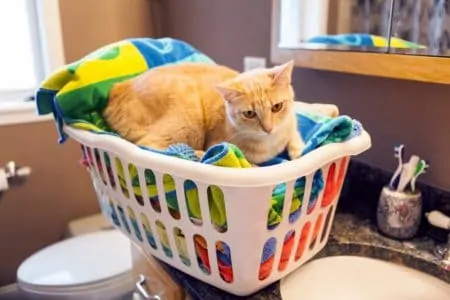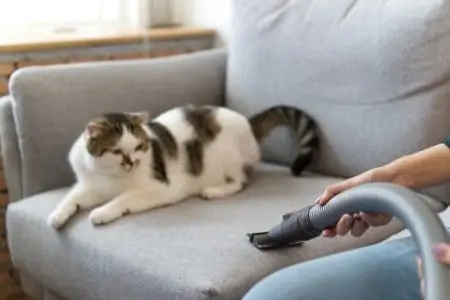
Are you allergic to pet dander? Pet dander is those tiny particles of skin that animals shed. These particles contain a protein that causes allergies. The same protein is also in urine and saliva.
To make matters worse, pet dander is light with ragged edges. It floats easily and sticks to everything. So if you have pets, you’ll need to know how to deal with pet dander properly.
That’s what we’re discussing today: how to get rid of pet dander so you can invite people over to your house without worrying about pet allergies.
Key Takeaways
- Clean your house regularly to remove dander from surfaces, especially those which are used often.
- Declutter your house to make cleaning easier and more effective in removing dander.
- Bathe your pets regularly to minimize the amount of dander left in the house.
- Use a HEPA air filter or purifier to remove dander particles in the air.
How to Eliminate Pet Dander
There are several easy things you can do to eliminate pet dander from your house. Some of these involve cleaning regularly, bathing your pets, and using HEPA filters.
- Time: 30 minutes
- Difficulty: Beginner
What You’ll Need
- Damp cloth
- Sticky lint roller
- Vacuum with a HEPA filter
1. Clean Your House Regularly
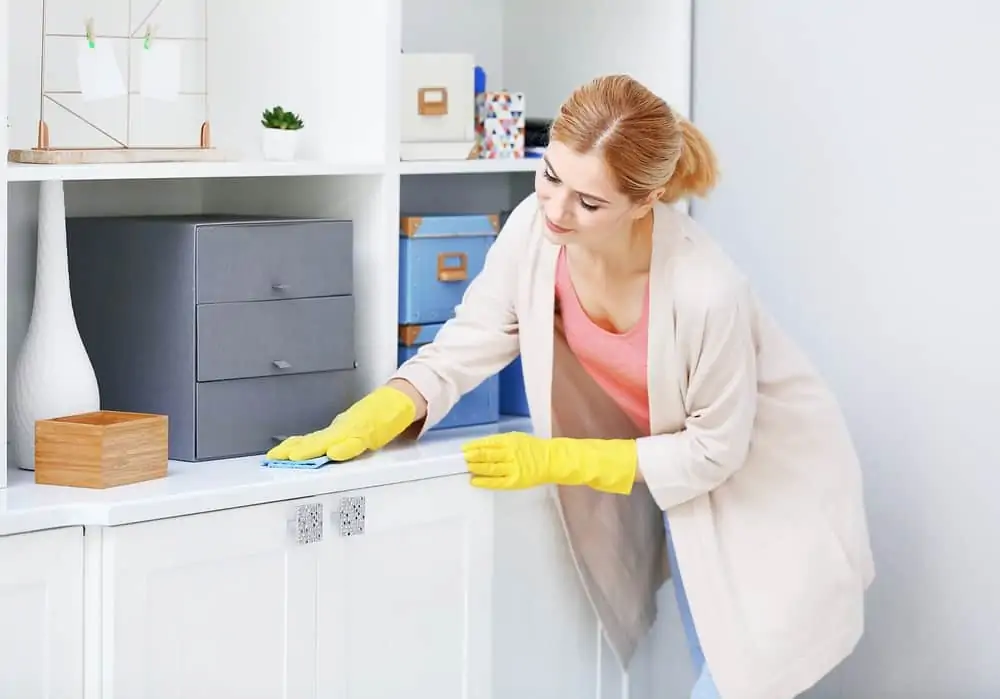
The first trick to eliminating pet dander is to clean your house regularly. This removes the pet dander from your house and keeps it from building up. To clean your house, start by wiping all surfaces down with a damp cloth.
Do not use a dry cloth or feather duster. This simply throws the dander into the air without removing it.
Once you’ve wiped down the surfaces of your house with a damp cloth, vacuum the carpet, furniture, and curtains. Steam cleaning also helps as does rolling a sticky lint roller over all surfaces.
2. Declutter Your House
Since pet dander sticks to everything, it helps to reduce the amount of stuff you have in your house. The less stuff, the fewer places available for the pet dander to stick to. It’s also easier to clean a decluttered house than a house full of stuff.
Cleaning a cluttered house is also more time-consuming, so the less stuff you have standing around the quicker you’ll be able to clean.
3. Bathe Your Pets
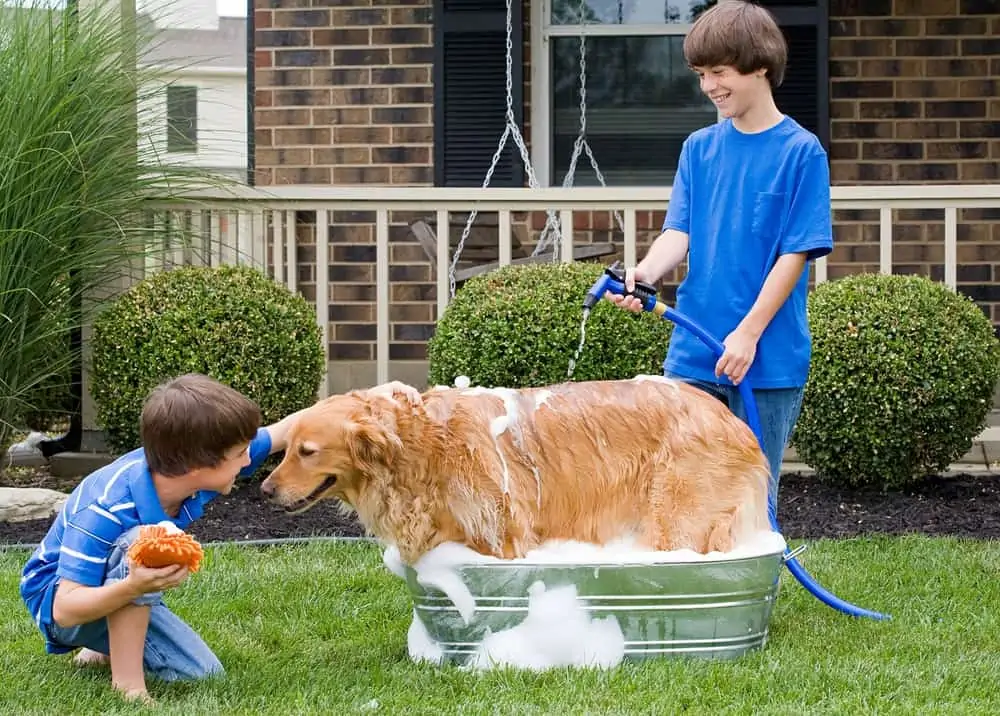
Another tip is to bathe your pets about once a month using a pet shampoo. This will help to remove the dander on your pets and send the dander down the drain.
Be careful. You don’t want to bathe your pet too often because animals require some oil to keep their skin and coat healthy.
4. Use a HEPA Filter

A HEPA filter is designed to catch tiny particles such as pet dander. So make sure that you use a HEPA air filter or purifier in your house.
If you turn it on for a few hours a day, it will help to remove any pet dander that’s in the air. However, it won’t help remove any pet dander that’s sticking to items such as your couch.
Also, use a HEPA level vacuum bag on your vacuum. This will make it possible to vacuum up the pet dander without spraying it into the air.
5. Clean Air Ducts
You’ll also need to clean your air ducts periodically to remove any built-up pet dander. This ensures that your house has a level of clean air that you can’t get with a filter or an air purifier.
How to Get Rid of Pet Dander From The Couch
Couches are a magnet for pet dander. Often pets like to sit on the couch which results in them leaving dander on the couch. Couches also catch any dander floating about in the air.
So you will need to clean your couch once a week to remove any dander from it.
- Time: 20 minutes
- Difficulty: Beginner
What You’ll Need
- Lint Roller
- Vacuum
- Washing Machine
- Clothes Line or Rack
- Mild dye-free laundry detergent
1. Use A Pet Dander Lint Roller
The first step is to use a lint roller on your couch. You’ll roll the sticky side all over the couch. The adhesive surface will pick up the pet dander and hair sticking to your couch.
It’s also a great method to use throughout the week to keep the pet dander under control.
2. Vacuum
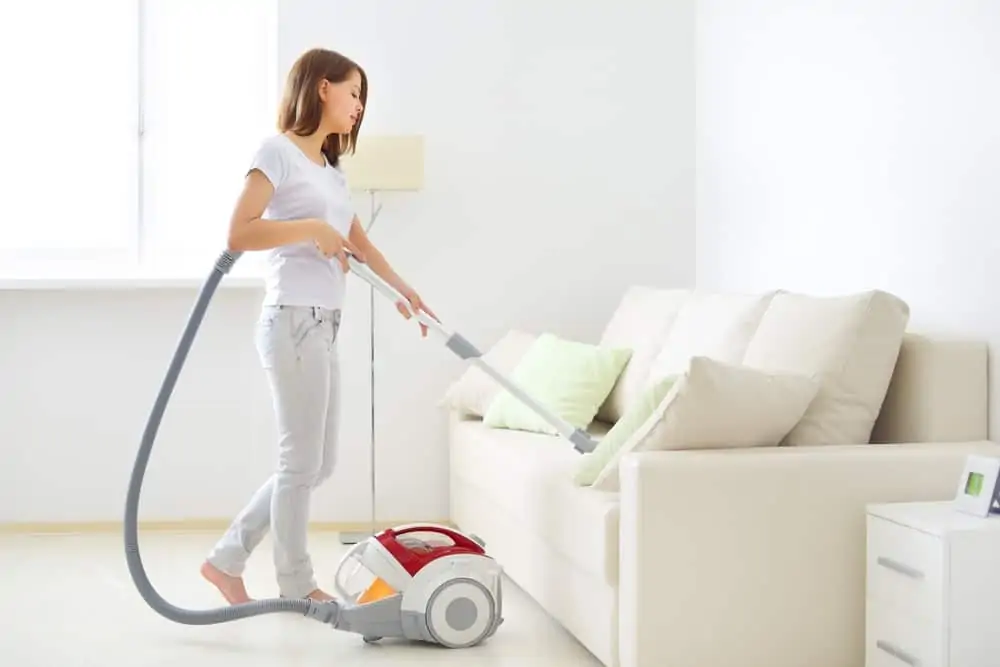
Next, vacuum the couch. If possible, remove the pillows first. Then start at the top and work down to the bottom of your couch.
Make sure that you vacuum under all the cushions as far and deep as you can. This will require the use of your vacuum attachments so you can give your couch a good vacuum.
You can also use an allergy spray on your carpets to help remove pet dander and other allergens from your house.
3. Wash Couch Cushions Every 6 Months
Wash all the couch cushions you can, but be sure to read the care tag first as some fabrics require special treatment and should not be tossed into the washing machine.
First, ensure that all the covers are zipped closed before you put them into the washing machine. Then use cold water, the delicate cycle, and mild dye-free detergent to wash your couch cushions.
When the washing machine is done, do not put the cushions into the dryer. This will cause the stuffing to become uneven and you won’t be able to restuff the cushions correctly without opening up the cushions to replace the stuffing.
Instead, you will need to place the cushions on a drying rack, preferably in the sun if possible. Let the cushions dry, flipping them as needed. Be sure to fluff them up from time to time as well.
4. Steam Clean (if possible)
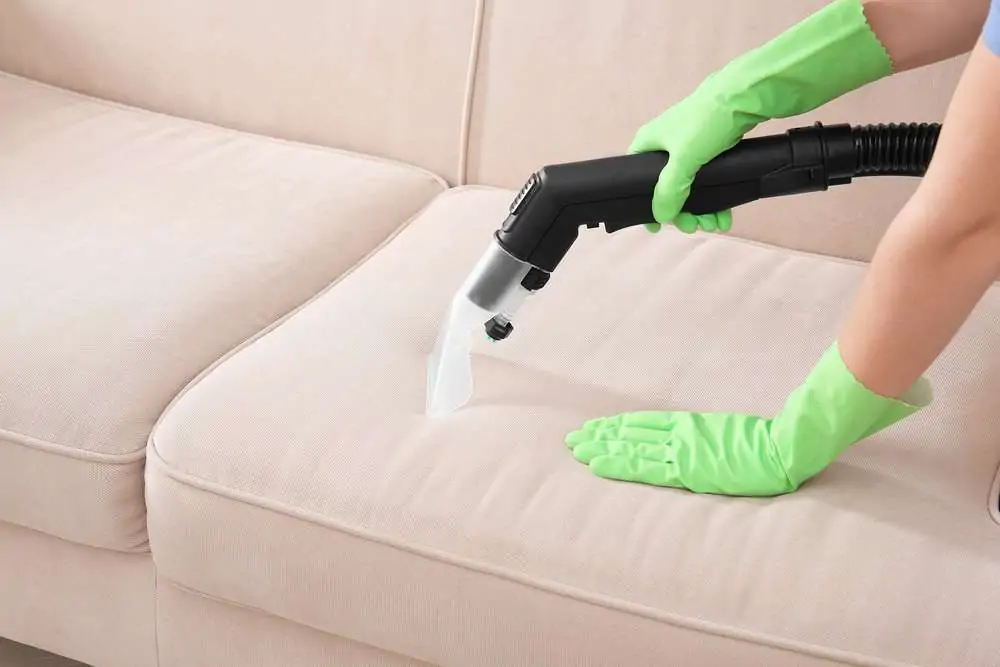
If possible, giving your couch a steam clean is a fantastic way to get rid of pet dander. Again, check the care tag on your couch. It will list the proper methods for cleaning your couch without damaging it.
Steam cleaning will provide a deep clean that will remove years of pet dander from your couch. You can do this yourself or call in a professional cleaner to steam clean your couch.
How to Remove Pet Dander From Carpet
Carpets pick up a huge amount of pet dander, as pets walk and lay down on the carpet constantly. Plus, the pet dander floating in the air eventually falls down and lands on the carpet.
It’s incredibly important that you give your carpets a deep cleaning regularly along with regular vacuuming to keep the pet dander under control.
- Time: 15 minutes
- Difficulty: Beginner
What You’ll Need
- Microfiber cloth
- HEPA Vacuum Bag
- Vacuum
1. Dust Before You Vacuum Using a Damp Cloth
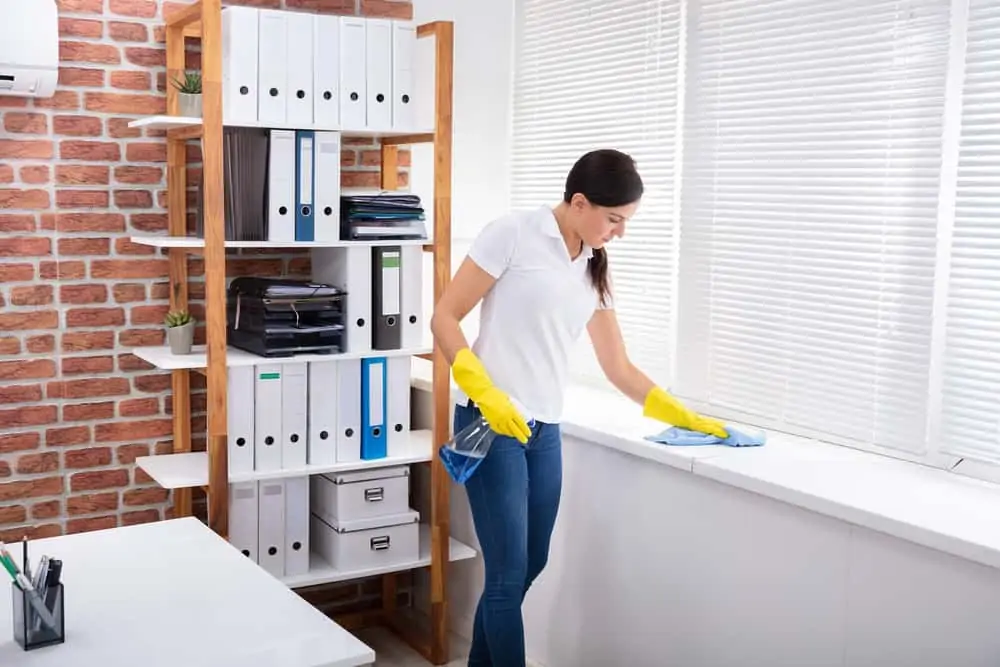
Before you vacuum your floors, you will need to dust the house using a damp cloth. The reason is that if you use a dry cloth, you’ll simply put the dander back into the air. It will fall and land on the surfaces again instead of being removed from your house.
A damp cloth will remove the dander from your house.
2. Use a HEPA vacuum bag
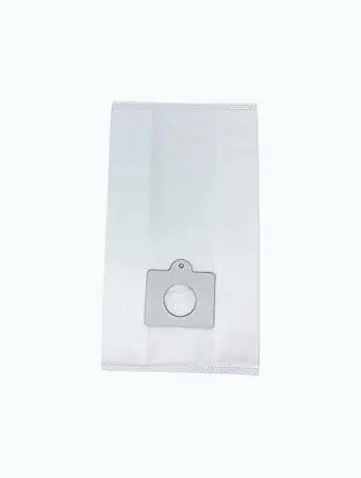
Before vacuuming ensure that you use a HEPA vacuum bag in your vacuum. The HEPA vacuum bag will prevent all the small particles like pet dander from flying into the air and being spread throughout your house as you vacuum.
3. Vacuum
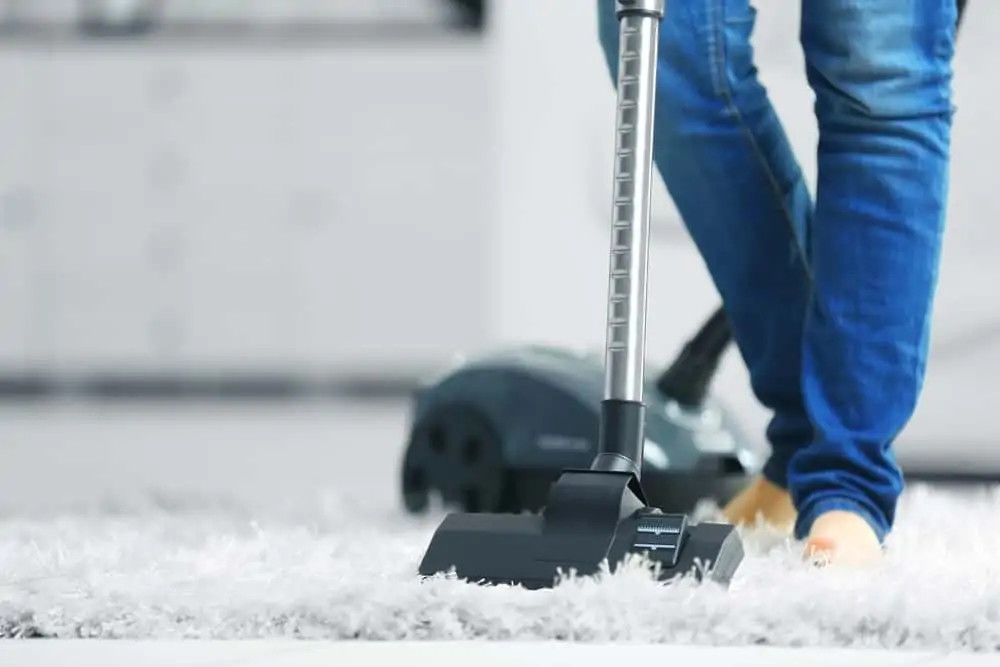
Now it’s time to vacuum your house. You will need to vacuum each section of the carpet several times to remove the pet dander.
Each time you vacuum, change the direction that you’re vacuuming in. If you were vacuuming from north to south, change the direction to the east to west. This will allow you to vacuum up as much pet dander as possible.
4. Steam clean
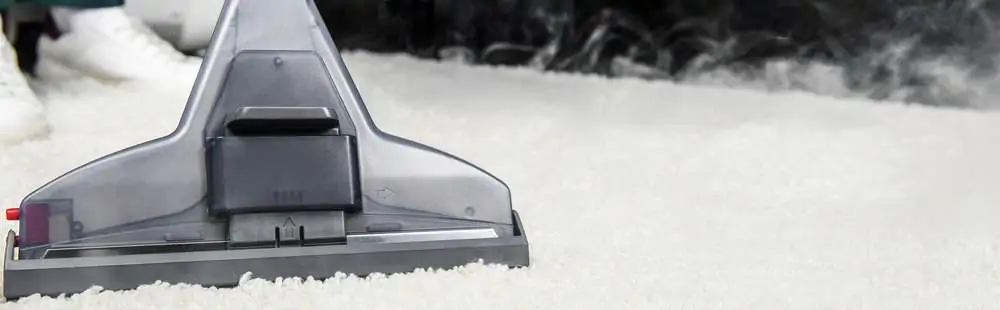
You will also need to steam clean your carpets every 2-3 months. This will remove the pet dander that’s embedded in your rugs that your vacuum can’t remove. It’s also a good and efficient way to remove pet dander that has been collected on the carpet over the years.
How to Allergy-Proof the Bedrooms
It’s very important to allergy-proof the bedrooms in your house. Everyone spends a large amount of time in their bedroom during the night, and if they’re exposed to allergens the entire night this can cause an allergic reaction.
- Time: 30 minutes
- Difficulty: Beginner
What You’ll Need
- Washing machine
- Vacuum
- Damp cloth
1. Wash Sheets
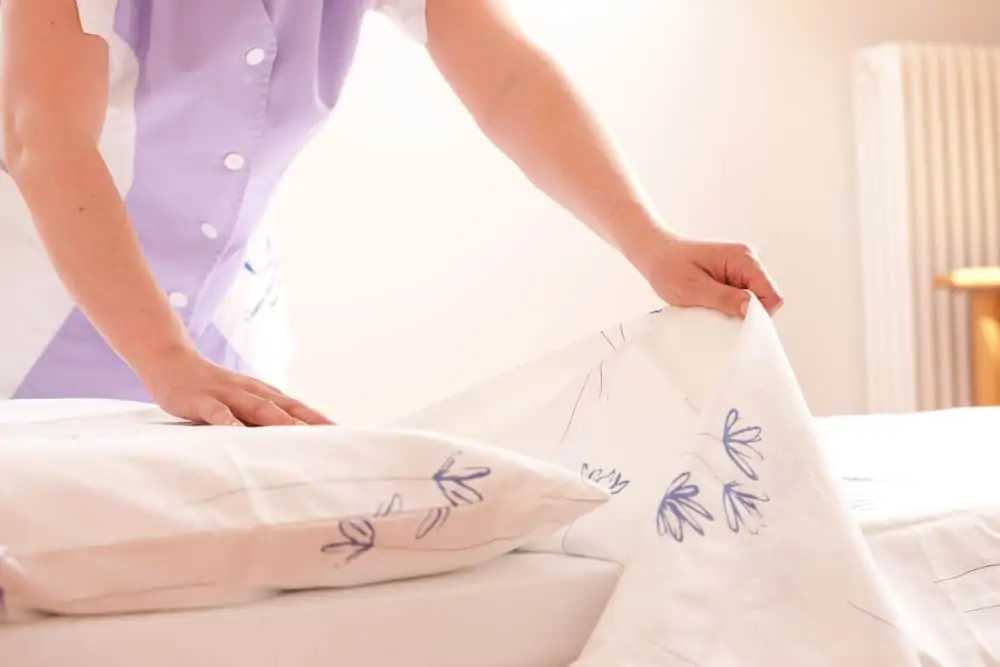
Pet dander collects on your sheets. The best practice is to wash your sheets weekly so you can remove it. Hot water works best. Wash your sheets on the hottest that they can tolerate without being damaged.
After you’ve washed your sheets, remake your bed with clean linens.
2. Keep Linens Clean
Store your fresh sheets in a drawer to protect them from any pet dander lingering in the air. You can also put them in an air-tight fabric bag to protect them from pet dander.
If possible, also try to keep your pets out of your bedroom. This way it is easier to keep dander out of your sleeping area.
3. Vacuum Regularly
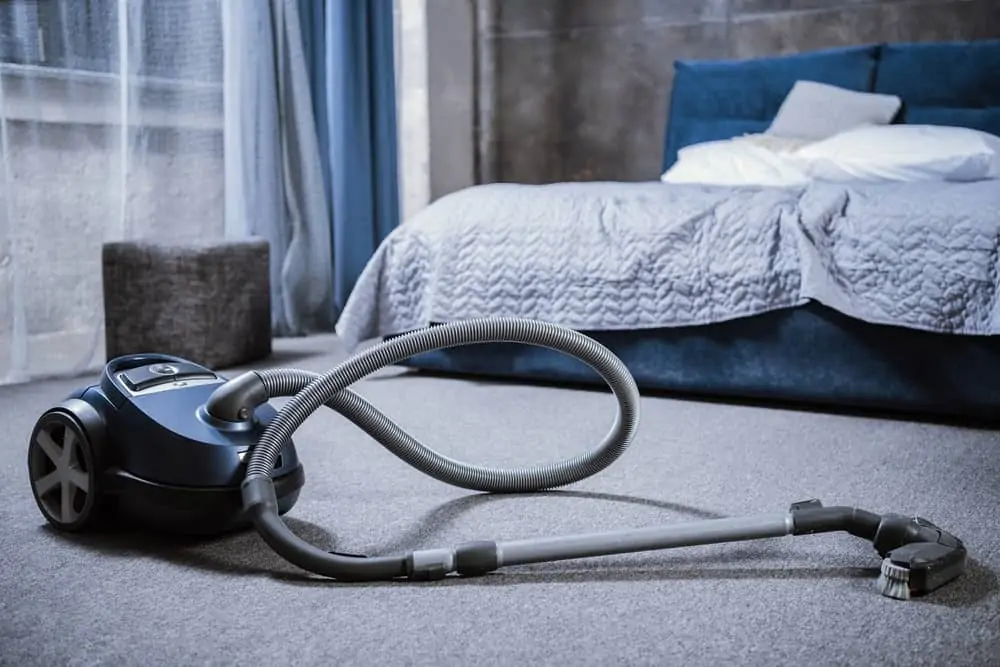
Vacuum your bedroom regularly to keep the pet dander down as well. Remember to change directions as you vacuum so you can remove all the particles in the bedroom.
4. Declutter Bedroom
Keep your bedroom as decluttered as possible. The reason is that pet dander attaches itself to everything. This makes it vital that you clean the stuff in your room as often as possible.
The fewer things you have in your bedroom, the less you have to clean. This makes keeping it clean and dander-free easier.
5. Wipe Items with a Damp Cloth
Wipe the surfaces of your room and the items you have on dressers and tables with a damp cloth. This will remove any pet dander sticking to your stuff.
6. Light Breezy Window Treatments

Use light and breezy window treatments in your bedroom. Heavy window treatments collect a lot of pet dander and are hard to clean. Light curtains and easy-to-clean window shades are ideal.
You can pull down the curtains to wash on a regular basis and wipe the shades down to remove the pet dander.
7. Wash Bedding Regularly
You will also need to wash your bedding regularly. This includes your pillows, blankets, and comforters. Pet dander will blow in and attach itself to your bedding. To keep from having allergy attacks, you’ll want to keep the bedding clean.
Consider vacuuming your mattress once a month while you’re changing your bedding, as this will help to remove all the pet dander that has built up on your mattress.
How to Get Rid of Pet Dander Smell
Pet dander has a smell. Have you ever walked into someone’s house and thought that it smells like a dog? This is the pet dander. You may not notice it yourself if you’ve been hanging out in a house with pet dander for a while, but anyone walking into your house will smell it. You can easily remove it using these steps.
- Time: 15 minutes
- Difficulty: Beginner
What You’ll Need
- Baking soda
- Vinegar
- Dish soap
- Vacuum
1. Use Baking Soda And Vinegar
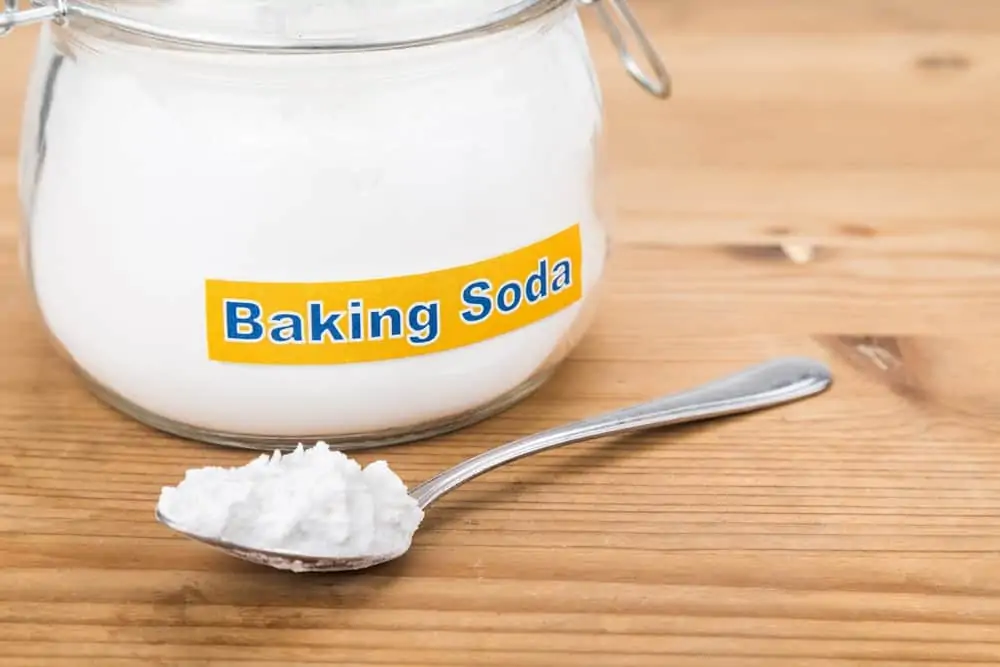
First, after you’ve cleaned the house, you can use baking soda and vinegar to help remove the smell. Sprinkle the baking soda liberally on the smelly areas as it absorbs the smell. After a few minutes, you can vacuum the baking soda up and the smell should be gone.
One problem with locating the smelly areas of your house though is that people become nose blind to their own house. Humans become less sensitive to the smells around them. If you suspect this has happened to you, there are a few things you can do.
Before you vacuum, sprinkle the baking soda over the entire carpet and let it sit for a few minutes. Now you can give your carpets a thorough vacuuming. This will ensure that you are deodorizing all the smelly spots.
If your pets have had an accident, spot clean these areas on your carpets with vinegar or an enzymatic cleaner. Use a black light to check for any dried urine stains to make sure that you’re not missing any smelly areas because of nose blindness.
To clean up a urine stain or accident, first, remove any excess urine with a paper towel. Then make a solution of equal amounts of vinegar and water in a bowl and add a large splash of lemon juice.
Dip a clean paper towel into the solution and rub it onto the accident or stain. Let it sit for several minutes before wiping it up with clean paper towels.
2. Clean Pet Accessories
You will also need to clean your pet accessories on a regular basis. First, wash your pet’s food and water bowls. You can put them in the dishwasher if they are dishwasher safe, otherwise, wash them by hand.
Toys, leashes, pet beds, etc. can be washed by hand. Although sometimes you can also put them in the washing machine if they’re safe to machine wash. Dry them on a drying rack before using them again.
3. Change Air Filters
You will also need to change the air filters in your air purifiers, HVAC system, or furnace more often if you have a pet. Most air filters need to be changed about every 90 days or so. If you have 1 pet, this drops down to 60 days. If you have 2 or more pets, then you’ll need to change your air filters every 20-45 days.
4. Brush Your Pet
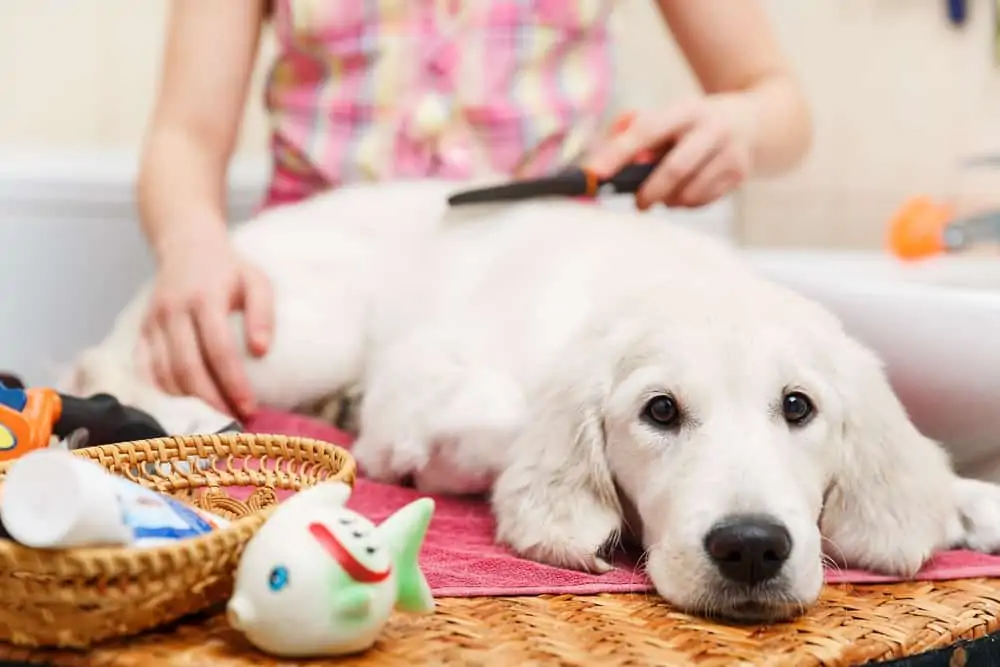
Brush your pets regularly. A long-haired animal should be brushed daily. A medium-haired animal needs to be brushed about once a week. A short-haired animal will only need to be brushed once a month.
5. Clean The Dander Traps
There are specific areas in the house that attract dander more than others, such as carpets, drapes, sofas, chairs, stairs, etc. These areas need to be cleaned on a regular basis.
It’s also a good idea to exchange any carpeted floors with hardwood floors if possible. Hardwood floors will not trap pet dander and are easier to keep clean.
FAQs About Pet Dander

Why Is Pet Dander A Problem?
Pet dander is a problem because it causes allergies and is challenging to remove. It’s lightweight and has ragged edges so it sticks to everything. People who experience allergies due to pet dander will experience unpleasant symptoms such as itchy eyes, sneezing, and runny noses.

How Long Does Pet Dander Stay In A House?
Pet dander can remain in a house for up to six months. This means that there will still be pet dander several months after a pet leaves. To get rid of pet dander sooner will require a proper deep cleaning of all surfaces and furniture in the house.

Does Washing Clothes Get Rid Of Pet Dander?
Yes, washing clothes helps to get rid of pet dander. Washing your clothing in hot water removes 90% of dog dander while warm water will remove 60% of dog dander. Double-check your clothing’s care tags before you wash your clothes in hot water.

Does Opening Windows Help With Pet Dander?
Opening the windows will help with dog and cat dander. Fresh air flushes out the pollutants and allergens such as pet dander that are in the house. This will help to reduce the amount of pet dander in the house.

Are Dander And Dandruff The Same Thing?
No, dander and dandruff are not the same. Dander is the skin flakes from the main body of humans and animals.
Dandruff comes specifically from the scalp and is made of epithelial skin cells.