We all love our pets dearly. What we don’t love are the occasional accidents that happen, especially on a carpet. It might seem like mission impossible to get stains and odors out, but don’t worry.
By knowing how to clean pet urine and poop from the carpet the right way, you can quickly get rid of the mess.
The key is acting quickly. Cleaning the urine or poop as quickly as possible can prevent a stain and buildup of odor. It’s also essential to eliminate the odor entirely to prevent your pet from returning to the spot.
Keep reading for our step-by-step guide to spotless carpets once again.
Key Takeaways
- Act quickly to clean pet urine and poop from carpets to prevent stains and odors.
- Use enzyme cleaners to break down compounds in stains and eliminate bad odors.
- For poop stains, combine dish soap, vinegar, and water to create a cleaning solution.
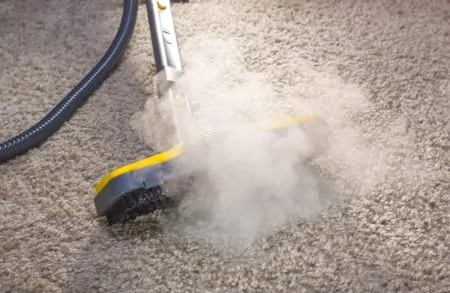
- Avoid using ammonia or steam cleaning for pet accidents, as they can worsen the situation.
Before You Begin to Clean
No matter what kind of mess you’re dealing with, wear gloves and wash your hands afterward to avoid contamination.
After removing any solid waste from your carpet, dispose of it immediately to avoid lingering smells. Before starting, we recommend that you equip yourself with the necessary tools, such as cloths and a pooper scooper.
How to Clean Pet Urine From Carpet
Let’s start with pet urine. Your pet might be toilet training, or maybe they have an infection that is causing them to soil your carpet. These tips can help.
- Time: 35 minutes, plus waiting time.
- Difficulty: Easy.
What You’ll Need
- Old towels.
- Heavy object (optional).
- Water.
- Enzyme cleaner.
- Spray bottle.
1. Absorb Excess Liquid
The quicker you get to the mess, the better the outcome. Urine will quickly seep into the carpet fibers and make its way into the backing. The urine could wreak havoc here, causing foul odors to form and even ruin the carpet.
When you notice that your pet has urinated on your carpet, grab an old towel and place it over the spot. Apply some pressure to help squeeze out as much as possible. You can use a phonebook or any other heavy object.
Leave the towel and object on the stain for 10 minutes to absorb the excess moisture. Once the towel has absorbed most of the liquid, grab another one and blot out the rest of the urine.
2. Wet the Area
Pour cold water onto the area, starting just outside the stain. Slowly pour the water towards the center. Doing this will prevent the spot from spreading. The water will help to lift any urine that might be settling inside the fibers.
3. Use an Enzyme Cleaner
Enzyme cleaners, such as the Nilodor Urine Digester, are excellent at removing urine; they’re non-toxic and safe to use. The enzymes work by breaking down the compounds in the stain. This helps to eliminate bad odors and annoying stains (1).
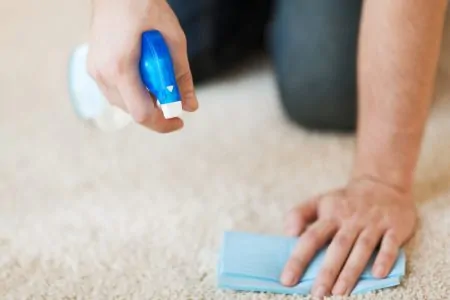
Spray the cleaner directly onto the stain — if you have a concentrate, dilute it as per the guidelines. Enzymatic cleaners will usually need to stay on the stain for quite some time, so read the instructions to ensure you’re doing it correctly.
Keep In Mind
4. Absorb the Cleaner
Place another towel over the area to absorb the cleaner. You can also place a heavy object on the towel to help press more liquid out.
Leave the towel to sit overnight, covered with the heavy object. The next morning, the stain and odor should be gone, and you can either wash or dispose of the towels used.
How to Clean Pet Poop From Carpet
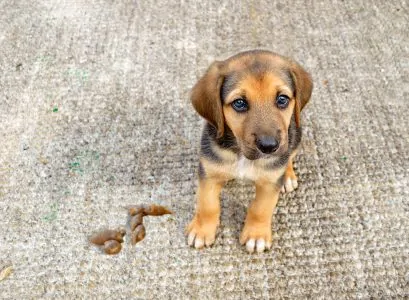
When your fur baby does their business indoors, it can be extremely annoying. The last thing you want is a poop stain on your carpet. But if you act fast and follow this method, it won’t even be a problem.
- Time: 40 minutes, plus waiting time.
- Difficulty: Easy/Intermediate.
What You’ll Need
- Pooper scooper.
- Poo bag.
- Dish soap.
- Distilled white vinegar.
- Water.
- Bowl or spray bottle.
- Cloths.
- Hydrogen peroxide (optional).
- Enzyme cleaner.
- Towels or paper towels.
- Vacuum cleaner.
1. Remove Any Solids
Before you can begin to work on the stain, you must remove any solids from the carpet. We highly recommend using a pooper scooper to make the process easier. Place the solids in a bag and dispose of it immediately.
2. Mix a Solution
Combine one tablespoon of dishwashing soap, such as Dawn, and one tablespoon of vinegar in a large bowl or spray bottle. Add two cups of warm water and mix it well.
3. Sponge the Stain
Dip a clean cloth in the solution and use it to soak the stain slightly. Blot it gently using another clean cloth until all liquid is absorbed. Continue this process until the stain is gone or starts to disappear.
If The Stain Is Persistent
4. Apply Enzymes
Enzymes are highly effective at breaking down stains and odors caused by pets. For feces, we highly recommend the Bissell Professional Stain and Odor cleaner.
If you’re using a concentrate, dilute it as directed before using it. Apply the cleaner as per the instructions. You may need to leave the cleaner on the area for up to several hours — refer to the directions for the exact time.
5. Blot Dry
Use a clean cloth, towel, or paper towel to blot excess cleaner and liquid. Start at the edges of the stain and work towards the center.
6. Vacuum
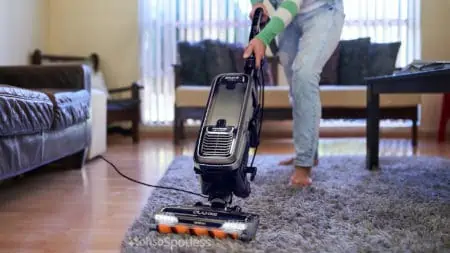
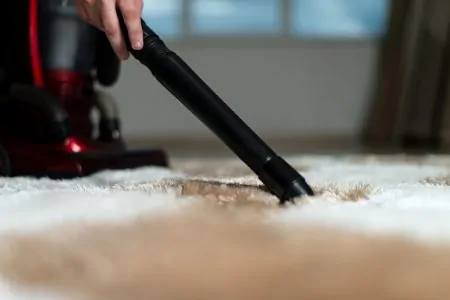
Finish off by vacuuming the area once it’s fully dry. This will help to get rid of any leftover debris as well as restore the fibers.
Additional Tips
Removing any pet accident as quickly as possible is the best way to avoid any set-in stains. Here are a few extra tips to help you clean any messes from your carpet:
- Try baking soda and vinegar: Dried or old urine can be tricky to eliminate, especially the odor. One effective method is using baking soda and vinegar. These will help to remove the carpet stain while deodorizing any odor. Spray the area with vinegar and sprinkle with baking soda. Then cover the area with a towel for 24 hours and rinse with cold water. Dry when finished.
- Avoid ammonia: Ammonia won’t do much to fight against pet accidents. Because it’s a strong alkali, it will leave a sticky residue and even damage the fibers. Ammonia also won’t help to remove the odors left by your pet. It will instead make the odor more likely to return (2).
- Consider replacing the padding: Pet stains, especially urine, can soak into a carpet quickly. If you notice any accidents that have soaked into the padding, consider replacing that part. Urine and feces can cause foul odors to build and linger in your house.
FAQs

What Takes Old Poop Stains Out of Carpet?
The best way to take old poop stains out of carpet is to use an enzyme-based cleaning agent, like this Rocco and Roxie Stain and Odor Eliminator. It is pet and child-safe, eats odors and stains, and leaves no residue.

Does Oxiclean Remove Poop Stains?
OxiClean does work on poop stains because it contains oxygen bleach, which releases tiny bubbles when it makes contact. These bubbles get deep down to lift the poop stain from the carpet fibers.

Does Steam Cleaning a Carpet Get Rid of Dog Urine?
Steam cleaning a carpet to remove dog urine is not a good idea. The steam could make matters worse and bond the urine protein to synthetic carpet fibers.

Is Baking Soda Toxic to Dogs?
Baking soda is toxic to dogs if eaten in ample quantities. Luckily, they would need to consume quite a bit of baking soda to have any ill effects.
Getting Rid of the Mess
No matter what kind of pet you have, accidents happen. It’s important to be prepared, especially if you have carpeted floors in your house. Pet urine and poop can leave unpleasant odors; if not removed entirely, your pet will likely return to that spot.
Clean up any accidents as soon as possible to avoid staining. Liquids will quickly soak into the backing or padding of the carpet, where they can cause unpleasant odors.