Steam Cleaning Tips, Guides & How To's
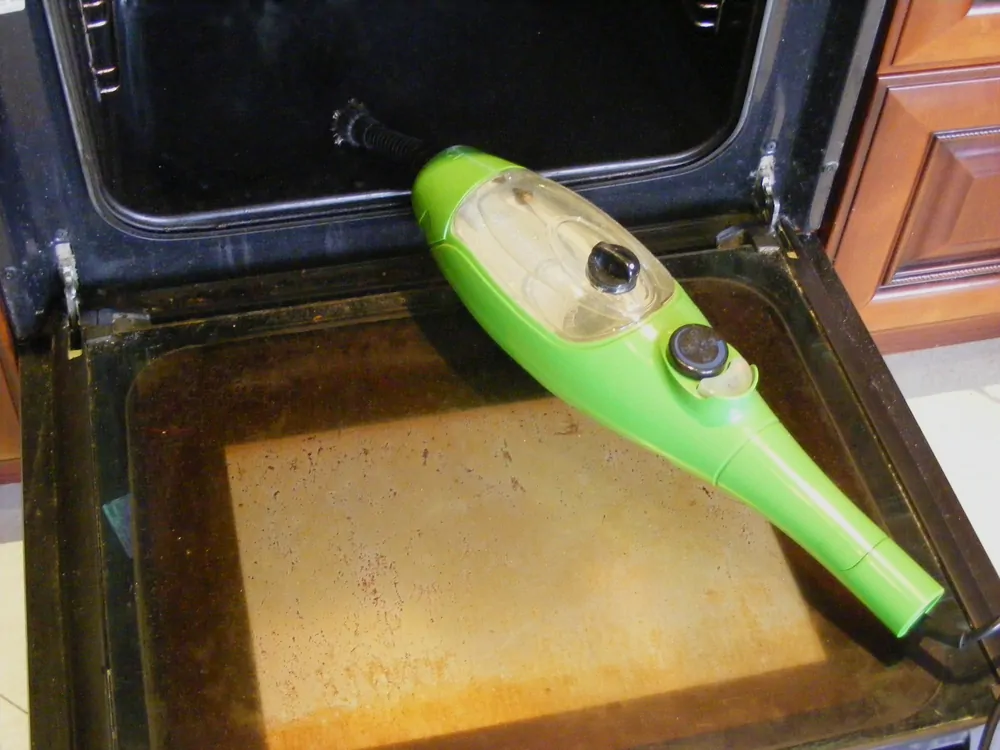
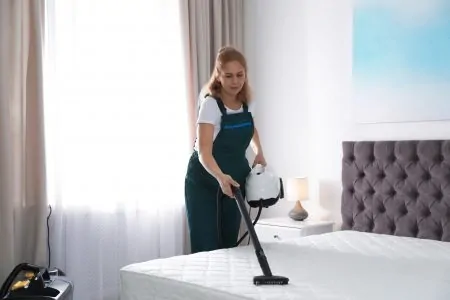
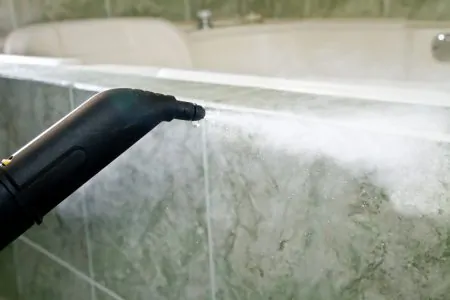
Grout that has gone grey, a mattress nobody has touched since it was delivered, an oven door with baked spatter on the inside of the glass. Steam gets at all three because heat and moisture loosen what a cloth alone just smears.
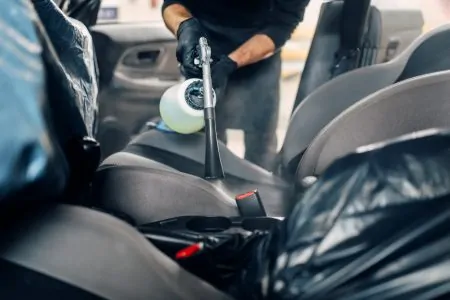
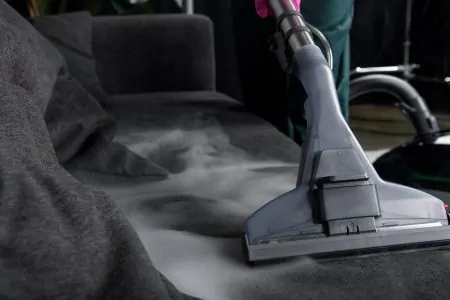
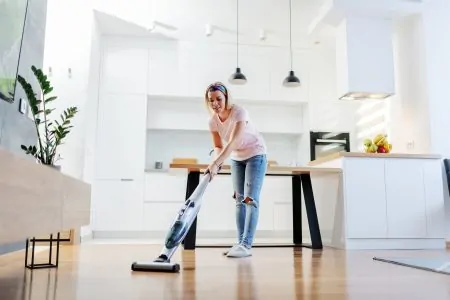
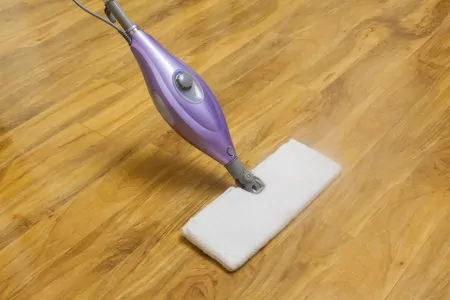
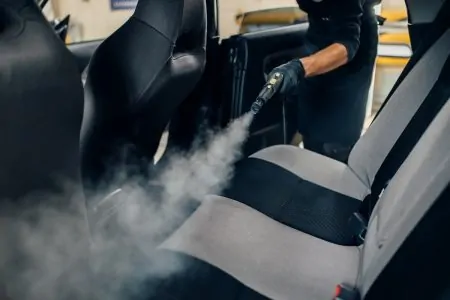
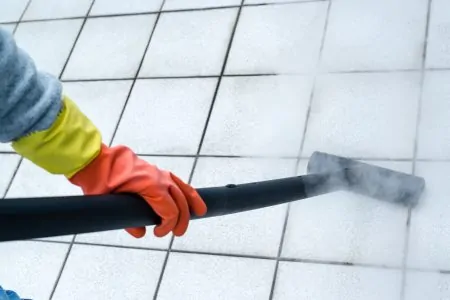
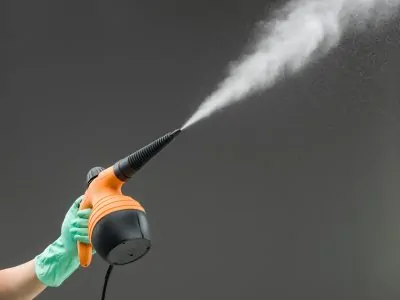
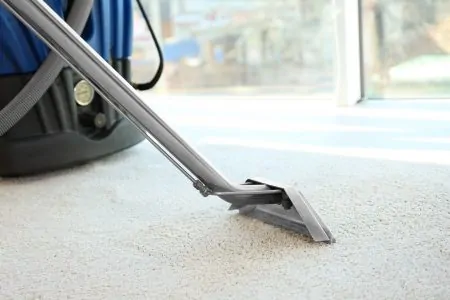
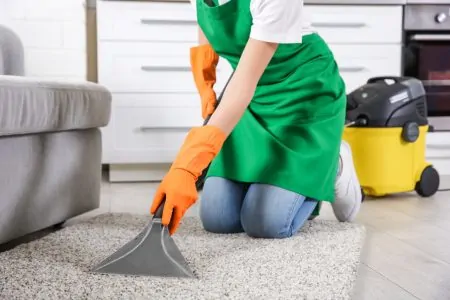
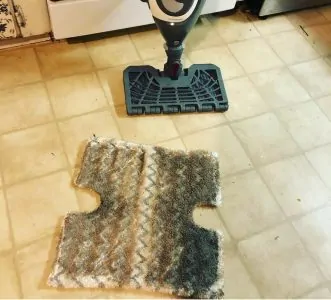
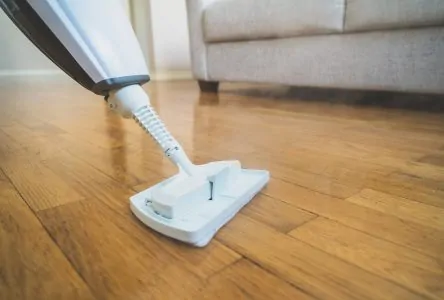
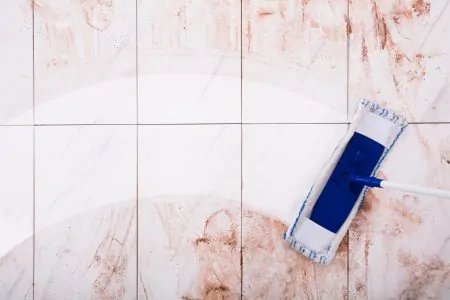
The first real question is which machine. A handheld unit with a jet nozzle is for detail work: shower corners, faucet bases, car seat seams and dashboard vents. A canister or carpet machine puts out the volume and dwell time that floors, upholstery and rugs need. Steam mops sit in their own lane and are judged on pad quality and reheat speed rather than tank size.
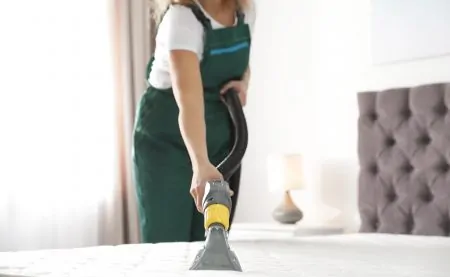
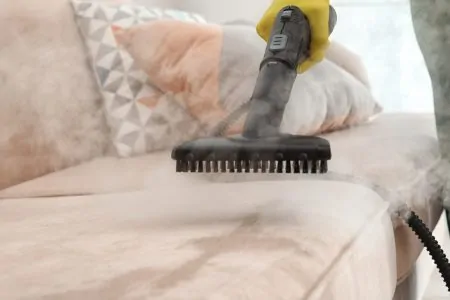
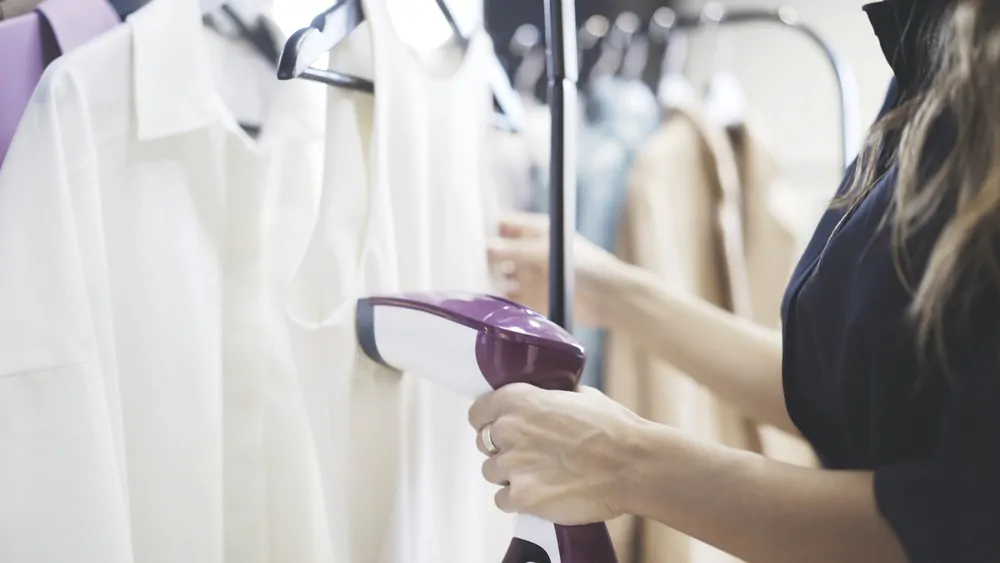
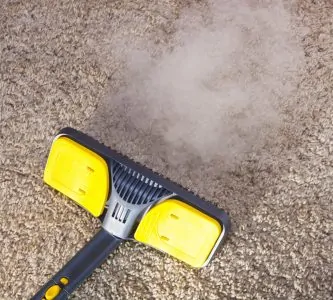
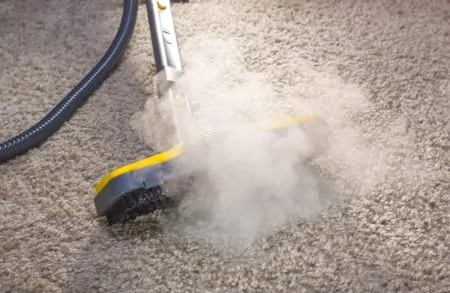
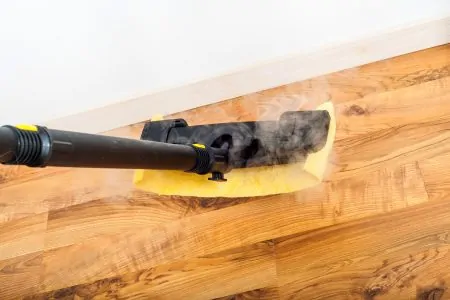
Then comes what steam should and should not touch. It suits sealed tile and grout, glass, sinks, garment wrinkles, and the seams where bed bugs and dust mites live. It is risky on unsealed stone, waxed wood, and anything that swells when it gets wet. Carpet is the real debate: hot water extraction rinses deeply but leaves the pile damp for hours, while dry compound cleaning has you walking on it sooner and lifts less.
Running the machine well is half of it. Distilled water where the manual asks for it, descaling on a schedule, pads washed without fabric softener, and enough patience to let a surface dry instead of wiping it back to wet.