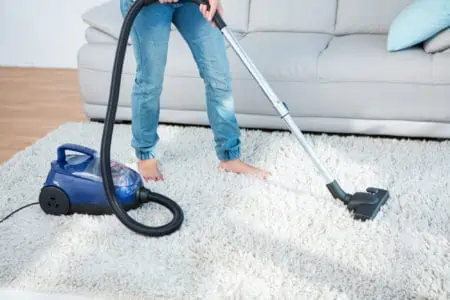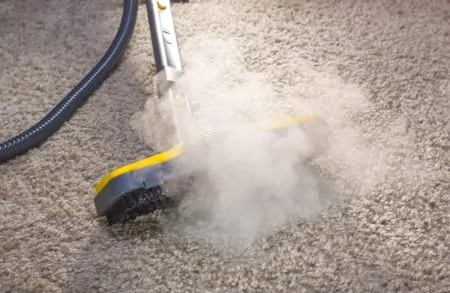
If you’ve got carpet in your home, you’ll understand how discolored and worn it can look, especially if it’s light-colored.
It’s possible to use a steam mop to bring some life back to your carpet. While many steam mops are designed for hard floors, some are multi-functional too. We’ll show you how to clean your carpet with a steam mop.
But there’s some prep work you’ll need to do before you can get scrubbing. Let’s get into the details so you’ll feel confident when the time comes.
Key Takeaways
- Vacuum carpet before steam mopping to remove loose dirt and hair.
- Use a carpet glider attachment for smooth gliding on the carpet.
- Steam mopping kills germs, dust mites, and fleas on carpets.
- Allow carpet to dry for 4-10 hours after steam cleaning.
How to Clean Carpet With a Steam Mop
For your convenience, we’ve created a step-by-step guide to steam mopping your carpet. Don’t worry, it’s easier than it first appears. Once you get the hang of it, it’ll be old news.
Take Note
Steam may distort and cause damage to artificial fibers. In addition, woven carpets might shrink when exposed to high temperatures. Berber carpets can become fuzzy when treated with a steam mop too.
While we don’t want to frighten you, you need to be informed before giving it a full run.
- Time: 15 minutes
- Difficulty: Easy
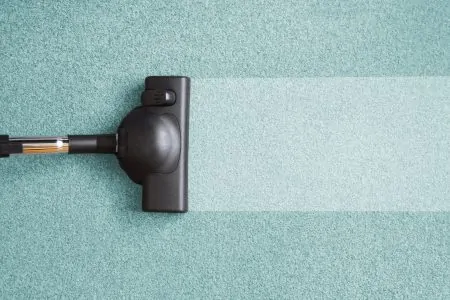
1. Remove Loose Objects and Lightweight Furniture
Moving furniture and objects will save you awkwardly maneuvering your steam mop around items, speeding up household chores.
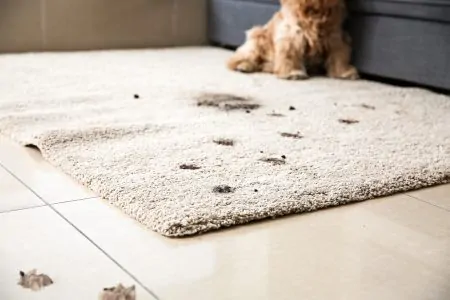
You may even discover stains and grime lurking under objects you didn’t know were there. This may be something you want to consider especially if you have pets.
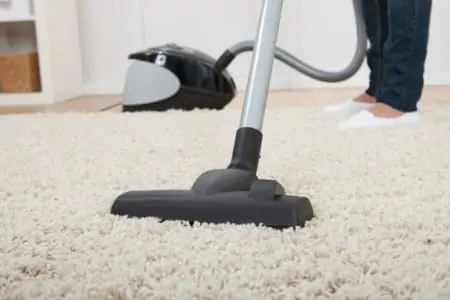
2. Vacuum the Carpet
We know you probably want to skip the vacuuming stage and get straight to steam mopping. But you need the powerful suction to pick up loose dirt and crumbs that could otherwise get stuck on your mop head. A vacuum will also capture hair, which a steam mop can’t do.
This step may assist your steam mop in reaching the carpet fibers for a more effective clean. You can then concentrate on scrubbing carpet stains and absorbing dirt particles and bacteria.
3. Secure the Carpet Glider
Time to attach the carpet glider to your mop head. It usually snaps into place with a bit of pressure. Consult your user manual to make sure you’re doing it properly.
Keep In Mind
4. Add Water to Your Steam Mop
Fill the water tank to the maximum capacity indicated on your tank or the user’s manual. The average capacity is around 16 fluid ounces.
Some steam mops may include a measuring cup, making the job a little easier.
Don’t forget to use distilled or demineralized water if you live in a hard water area.
5. Begin in the Far Corner
It’s counterproductive to start cleaning in an area of the floor that you’ve got to walk on again before it’s dry. For the most efficient carpet cleaning session, start steaming in the far corner away from doorways and entrances with more foot traffic.
When you’re done cleaning, head on to the next room carefree while your floors are drying.
6. Clean in Straight Lines
When you’re blissfully gliding around with your steam mop, it’s easy to miss a spot. We find that the best method is by moving in straight lines along the carpet. It’s like mowing the lawn – you know where you’ve been and what’s next.
7. Allow Your Carpet Time to Dry
Allow your carpet to dry before you walk on it, or the pets get comfy for a nap. Depending on the type of carpet, it could take anywhere between four and 10 hours. Given that you aren’t using soaps and heavy cleaning shampoos, it should be on the lower end of that scale.
Steam doesn’t make your carpet overly wet or saturated, but outdoor shoes may make it dirty again when you’ve just cleaned. All your hard work will go to waste.
If you have to walk on the carpet, wear clean socks. You could even use shoe coverings or plastic bags. Don’t worry – we won’t call the fashion police.
FAQs
Read through our answered questions first if you’re unsure about taking your steam mop onto your carpet.

Should I Use Tap Water for a Steam Mop?
If you have hard water where you live, there are often a lot of minerals and limestone in the water. This includes calcium and magnesium (2). Therefore, it’s best to fill your steam mop’s tank with distilled or demineralized water.
Over time, hard water can clog the outlets on your mop head, preventing effective steam distribution. It might also leave nasty residue on your carpet.

Will a Steam Mop Kill Germs on Carpet?
Carpet fibers can trap germs and pathogens without you even realizing it. But the good news is that steam is hot water vapor, which can kill bacteria present on your carpet.
Steam mopping can also kill dust mites which are more common with carpets than hardwood floors (3).
A study found that regular vacuuming and steam mopping carpets can reduce dust mites by 85.5 percent (4).
If you’re a pet owner, you’ll be glad to hear that steam can kill fleas, too (5). It can eliminate adult and larval fleas, plus some of the eggs.
Watch out because the humidity from the steam may mean some of the eggs hatch. But if you combine steam mopping with regular vacuuming, this shouldn’t be a problem for you or your furry friends.

What Is a Carpet Glider?
Most steam mops have a flat design for gliding over hard floors. Naturally, there’s going to be some resistance on a carpet. But this is where a carpet glider comes into play.
The seller may provide this attachment with your steam mop, or you might be able to purchase one. They are made from plastic and easily attach to the mop head.
For example, Bissell and Shark steam mops often need a carpet glider to function on the pile.

Should I Use a Carpet Cleaner With a Steam Mop?
It may be tempting to reach into your cleaning armory and pull out a carpet cleaner. Surely, you can use this with your steam mop, right?
Actually, this may damage your steam mop and carpet. The beauty of using a steam mop is that you can sanitize your carpets without any chemicals, making it a suitable option for people with allergies or sensitivities. As a home with kids and pets, we love steam cleaning since there are no toxic ingredients.
Some companies feature scented demineralized steam mop water. However, this may not be suitable for the carpet. It’s always recommended to follow the directions for your steam mop model or consult the manufacturer if you’re unsure.

Is It Better to Steam Clean or Dry Clean Your Carpets?
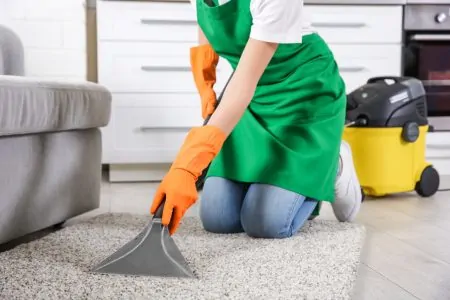
It is better to steam clean your carpet because a steam mop only uses heat and steam, unlike dry cleaning, which uses chemicals and perfume.

How Often Should You Steam Clean Your Carpet?
You should steam clean your carpets every twelve to eighteen months, but this depends on how much use the carpet gets. If you have high footfall or children and pets, you may need to perform a steam clean every six months.

What Happens to the Dirt When You Steam Clean?
When you steam clean, dirt is removed from the carpet fibers and collected with the wastewater to be disposed of safely.