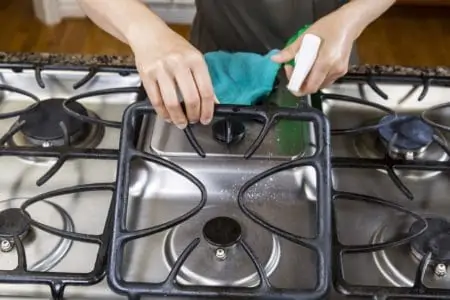
Stove grates get covered in all kinds of dirt, grime, oil and food residue. Are you cleaning yours enough? If you’re not sure how to clean stove grates, it can be an overwhelming task. We’re here to recommend you a few different methods so that your stove grates are super clean on a daily basis.
Key Takeaways
- Clean stove grates using baking soda paste, dish soap, or a commercial degreaser.
- Avoid using metal scouring pads and harsh chemicals on cast iron grates.
- Always dry stove grates thoroughly to prevent rusting.
- Maintain daily cleanliness with a vinegar spray and spot cleaning using baking soda or salt.
What Are Stove Grates Made From?
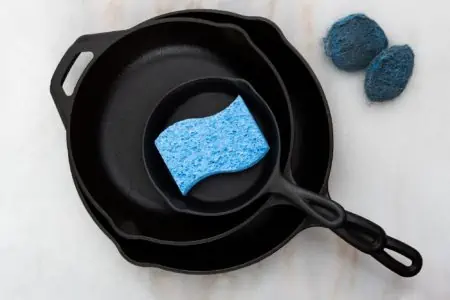
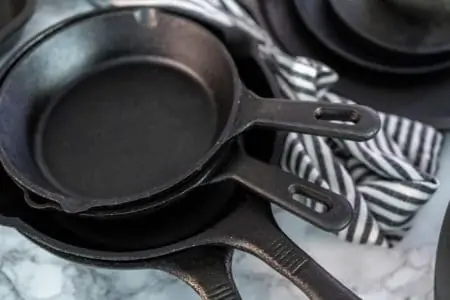
Yours are likely made from cast iron. Some have a porcelain finish which needs to be cared for well, since exposed cast iron can rust easily. Cast iron needs to be treated with care so make sure to avoid metal scouring pads and harsh chemicals such as ammonia.
Top Tip
How to Clean Stove Grates
We’ll share a few different methods so that you have multiple options up your sleeve, depending on what supplies you have in the house.
Baking Soda Paste
For this method, we’ll make a baking soda paste that can deep clean your stove grates.
What You Need
- Soft bristled yet powerful scrubbing brush.
- Three tablespoons of baking soda.
- Three tablespoons of cold water.
- Bowl.
- Spoon.
- Rubber gloves.
- A cloth.
- A dish towel.
Step by Step Instructions
- Pour the baking soda and water into your bowl. Mix with a spoon to form a paste.
- Wearing gloves, use your hands to spread the paste evenly over the stove grates.
- Let it sit for 20 minutes.
- Scrub the paste with the brush. This will help remove loosened dirt.
- Rinse under cold water while scrubbing the excess residue with a cloth.
- Dry thoroughly with a dish towel.
- Return it to the stovetop.
Dish Soap
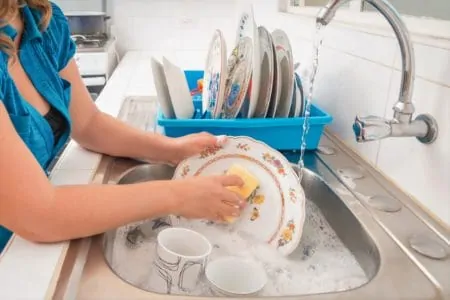
You can clean your stove grates like you do with the rest of your dishes. We do this with ours and it works great!
What You Need
- Liquid dish soap.
- Sink or basin.
- Boiling water.
- Rubber gloves.
- Soft scrubbing brush or sponge.
- A microfiber cloth.
- Dish towel.
Step by Step Instructions
- Place the stove grates in a sink with the drain open. Pour boiling water over the grates to help loosen dirt and debris.
- Put the plug back in the sink and fill with hot soapy water.
- Let the grates soak for 10 minutes. If yours are larger than the sink, let them soak for 10 minutes on each side.
- Scrub them clean with your brush or sponge.
- Rinse them under warm water and scrub using your microfiber cloth to give them one last wipe.
- Dry thoroughly with a dish towel.
- Return to the stovetop.
Use a Commercial Degreaser
If you need to follow through with a heavy-duty clean, we recommend using a commercial degreaser. Make sure that it’s suitable for the material of your stove grates.
What You Need
- A commercial degreaser.
- Rubber gloves.
- Scrubbing brush or sponge.
- Microfiber cloth.
Step by Step Instructions
- Spray the grates, burners and stovetop with your commercial degreaser.
- Let it sit for half an hour.
- Scrub hard with your brush or sponge until you’ve lifted all dirt and debris.
- Repeat if necessary.
- Wipe down with a damp microfiber cloth.
How to Care for Stove Grates Daily
The above methods are good for deep cleaning which we recommend doing once a week or so. But what about keeping the grates clean daily? Here are our top tips.
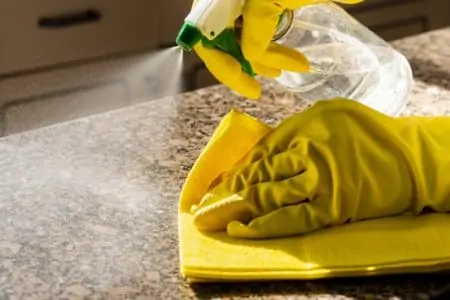
- Clean with vinegar daily. Mix together a 1:1 ratio of distilled white vinegar and water in a spray bottle. Add some essential oils for a nice scent, if you like. Spray over your grates and let it sit for 15 minutes before wiping with a clean damp cloth.
- If you spill a liquid or food onto the grates, clean it up right away. It’s really easy for food to harden over the grates and be almost impossible to remove.
- Keep the stove grates dry. If they get particularly damp or wet during cooking, give them a quick dry with a towel. Make sure to do this after the vinegar spray method, too.
- Use a scrubby brush to loosen baked on food if you can’t remove it with just your fingers. Do this every evening as you clean your kitchen.
- Spot clean when you notice a nasty spot but don’t have time to deep clean. Dip a cleaning toothbrush in baking soda or salt and scrub the area. This will help lift the dirt or stain.
FAQs

Can You Wash Stove Grates In a Dishwasher?
You can wash stove grates in the dishwasher, but it is much better to wash them by hand. Repeated dishwashing increases the chances of the grates rusting, whereas washing them by hand is gentler.

Can You Use Easy Off on Stove Grates?
You can use Easy Off on stove grates. However, take care when using this cleaning agent because it creates strong fumes that can be harmful if inhaled.

Can You Use Bar Keepers Friend on Gas Stove Grates?
You can use Bar Keepers Friend on stove grates because it removes the most stubborn food stains. However, never mix it with bleach because it creates highly toxic chlorine gas, which is dangerous when inhaled.

Can Dryer Sheets Clean a Stove Top?
A dryer sheet can clean a stove top, provided it is glass. Place the dryer sheet on the food stain and soak it with water. Leave it for 10 to 15 minutes, and wipe the stain with the moistened dryer sheet.

Can You Use Steel Wool on Grill Grates?
You can use steel wool on grill grates to remove baked-on food stains. However, it might not work for stainless steel grates because it will damage the high-quality finish.
Clean Stovetop
Cleaning a stovetop is by far one of the most laborious and slow cleaning jobs in the kitchen. There are tons of small parts that need to be individually and carefully cleaned. But now that you know how to clean the stove grates, hopefully you feel a bit more prepared for a clean kitchen.
You can use a baking soda paste, dish soap or a commercial degreaser. All three will deep clean your grates. For daily cleaning, spray with a vinegar spray and spot clean with baking soda or salt.