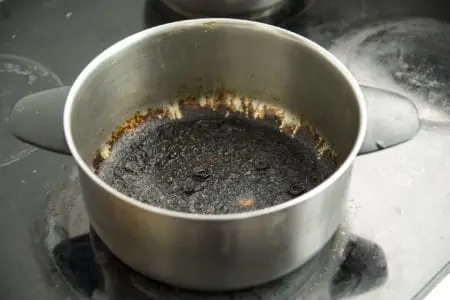
Burnt pots and pans are dreadful to clean, especially after a long day. You look at the pans and despair over the hours of scrubbing required to clean them. So today we’re discussing how to clean a burnt pan.
Now you won’t have to spend hours slaving away scrubbing.
Key Takeaways
- Clean burnt pans with dishwasher tablets, vinegar and baking soda, or alternative methods like boiling water, salt, or lemons.
- For stainless steel pots, use baking soda paste and aluminum foil to scrub away burnt food and marks.
- Avoid abrasive cleaners for non-stick and ceramic pans, and never soak cast iron skillets in water.
- Prevent pan burning by using high-quality pots and pans, nonstick coatings, preheating oil, and the correct burner size.
Can a Burnt Pot be Saved?
Yes, a pot with charred food can be saved by using boiling water, white vinegar, lemons, baking soda, or even a dishwasher tablet to clean it. These methods will remove the burnt food so you can reuse the pot.
How to Clean a Burnt Pot With Vinegar and Baking Soda
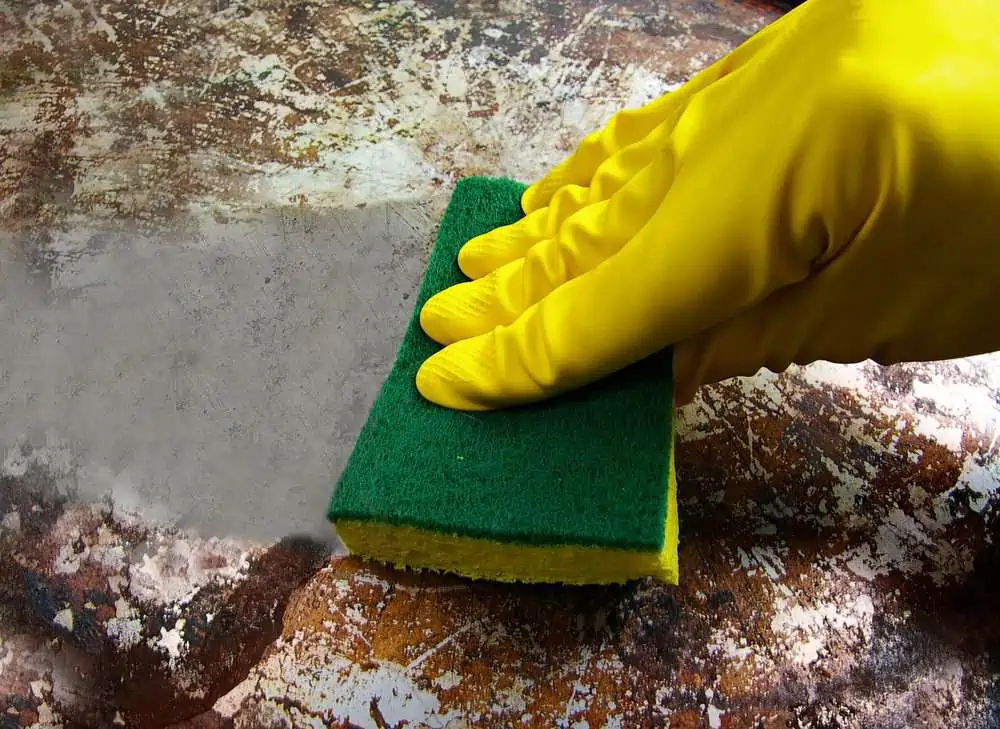
A scorched pot or frying pan can be cleaned with vinegar and baking soda. The two ingredients work together to remove the burnt food.
- Time: 20-30 minutes
- Difficulty: Beginner
What You’ll Need
- Distilled white vinegar
- Water
- Baking soda
- Sponge or scouring pad
- Clean and dry towel
1. Boil a Cleaning Solution
Fill the dirty pot or pan with a cleaning solution that consists of a 1:1 ratio of water and vinegar. Put the pot or pan on the stove and bring it to a boil.
2. Add Baking Soda and Soak
When the vinegar and water solution is boiling, add 2 tablespoons of baking soda. Remove the pan from the heat and allow it to soak for 10-15 minutes.
3. Scrub
Pour the liquid down the sink. Then use your sponge or scouring pad to scrub the burnt food off the pot.
Sometimes a few dirty spots will remain. Make a paste by combining 2 or 3 tablespoons of baking soda with just enough water to make a thick paste. Spread the paste on the spots and let it sit for a few minutes.
Scrub the pot until the spots are gone.
4. Wash and Dry
Wash the pot or pan in soapy water, rinse, and dry with a clean towel.
How to Clean a Burnt Pot Without Vinegar
Sometimes you may need to know how to clean a burnt pan without vinegar. This may be because you don’t have any vinegar available or simply because you loathe the smell. Any of these alternative methods will work.
With Dishwasher Tablets
Begin by rinsing your dirty pan with hot water. Then use a dishwasher tablet to scrub the pan under warm water. Keep scrubbing until the burnt-on food is removed.
Rinse the pan with warm water before drying it.
With Boiling Water
Fill your dirty skillet with a few inches of water or just enough water to cover the charred area. Bring the water to a boil. Keep it at a rolling boil for 5 – 7 minutes.
Remove the skillet from the heat and allow it to cool to room temperature. Pour the water down the sink.
Use a plastic spatula or a wooden spoon and scrape away as much of the large bits of food into the garbage can. Afterward, sprinkle the wet skillet with baking soda. You’ll need about 2 heaping tablespoons. Use a sponge or scouring pad to scrub the skillet until the burnt-on food has been removed.
Rinse the pan when it’s clean.
Quick Tip
You can use equal parts of vinegar and water instead of just water for the initial boil. It will help to deglaze the pan.
With Salt
Fill your pot with water and add about 3 tablespoons of salt. Bring this mixture to a boil to loosen the burnt-on food. As the water is heating, scrape the bottom and sides with a wooden spoon to help loosen the particles.
Turn off the heat. You can let your pot soak for several hours to make sure that the burnt-on bits are softened before pouring out the water.
Add more salt to the pan to scrub away the remaining food. When the pan is clean, wash it in warm soapy water. Then rinse and dry the pan.
With Boiled Lemons
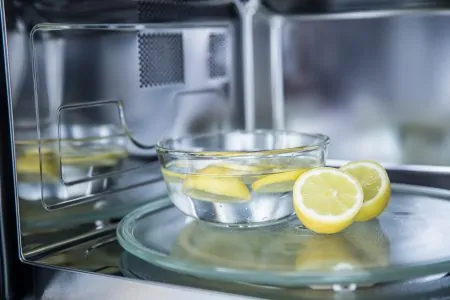
Use boiled lemons to clean your pot without baking soda or vinegar. Start by slicing 2 or 3 lemons. Arrange the slices in your burnt pot and add just enough water to cover the lemon slices.
Put the pan on medium-high heat and bring the water to a boil. Let it boil for 5-8 minutes before removing it from the heat. You’ll know it’s ready to scrub when you see bits of food floating to the surface.
Throw the lemons away and pour the water down the sink. Rinse the pot with hot water. Use a scouring pad to loosen and remove the stuck-on bits.
Quick Tip
You can substitute limes for the lemons.
With Aluminum Foil
You can use aluminum foil to remove burn marks and burnt-on food.
First, rinse the dirty pot with hot water and pour the water down the drain.
Next, sprinkle about 2 heaping tablespoons of baking soda all over the pot. Add a few teaspoons of hot water. You want just enough to make a thick paste.
Crumple a piece of aluminum foil into a ball about the size of a golf ball. Then scrub the pan until all the burnt food is removed and the pan is shiny. Wash with hot soapy water.
Rinse and dry your pot.
With Coke
Coca-Cola is extremely acidic making it a great cleanser to use for loosening burnt-on messes. Just simmer the coke in your pan and then scrape off the mess.
With Bar Keepers Friend
Bar Keepers Friend is great to use on many surfaces including your pots and pans.
Rinse your filthy pot with hot water and drain the water. Then make a paste by combining a few tablespoons of Bar Keepers Friend with some of the residual water in the pan.
Spread the paste all over so that your entire pan is covered. Let the paste sit for 1 minute and then quickly rinse the pan with hot water. Follow up by using a scouring pad to remove the burnt residue from the pan.
Repeat if necessary.
When finished, wash your pan in warm soapy water before rinsing and drying it.
With Hydrogen Peroxide
Consider using hydrogen peroxide when cleaning a burnt pot. Add about ½ inch of hydrogen peroxide and a few squirts of dish soap to your pot. Set your pot on the stove and turn the burner to high.
Let the mixture come to a rolling boil and wait until it turns foamy. Turn off the stove and let the pan sit for 10-15 minutes. Scrub the pan until the burnt food is removed.
Finish by washing the pot in warm soapy water. Rinse, dry, and put it away.
With Cream of Tartar
To clean a burnt pan with cream of tartar, first, make a paste using 3 parts cream of tartar and 1 part water. Slather this paste all over your pan. Let it sit overnight.
Scrub the pan clean in the morning.
With Dryer Sheets
Fill your burnt pan with a few inches of warm water and immerse a dryer sheet in the pan. Let it soak for at least 1 hour but you can leave it overnight as well.
After soaking, throw the dryer sheet away and drain the water. Use a sponge to scrub the pot until the burnt food particles have been removed. Make sure you wash the pan thoroughly to remove any residue left by the dryer sheet.
With Ketchup
Slather the crusty burnt residue with ketchup and let it sit for 30 minutes. Then scrub the residue away. Follow up with your normal dishwashing routine.
How to Clean a Burnt Stainless Steel Pot
If you have burn marks on your stainless steel pot, you’ll want to know how to clean a burnt stainless steel pan so that it shines.
- Time: 15-20 minutes
- Difficulty: Beginner
What You’ll Need
- Baking soda
- Dish soap
- Aluminum foil
- Clean drying towel
1. Make a paste
Mix 2 or 3 tablespoons of baking soda with just enough dish soap to make a paste.
2. Apply to Pot and Wait
Slather this paste onto the burnt areas of your pan. Let it sit for several hours.
3. Wash and Dry
Scrub your pan before washing it thoroughly. Dry the pan with a clean drying towel and make sure that it’s thoroughly dry. Inspect the pan.
If your pan is clean, put it away. If not, move on to the next step.
4. Scrub with Aluminum
Sprinkle baking soda all over your stainless steel pot. Add just enough water to make a paste. Crumple a piece of aluminum into a ball and scrub away at the stuck-on residue and burn marks on the pot.
5. Wash and Dry
Wash the pot in hot soapy water to rinse away any remaining debris. Rinse and dry.
Cleaning Other Types of Pots
When cleaning a pot with burned food and grease on it, you will need to know how to properly clean your specific type of pan. This way you won’t accidentally damage the pan.
Non-Stick Pans
You will need to avoid abrasive cleaners and sponges that will damage the finish of a non-stick pan. Instead, fill the pan with water and add a generous amount of baking soda to the water.
Bring the water to a boil and let it simmer for 10-15 minutes. This will loosen the baked-on gunk so you can scrape it away with a plastic or wooden spoon.
Ceramic Pans
Ceramic pans need to be hand-washed in warm soapy water. Rinse them well and dry them with a soft cloth.
If you need to get burnt food off the pot, let the pan soak in warm soapy water for at least 30 minutes. Then sprinkle baking soda onto a damp sponge. Scrub away at the bits of food that remain on the pan until they’re removed.
Rinse and dry the pan.
Cast Iron Skillets
Cast iron skillets should also be washed in warm, soapy water. Rinse them and make sure you dry the skillet with a soft cloth. Never leave water in your skillet or allow it to soak as the exposure to water will cause your skillet to rust.
Remove burnt-on food with baking soda. Sprinkle the baking soda all over the bottom of your skillet and then scrub it with a scouring pad. Rinse the skillet and repeat if needed.
Copper Pans
Clean your copper pans with dish soap and warm water. Use a soft sponge to remove any stuck food particles. You will need to avoid abrasive and acidic products as they will scratch, remove, or damage the patina on the copper.
How to Prevent a Pan From Burning
There are a few ways you can prevent a pan from burning in the first place or getting food stuck to it.
- Use high-quality pots and pans that are made from heavy material as they heat evenly and are less likely to burn your food.
- Use pots and pans with nonstick coatings. This prevents food from sticking to the pans.
- Preheat oil in the pan before adding food.
- Use the correct burner size for your pot or pan.
FAQs

Can a Burnt Pot Still be Used?
Yes, a burnt pot can still be used. You can use several methods to clean the pot and remove burnt food.

Does Vinegar Damage Stainless Steel?
If vinegar is left in contact with the stainless steel for too long it will corrode the metal.

How Do You Restore Discolored Stainless Steel Cookware?
Restore your discolored stainless steel cookware by scrubbing diluted white vinegar into the bottom of the pot. The acid in the vinegar will break down the discoloration. Then rinse the pot thoroughly.

Is Black Residue on Stainless Steel Harmful?
No, the black residue on the stainless steel is not harmful.

How Do You Get Burnt Food Off of Porcelain Pots?
The best way to get burnt food from porcelain pots is to fill the sink with soapy water and leave the pan to soak for an hour. If burnt food is still visible after scrubbing, soak a dishcloth in white vinegar and leave it on top of the stain for another hour.

When Should You Throw Away Stainless Steel Pans?
You should throw away stainless steel pans if you see them discolor, warp, or if they are heavily scratched.
How to Get Burnt Food Off of a Pot
If you discover that your favorite pot has scorched and burnt-on food, you can use a dishwasher tablet to clean it. Put the pot into the sink under warm running water. Scrub the pot with the tablet until the burnt food is removed. Rinse the pot thoroughly, dry it, and put it away.