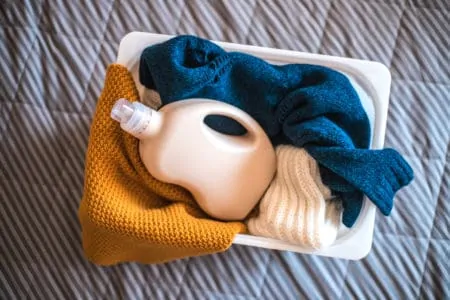
If you are the proud new owner of a wool sweater, chances are you’re a bit nervous to wash it. There’s the fear of shrinking it, stretching it, fading it and just downright ruining it.
With our top tips and guide on how to wash wool sweaters, you’ll get fresh, clean, soft garments.
Key Takeaways
- Hand wash wool sweaters with cool water and specialized wool detergent for 30 minutes.
- Machine wash wool sweaters using a mesh laundry bag, wool detergent, and a delicate cycle with cold water.
- Dry wool sweaters by gently pressing out excess water and laying flat to dry, avoiding direct sunlight and radiators.
- Wool garments can be washed at home; always check the care label and use proper wool detergent.
Why Does Wool Shrink in the Wash?
When cleaning wool sweaters in the past, you might have found them to shrink in the wash. Why does this happen?
Wool is made of protein. Because of the compact structure of wool fibers, the wool cuticles latch onto the other things, such as other wool fibers. So during the washing cycle, the fabric gets matted together and creates shrinkage (1).
Ultimately, the fibers aren’t technically shrinking. Instead, they’re stuck to other fibers that pull the whole garment tighter together (2). Then it becomes difficult, or impossible, to return the wool sweater back to its original shape.
How Do You Keep Wool From Shrinking?
Follow our advice. Overall though, the top tips would be to wash wool in cold water, on a gentle cycle, with a special laundry detergent designed for wool garments.
How to Machine Wash Wool Sweaters
What You Need
- A mesh laundry bag.
- A wool laundry detergent.
Instructions
- Check the care label: Check the garment’s care label. If it allows for the wool to be washed in the machine, you’re good to go. If not, skip to our “how to hand wash wool sweaters” section instead.
- Place in a bag: Put the wool sweater in a laundry bag. This helps to protect the garment during the cycle.
- Place in the drum: Put the wool garments in the drum. We recommend keeping the load light when washing wool. The more garments that are in there, the more agitated the wool jumpers become which can cause shrinkage.
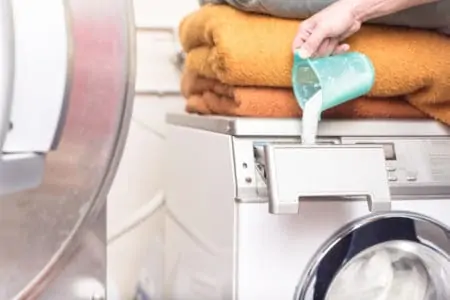
- Add detergent: Add your special wool laundry detergent to the dispenser or the drum, depending on your washing machine type.
- Set the cycle: Set it to a “wool”, “delicate” or “hand wash” cycle. Use cold water.
- Start: Start the cycle.
How to Hand Wash Wool Sweaters
What You Need
- A basin, sink or bath.
- A wool detergent.
- Rubber gloves (optional).
Instructions
- Check the care label: Always check the care label before washing clothes. If it says not to put it in a washing machine, then definitely use this method.
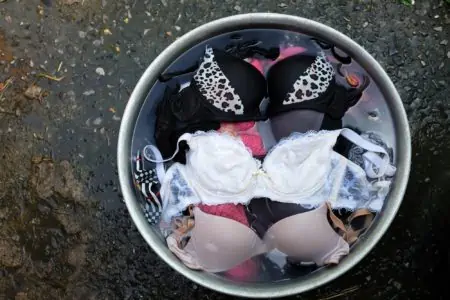
- Fill the basin: Fill your basin, sink or bath with clean, cool water.
- Add detergent: Add the recommended amount of detergent (about two spoonfuls) to the water. Mix thoroughly.
- Add the garments: Add the garments to the water and soak for 30 minutes.
- Drain the water: Remove the garments and drain the water. Refill it with cool water.
- Press the sweater: In the cool water, gently press the wool jumper to release dirt and soap. Never wring or twist the garment.
- Drain excess water: Drain the water from the basin, sink or tub. Then gently press the wool garment against the side of the tub to drain the excess water.
How to Dry Wool Sweaters
When drying wool sweaters, there are some things you should never do:
- Never put it in the dryer — unless the garment care label states that this is okay. The agitation and heat of a dryer can cause the wool sweater to shrink.
- Never wring or twist the sweater. Even if it’s heavy with water, do not wring or twist it. Gently press it against the side of your tub to drain the water away.
- Never dry in direct sunlight. This can increase the chances of color damage and shrinkage.
- Never fold the clothes over a radiator. The section of the garment that is folded will dry quicker which can also result in color damage and shrinkage.
Instructions
When drying wool, follow these handy tips which will provide the best care for your clothes.
- Place the wool garment on a clean, white towel.
- Roll the towel from the bottom up, rolling the wool sweater as you go. This helps to remove excess water.
- Lay it flat to dry. You can use a drying rack or just a toweled surface to do this. Keeping it in its original shape helps to maintain the presence of your wool garment.
FAQs
How Often Should You Wash a Wool Sweater?
Definitely wash your wool sweaters when they smell bad, are dirty or dingy. But other than that, we recommend washing them a few times per season, depending on how often you wear them.
Wool actually keeps itself clean. It uses moisture control to get rid of odors; it resists stains fairly well; it doesn’t wrinkle much. So when it comes to cleaning wool sweaters, it’s not a chore you need to do that often.
Can I Put a Wool Sweater in a Washing Machine?
If the care label allows for it and you follow our tips, sure! Always use cold water, a gentle cycle and, of course, a wool detergent.
Can I Use Shampoo to Wash Wool?
You can use shampoo when washing wool. Since wool is a type of hair, this works pretty well. However, we recommend making sure you’re using a mild shampoo, preferably without sulfates.
To use shampoo instead of detergent, follow the same steps as above but use one tablespoon of shampoo in place of detergent.
Always Test First

Is Woolite Bad for Wool?
Woolite is a brand of laundry detergent that was specially formulated for wool garments. Rumors have been circulating for a while that it’s actually too harsh to use on wool. It’s down to personal preference, but the bottom line is: the rumors aren’t true.
The PH level of Woolite, as well as many other delicate detergents, is seven (3). So it’s totally okay to use on wool and other delicate garments.

How to Hand Wash a Dry Clean Only Wool Sweater
There’s really no need to take your wool sweaters to the dry cleaner, even if the care labels says “dry clean only.” In fact, the solvents from the dry cleaning solution can wear down your wool garments and ruin them (4).
To handwash these garments, use our instructions above. But instead of soaking for 30 minutes, we recommend soaking for 15 minutes. Also, if you have stains, you can use your fingers to rub the soiled area while it’s saturated with soap and water to work the stain out.

Why Does Wool Smell After Washing?
Your wool smells after washing for two reasons: natural wool odors that vanish as the garment dries, or there is trapped bacteria inside the fibers. Use an enzyme-based detergent to remove this bacteria to leave your clothes smelling fresh.
It’s Easy
If someone has pulled the wool over your eyes and made you believe you can’t wash your wool sweaters at home, they were wrong.
With our tips for hand washing and machine cleaning wool, you’ll have your lovely soft wool sweaters back in no time. Always make sure to check the garment care label and use a special wool detergent.