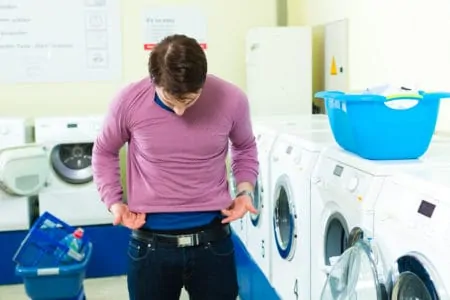
It’s a nightmare when you wash your favorite clothes only to accidentally shrink them! It’s even worse if you do it to somebody else in the house.
To avoid their wrath, we’ll teach you how to unshrink clothes. While there is no 100 percent guarantee they’ll look the same as before, these methods are very popular amongst the experts.
Key Takeaways
- Unshrinking clothes involves soaking the garment in lukewarm water with baby shampoo or conditioner, then stretching and air drying it.
- Clothes shrink due to a combination of water and heat, with heat being the main culprit.
- Different materials, like cotton, rayon, and wool, require different methods for unshrinking, so always check the garment’s care label.
- To prevent clothes from shrinking, wash them in cold water and follow the care instructions on the label.
What Causes Clothes to Shrink?
First, it’s most common for natural fibers, like cotton, wool and linen, to shrink (1). Such fabrics are made from thousands of tiny units that are all chained together. These clothes love water — notice how they take a lot longer to dry than synthetic materials.
When these clothes go in the washing machine, they absorb a lot of water. Then when they go in the dryer, they usually go back to their normal size. But if dried for too long, at too high a heat, the fibers start to draw closer together. The tumbling then causes the fibers to constrict, which makes it even worse.
So the answer to the question: a mixture of water and heat. But heat is the real bad guy here.
Does Cold Water Shrink Clothes?
Cold water is best for washing clothes that might shrink. It’s very unlikely that your clothes will shrink in cold water. However, they can actually shrink a little in tepid water, so be careful when choosing your wash temperature.
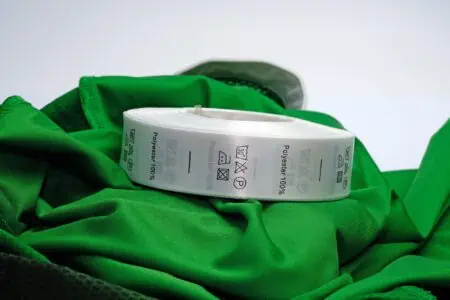
The best way to avoid shrinking clothes is to carefully follow the instructions on the garment’s care label.
How to Unshrink Clothes
There are many different ways to unshrink clothes, but we’re going to walk through the best method for cotton clothes, rayon, wool and finally, jeans.
Cotton and Rayon Clothing
If you shrink a cotton item, don’t fret. Cotton is one of the easiest fabrics to unshrink.
What You Need
- Baby shampoo or hair conditioner.
- A towel.
- Sink or a bowl.
Instructions
- Put the cotton item into the sink or bowl.
- Fill the sink or bowl with lukewarm water.
- Add two tablespoons of baby shampoo or hair conditioner.
- Soak the item for 30 minutes.
- Rinse the garment, removing all soapy residue.
- Place the item flat on a towel. Roll up the towel to remove excess water.
- Lay the garment flat to dry. Use heavy objects like books or jars to pin the edges into place. This lets it dry in its original shape and size.
- Let it air dry completely.
Wool Clothing
Wool is super absorbent, which makes it really easy to shrink. But hey, this method will help to unshrink your favorite cozy wool sweaters.
What You Need
- Sink or basin.
- Borax or white wine vinegar.
- Towels.
- Rubber gloves.
Borax and white wine vinegar relax fibers to make it easier to unshrink your wool clothing.
Instructions
- Fill a sink or basin with lukewarm water.
- If using Borax, add in one tablespoon, or two if the item has extremely shrunk. If using vinegar, add one part vinegar for every two parts water.
- Submerge the wool garment in the water and let it soak for 25 minutes.
- Wearing rubber gloves, start by stretching the fabric out gently while it’s still underwater.
- Let it soak for a further five minutes.
- Take the garment from the water and roll it into a ball. Gently squeeze it to remove all excess water.
- Don’t rinse the garment. You want the Borax or vinegar to remain in the fibers to continue relaxing the garment.
- Stuff the garment with absorbent towels, stretching the fabric out to its original size. Lay it flat to dry. The towels will also help speed up the drying time by absorbing excess water.
- Let the garment air dry. Check on it every 15 minutes and make adjustments to its size if necessary. Pull it taut where it’s still a bit shrunken.
- Once it’s dry, hand wash in cold water with wool detergent.
- Repeat this process until the wool sweater is back to its original size.
Keep In Mind
Jeans
If your jeans are a little snug after the recent wash, try this method. Just note: it’s a little uncomfortable.
What You Need
- A bathtub.
- Spray bottle (optional).
- Sink or basin (optional).
Instructions
- Fill a bathtub ⅓ full with lukewarm water.
- Put on your jeans. This will help them to start stretching out.
- Step into the bathtub, wearing the jeans and submerge them fully under the water. Uncomfortable, we know, but it’s the best way to unshrink your jeans.
- Sit back and relax for 15 minutes.
- Remove the jeans and stretch them out by hand. Let them air dry flat.
If you don’t have a bathtub, follow these instructions:
- Fill up a sink or basin with warm water. If you only need to stretch out a few specific areas, fill up a spray bottle with warm water.
- Soak the jeans in the sink or basin for 15 minutes. Otherwise, spray the affected areas with warm water.
- After 15 minutes, put the jeans on. If they’re soaking wet, it will be uncomfortable, but this will help them find their original shape.
- Wear them for about an hour, before air drying the rest of the way.
FAQs

Why Are My Clothes Shrinking in the Dryer?
Heat and tumbling can cause natural fibers to compress together and appear as though the garment has shrunk. Always read the care label on your clothes to see if it’s suitable for the dryer. Many garments, such as wool and cashmere, shouldn’t ever go in the dryer. Instead, use a clothes rack or clothesline to dry these garments.
Does Ironing Unshrink Clothes?
Ironing won’t unshrink clothes, but the steam from an iron can help. After you’ve soaked the clothes and laid them flat to dry, they might appear a little stiff. This can make it hard to stretch the fabric out to its original size.
This is where your steam iron comes in handy. Emit steam over the garment to relax the fibers. Pull the garment as you go, moving it back to its original size. Pin the edges down with heavy objects so it dries in its correct size.
How Do I Unshrink a Hoodie?
It depends what the hoodie is made from. Most hoodies will be cotton, so if that’s the case, use our “How to Unshrink Cotton and Rayon Clothing” method from above.
When you lay your hoodie flat to dry, make sure to pull the hood back to its original size, too. You can use another hoodie for a size reference to make sure this hoodie is going to dry at your preferred size.

Can Clothes Shrink More Than Once?
Clothes can shrink more than once, especially cotton shirts. They may shrink significantly on the first clean and then by small amounts on the subsequent two or three washes.

How Many Sizes Will a Cotton Shirt Shrink?
A cotton shirt can shrink one full size on the first wash cycle and then in small increments in subsequent washes.

Does Air Drying Stretch Clothes?
Air drying doesn’t stretch clothes. It will be heavier while the garment is wet, but as it dries, it returns to its original size. Air drying is better for the environment and far safer for your clothes because it doesn’t suffer the same wear and tear inside the dryer.
A New Skill
Learning how to unshrink clothes is definitely a handy new skill to have. Although the best way to avoid shrunken clothes is to prevent it in the first place (by always reading the care label), now you don’t need to panic.
If you do shrink clothes, you can use our wonderful methods to revive your clothes and bring them back to their original size.