Weighted blankets are amazing. They’re soft, cozy, and help you sleep better at night. However, they also need to be cleaned. So how do you clean a weighted blanket without damaging the fabric or the filler?
That’s what we’re discussing today: How to clean a weighted blanket so you can enjoy a fresh blanket without worrying about destroying the filler.
Key Takeaways
- Wash weighted blankets using cool water, gentle cycle, and mild detergent without fabric softener or bleach.
- Dry the blanket in a dryer on a low setting or air dry using a clothes drying rack or clothesline.
- Check the care tag on your weighted blanket for specific washing instructions and weight limitations.
- For blankets with fillers like plastic poly beads, use cold water to prevent melting.
How to Machine Wash a Weighted Blanket
Some weighted blankets can be machine washed provided the blanket is under 20 pounds in weight. Check the care tag on your weighted blanket as well as the owners guide for your washing machine. A polyester plush fabric will likely have different care instructions from a weighted Sherpa comforter.
If your blanket is too heavy for your machine, you can take it to a commercial laundromat to wash it.
- Time: 2-3 Hours
- Difficulty: Beginner
What You’ll Need
- Washing Machine
- Dryer or Clothes Drying Rack
- Stain Remover
- Bleach-free, Gentle Laundry Detergent
1. Remove Stains
First, you will want to use the stain remover to remove any stains from your weighted blanket. Do this by spraying the stained area with the stain remover. Then wait 15 minutes before washing the blanket.
2. Wash the Weighted Blanket
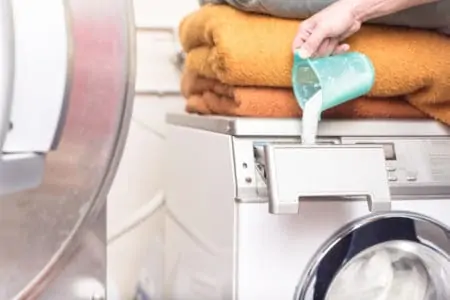
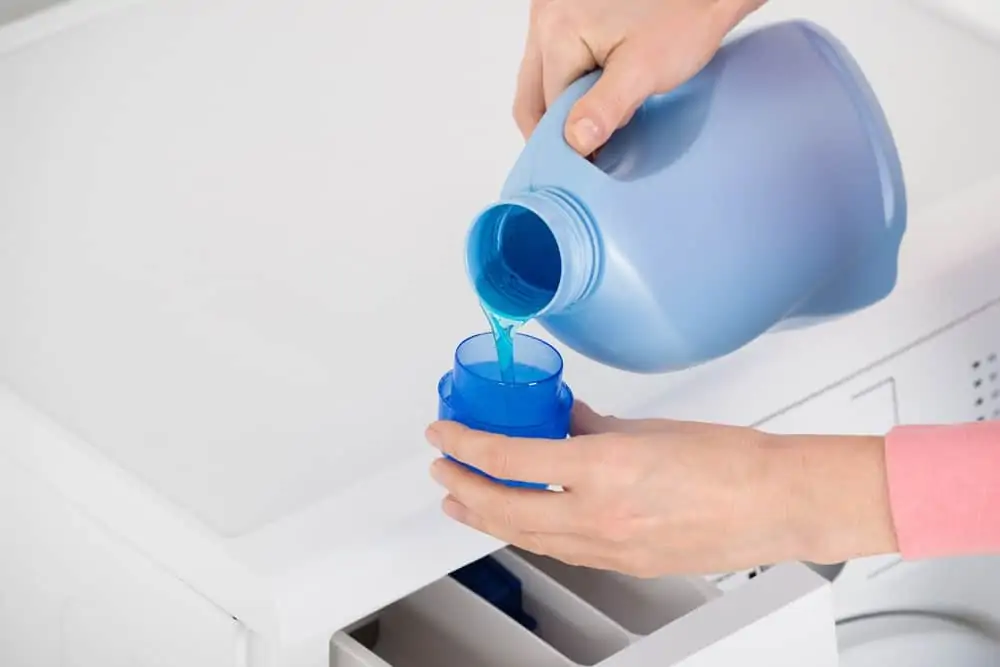
Your first task is to pour the recommended amount of laundry detergent into the washing machine’s detergent tray. Next, put your weighted blanket into your washing machine. Do not add any other clothing or blankets to the machine as the weighted blanket needs to be washed by itself.
Wash your blanket on the gentle cycle with cool or warm water. Do not use hot water as that may cause the fillers to become heated. Poly pellets will melt in hot water.
3. Dry the Weighted Blanket
After the washing cycle is finished, immediately remove the weighted blanket from the machine. If your blanket can handle some heat, you can use the dryer to dry the blanket using the low setting.
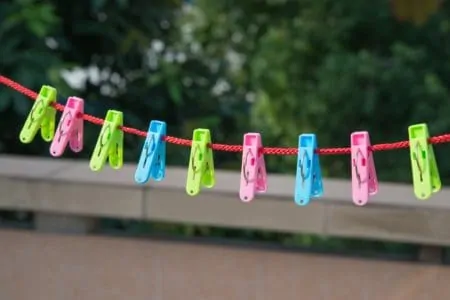
Usually, it’s best to air dry the weighted blanket using a clothes drying rack or a clothesline. Hang the blanket over the rack as evenly as possible. Then periodically redistribute the blanket to ensure that it dries evenly.
Weighted Blanket Care Guidelines
Weighted blankets have different care guidelines. These depend on the type of fabric that your blanket is made of such as, plush or polyester, and what type of filler is used to fill the blanket to add the weight. Be sure to check your blanket’s care guidelines before you wash it.
Machine Wash and Dry
If the care guidelines state that you can machine wash and tumble dry your blanket, you can do that. Use a bleach-free and gentle laundry detergent to wash your blanket and make sure to use the gentle cycle with cool or warm water.
After the blanket is washed, put it in the dryer immediately using low heat. Periodically check your blanket and fluff it until it’s dry.
Machine Wash, Air Dry
To machine wash and air dry your blanket, use a bleach-free and gentle laundry detergent to clean your blanket. Put the washing machine on a gentle cycle with cool or warm water.
After the blanket is washed, you will need to hang the blanket up to air dry. Use a clothesline or clothes drying rack and hang the blanket evenly. Shake it periodically to help it fluff.
Machine Wash, Cover Only
This means that your weighted blanket has a removable cover. To clean your blanket, remove the cover and wash it following the directions on the care label. Usually, you will be able to wash it in a normal cycle using cool or warm water. Dry the cover by hanging it on a clothesline or draping it over a drying rack for clothing. Alternatively, if the instructions say that you can use a dryer, you can do that using a low heat setting.
Spot Clean or Dry Clean Only
Use a stain remover or soap and water to gently remove stains. Spray the area and use a brush to remove the stain. Gently rinse the area and let it air dry.
If the blanket says to dry clean only, take the blanket to a professional dry cleaner to be cleaned. You can also purchase an at-home dry cleaning kit to clean it.
How to Hand Wash a Weighted Blanket
Not all weighted blankets can be washed in a machine, for these hand washing is required. Just be aware that a soaked blanket is heavy, and a blanket filled with beads will be even heavier. If you have a large, heavy blanket it may be helpful to have a helper on hand to help you hang the blanket up to dry when you’re finished.
- Time: 45-60 minutes
- Difficulty: Intermediate
What You’ll Need:
- Large tub such as a bathtub
- Stain remover
- Laundry detergent
- Clothes drying rack
1. Pretreat Stains
Check your weighted blanket for any stains or spots. Spray some stain remover on the area and then let it sit for 15 minutes before washing the blanket.
2. Fill Tub
The first step is to fill the tub with cool or lukewarm water. You’ll be putting your hands into the water, so icy cold water is not recommended.
3. Pour in Laundry Detergent
Now pour in the amount of laundry detergent recommended on the container. Mix the detergent into the water until it’s dissolved and evenly distributed.
4. Place Weighted Blanket in Tub
Now put your weighted blanket into the tub. Push it down into the water until it’s completely soaked.

5. Rub Blanket
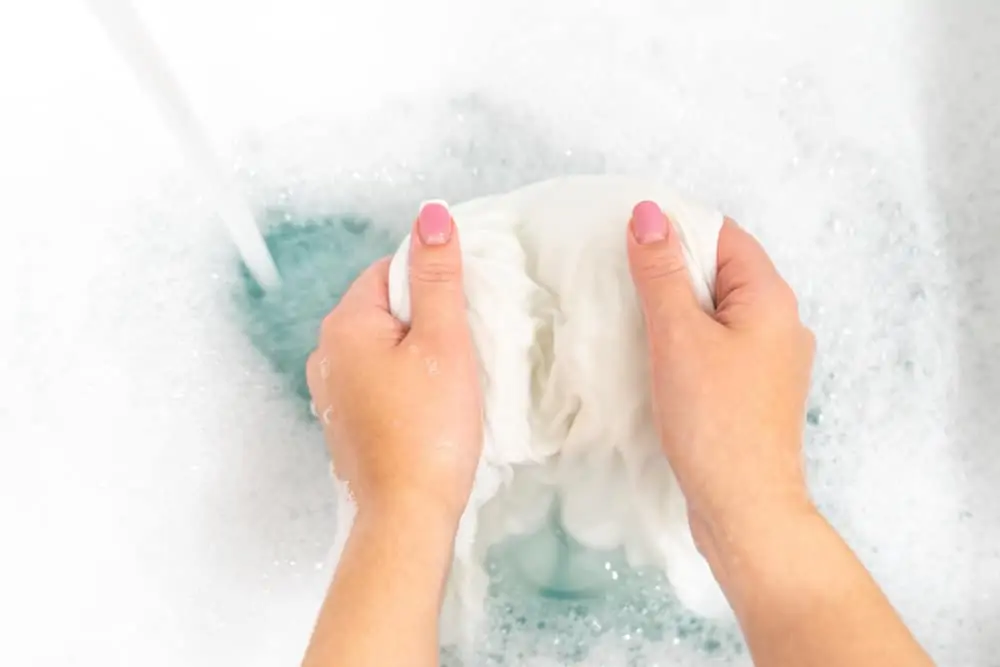
To wash the blanket you will need to rub the blanket’s fabric against itself. This provides the gentle agitation needed to properly clean your blanket. Make sure that you’ve washed the entire blanket before you move on to the next step.
Next, let the blanket soak for 15 minutes before washing the blanket a second time. This will help remove any dirt that’s still on the blanket.
6. Replace Soapy Water with Fresh
After kneading the blanket, drain the soapy water from the tub and refill the tub with fresh water. Rinse the blanket well by lifting sections up and down in the freshwater. Again, you will need to rub the fabric against itself.
The goal is to remove all the soap from your blanket as you rinse it. If needed, you can hold parts of the blanket under running water until the water runs clear.
7. Drain Water and Roll Blanket
Now drain all the water from the tub. The blanket will be extra heavy now as it is soaking wet. The best way to remove the extra water from the blanket is by rolling it against the side of the tub. Remove as much water as you can this way.
8. Hang Blanket to Dry
Hang the blanket up to dry. If possible, hang the blanket outside in the sun. If that’s not possible, find a well-ventilated structure to hang it over. You can even hang it over the tub if you have a drying rack for clothing there.
Be aware that the blanket will drip water for a time after it is hung.
Pro Tips
- Do not wring your blanket to remove excess water. The fabric may tear.
- Use dish soap with a degreaser to remove any greasy stains from your blanket.
- Urine can be removed by simply using soap and water.
FAQs

How Often Should You Wash Weighted Blankets?
How often you should wash a weighted blanket depends on how close the weighted blanket is to your skin. If you have a cover over the weighted blanket, the cover will be washed often but the actual blanket will only need to be washed 3 or 4 times a year. However, if you sleep with the weighted blanket and it doesn’t have a cover, then you will need to wash it every few weeks.

How To Clean A Weighted Blanket With Glass Beads?
You can wash the weighted blanket in the washing machine using warm water as the glass beads won’t melt. Just make sure that the material used for the blanket is also machine washable. Do not wash the blanket in hot water.

How To Clean A Weighted Blanket With Plastic Poly Beads?
Plastic poly beads will melt in hot water, so ensure that you use cold water to wash the blanket. If the material is machine washable you can put them into the washing machine and hang the blanket out evenly to dry.

How Do You Get Cat Pee Out of a Weighted Blanket?
The best way to get cat pee out of a weighted blanket is to mix one ounce of detergent with one ounce of white vinegar and dab the stain. Let the blanket sit for 15 minutes and repeat if necessary.

Can You Steam Clean a Weighted Blanket?
You can steam clean a weighted blanket, but only to freshen it between washes. It prolongs the life of the blanket and reduces dirt, meaning you can go longer without washing it.

Can Weighted Blankets Be Dry Cleaned?
Some weighted blankets can be dry cleaned, but before you drop them off at the counter of your favorite dry cleaners, check the label first. Always follow the manufacturer’s cleaning guidelines.
In Summary
To wash a weighted blanket in the washing machine, you will need to use cool water and a gentle setting with a mild detergent. Do not use fabric softener or bleach. When the blanket is finished washing, put it in the dryer on a low setting. You’ll need to stop the dryer periodically to fluff your blanket while it’s drying.