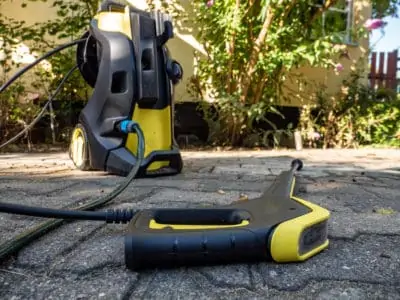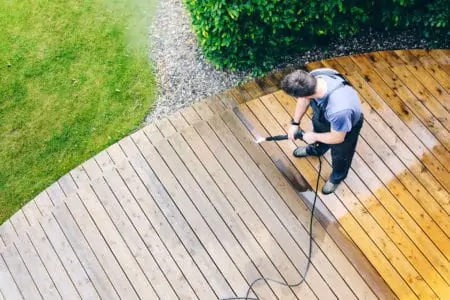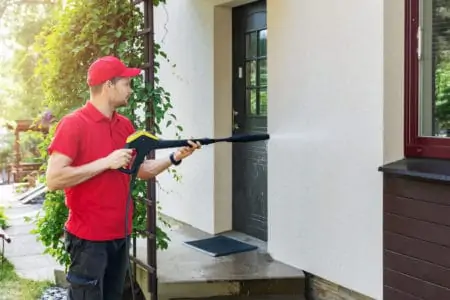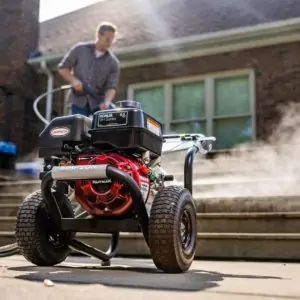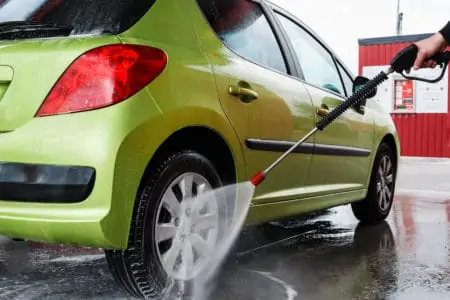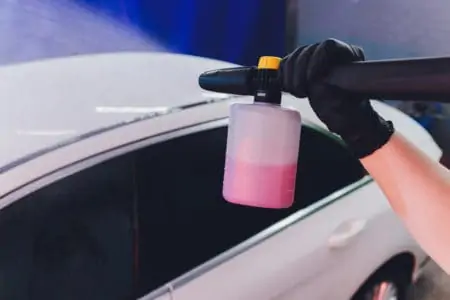
While washing purely with water can do the job, adding detergent to your pressure washer is better. It allows more thorough removal of stains, dirt, and other buildup. You can use less pressure from the machine and, therefore, minimize the risk of damage.
With so many detergents on the market, it can be hard to know which one to choose. But we’ve narrowed it down to the 10 best pressure washer detergents depending on the task at hand. This list is backed by expert advice, genuine customer reviews, and hours of research into various products.
So sit back, relax, and read all about these amazing soaps!
- Watermelon or honeydew scent
- Advanced foaming technology
- Scratch-free washing
- High gloss finish
- High sud formula
- pH balanced formula protects vehicles
- Works on a range of surfaces
- Professional grade solution
- Removes unsightly stains
- Highly concentrated
- Suitable for various surfaces
- Thick & biodegradable formula
- 3 awesome scent options
- Fast-foaming formula
- For multiple vehicle types
- Biodegradable formula
- For indoor & outdoor stains
- USDA-approved
- Safe and non-toxic formula
- Cleans huge range of surfaces
- For pressure washer or by hand
- No harsh chemicals
- Cleans up to 6,400 square feet
- Removes mold & mildew stains
- Safe for outdoor use
- Versatile product
- Removes tough stains
- Removes all kinds of stains
- Works on low-pressure washer settings
- One bottle cleans up to 2,000 sq ft
Review Methodology: At Oh So Spotless, we understand the importance of providing an in-depth analysis and assessment of the best pressure washer detergents available on the market. Our team of professionals has hands-on experience and expertise in evaluating and comparing these products based on key decision-making factors such as cleaning performance, effectiveness, safety, and environmental impact. We have conducted extensive research, gathered data, and tracked product performance to rank and review the top detergents, ensuring that our findings and recommendations are based on factual evidence. Our benchmark criteria take into account the detergent’s design choices, user experience, and the results they deliver. By sharing our comprehensive evaluation, we aim to help you make an informed decision when choosing the ideal pressure washer detergent to suit your needs.
The Best Pressure Washer Detergents of 2024
Ready to deep clean your chosen surface? We compiled this guide by researching real customer reviews, expert advice and applying our insight. We looked at each product’s purpose, performance, ingredients, and scent to ensure you’ll find something for your specific needs.
Here are the 10 best pressure washer detergents.
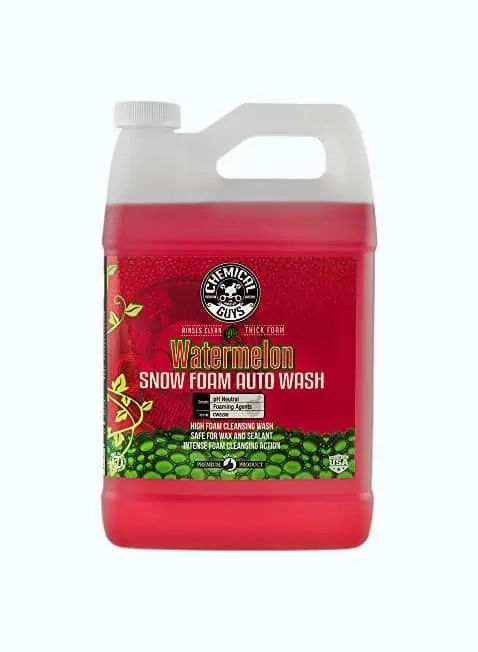
Chemical Guys Watermelon Snow Foam Cleanser
Best Scented Detergent for Vehicles
Looking for a lovely scented option specifically for vehicles? Then look no further than this watermelon snow foam cleaner from Chemical Guys. It’s also available in honeydew fragrance if you prefer.
This is a high foam cleansing wash, so it’s amazing for deep cleaning your car while still being safe on wax and sealant.
It eliminates dirt, grime, and other contaminants with its huge amount of sudsing foam. It is a pH-neutral formula, so it’s safe for weekly washing and will not cause any damage to your car.
It’s safe on all vehicles, whether the surface is paint, rubber, vinyl, glass, or plastic. This includes cars, trucks, SUVs, off-road vehicles, and much more.
Join thousands of happy customers as you enjoy this authentically scented car cleaner!
Pros
- Watermelon or honeydew scent.
- Advanced foaming technology removes more dirt.
- Scratch-free washing.
- Suitable for weekly cleaning.
- Works on all colors of vehicle paint.
- Works in a bucket, foam gun, or cannon.
Cons
- It may leave residue, especially if rinsing with hard water.
- Some customers reported the car felt sticky afterward.
Product Specs
| Multipurpose | Yes; it works in a foam gun, cannon, or pressure washer |
| Performance | Cleans vehicles |
| Eco-friendly | No |
| Scent | Watermelon or honeydew |
| Quantity | One gallon |
Our Ratings
User Experience
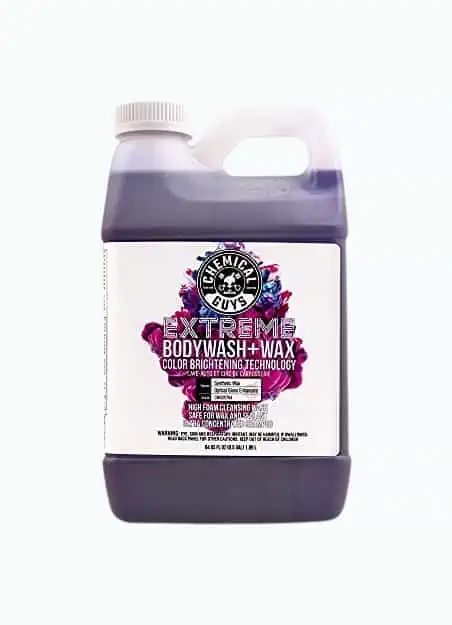
Chemical Guys Extreme Bodywash & Wax Car Soap
Best Wax Detergent
This car cleaner has synthetic wax, which gives your car extra protection every time you wash it. The formula is pH balanced, so it won’t strip wax or sealant coatings. You can wash your car with confidence.
It’s slick and scratch-free, too, so your beloved car can stay in tip-top condition.
Not only does this clean your car, but it actually enhances a beautiful shine. Whether your car is black, white, grey, or purple — it’s designed to work on every paint color.
The formula uses two different waxes to do this. Carnauba wax shields the car from harsh UV solar rays. It’s then mixed with a synthetic wax for durability. Both of these together strengthen your car’s existing wax or sealant coat to give it that freshly waxed look.
Get out your pressure washer to use this product, or use it in a foam gun or cannon! This ensures it’s versatile in case your pressure washer is out of the game one day.
Pros
- High gloss finish.
- High sud formula for a deep clean.
- pH-balanced formula to protect your car.
- Slick and scratch-free.
- Works in a pressure washer, foam gun, bucket, or cannon.
- Highly concentrated, so a little goes a long way.
Cons
- It doesn’t cut through dirt without scrubbing.
- The soap leaks out of the bottle easily.
Product Specs
| Multipurpose | Yes, it works in a foam gun, cannon, or pressure washer |
| Performance | Cleans and waxes car |
| Eco-friendly | No |
| Scent | Not specified |
| Quantity | ½ gallon |
Our Ratings
Personal Perspective
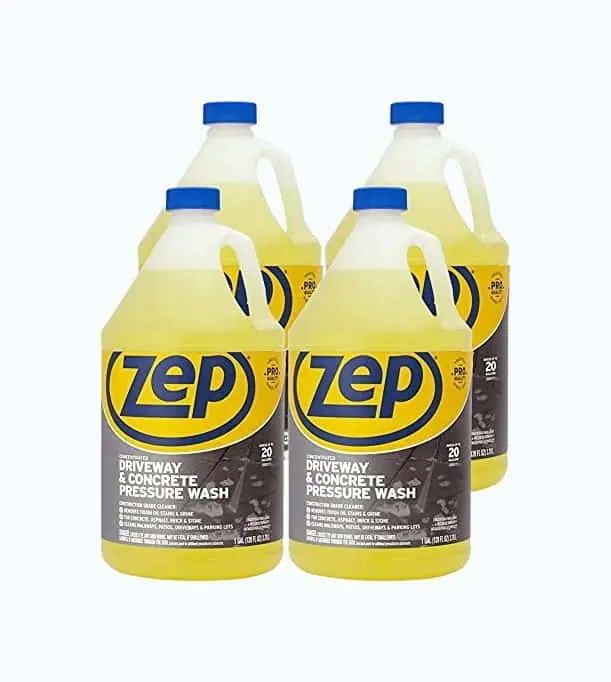
Zep Driveway and Concrete Pressure Wash Cleaner
Best for Concrete
Concrete is subject to much foot and car traffic. So it’s important to choose a detergent specifically for cleaning concrete, such as this Zep cleaner.
This is designed specifically for concrete and driveways by targeting tough oil and grease stains. You can also use it on asphalt, brick, stone, patios, and car parks, making it a versatile choice!
This is a professional-grade solution, so you can rest assured that it will remove unsightly stains. You can expect your driveway and concrete surfaces to have a new lease on life!
This comes as a pack of four, equating to 3.2 gallons, so you’re getting a lot of bang for your buck.
Warning
Pros
- Versatile choice, as it works on a range of surfaces.
- Professional grade solution.
- It will remove unsightly stains.
- Works in pressure washers or via manual application.
- Cleans, brightens, and restores surface appearance.
Cons
- It’s not safe for bodies of water.
- Not suitable for wood, painted, or sealed surfaces.
Product Specs
| Multipurpose | Yes |
| Performance | Removes grease and oil stains |
| Eco-friendly | Partly |
| Scent | Not specified |
| Quantity | 3.2 gallons |
Our Ratings
Community Feedback
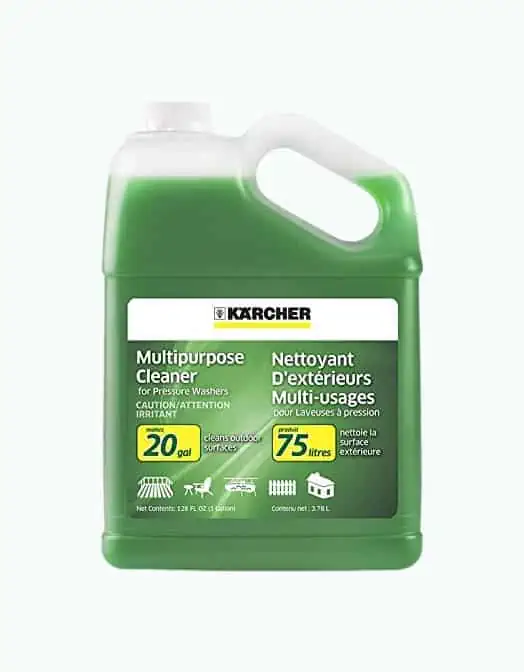
Karcher Multi-Purpose Pressure Washer Soap
Best Biodegradable Detergent
This detergent isn’t only multipurpose — it’s biodegradable. This is a huge factor for many people, as being kind to the environment is essential!
The Karcher multipurpose soap is safe for use around landscapes and bodies of water. When it runs down into the drains, it will naturally biodegrade rather than contaminate the ecosystem.
Customers love that it creates a thick foam, too. This contributes to more effective cleaning and helps you to see where you’ve already cleaned.
This is suitable for a range of surfaces. Clean your decks, driveways, sidewalks, stone siding, and brick siding.
You can also clean garden tools, lawnmowers, and patio furniture. Check the manufacturer’s guide for any queries about specific surfaces.
Pros
- Highly concentrated; one gallon makes up to 20 gallons of soap.
- Suitable for a range of surfaces.
- Thick sudsing formula.
- Biodegradable formula.
- You can also clean power tools and patio furniture.
Cons
- Not all customers were impressed by its cleaning power.
- Doesn’t work on mold or mildew.
Product Specs
| Multipurpose | Yes |
| Performance | General cleaning |
| Eco-friendly | Yes |
| Scent | It’s scented, but the scent isn’t specified |
| Quantity | One gallon |
Our Ratings
First-Hand Impression
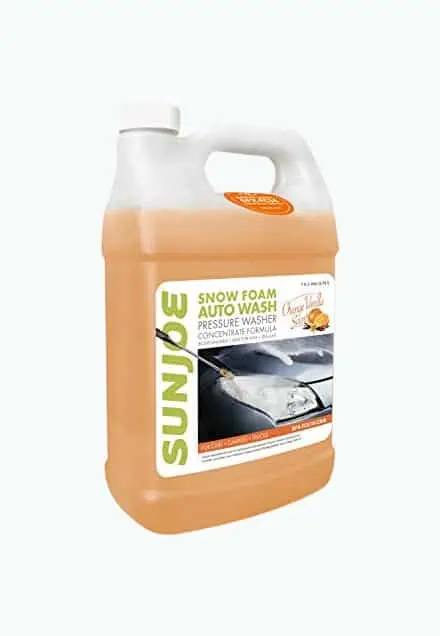
Sun Joe Snow Foam Car Wash Soap
Best Detergent for Cars
Looking for a specific detergent for cars? This Snow Foam from Sun Joe is a popular and loved choice. It comes in three scent options: orange-vanilla, coconut, and pineapple.
You can use it to clean your car, your camper, your truck, or other vehicles. It’s safe on wax and sealants, protecting your car while thoroughly cleaning it.
This is a grand option for cleaning your vehicle quickly. It is fast-foaming and high-viscosity to trap and rinse away dirt on your car, leaving behind a wonderful shine. It’s gentle on the paint but tough on grime.
The product is highly concentrated, so a little goes a long way. You can use this dozens of times, making the most of your money!
Customers also love how strong the scents are. While they leave behind a long-lasting scent, it makes the whole cleaning process a lot more enjoyable.
Protect Your Car
Pros
- Three excellent scent options.
- Fast-foaming formula.
- Traps and rinses away dirt.
- Great for multiple vehicle types.
- Biodegradable formula.
- Works on multiple surfaces, including metal, wood, and more.
Cons
- It may leave streaks or a white film on your vehicle.
- Some customers weren’t satisfied with the foaming amount.
Product Specs
| Multipurpose | No — just for vehicles |
| Performance | Removes dirt from cars |
| Eco-friendly | Yes |
| Scent | Orange vanilla, pineapple, or coconut |
| Quantity | One gallon |
Our Ratings
User Experience
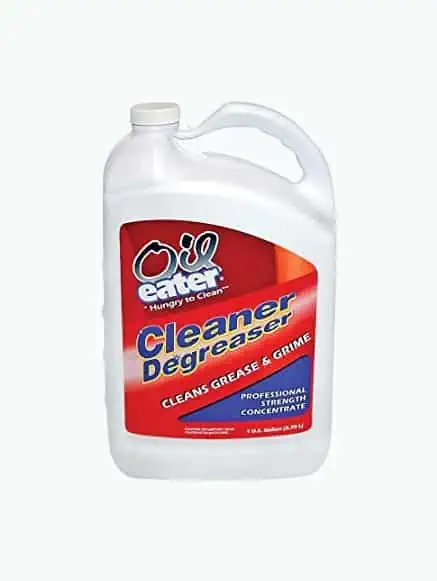
Oil Eater Cleaner Degreaser
Best for Stain Removal
Are stains getting you down? This cleaner and degreaser from Oil Eater is something to consider. It is designed to clean and degrease clothes and a range of surfaces. Customers rave about its stain-fighting abilities.
Whether they’ve had oil stains, grass stains, tire stains, grease stains, or something else — this should do the trick. You can even use it for removing laundry stains! Yep, you read that right. Clean your driveway and your clothes with this product.
Besides laundry and driveways, it also works on floors, carpets, tubs, grills, decks, stoves, siding, engines, tools, exhaust hoods, and much more. You’ll get so much use out of this cleaner.
It dissolves grease and oils without using acids, abrasive cleaners, or petroleum solvents. It’s water-based and biodegradable, so that you can use it without any worries. It’s also USDA-approved for non-food surfaces.
Pros
- Biodegradable formula.
- Super concentrated, so a little goes a long way.
- Works on indoor and outdoor stains.
- Removes oil, grass, grease, tire stains, and more.
- USDA-approved for use at hospitality facilities.
Cons
- It may take multiple applications to remove heavy or old stains.
- Removal of oil stains receives mixed reviews from customers.
Product Specs
| Multipurpose | Yes |
| Performance | Dissolves oil and grease stains |
| Eco-friendly | Yes |
| Scent | Lemon |
| Quantity | One gallon |
Our Ratings
Personal Perspective
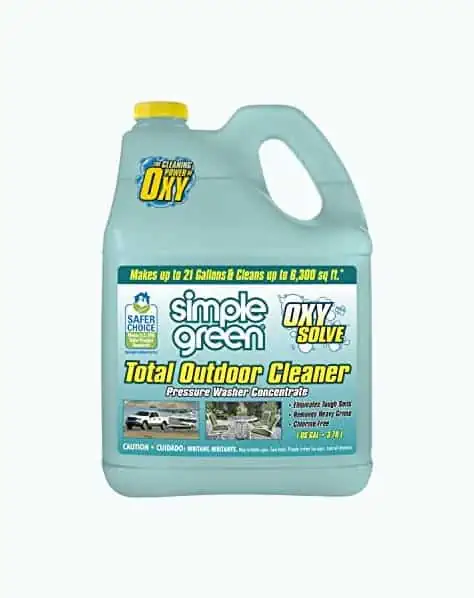
Oxy Simple Green Total Outdoor Cleaner
Best Multipurpose Pressure Washer Detergent
Do you want something that you can use in a range of situations? This multipurpose cleaner from Oxy is loved for a range of projects. This includes cleaning wood surfaces, composite, vinyl, metal, outdoor furniture, plastic, wicker, concrete, stone, brick, and asphalt.
Not only that, but you can use this with your pressure washer or by hand! This makes this product super versatile. You’ll get a lot of use out of it and save money since you only need one detergent for a range of purposes.
It works by lifting dirt and stains from a variety of sources. This includes mold, mildew, moss, and algae. It uses peroxide to brighten and renew surfaces which is much safer than bleach.
It’s also safe for landscape and surrounding bodies of water, such as rivers, pools, and streams.
Pros
- Safe and non-toxic formula.
- Cleans a huge range of surfaces.
- Can be used in a pressure washer or by hand.
- It is landscape and water safe.
- Removes stains from moss, mildew, mold, and more.
- Uses peroxide rather than harsh chemicals.
Cons
- Not as effective by hand as it is in the pressure washer.
- Not super effective on algae.
Product Specs
| Multipurpose | Yes |
| Performance | Lifts dirt and stains, brightens surfaces |
| Eco-friendly | Yes |
| Scent | Unscented |
| Quantity | One gallon |
Our Ratings
Community Feedback
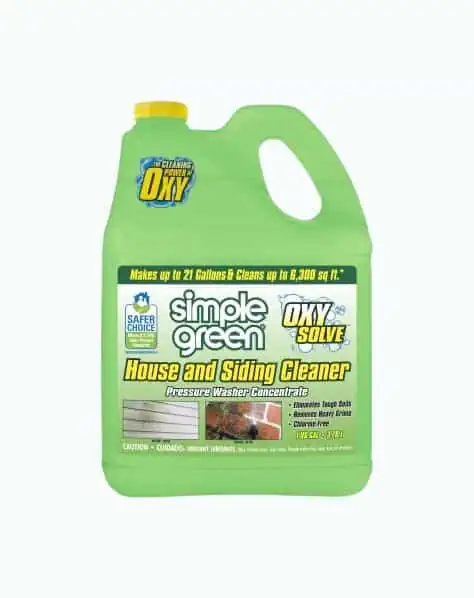
Oxy Solve House and Siding Cleaner
Best Detergent for Mold
Mold can be one of the hardest substances and stains to remove. That’s where this handy Oxy Solve cleaner comes in.
This cleaner has been designed to remove mold and mildew stains. Compared to other products advertised as doing the same thing, this one has many more raving customers behind it.
It’s made especially for house siding made from vinyl, aluminum, stucco, wood, and brick. If your home is made from another material, check with the manufacturer first to see if it will suit.
It removes stains and discoloration from algae, moss, and mildew, giving you a cleaner and more attractive home. This is especially important if you’re planning on selling.
Instead of bleach, it uses peroxide, a powerful but safe ingredient. Overall, this is a safe and non-toxic formula that you’ll feel guilt-free about using.
Pros
- No harsh chemicals in the formula.
- Cleans up to 6,400 square feet.
- Removes mold and mildew stains.
- Safe for many siding materials.
- Suitable for roofs, siding, gutters, and more.
Cons
- You may need to scrub the detergent in for best results.
- Not a concentrated formula.
Product Specs
| Multipurpose | No — just for siding |
| Performance | Removes mold, mildew, and algae stains |
| Eco-friendly | Yes |
| Scent | Unscented |
| Quantity | One gallon |
Our Ratings
First-Hand Impression
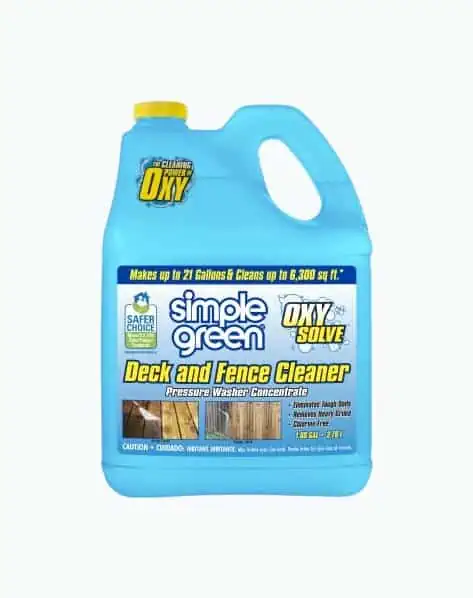
Simple Green Oxy Deck and Fence Cleaner
Best for Decks
Cleaning a deck with detergent, rather than just water, can brighten it, remove dirt easier, and save you time. This Simple Green Oxy cleaner is our top choice for a pressure washer detergent for decks.
Firstly, you can also use it for fencing, which makes it versatile. Two products for the price of one! In fact, it also works for pergolas, gazebos, and carports.
The formula lifts tough grime, tree sap, oil, and grease before rinsing them away. It can even remove mold, mildew, algae, moss, mud, and clay stains. Overall, it will leave your decking and fencing is sparkling clean.
Instead of bleach, it uses peroxide, a strong but safe chemical that can lift away grime and brighten the appearance of the decking.
Pros
- Safe for outdoor use, landscape, and wildlife.
- Versatile product as it works on fencing and decking, and other wooden structures.
- Lifts away grime, oil, tree sap, and grease.
- Removes tough stains.
- No harsh chemicals in the formula.
- One bottle cleans up to 6,400 square feet.
Cons
- Some customers say it works just as well as water.
- Requires some scrubbing for really tough stains.
Product Specs
| Multipurpose | Yes |
| Performance | Removes dirt and eliminates stains |
| Eco-friendly | Yes |
| Scent | Unscented |
| Quantity | One gallon |
Our Ratings
User Experience
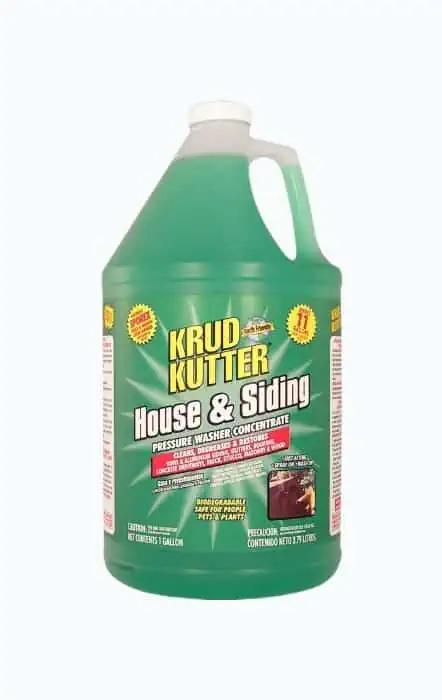
Krud Kutter Green Siding Cleaner
Best for Siding
Every couple of years, it’s important to clean your house siding — and for that, you need a good detergent. Our top choice is the Krud Kutter siding cleaner. This is suitable for vinyl, aluminum, concrete, brick, stucco, masonry, and wood.
It uses an additive called Sporex to remove difficult algae, fungus, mildew, mold, and moss stains. This product promises to leave your home completely clean.
It also uses special surfactants to penetrate the stains and dissolve dirt, oil, grease, bird droppings, tree sap, and acid rain. It can even remove weathering on wood, chalking, and oxidation.
Customers love that this detergent still does an incredible job even on the lowest pressure washer setting.
Pros
- Removes all kinds of stains.
- Works on a range of siding materials, plus driveways.
- Works on low-pressure washer settings.
- Uses special additives and effective surfactants.
- Removes weathering and oxidation stains.
- One bottle cleans up to 2,000 square feet.
Cons
- You may need to hand scrub some stains.
- It’s not a super heavy-duty cleaner.
Product Specs
| Multipurpose | Yes |
| Performance | Cleans and removes stains |
| Eco-friendly | Yes |
| Scent | Not specified |
| Quantity | Two gallons or nine gallons |
Our Ratings
Personal Perspective
| Product | Best | Multipurpose | Performance | Eco-friendly | Scent | Quantity |
|---|---|---|---|---|---|---|
| Chemical Guys Watermelon | Scented Detergent for Vehicles | Yes | Cleans vehicles | No | Watermelon or honeydew | 1 gallon |
| Chemical Guys Extreme | Wax Detergent | Yes | Cleans & waxes car | No | Not specified | ½ gallon |
| Zep Driveway and Concrete | For Concrete | Yes | Removes grease & oil stains | Partly | Not specified | 3.2 gal. |
| Karcher Multi-Purpose Washer Soap | Biodegradable Detergent | Yes | General cleaning | Yes | It’s scented, but the scent isn’t specified | 1 gallon |
| Sun Joe Snow Foam | Detergent for Cars | No | Removes dirt from cars | Yes | Orange vanilla, pineapple, or coconut | 1 gallon |
| Oil Eater Cleaner Degreaser | For Stain Removal | Yes | Dissolves oil & grease stains | Yes | Lemon | 1 gallon |
| Oxy Simple Green | Multipurpose Pressure Washer Detergent | Yes | Lifts dirt & stains, brightens surfaces | Yes | Unscented | 1 gallon |
| Oxy Solve House Cleaner | Detergent for Mold | No | Removes mold, mildew & algae stains | Yes | Unscented | 1 gallon |
| Simple Green Oxy Cleaner | For Decks | Yes | Removes dirt & eliminates stains | Yes | Unscented | 1 gallon |
| Krud Kutter Green Cleaner | For Siding | Yes | Cleans & removes stains | Yes | Not specified | 2 gal. or 9 gal. |
Do You Need Detergent for Pressure Washers?
No, but it does have benefits. It can tackle stains, remove mold, dirt, and mildew. Generally, it does a better job of cleaning.
Plus, it makes the job easier since you can use less pressure and elbow grease. However, not all pressure washers have soap tanks, so check yours does before shopping for detergent.
Pressure Washer Soap vs. Detergent
The main difference between soap and detergent is the ingredients. In general, soap is made with natural ingredients, such as fat, as their cleaning agents. Detergents, on the other hand, will use synthetic compounds and surfactants as the cleaning agents (1).
Soaps are better for the environment, but detergents can be better for heavy-duty jobs. If you have plants or wildlife around you, or delicate surfaces, we do recommend a soap. These are sometimes advertised as eco-friendly detergents.
How To Choose the Best Pressure Washer Detergents
When you type in pressure washer detergents into the web, you’re met with hundreds of options. No two are the same. We’ll help you create a checklist of essential things to consider before you buy your detergent.

Multipurpose
Ask yourself if it’s a multipurpose detergent. Does it work on more than one surface? Can you use it without a pressure washer in case you need to spot clean?
For many people, this doesn’t matter. They may be happy buying specific detergents for specific jobs, such as decking, fencing, or concrete. But other people are looking to kill a few birds with one stone and find something that works on a range of projects and surfaces.

Budget
Consider your budget before buying. Pressure washer detergent doesn’t come in a huge range of prices, but you should look at the cost per fluid ounce to ensure you’re getting your money’s worth.

Eco-Friendliness
If you’re looking for a green option, you’re not alone! Check if the product is biodegradable and if the ingredients are eco-friendly. While detergents may typically be stronger, eco-friendly soaps are certainly taking the market by storm and doing the job for many happy customers.

Performance
What’s the main job of the product? Is it for removing stains, tackling mold and mildew, doing general cleaning, cleaning cars, or something else? Whatever you’re looking to do, you’ll find a detergent that does the job.

Toxicity
This goes hand in hand with eco-friendliness. Check the toxicity levels of the product, specifically on human skin, respiratory systems, wildlife, grass, flowers, and pets that may be roaming nearby.

Scent
Last but not least, consider the scent. Some like a mild or unscented product, while others like something with a lovely fragrance behind it.
FAQs

Should You Dilute Pressure Washer Detergent?
You should dilute pressure washer detergent before use. Pressure washer detergent comes with detailed diluting guidelines on the packaging to get the best results.

How Much Detergent Do You Put in a Pressure Washer?
The amount of detergent you put in a pressure washer varies. If you premix the solution, add one cup of detergent to each gallon of water. If you add them separately, mix one-quarter cup of detergent with every gallon.

Can I Make My Own Pressure Washer Detergent?
You can make your own pressure washer detergent using many items around the house. Dish soap, white vinegar, and diluted hydrogen peroxide make excellent pressure washer detergents.

Can I Use Vinegar in My Pressure Washer?
You can use vinegar in your pressure washer. You must dilute it to reduce acidity, so add a cup of vinegar to the reservoir and then attach the hose to a water source.

Can You Run Bleach Through a Pressure Washer?
You cannot use bleach in your pressure washer because it breaks down the rubber components inside your appliance, causing it to malfunction. Some people say you can dilute the bleach, but sustained use still brings the same damaging results.

Will Hard Water Ruin a Power Washer?
Hard water will damage your power washer, resulting in pressure loss, restricted water flow, and leakages. Hard water contains mineral particles that cause scaling when they dry inside your pressure washer.