No one likes a stinky home. It can make relaxing difficult, it can deter guests, and it can make us feel nauseous sometimes! While you can run to the store and grab an air freshener, it’s not always great for you or the environment.
Instead, why not get creative and make a homemade air freshener? We’ll share our favorite recipes that are easy to make at home and more affordable in the long run!
Key Takeaways
- Create homemade air fresheners using natural ingredients like essential oils, baking soda, and vinegar.
- Stovetop simmer recipes and sprays with essential oils can freshen up your home without harmful chemicals.
- Houseplants and fresh flowers can purify the air and add pleasant scents to your living space.
- Baking soda and vinegar are effective at absorbing and neutralizing odors in your home.
Homemade Air Freshener Ideas
Let’s get into these beautiful homemade air freshener recipes. Each recipe is different, but many involve making a spray, so make sure you’re stocked up on spray bottles! We love Sally’s Amber Spray Bottles. They’re cute, have a powerful spray and the dark glass means the solution inside doesn’t go off as quickly.
The Unscented Odor Zapper
This is the best option if you want something unscented. There are two methods to creating this. One involves baking soda, and the other involves vinegar.
If using baking soda, pour about a cup of baking soda into a bowl and place it in near the smelly spot in the home. If the whole house stinks, place a bowl in each room! It will absorb odors, but make sure to swap it out for fresh stuff when it stops absorbing odors. We recommend swapping it out every one to two days.
If using vinegar, mix together 4:1 ratio of water and distilled white vinegar in a spray bottle. Spray it around the room. You will smell the vinegar a little at first, but this will quickly dissipate. The vinegar naturally neutralizes odors, similar to how the baking soda works.
Minty Simmer
The next few recipes are stovetop simmer recipes.
For this, you’ll need:
- An airtight mason jar.
- A pot for the stove.
- Water.
- Two limes.
- One teaspoon of vanilla extract.
- One teaspoon of peppermint extract.
This is a beautiful fresh minty scent that is strong enough to radiate through a few rooms, especially the kitchen.
- Slice the limes and add to the pot. Then add your vanilla and peppermint extract.
- Fill the pot ¾ full with water and bring it to a boil.
- Once it starts to boil, reduce to low heat and let it simmer. Make sure to keep the lid off.
- You can let the pot simmer for as long as you want, just make sure to supervise it. Keep adding liquid to prevent the ingredients from burning.
- Once you’re finished, turn off the heat and let the solution cool.
- Pour it into a masin bar and refrigerate. You can use it again over the next few days or until the limes go off.
Summer Simmer
Similar to the above method, this is a more summery blend. Perfect for hot July days, or cold December nights when you’re missing the beach!
For this, you’ll need:
- A mason jar.
- A pot for the stove.
- Water.
- One tablespoon of coconut extract.
- One lime.
Follow the same steps as above, making sure to slice the limes up before putting them in the pot. Again, you can put this in a mason jar and use until the limes go off.
Gingerbread Simmer
Need something festive for the holiday season? This is the perfect stovetop simmering air freshener.
You’ll need:
- A one inch piece of ginger (sliced).
- One tablespoon of almond extract.
- Three cinnamon sticks.
- A mason jar.
- Water.
- A pot for the stove.
Slice up your ginger and add all three ingredients to a pot, following the same steps as above. Remember to refrigerate it if you want to use it for later. This recipe should also last a few days, or until the ginger goes off. It’s perfect for adding beautiful scents to the home.
Bonus Tip
Oil Diffuser
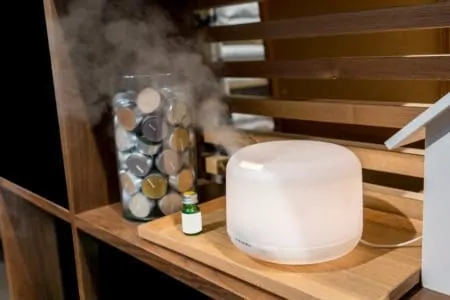
An oil diffuser is a great way to freshen up your home. These aren’t too expensive, and come in a range of styles. Simply plug it in, add some water, an essential oil blend, and press start. The oils will fill up the air, adding beautiful scents to your home without the use of any harsh chemicals.
Some ideas for essential oil blends include:
- Spiced ginger: three drops orange, two drops ginger, two drops cinnamon.
- Autumn leaves: four drops bergamot, three drops cedarwood.
- Autumn spice: three drops orange, three drops cinnamon.
- Citrus clean: three drops orange, two drops grapefruit, one drop lime.
- Fresh linens: five drops lavender, two drops clove, one drop lemon.
- Calming day: three drops rosemary, two drops lavender, two drops orange, one drop peppermint.
- Clean home: three drops lemon, three drops peppermint, three drops eucalyptus.
Scent Boosting Tip
Coffee
Did you know that coffee is a natural odor fighter? If you have a weird smell in the house, get out the coffee beans. You can grind, brew or bake some beans in the oven. The scents will absorb odors. This is especially good after cooking a big meal that’s left some smells in the kitchen!
You could even put out a few bowls of freshly ground coffee in rooms that smell bad. In fact, try putting some coffee grounds in the bottom of the garbage can before you add a new bag.
Fresh Flowers
If you’re not trying to minimize odors, but instead want to add some nice scents to your home — try fresh flowers. Go to the garden and pick some flowers, or head to your local florist.
You could even make your own bouquet with freshly cut herbs like geranium, mint, rosemary or lavender. Tie the flowers or herbs in small bunches and place them around the home.
Houseplants
Houseplants are a great investment for many reasons, but one is that they can purify the air. Air purifying plants include (2):
- Spider plants.
- Dracaenas.
- Golden pothos.
- Areca palms.
- Chrysanthemums.
- Bamboo plants.
- English ivy.
- Rubber plants.
- Chinese evergreen.whole
- Peace lilies.
We have a few plants in each room and it definitely makes a difference to the air.
Pomander Balls
Do you remember making these at school? Well, this may be simple, but it sure is effective.
To make a pomander ball, follow these steps:
- Lay out a few fresh oranges. Make sure they’re firm.
- Take your whole cloves and pin them into the orange peel. You can place them in patterns for a more aesthetic pomander ball.
- If you’re struggling to pierce the orange peel, make little holes with toothpicks first. Then add the clothes.
- Place the orange in your desired room(s). As it dries, it will release a nice aroma.
Minty Spray
The next few recipes are all sprays, so they’re more akin to your traditional air fresheners from the store. You’ll put these in a spray bottle, but it helps to make the recipe in a measuring jug first so you can easily pour it into your spray bottle.
For this recipe, you’ll need:
- A measuring jug.
- A spray bottle.
- ¾ cup of water.
- 2 tablespoons vodka, rubbing alcohol, or real vanilla extract.
- 10 drops of orange essential oil.
- Eight drops of peppermint essential oils.
To make, follow these instructions:
- Pour all the ingredients in a measuring jug.
- Pour the solution into your spray bottle.
- Mix well.
- Spray around the room liberally.
This should last until the bottle is empty, as the ingredients in here don’t tend to go off for a while.
Soft Lavender Spray
This is a beautiful, warm and soft blend. It’s great for spraying around the bedrooms before night time as it helps with sleep. But you can also spray it during the day to freshen up any room!
You’ll need:
- A spray bottle.
- A measuring jug.
- ¾ cup of water.
- Two tablespoons or real vanilla extract.
- 10 drops of lavender essential oil.
- Five drops of chamomile essential oil.
Follow the instructions above to make the spray.
Top Tip
Cozy Hygge Spray
Need something to help you relax in the dark evenings? This super cozy spray is perfect for the autumn and winter time!
You’ll need:
- A spray bottle.
- A measuring jug.
- 3/4 cup water.
- Two tablespoons of real vanilla extract.
- Six drops of orange essential oil.
- Five drops of cinnamon essential oil.
- Five drops of clove essential oil.
Follow our spray method instructions to make your room spray.
Floral Bloom
Florals are a favorite among many people. This is the perfect blend to make a super lovely and relaxing floral air freshener.
You’ll need:
- A measuring jug.
- A spray bottle.
- ¾ cup of water.
- Two tablespoons of real vanilla extract.
- Eight drops of lavender essential oil.
- Five drops of geranium essential oil.
- Four drops of grapefruit essential oil.
Calming Spray
This is a super calming blend of essential oils. Perfect for freshening up your room before doing yoga or meditation.
You’ll need:
- A spray bottle.
- A measuring jug.
- Two tablespoons of vodka.
- Five drops of lemon essential oil.
- Four drops of bergamot essential oil.
- Four drops of grapefruit essential oil.
- Two drops of patchouli essential oil.
Make it in the spray bottle using the above steps.
Magic Spray
This one is a lovely, almost magical, blend of essential oils. It makes a room smell unique, like a fantasy land, but it’s still really fresh.
You’ll need:
- A spray bottle.
- A measuring jug.
- Two tablespoons of real vanilla extract.
- Four drops of rosemary essential oil.
- Two drops of eucalyptus essential oil.
- Two drops of lavender essential oil.
Make the solution using the above method. Spray around the room and enjoy your fresh air!
Benefits of Using Natural Homemade Air Fresheners
With your homemade air freshener, you’ll notice a ton of benefits. Some of our favorites include:
- They smell better: Do you ever find store bought air fresheners have a strong chemical smell or false aroma? That’s because they’re synthetically fragranced. Homemade air fresheners are made with natural ingredients so they’ll smell better.
- No harmful chemicals: Air fresheners are often made with harmful chemicals. These can cause headaches, irritation and even reproductive development issues (3). They’re definitely something you want to avoid. We haven’t used store-bought air fresheners in our home for years. Natural works great!
- Affordable: Over time, you’ll notice you save money. The upfront cost of the bottles, oils and other ingredients may seem like a lot, but they’ll last for ages!
- They make great gifts: Trust us, people love handmade gifts! Once you’ve nailed down your favorite recipe, start making air freshener as gifts. Your friends and family will love it.
- Unscented options: Store bought air fresheners usually mask bad smells, rather than get rid of them. Plus, not everybody likes scented air. Now, you can actually make air fresheners that kill odors rather than mask them so that your home smells fresh, but not overwhelming at all.
Caution
What Is the Best Thing to Absorb Odors?
While many of our recipes can kill or tackle odors in the house, let’s look at the best thing for absorbing odors.
- Baking soda: This is a cheap and effective method.
- Vinegar: Mix together in a spray bottle and spritz around your home.
- Bread: A few slices of bread can help to absorb refrigerator odor.
- Cat litter: Even if you don’t have a cat, having some cat litter nearby is good for absorbing odors.
- Air purifier: While these are a more expensive investment, they’re great at absorbing odors and other harmful air pollutants.
- Air purifying bags: You can get these online. They’re little bags you can place around the home that help to absorb bad odors.
FAQs

How Do I Make My Room Smell Good Fast?
The best way to make your room smell good fast is to open windows and doors to increase airflow. Also, remove trash cans, pet bedding, and other items that cause unpleasant smells.

How Can I Make My House Smell Like a Hotel?
There are several ways to make your house smell like a hotel. Use air fresheners, open windows, light scented candles, add fragrance to your vacuum cleaner, and use air purifiers.

How Do I Freshen the Air In My Closet?
The easiest way to freshen the air in your closet is to add a dryer sheet. It scents the space and prolongs that “just washed” smell. You can also use sachets of potpourri to infuse your wardrobe.

How Long Do Homemade Room Sprays Last?
Homemade room sprays last for approximately six months if you use the essential oil recipe. Other homemade room sprays may only last for three months.

Can You Use Fabric Softener As Air Freshener?
You can use fabric softener as an air freshener by combining it with water in a spray bottle. You can use it throughout the home, especially on carpeted floors, to keep them smelling fresh.

Does Boiling Lemons Make Your House Smell Good?
You can boil lemons to make your house smell good. Slice the lemons and place them in a pan and bring it to the boil. The steam is scented with lemons and fills the room.
Breath of Fresh Air
Now that your home odors are dealt with and long gone, you can breathe a little easier.
We recommend using an odor-neutralizing method first, like baking soda or vinegar. Then use one of the simmer recipes or spray concoctions. That way, you tackle odors before adding new smells to the home.
Next time you have guests over, they’ll for sure be asking, “What’s that amazing smell?”