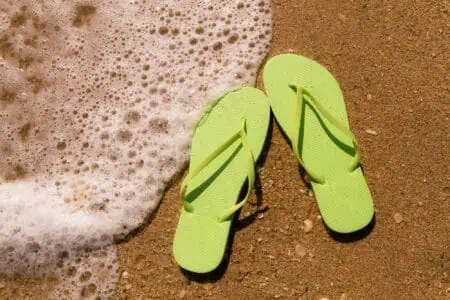
Sandals are the footwear of summer. They’re easy to slip on, are usually water-resistant, and look cute with any outfit. But the problem is, they can become stinky — and when they do, everybody knows about it.
If your sandals are boasting some foul odors, don’t settle. It’s possible to tackle them without much hassle at all. We’ll show you how to remove odor from sandals using eight methods, tried and tested with our own shoes.
Whether you have rubber, leather, memory foam, Birkenstocks, Nike, Teva, or another brand, you’ll find a method that rejuvenates your shoes!
Key Takeaways
- Remove dirt and create a paste using baking soda and distilled white vinegar, then scrub the sandals gently and let the paste sit overnight before rinsing and drying.
- Essential oils like eucalyptus, clove leaf, peppermint, tea tree, lavender, and lemongrass can help deodorize sandals; apply with a cotton ball and let dry overnight.
- For rubber, jelly, and memory foam sandals, use soap and water to clean, then rinse and let air dry; avoid using water on suede sandals.
- Proper foot hygiene, rotating sandals with other shoes, and storing sandals in a cool, dry place can help prevent odors from forming.
Why Do My Sandals Smell?
Feet smell. Shoes smell. That’s the main reason!
Let’s dive into a few more reasons why sandals get smelly:
- Sweaty feet: Poor foot hygiene and excessively sweaty feet can cause foot odors. It’s important to keep your feet clean by washing them daily with soap — antibacterial is best if you have excessive foot sweat. If necessary, apply a foot powder, such as Gold Bond, or antiperspirant to control odors.
- Storage: Keep your sandals in a cool, dry palace to avoid bacteria, mold, and mildew building up on the shoes. Since sandals get damp in your daily travels, make sure they get a chance to air out between wears.
- Dampness: Sandals become soggy and damp, usually because you wear them to the beach, and then they don’t get a chance to air out properly. After getting wet, always give your shoes a chance to dry 100 percent.
- Product buildup: Products like sunscreen, lotions, powders, and body wash can build up on your sandals. When you don’t clean them often enough, the shoes become super dirty, and odors begin to form.
- The material: Some materials, such as rubber, aren’t as porous, so the odors just sit on top of the shoe. The good thing about this is that it’s easier to deodorize!
How To Remove Odor From Sandals
Are you ready to learn how to clean stinky sandals? Now is your chance to learn eight methods! It’s awesome having a few different options — so if one thing doesn’t altogether remove the odors, you can try another method.
Top Tip
When deodorizing, make sure you tackle the entire shoe. This includes the footbed, exterior, straps, and shoe’s bottom. Odors can linger in every area.
With Baking Soda and Vinegar
This is an easy and non-toxic method for cleaning sandals. We love it for Birkenstocks, but it also works for rubber, memory foam, jelly shoes, slippers, slides, and more.
- Remove dirt: Wipe the sandals with a cloth to remove dirt and debris.
- Make a paste: Mix a 1:2 solution of baking soda and distilled white vinegar to make a spreadable paste. Adjust the quantities as necessary.
- Apply: Use a soft-bristled brush to apply the paste to the sandals, scrubbing gently in circular motions.
- Leave: Leave the solution on the sandals overnight to kill the odors.
- Rinse: Using a damp cloth, rinse the paste away from the shoes.
- Air dry: Leave the shoes to air dry out of direct heat and sunlight. This might take 24 hours or longer, depending on the material of the shoe.
With Essential Oils
Essential oils have the natural power to deodorize. Here’s how to use them on sandals:
- Make the solution: Mix together essential oils. The best ones for deodorizing are eucalyptus, clove leaf, peppermint, tea tree, lavender, and lemongrass. We recommend using a combination of at least three of these, but if you have them all at hand, go for it. In total, combine about 50 drops (around eight to 10 of each).
- Apply: Dip a cotton ball into the essential oil mixture and rub it over the sandals.
- Wait: Leave the oil to dry into the sandals overnight. There’s no need to rinse.
Warning
Essential oils can cause skin irritation, especially when undiluted. Wear gloves when applying the solution to avoid any discomfort.
With Soap and Water
Some sandals can handle soap and water. This method works best for rubber, jelly, and memory foam sandals. Use sparingly with leather, and don’t use this method on suede, as water can cause damage.
- Brush: Brush away excess dirt and debris.
- Make the solution: In a bowl or sink, combine two cups of water per teaspoon of dish soap. Increase the quantities as needed.
- Apply: Dampen a cloth into the soapy water and wring it out well. Rub the shoes gently, ensuring you don’t saturate certain fabrics like memory foam or leather.
- Rinse: Dampen the cloth in plain warm water and rinse the soap away.
- Dry: Blot the sandals dry before air drying out of direct heat and sunlight (especially for leather sandals).
With Air and Sunlight
If you’re still needing a method for how to get smells out of sandals and the above methods aren’t hitting the spot, simply try air and sunlight.
Avoid placing leather or suede shoes in direct sunlight, as this can crack and dry out the material. But other materials, like rubber, jelly, and memory foam, can handle direct sunlight for a few hours.
Simply leave the smelly shoes outside on a dry day with good airflow. If the shoes are made from leather or suede, keep them in the shade.
If not, you can put them where the sun is shining! This can help combat odors, and it requires basically zero effort from you.
With Antifungal Powder
Antifungal powders are manufactured to treat fungal infections and remove odors. You can apply these directly to your feet and shoes to prevent and relieve itching, irritation, burning, and of course, odors. You should check with your doctor which product is best for you.
Some popular anti-odor foot powder options include:
- Dr. Scholl’s Odor-X Antifungal Spray Powder: This is proven to prevent athlete’s foot, and absorb and destroy odors. Simply spray a thin layer onto your feet at least once a day, but you can use it morning and night. Don’t spray on shoes, only feet.
- Medline Remedy Phytoplex Antifungal Powder: If you suffer from foot infections that lead to odors, this is the powder for you. It treats athlete’s foot, jock itch, ringworm, and more. The two percent miconazole nitrate prevents fungal growth and, in turn, odors. You can use it on your feet, socks, or shoes.
- Comfort Zone Miconazorb Antifungal Powder: This talc-free powder can treat common foot infections, relieving burning, scaling, itching, and odors. It absorbs moisture and inhibits fungal growth, keeping sweat, moisture, and odors under control.
With Deodorizers
We have plenty of fun ways to deodorize your shoes using items you already have in the house! These work to absorb, kill or mask odors, ensuring your shoes don’t smell like sweat and bacteria.
- Citrus: Peel a citrus fruit, such as a lemon or orange, and leave the peel in your sandals overnight. This will add a fresh scent, masking and killing some odors.
- Rubbing alcohol: Pour rubbing alcohol into a spray bottle alongside 10 drops of your favorite essential oil. Spray the sandals generously and let them air dry. The rubbing alcohol will kill odors and bacteria.
- Coffee grounds: Pour used coffee grounds into two socks and tie them tightly. Place the socks onto the sandals and leave them overnight.
- Vanilla extract: Pour a few drops of vanilla extract onto paper towels or newspapers. Leave it inside your sandals for 24 hours to absorb odors and leave behind a new scent.
With Dryer Sheets
When you’re done with a dryer sheet, don’t toss it away. You can use it to combat odors in your sandals.
- Rub: Rub the entire sandal with a dryer sheet to absorb odors.
- Leave: Place the dryer sheet into the sandal overnight to remove odors and leave behind a fresh scent.
In the Freezer
This is more of a fun hack than anything based on science. The idea is that you can kill some bacteria and odors, but keep in mind that it can take minus 80 degrees to actually kill bacteria (1). To use the freezer to deodorize sandals, try this:
- Place: Place the sandals into a plastic bag.
- Freeze: Put the sandals into the freezer for 12 hours.
- Air dry: Remove the shoes from the bag and leave them in a well-ventilated spot to air dry thoroughly. If they are made from jelly, rubber, or memory foam, leave them in direct sunlight.
How To Get Smells Out of Different Sandals
It’s important to note the material of your sandal when deodorizing. The last thing you want to do is damage your shoe, especially if you have expensive Birkenstocks or Nike shoes! We’ll walk you through various materials and how to clean the smelly sandals.
Rubber Sandals
It’s easy to clean rubber sandals. The baking soda and vinegar hack will work wonders at tackling odors without causing any damage. Soap and water is also very effective.
It’s also safe to leave the rubber sandals in the sunlight for a few hours, but don’t exceed eight hours as they can start to crack.
Leather Sandals
We love our leather Birkenstocks! But you have to be careful when it comes to cleaning them: you mustn’t expose leather to too much moisture or sunlight.
The baking soda and vinegar hack is the safest — and it works! We use it at home often. It’s also worthwhile airing your leather sandals, as long as you don’t leave them in direct sunlight.
If you want to be super professional about deodorizing your leather sandals, you can opt for a leather cleaning solution and brush. These tools will be gentle but super effective on leather shoes.
All of our other methods are safe, but if using soapy water, only apply a small amount of water. Don’t oversaturate the shoes.
Memory Foam Sandals
It’s easy to clean and deodorize memory foam sandals. All of our tips are useful and safe.
Be cautious about scrubbing memory foam too hard, as it’s easier to tear. You should also limit the sunlight exposure to a few hours maximum. Otherwise, the material can degrade.
One great thing about memory foam sandals is that some are washing machine safe! If the manufacturer allows, you can place the shoes in a mesh bag and wash them in the machine with cold water and laundry detergent. This can clean stains and remove stubborn odors.
Birkenstock Sandals
When cleaning Birkenstocks, take note of the type of material. The cleaning approach will change depending on whether you have leather, suede, or metallic shoes.
As mentioned, for leather Birkenstocks, avoid excess moisture and exposure to sunlight. Opt for a leather cleaner for maximum safety.
When cleaning suede Birkenstock sandals, avoid water and direct sunlight. Brushing off dirt and cleaning with vinegar is best to tackle odors. Covering the shoes with cornstarch for a few hours can also absorb odors.
If you have metallic Birkenstocks, make sure to use gentle, non-abrasive methods. For instance, don’t use a hard-bristled brush or too much baking soda, as this can scratch the material.
Finally, for wool-felt Birkenstocks, the soapy water method is best. Be sure to be gentle and don’t rub too vigorously. Air dry in a well-ventilated spot.
How To Keep Sandals From Smelling
It’s important to prevent odors in the first place. This takes some prepping and planning, but it saves you time in the long run. Plus, it keeps your sandals in the best condition.
- Choose natural materials: Synthetic materials can cause your feet to sweat more, leading to extra odors. Consider natural materials, like leather or cork. These materials aren’t odor resistant, but they certainly can help.
- Choose a breathable shoe: Opt for a comfortable and breathable, open-toed sandal. This can limit odors as your shoes air out a little while you wear them.
- Practice good foot hygiene: Wash your feet daily, using an antibacterial soap or powder if necessary. You can also use foot deodorant or antiperspirant.
- Store the sandals properly: Keep your sandals in a cool, dry place between wears. They can’t air out properly if you toss them in a closed cupboard or a humid bathroom.
- Zinc fights stink: There is some evidence that zinc can prevent foot odors (2). Take a zinc supplement (no more than 40 mg/day for adults) to try and counteract smelly feet.
- Swap shoes: Swap between wearing your favorite sandals and other shoes. This gives your sandals time to air out adequately. Sometimes airing out your sandals overnight isn’t long enough — they might need 24 to 48 hours.
- Fight odors after each wear: You can place newspaper, odor-fighting insoles, or dryer sheets into your shoes after each wear to fight odors on a daily basis. This prevents odors from building up.
FAQs

How Can I Deodorize My Shoes Fast?
If you only have a few minutes before you head out the door and realize your sandals reek, you can wipe the shoes with a dryer sheet. This only takes a few seconds and it won’t leave your shoes damp.

How Do You Disinfect Sandals From a Thrift Store?
When you buy second-hand shoes, you must disinfect them. Otherwise, you can end up with a nasty foot infection! Who knows what kind of bacteria is lurking in the soles?
We recommend rubbing alcohol. It’s easy to use and super effective at cleaning away germs.
- Brush the shoes: Use a soft-bristled brush to remove excess dirt and debris from the shoes.
- Dampen a cloth: Dampen a cloth or rag with rubbing alcohol.
- Wipe: Wipe the entire shoe, including the interior and exterior. Make sure to cover every inch of the shoe.
- Use a spray (optional): If you want extra disinfecting power, use a disinfectant or antibacterial spray to sanitize the shoes.
- Air dry: Let the shoe air dry. If you can place them in the sunlight, this can further kill odors, bacteria, and fungi.

Can You Put Sandals in the Washing Machine?
You can put non-embellished rubber sandals into the washing machine. But you shouldn’t put memory foam, leather, or suede sandals in the machine, as this can damage them beyond repair.
If you wash your flip flops in the machine, place them in a mesh bag and put them in the machine by themselves (no clothes). Use cold water and only a little detergent or distilled white vinegar. Run a gentle cycle.

How Long Does It Take for Baking Soda To Remove Odor?
The longer you use baking soda, the more effective it is. While it can provide results in just a few hours, it works best when used for 24 or more hours. In general, we recommend leaving baking soda on your sandals overnight, but if you can wait longer, do so.

Does Hydrogen Peroxide Help With Smelly Shoes?
It sure does! You can put three percent hydrogen peroxide into a spray bottle, spritz the shoes and then let them air dry. This acts as a disinfectant while being safer than bleach.
No More Stinky Sandals
If your summer is bogged down by sandal stench, we’ve got your back. With eight methods for cleaning and deodorizing all types of sandals, you no longer have to worry about the stink.
You can use baking soda and vinegar, essential oils, or the power of sunlight to deodorize your sandals. Dryer sheets, orange peel, and foot powders also work wonders.
Give a method a go; if it doesn’t combat all odors, move on to another method. Above all, practice good foot hygiene and give your sandals a chance to air out!