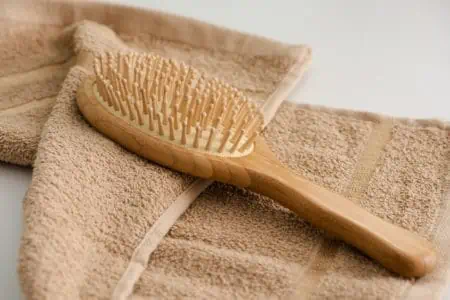
Hair brushes are critical to maintaining the health of your hair. However, they quickly become gross and unhygienic from the buildup of dead skin, dirt, loose hair, and product residue. The trick is to learn how to clean your hair brush no matter whether it’s round, has a paddle, or is made from wood.
Key Takeaways
- Remove hair from your brush every time you use it and deep clean every 2-3 weeks.
- Use a pointed object to loosen hair and a comb to pull it out of the brush.
- Wash brushes by soaking them in water with shampoo or dish soap, or using baking soda for wooden, cushioned, or natural bristle brushes.
- Replace your hairbrush every 6 months to a year or when bristles are lost or misshapen.
How Often Should You Clean Your Hair Brush?
Hair brushes collect dead skin, dirt, loose hair, and product residue on them. This means that each time you brush your hair, this gunk will be deposited into your hair making it harder to keep your hair healthy. The trick is to know when and how to clean hair brushes properly to remove the unhygienic hair and gunk.
Remove the hair from your brush each time you brush your hair or at least every couple of days.
Deep clean your hair brush every two-three weeks unless you use a lot of hair products on your hair or you have dandruff. Then you will need to deep clean your brush every week.
How to Clean Hair Out of Brushes
Cleaning the hair out of your brush is an easy thing to do if you know how.
- Time: 5-10 minutes
- Difficulty: Beginner
What You’ll Need
- Sharp, slender pointed object like the end of a rat tail comb, pencil, or pen
- Comb
- Small pair of scissors
1. Loosen Hair
Push the pointed object along the base of your brush. This can be the end of a rat tail comb, a comb with a long pointed end. You can also use a pencil, straightened paper clip, or pen.
Push the object along the base of your brush. The hair will lift and you will be able to pull it off your brush.
Cut any hair that’s matted with a small pair of scissors. This will allow the hair to be pulled up and out of the brush.
2. Pull Comb Along Bristles
Pull the comb along the bristles of your brush. The comb will catch the hair allowing you to pull the hair off the comb. Toss the old hair into the trash can.
3. Use Fingers
Use your fingers to remove any hair remaining on your brush.
How to Get Dust Out of a Hair Brush
Fill a bowl with some warm water and add a few drops of shampoo to it. Use your fingers to swish the water and create some suds. Place the bristles or head of your brush in the water and swish it around to remove the dirt, dandruff, and lint from your brush.
Rinse your brush under running water. Allow it to dry overnight with the bristles facing down so they’ll drain.
A brush that’s not made of wood, cushioned, or doesn’t have natural bristles can be soaked to help remove the gunk from your brush. However, soaking will damage the wooden, cushioned or natural bristle brush.
How to Deep Clean Hair Brushes
Washing hair brushes is an excellent way to sanitize many hair brushes. You will need to vary the method of washing your brush as different types of brushes need a different method to thoroughly clean them without damage.
- Time: 30 – 60 minutes + Overnight to dry
- Difficulty: Beginner
What You’ll Need
- Wide-toothed comb
- Small pair of scissors
- Toothbrush
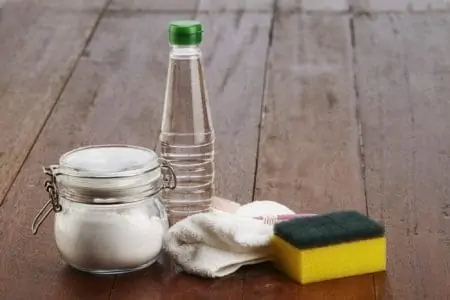
- Shampoo, dish soap, or baking soda
- White vinegar
1. Remove Hair
Over time your hairbrush will gather hair on it. The first step is to remove all the hair from your brush. A wide-toothed comb is the best way to comb through your brush’s bristles and loosen the hair.
Pull the hair off your brush. If you run across matted hair, use a small pair of scissors to cut the hair so you can remove it. Make sure you don’t cut the bristles.
2. Wash Brush
By Soaking: This will damage your wooden, cushioned, or natural bristle brush, but is excellent for washing all other types of hair brushes.
Fill your sink with hot water. Add a squirt of shampoo or dish soap to the water along with a splash of vinegar. Allow your brushes to soak for about an hour then scrub the bristles with a clean toothbrush to remove the built-up residue.
With Baking Soda: If you have a wooden, cushioned, or natural bristle brush, use this method to wash your hair brush.
Dissolve 1 teaspoon of baking soda in a cup of water. Then dip the toothbrush into the baking soda solution and brush the bristles to remove all the residue from your brush.
3. Rinse Brush
Rinse the brush with clean water and allow it to dry overnight. Make sure that the bristle side is down. This will allow the excess water to drain.
Hacks For Cleaning Hair Brushes
If you’d like some alternative methods for cleaning your hair brushes, check out these hacks.
With a Dishwasher
While non-plastic brushes and combs are too delicate for the dishwasher, the dishwasher is an excellent way to disinfect plastic hair brushes and combs. Place your hair brush or comb on the top rack of your dishwasher to clean it. The hot water will kill all the bacteria and remove any residue.
With Vinegar
Make a 50-50 solution of vinegar and water in a bowl. Place your brushes into the bowl and allow them to soak for 10 minutes. Then scrub the brushes with a toothbrush before rinsing with fresh water.
Allow your brushes to dry face down overnight.
With Dryer Sheets
Place 2 dryer sheets in a bowl of warm water. Put your brushes in the bowl and let them soak for a couple of hours. Swish the brushes in the water to remove the dirt before rinsing them in freshwater.
Allow your wet brushes to dry overnight with the bristles face down.
With DIY Hair Brush Cleaner
Fill a smaller container with water. Then add ¼ cup of vinegar and 2 tablespoons of baking soda. Swish your brush in the container and then leave the brush in the container to soak. You can even soak the bristles of a wooden brush in the solution provided you leave the handle out of the water.
Wait 15-30 minutes before removing the brush. Use an old toothbrush to scrub your brush clean. Rinse the brush under running water and allow it to dry overnight with the bristles facing down.
How to Clean Combs After Lice
Nothing is more horrifying than discovering your combs and brushes have been contaminated with lice. Thankfully, lice are easy to remove from your combs and brushes.
- Time: 24 hours
- Difficulty: Beginner
What You’ll Need
- Freezer bag
- Freezer
1. Freeze Brushes and Combs
Place all the brushes and combs in a freezer bag. Place the bag in the freezer for 24 hours. The temperatures will kill the lice and eggs on your brushes and combs.
2. Deep Clean
After you remove the brushes and combs from the freezer, deep clean them using the instructions given above.
How Often Should You Replace Your Hairbrush?
Hair brushes should be replaced every 6 months to a year. A hairbrush that has lost over half of the bristles or one with misshapen bristles should also be replaced. Also, replace your hairbrush if it’s too dirty for you to clean it.
FAQs

Can You Soak a Wooden Brush?
No, you can’t soak a wooden brush as too much moisture will cause the wood to warp.

Why Is There So Much Lint In My Hair?
Dust, pollen, lint, and other debris that is floating in the air are attracted to hair and gather on it. The best way to remove the debris is by brushing your hair with a clean hairbrush along with washing your hair regularly.

What Do Hairdressers Use to Clean Brushes In the Salon?
Hairdressers use Barbicide to clean hair brushes and combs. It’s an excellent antiseptic. However, it will damage wooden, cushioned, or naturally bristled brushes.

Why Is There Fuzz In My Hairbrush?
There is fuzz in your hairbrush because the bristles are designed to collect lint. The bristles create static, which causes the fuzz to stick.

Can Hydrogen Peroxide Clean a Hairbrush?
Hydrogen peroxide does clean a brush because it kills microscopic bacteria trapped inside your bristles.

Can a Dirty Hair Brush Cause Hair Loss?
A dirty hairbrush can cause hair loss because it puts more strain on your hair when you brush. It creates traction alopecia, which is a temporary type of hair loss, which can become permanent if not treated.
How to Wash Hair Brushes
To wash your hair brush, remove all the hair from the brush using a long pointed object such as the end of a rat tail comb or a pencil. Then wash your hair brush using shampoo and an old toothbrush to scrub the brush. Finally, rinse your brush under running water and leave it to dry overnight with the bristles face down.
You will have a clean and hygienic hair brush to brush your hair in the morning.