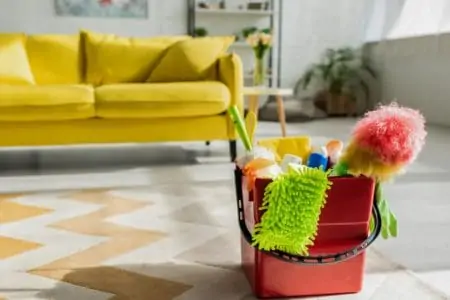
Do you ever walk into your home after a busy day, only to feel more stressed? The clutter, the uncleanliness, and the endless list of chores can really affect our mood and bring us down even more.
There are so many benefits of a clean home. This includes health benefits, psychological, hygienic, and more.
We’re here to bring you 15 benefits, so you know exactly how amazing having a clean home is! And hopefully, this post will inspire you to do a quick tidy and clean of your house. In return, you’ll feel great — we promise!
Key Takeaways
- Having a clean home improves overall health by reducing germs, mold, and allergens.
- A tidy environment promotes better sleep, productivity, and happiness.
- Regular cleaning can save you money by preventing costly repairs and replacements.
- Sharing cleaning tasks with family members can strengthen relationships and teamwork.
Benefits of a Clean Home
Check out these 15 amazing advantages of having a clean home. You might be surprised by just how beneficial tidying up around the house is.
1. Quick Workout
Cleaning the house hits two targets at once. You clean your house, but it’s also a good workout! My smartwatch often recognizes housework as exercise. It doesn’t take the place of traditional exercise, but it definitely helps with your health (1). It can really get that step count up!
So the first benefit of a clean home is that to achieve it, you’ve got to get moving.
2. You’ll Sleep Better
The National Sleep Foundation found that people sleep better when their room is tidy and clean (2). The small act of putting your clothes away and making your bed, even though it only takes a few minutes, can have long-lasting and incredible results.
If you’re looking for better rest, then we definitely recommend tidying your bedroom as a good starting point.
3. Less Germs, Healthier Family
Of course, a huge benefit is that your home will be cleaner. Disinfecting and sanitizing surfaces will rid your home of germs, bacteria, and viruses. In return, your family will pick up fewer germs and illnesses as they go about their daily life.
So if you find your family is getting sick quite frequently, tweak your cleaning schedule. Clean more often. You can get everyone involved in a bit of teamwork!
4. You’ll Be More Productive
If you’ve ever tidied your desk, you’ll know the instant benefits it has on your workflow. You are instantly more productive, and you spend less time looking for important documents, files, and other items.
The same is true for your home. Research shows that our physical environment can directly affect our emotions, behavior, and productivity (3). An untidy or dirty home can increase stress and anxiety, which reduces focus.
We don’t know about you, but we’re much more productive if our home is tidy — partly because we’re not thinking about (okay, dreading) all the housework that’s to come.
5. Less Mold in the Home
From a hygienic and health standpoint, regularly cleaning the home reduces the presence of mold.
Mold is a bad thing to have in your home. It can trigger allergic reactions, asthma attacks, and even produce toxic substances which cause more extreme symptoms (4).
Cleaning regularly, sanitizing your home, and limiting dampness will reduce mold in the home. Your home will be a healthier place for friends, family, and other houseguests.
6. Clean Homes Equal Happiness
A less-known benefit to cleaning your home is that it increases happiness (5)! Many studies have been conducted about this, but one found that the simple act of dishwashing can reduce nervousness by 27 percent and increase inspiration by 25 percent.
Carry this mindfulness throughout the housework routine, and you’ll feel happier while doing it. But you’ll also feel happier afterward as you walk through a spotless home!
7. Reduce Allergy and Asthma Symptoms
If anybody in your home has allergies and asthma, then keeping on top of the housework and maintaining a clean home is essential. You don’t need to go overboard. But you do want to get rid of allergy triggers. This may include dust, pet dander, mold, and pests (6). Some top tips include:
- Use dusting cloths to trap dust particles.
- Vacuum with a HEPA filter.
- Wash your sheets in hot water every week.
- Use your extractor fan after each shower to reduce mold.
Be Careful
When cleaning with allergies, you must be careful how you clean. For instance, if you move dust around too much by using tools such as feather dusters, you may actually trigger allergy attacks. Use allergy-friendly products and keep windows open.
8. Sharing Tasks Helps Relationships
Doing the housework yourself is a huge task and, frankly, too much responsibility, especially if other people live in the house.
It’s a great idea to sit down with the other family members and plan out a cleaning routine that suits everybody. It can also be super fun to clean together. You can play music, have a race, and afterward, enjoy the lovely clean home together.
9. Sense of Achievement
One of the biggest benefits of cleaning your home is the powerful sense of achievement that comes with it! We absolutely love keeping a clean home for all the health and hygiene reasons. But is there anything more satisfying than walking through your clean home and thinking, “I did this!”?
10. Next Level Organization
When you clean your home, it gives you the perfect opportunity to organize a few things. Putting everything back in their designated place keeps the home tidy. But it also ensures that you will be able to find what you need a lot easier the next time you go to look for it.
11. Keeps Pests Away
A clean home isn’t a very exciting environment for bugs and pests. However, if you have leftover food, dirty dishes, or lingering trash in your home, you can expect insect visitors (7).
If you’re looking to keep the pests away, keep your home clean. Vacuum often. Remove dead plants and anything else that is rotting.
Did You Know
Getting rid of other insects will also prevent spiders from inhabiting your home. So if you’re scared of spiders, dealing with the existing insects first can help!
12. No Nasty Smells
While an untidy home is unpleasant, sometimes it’s those nasty odors that are even worse. Getting rid of the odors can be tricky. But if you keep your home clean and stay on top of housework, you’re less likely to have the odors in the first place.
Certain smells boost our mood, and old trash, rotting food, and dirty laundry aren’t on the list. Instead, pine, citrus, and flowers can boost your mood (8). But if your home is untidy and oozing unpleasant odors, you won’t have a chance to smell the nice scents in the house!
13. You Save Money
Say what?! Yep, cleaning your home can actually save you money. When you clean your house regularly, you’ll notice things that need to be maintained or repaired. Therefore, you can stay on top of these chores around the house.
They won’t be neglected where they can get worse to the point where you need to spend a lot of money to repair or replace an item.
For instance, if you have beautiful expensive hardwood floors, regular cleaning and maintenance can keep them looking new and fresh. But if you neglect them, they’ll eventually become damaged. That’s an expensive thing to fix!
14. Host Happier
If your house is clean, it’s more welcoming to guests. So if the in-laws drop round unexpectedly, your clean home will welcome them in. And in turn, you’ll be less embarrassed by a messy house.
This is one of our biggest motivations for keeping our house clean. We love having guests, but we always feel awkward if people show up and there are dishes in the sink and dirty laundry waiting outside the machine.
15. Enjoy Your Downtime More
Last but definitely not least, cleaning your home allows you to enjoy your downtime more.
Firstly, there’s no guilt when you sit down with a cup of tea and a book. You can completely relax because you’ve checked everything off your to-do list.
Secondly, you’re not surrounded by mess. We firmly believe that a tidy home is a tidy mind. That is very evident when it comes to relaxing. If you’re surrounded by mugs, plates, a dusty floor, and a pile of laundry — it’s way harder to relax. But if everything is put away and the house smells nice and fresh, your downtime is much more relaxing.
FAQs About Cleaning Your Home

Why Does a Clean House Feel Good?
There are many reasons a clean house feels good. Here are a few:
- Clutter and mess increase anxiety (9).
- A clean home improves sleep.
- We’re more productive in a clean home.
- A clean home can increase productivity.
- We’re less likely to procrastinate.
- It improves relationships with others, whether that’s family members or houseguests.
- Less clutter directly impacts our visual field, which reduces stress (10).

Can a Messy House Make You Sick?
Unfortunately, yes. A messy house can definitely make you sick. You should stay on top of housework to limit your chances of picking up a virus or a bug.
This is especially true if you have pets, too. Pets can bring in all sorts of diseases, and if you aren’t regularly vacuuming and sanitizing surfaces, you can pick up these illnesses.
Other things such as mold, bacteria, viruses, and germs on surfaces can make you sick if they get into your body.

Where Do I Start Cleaning a Messy House?
It can be extremely overwhelming when facing a messy house. Where do you even start?
- Start with the clutter. We like to start with the laundry. You’d be amazed by how much of the clutter is actually clothes. Stick the dirty clothes in the wash and put the clean clothes away. Then work on other clutter, such as makeup, shoes, and other random stuff that’s lying around.
- Clean the kitchen. Do the dishes or put them in the dishwasher. Put food away and wipe down the surfaces.
- Deep clean the bathrooms.
- Make the beds.
- Put away any other clutter you find.
- Hoover and mop the floors.
- Tie up any loose ends.
Seven steps to a clean house! It’s definitely easier said than done, but that is a great order to go in.

Is a Messy House a Sign of Mental Illness?
Not necessarily. A messy house is often just a sign of everybody being too busy. However, a symptom of some mental illnesses, such as depression, is that you don’t care about things like a messy environment (11). So sometimes, mess can be a signal that someone is depressed.
Talk To Someone
If you feel too fatigued or careless to tidy up your home, speak to a medical professional.

How Do I Motivate Myself to Clean?
Some ways we love to power-up our cleaning mood includes:
- Reminding myself of these 15 amazing benefits.
- Putting on my favorite playlist that motivates me to clean.
- Working with someone else in the family and dividing up tasks.
- Having a reward waiting at the end (something small like tea and cake or something bigger like a takeaway date night).
- Setting a timer and racing against the clock.

Is Clutter Linked to Depression?
As mentioned, clutter and an untidy home can be a sign of depression. But not always. However, one study found that wives who described their homes as cluttered had increased cortisol levels throughout the day, whereas those who didn’t feel their homes were cluttered had lower cortisol levels throughout the day (12).
The bottom line is that clutter, even if we don’t have clinical depression, can actually make us feel depressed (13).
Clean Your Home
These 15 benefits of a clean home sure do emphasize the importance of tidying! In fact, we’re definitely in the mood to go and deep clean our home right now.
The big takeaway is that a clean home can increase happiness, health, hygiene, and it can even save you money!
Clutter, untidiness, and general mess in the home can make you less productive, have feelings of depression, and negatively impact sleep. So go and enjoy your tidying routine and reward yourself with something nice. You won’t regret it.