Chrome is used in many different places these days. You’ll find it on car and motorcycle wheels for instance. It’s also used for plate metal on furniture and on lights. The problem is that when chrome gets oxidized or tarnished, it looks old and grimy.
So today we’re discussing the best way to clean chrome so that you can keep your chrome looking polished.
Key Takeaways
- Clean chrome using dish soap, lemon, vinegar, baking soda, or aluminum foil.
- When cleaning with dish soap, scrub gently with soapy water, rinse, and buff dry.
- Remove stains using lemon or vinegar, then rinse and buff the chrome.
- For tougher stains, use baking soda paste or aluminum foil to gently scrub and polish the chrome.
What to Use to Clean Chrome
There are several different methods you can use when cleaning chrome. The first is to use dish soap or dishwashing liquid. This is an excellent method to remove dirt and as a weekly clean of the chrome fixtures in your house.
Lemon juice or vinegar can be used to clean chrome as well. Both are slightly acidic and will remove discoloration, mineral stains, and small amounts of rust from your chrome fixtures.
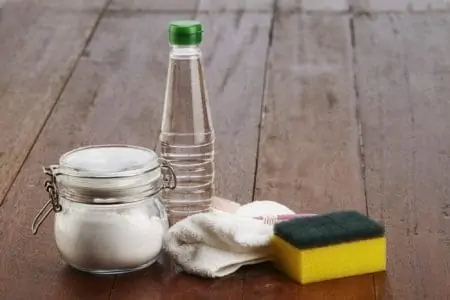
If your fixtures are grimy and need something stronger than dish soap, baking soda will gently scour your chrome without any leaving scratches.
You can also use aluminum foil or tin foil to polish chrome and remove any rust or tarnish from your fixtures.
How to Clean Chrome
There are several different ways you can clean your chrome to maintain its luster. Follow these easy steps of the different cleaning options below.
With Dishwashing Liquid
Dishwashing liquid or dish soap is an excellent cleanser to use daily or weekly to clean your chrome fixtures.
1. Wipe Surface
Before you begin cleaning your chrome fixture, first wipe it down with a clean cloth. You want to remove any dust or dirt on the fixture.
2. Wash the Chrome
Make a cleaning solution by adding a small squirt of dish soap into a bowl of warm water. Mix until you have bubbles and soapy water to clean with.
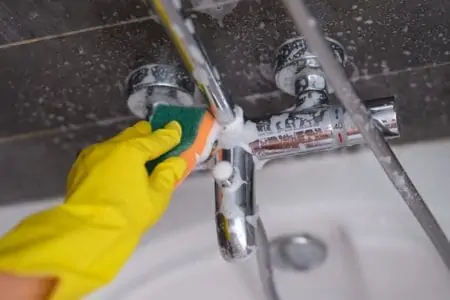
Use a soft sponge or cloth to apply the soapy water to your chrome. Work in gentle circular motions when cleaning. Keep scrubbing until you’ve removed all the dirt from your fixture.
3. Rinse and Buff the Chrome
Rinse the chrome with clean, warm water and a different soft sponge or cloth. Then buff the chrome with a dry cloth until it’s shiny.
With a Lemon
Lemons are a natural cleaner that you can also use to clean chrome.
1. Cut a Lemon
Take a lemon and cut it in half.
2. Rub the Chrome
Use the fleshy part of the lemon to gently rub the chrome. Make sure that you’ve scrubbed all the surfaces. If you see any rust or hard water stains, allow the lemon juice to sit on the chrome for 5-10 minutes before rinsing.
3. Rinse and Buff the Chrome
Rinse the chrome with warm water and a soft sponge to remove all of the lemon juice from the chrome. As lemon juice is acidic, it could damage the chrome if it’s left too long. Finish by buffing the chrome with a soft cloth until it’s shiny again.
With Vinegar
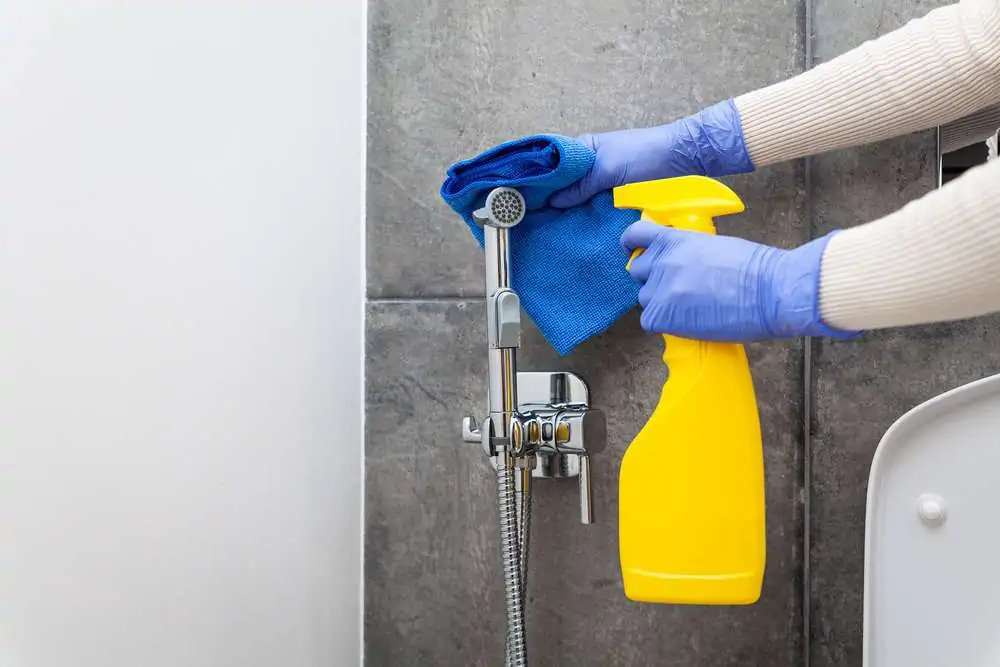
If you’ve noticed rust, mineral stains, or discoloration on your chrome fixtures, you can use vinegar to clean the chrome.
1. Make a Vinegar Solution
Make a DIY white vinegar solution using a 1:1 ratio of vinegar and water. The easiest method is to mix 1 cup of vinegar and 1 cup of water in a bowl.
2. Apply the Vinegar Solution
Apply the vinegar solution to your chrome. You may put the vinegar solution in a spray bottle to spray the fixture. Another option is to apply the solution to the fixture using a soft cloth.
Allow it to sit for 5-10 minutes.
3. Rinse the Chrome
After 5-10 minutes have passed, use a soft sponge and warm water to remove the vinegar solution from the chrome. Make sure that you’ve completely removed the vinegar as it may etch the chrome if it’s not removed properly.
With Baking Soda
Baking soda is an extremely gentle scouring powder that will not scratch your chrome. So it’s perfect when your chrome fixtures are grimy or stained.
1. Make a Baking Soda Paste
Put a tablespoon of baking soda on a plate. Add a very small amount of water and mix until you’ve made a paste.
2. Spread Over Fixtures
Spread this paste over your fixtures using a clean cloth or a toothbrush. The toothbrush is handy for reaching hard-to-reach areas of your fixtures. Scrub your fixtures as you spread the paste to help scour the grime away.
3. Rinse and Dry
When you’re finished scrubbing the fixtures, immediately rinse them with warm water. Buff the fixtures dry with a clean and dry cloth.
With Tin Foil
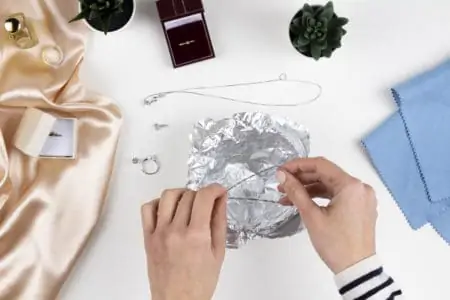
Amazingly, you can use tin foil or aluminum foil to clean and polish chrome.
1. Make an Aluminum Ball
Tear off a small piece of aluminum or tin foil. Crumple the piece of foil in your hands until it forms a ball.
2. Clean the Chrome
Wet the foil by holding it under running warm water, dipping it in warm water, or dipping it in white vinegar. Then gently rub the chrome all over until it feels smooth under your fingers.
3. Buff the Chrome
Use a clean and dry cloth to buff the chrome until it’s dry and shiny. If the chrome isn’t shiny enough, repeat the procedure a second time.
How to Polish Chrome Fixtures
If you’d like to polish your chrome to keep its shine, you will need to polish your chrome after you have cleaned it. The best way to do it is to grab a dryer sheet, it can be a new sheet or an old sheet. Then buff your chrome with the dryer sheet until it shines.
You can also wax your chrome fixtures to help them stay shiny for longer. The easiest way is to grab a piece of wax paper and buff your fixtures with it. The wax will rub off of the sheet and onto your fixtures, which will help to protect them from water spots between cleanings.
Tips For Keeping Chrome Clean
Chrome is easy to keep clean, however, there are a few do’s and don’ts you should follow when caring for your chrome fixtures.
Do’s
- Use a microfiber cloth to wipe your chrome fixtures dry after each use.
- Clean frequently to prevent a build-up of soap scum, grime, and hard water stains.
- Using distilled water to clean chrome will help to prevent hard water stains.
- Read all cleaning labels before use to be sure the chemicals will not harm the chrome.
Don’ts
- Never use abrasive scouring pads or powders on chrome. They will scratch it.
- Never use a stiff-bristled brush on chrome as it will also scratch the finish.
- Do not leave any vinegar on chrome for a long period of time as it will damage the finish.
FAQs

Does Windex Clean Chrome?
Yes, you can use Windex to clean chrome. Spray Windex on the chrome and then wipe and buff the chrome with a soft cloth.

Does WD-40 Remove Rust Chrome?
Yes, WD-40 will dissolve rust on chrome. Allow the chrome to soak in the WD-40 for 1-3 hours. Use a paper towel to remove as much of the WD-40 as you can before using warm soapy water to clean the chrome.
Use a clean, dry microfiber cloth to buff the chrome when you’re finished.

How Do You Get Pitted Rust Off Chrome?
You can remove the pitted rust on the chrome by sanding it. You will work from 400-grade sandpaper through 00000-grade steel wool. When you’re finished, apply two coats of lacquer making sure that you wear a breathing mask and eye protection while applying the lacquer.
Do be careful, as sanding the chrome may leave scratches on it. The best method is to prevent the chrome from becoming pitted by using WD-40 on rusty spots or using aluminum foil to buff the chrome.

Will Vinegar Damage Chrome Fixtures?
You can clean chrome with vinegar. However, vinegar is an acid so extended exposure to vinegar may cause damage to chrome fixtures as the vinegar may etch the chrome’s finish.

What Should You Not Clean Chrome With?
You should not clean chrome with abrasive creams or powders, scouring pads, stiff-bristled brushes, or powerful commercial cleaners without checking the label first.

Will a Toothbrush Scratch Chrome?
A toothbrush won’t scratch chrome, provided you use a soft-bristled brush. It is an ideal tool for getting into all the tight spots that a cloth can’t reach.
Best Way to Clean Chrome
Ultimately, the best way to clean chrome is with a daily maintenance routine.
Wipe down your chrome with a clean microfiber cloth after every use so hard water spots don’t appear on the chrome. Keep a microfiber cloth next to your bathroom and kitchen sinks so you can easily wipe them down. Clean your chrome weekly using dish soap and buff the chrome dry with a soft cloth.
If you maintain this routine, you’ll be able to keep your chrome looking polished.