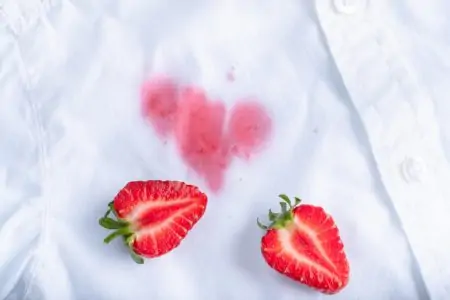
Berry explosions sound delicious, but in reality, they’re a huge source of panic. If you’ve spilled berries down your clothes, all over your carpet, or onto furniture, there’s a good chance you’re freaking out.
But not to worry. You can actually remove these stains to the point where you’ll forget all about the berry accident.
Whether you’ve spilled strawberries, blackberries, blueberries, or a mix, we can help guide you on how to remove the stains. Sit back, relax and read on.
Key Takeaways
- Remove berry stains by flushing with cold water, pretreating with a stain remover, and washing with heavy-duty detergent.
- For stubborn stains, soak the clothing in water with bleach (if allowed by care label) and rinse and dry once the stain is gone.
- Avoid using hot water as it can set the stain, making it harder to remove.
- Check the stained area before drying, as the heat of a dryer can also set stains.
How to Remove Berry Stains From Clothing
Let’s walk through the best method for removing berry stains from clothes. This is a fairly straightforward method. But do keep in mind that it might take a little bit of trial and error.
The longer the stain sits, the more difficult it is to remove. So the quicker you clean and wash the stain, the better.
- Time: 10-20 minutes of work, a few hours overall
- Difficulty: Intermediate
What You’ll Need
- Metal spoon
- Cold water
- Stain treatment (store-bought, or you can make your own using one tablespoon of white vinegar, ½ teaspoon of dish soap, and one quart of cold water)
- Heavy-duty laundry detergent
- Washing machine
- Bleach (optional)
Remove the Solids
First, remove any excess berry from the clothing. Use the back of a metal spoon to gently scrape off as much of the berry as you can. Compost this if you can!
Be careful not to spread the stain around the clothing.
Flush With Cold Water
Under the faucet, flush the item with cold water, focusing on the stained area. The cold water will help to remove any extra berry. Plus, the cold temperature will be sure not to set the stain.
Pretreat the Stain
Now for the important part: pretreating the stain. You can use your favorite stain remover or the following homemade one:
- One tablespoon of white vinegar.
- ½ teaspoon of dish soap.
- One quart of cold water.
Leave the treatment on for the recommended time according to the packaging. If using the homemade treatment, leave it for 30 minutes.
Wash With Heavy-Duty Detergent
Use a heavy-duty laundry detergent to wash the berry-stained item in cold water. Using hot water can set the stain.
Examine the Stain Before Drying
Hopefully, now, the stain is gone! But if not, you’ll need to repeat the steps above until the stain is removed. Sometimes, it takes a few attempts before the stains vanish, so don’t be disheartened.
Top Tip
If the stain is gone, you can dry the garment according to the care label. If not, move to the next method and follow the steps.
Soak In Water With Bleach
If the stain isn’t budging and the care label allows bleach, you can use chlorine bleach to obliterate the stain. Bleach is especially useful on white shirts and other fabrics, but we don’t recommend this for colored clothes as you will bleach the colors away.
To do this, follow the bleach’s packaging instructions. It will advise you on how to dilute the bleach and how long to soak the garment.
Rinse And Dry
Once the berry stains are gone, rinse the item in water and dry however you please.
Pro Tip
How To Remove Berry Stains From Concrete
Clothing isn’t the only target area for berry stains. If you’re running late for work and spill your berry smoothie all over the driveway, it can leave a stain.
The quicker you tackle these stains, the easier it will be to remove them.
- Time: 10 minutes
- Difficulty: Beginner
If you let the stain sit, it will be more tricky to remove because concrete is porous.
What You’ll Need
- Damp sponge or towel
- Dry sponge or towel
- Washing soda, detergent, or dish soap (do not use hand soap)
- Bristled brush
- Water (you can use a hose or power washer if you have one)
Remove Any Berry Solids and Liquids
First things first, remove the excess berry. Using a damp sponge or towel, wipe up as much of the mess as you can. Then, use a dry sponge or towel to collect any residue.
Mix a Cleaning Solution and Blot the Stain
Mix a few tablespoons of washing soda, detergent, or dish soap with cold water in a large bowl or bucket. Using another dry sponge or towel, blot the stain with your cleaning solution. Do this for a few minutes to thoroughly saturate the stained area.
Rinse Well
Let the solution sit for 5-10 minutes. Rinse well using a bowl of water. This might be more effective if you have a hose or power washer.
Remove The Tough Stains
If tough stains persist, repeat the above steps to try and budge the stains. It may take a few attempts, but you can do it!
Air-Dry and Vacuum
Let the stain air dry. Once it’s completely dry, you may need to go over the area with a vacuum if little bits of concrete or fuzz from your towel remain. Use your vacuum attachment to do this, not the roller head as this may cause damage.
Pro Tip
If the stain is extremely tough, try this:
- Mix flour and hydrogen peroxide until you’ve created a thick paste.
- Cover the berry stain with a layer about ¼ inch thick.
- Tape plastic wrap over the paste and leave for 24-48 hours.
- Let the paste lift the stain from the concrete.
- Sweep the paste away.
- Rinse well.
Removing Berry Stains From Carpet

Unfortunately, we’ve been in this situation recently! It was a berry smoothie disaster! My sister spilled it all over her landlord’s carpet, but thankfully, we got it out with the powerful tips from Oh So Spotless.
This is a laborious process, especially if the stain is big. It may be pretty stressful but with the right products and perseverance, those berry stains will be completely gone.
- Time: 1-2 hours
- Difficulty: Intermediate/Expert
What You’ll Need
- Old towels
- Dish soap
- Warm water
- White cloths
- Oxygen bleach (optional)
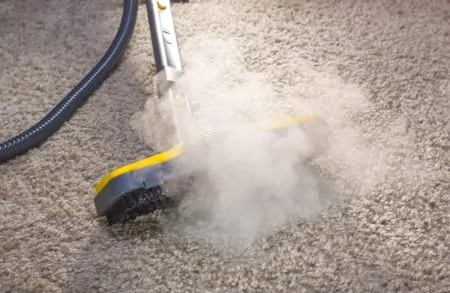
- Carpet cleaning machine (optional)
- Vacuum
Blot With Old Towels
You’ll need to blot the excess smoothie up first. Use old towels that you don’t care about
staining. Do this until you’ve blotted up as much of the excess berry mess as possible.
Make a Cleaning Solution and Blot the Stain
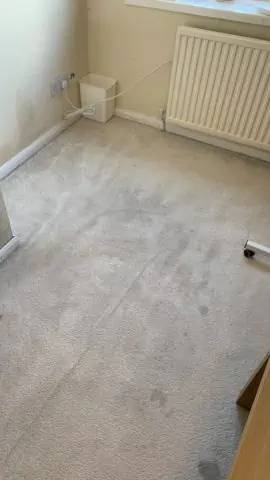
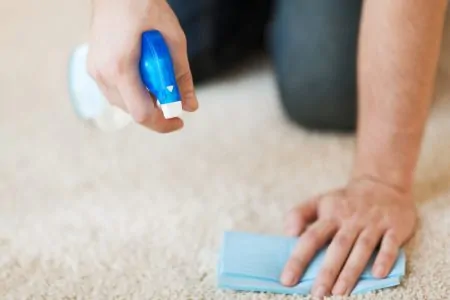
Mix together one teaspoon of dish soap and two cups of warm water. Use a white cloth (so as not to discolor the carpet further) and blot the berry stain. Continue doing this until the stain is gone. It may take a while.
If the stain still isn’t completely gone, you may need to try a more heavy-duty cleaning solution.
Tackle Tough Stains With Oxygen Bleach
You don’t want to use chlorine bleach on the carpet, but oxygen bleach will be your best friend. Follow the packaging instructions to apply the oxygen bleach safely. Make sure to note how long to leave the bleach on the carpet. If you leave it on for too long, it can whiten the fibers.
When we had our smoothie disaster, the oxygen bleach product that worked like a charm: the Bissell Oxygen Boost. You can use it independently or in the Bissell carpet cleaner machine.
Rinse the Area Well
Using a white towel and cool water, rinse the area well and assess the stain. If it’s still there, repeat the oxygen bleach step.
Let the Carpet Air Dry and Vacuum
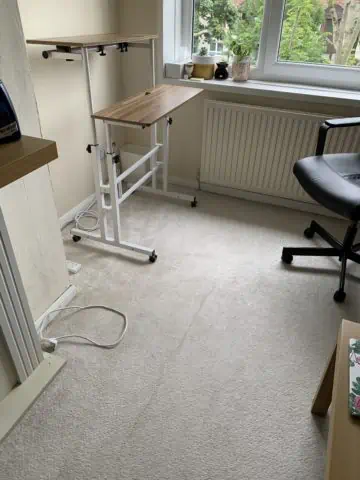
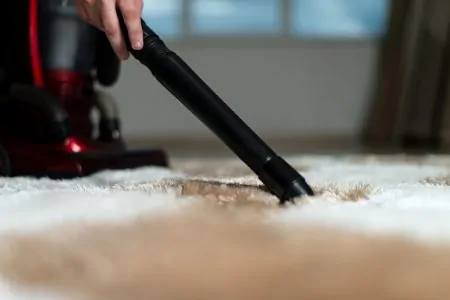
Give the carpet a good 24 hours to completely air dry. Vacuum the carpet to remove any debris and residue.
Pro Tip
Cleaning Berry Stains From Wood
Nobody wants stains on their lovely wooden furniture. But if you do have a berry mishap, we can help.
This is also a great method for removing berry stains from your cutting board.
This is a pretty lengthy process, and you need a few specific products to make it work, but when those berry stains are staring you in the face, you’ll do anything to see them gone.
- Time: 1 hour
- Difficulty: Intermediate/Expert
What You’ll Need
- Dish soap
- Bowl
- Hot water
- Cloths
- Oxalic acid (optional). Try lemon juice instead if you don’t want to use oxalic acid.
- Wax or polish
Remove Excess Berry Using Spoon
Use the back of a metal spoon to scrape off as much of the excess berry as possible.
Mix Cleaning Solution Using Dish Soap
Mix dish soap in a bowl of hot water, creating bubbles. Apply the cleaning solution to the berry stain using a clean white cloth. Blot well to lift the stain. This may take 5-10 minutes until you start seeing a difference.
Remove Tough Stains
You can mix one tablespoon of oxalic acid per one pint of water for tough stains. Keep in mind that oxalic acid is toxic, and you should use it carefully while wearing rubber gloves and keeping good ventilation (1).
Pure undiluted lemon juice is a great alternative if you don’t want to use oxalic acid. Apply a halved lemon directly to the stain and scrub for a few minutes to lift the stain.
Rinse and Dry
Rinse the area with lukewarm water and let it air dry.
Pro Tip
Removing Blueberry Stains From Skin
We’ve given you various tips for removing berry stains from places around your home. But what about the pesky blueberry stains that linger on your skin long after you’ve eaten?
This fairly straightforward method shouldn’t take longer than five minutes. Say goodbye to the weird blue fingers, once and for all!
- Time: 5 minutes
- Difficulty: Beginner
Guess What
What You’ll Need
- Cornmeal
- Lemon juice
- Bowl
- Spoon
- Water
Rinse Excess Off
Using soap and water, rinse the excess berry off before moving on to the next steps. Sometimes this can be enough!
Make a Cleaning Solution Paste
Mix the cornmeal and lemon juice together until you’ve created a paste. Use a spoon to mix it until it has a similar texture to peanut butter.
Apply Paste to Your Fingers
Dip your fingers into the paste and spread it over your fingers until the berry-stained area is covered. Let this sit for up to three minutes. If it stings, rinse it off. The acid in the lemon juice can be irritating.
Rinse Your Hands
Once a few minutes have passed, rinse your hands, and the blueberry stains should be gone! If not, repeat for another minute.
FAQs About Removing Berry Stains

Do You Use Hot Or Cold Water For Berry Stains?
Always try to use cold or lukewarm water when removing berry stains (or any stain for that matter). Hot water can set a stain making it impossible to ever remove.

Does Boiling Water Remove Berry Stains?
There is an old wive’s tale about boiling water removing berry stains. In reality, it seems to be hit or miss, but it may be worth a go if nothing else is working.
- Rinse the stained garment with cold water.
- Stretch the fabric over a bowl and secure it in place with a rubber band.
- Pour boiled water from a height of around 30 inches over the stain until the bowl beneath is full.
- Wash your clothes as usual.
This can work because boiling water can remove stains when it’s done hard and fast. That’s why you need to pour it from up high. If your garment is precious to you, we don’t recommend starting with this since boiling water can sometimes set stains.

Are Blueberry Stains Permanent?
Blueberry stains are permanent if left untreated on certain surfaces. The best policy is to clean up any stains immediately after they happen.

How Do You Get Blueberry Stains Out of a Sink?
The best way to get blueberry stains out of a sink is to soak the mark in soapy water. Then sprinkle baking soda to make a paste. If that doesn’t work, try hydrogen peroxide.

How Can You Eat Blueberries Without Staining Your Teeth?
The best way to eat blueberries without staining your teeth is to wash them down with a glass of water. Another method is to drink milk to neutralize the acids in the fruit.

Does Vanish Remove Berry Stains?
Vanish does remove berry stains. It uses millions of tiny bubbles that react with the stain to lift it from materials and clothing.
Bye, Bye, Berry!
Berry stains are pesky stains. Whether you’re eating a pie, drinking a smoothie, or making jam — we can all be clumsy sometimes. When the delicious berries stain a garment, it can feel like a nightmare.
But with our handy methods and pro tips, you don’t need to worry about berry stains anymore. Whether you’re cleaning your carpet, your clothes, your driveway, or your chopping board, we’ve got you covered.