Have you ever wanted to use regular detergent in your high-efficiency machine? After all, the cost of regular detergent is usually cheaper than HE detergent. Plus it’s readily available and easy to purchase and use.
However, it’s said that regular detergent will damage your HE washing machine. So today we’re discussing if you can use regular detergent in a washer.
Key Takeaways
- Do not use regular detergent in a high-efficiency (HE) washer, as it creates too many suds and can damage the machine.
- HE detergent is designed for low-water settings and should be used in HE washers to clean clothes effectively.
- If you accidentally use regular detergent in an HE washer, cancel the wash cycle, spin and drain, rinse, and then wash with cold water to remove the detergent.
- High-efficiency detergent can be used in a regular washing machine, but follow the recommended amounts on the container to avoid residue buildup.
- Can You Use Regular Detergent In A High-Efficiency Washer?
- Can You Water Down Regular Detergent?
- HE Detergent Vs Regular Detergent
- What To Do If You Accidentally Used Regular Detergent In HE Washer
- Can You Use High-Efficiency Detergent In a Regular Washer?
- Best HE Laundry Detergent
- FAQs
- Using Regular Detergent in High-Efficiency Washers
Can You Use Regular Detergent In A High-Efficiency Washer?
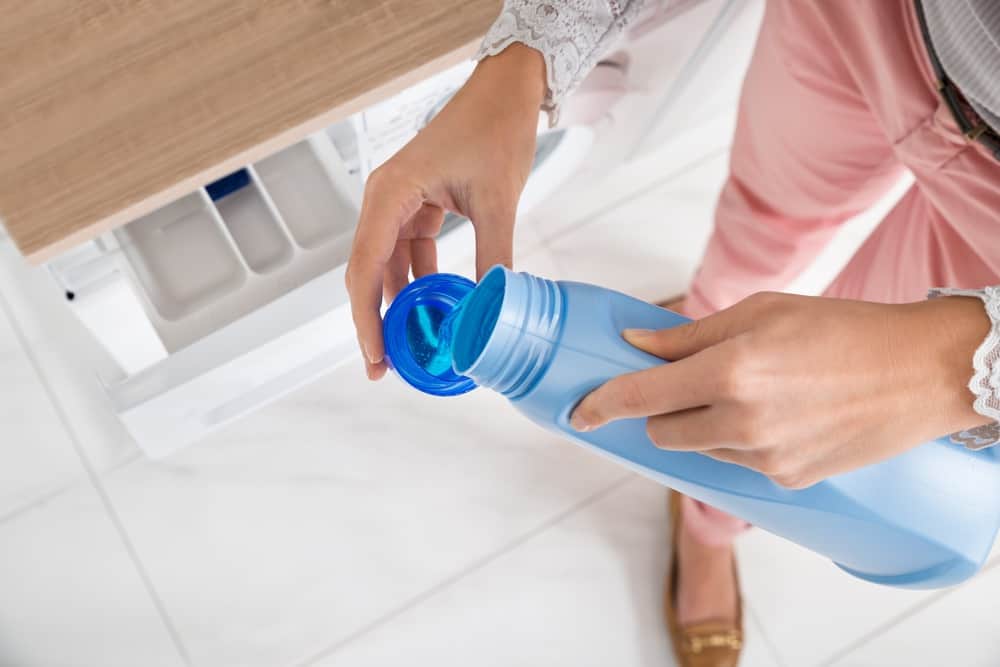
No, you can not use regular detergent in a high-efficiency washing machine no matter whether it’s a top load or front load machine. You’ll create too many suds in the tub. The suds may overflow and cause long-term damage to your washing machine through overheating or water damage to the components.
Excessive suds may confuse your machine, causing your washer to stop mid-cycle.
The suds will also leave a residue buildup in your machine that will encourage the growth of mold, mildew, and bacteria. Eventually, your machine may begin to stink from this growth.
In addition, the suds from the regular detergent may interfere with the washing machine’s tumbling action which will reduce its ability to remove laundry stains and wash your clothes properly. Your HE washing machine doesn’t use much water when rinsing clothing which means your clothing will not be rinsed thoroughly either.
You’ll end up needing to use much more water to rinse and wash your clothing than your HE machine is designed to use, as HE washers are designed to use low water levels and a tumbling washing action. This conserves water.
However, this means that you must use specially formulated detergents that don’t create many suds in your machine. In other words, you can only use HE detergents in a HE machine.
Can You Water Down Regular Detergent?
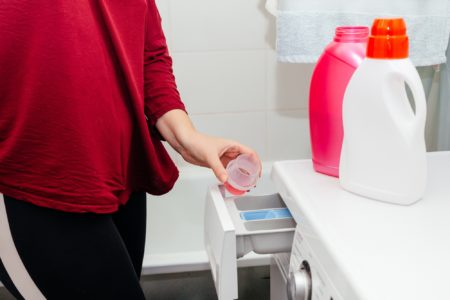
No, you can’t water regular detergent down enough to use in an HE machine as very little HE detergent is used during a normal load. The HE detergent is designed for use in a low water setting and only requires a couple of teaspoons per load.
Regular detergent requires water to dissolve. In order to water down the regular detergent enough not to create suds, you’d be adding only a minute amount of detergent to your wash cycle. This will affect your machine’s performance and your clothing will not be washed properly.
However, you can use a regular fabric softener in your HE washing machine.
HE Detergent Vs Regular Detergent
Regular detergent and HE detergent use the same cleaning ingredients, enzymes, water conditioners, and surfactants. However, there is a difference in how the two types of detergents are formulated.
Regular detergent is made for a washing machine that will submerge the clothing in order to wash them. It produces plenty of suds and will hold onto dirt, dyes, and soil so the filth doesn’t get back onto the clothing. The water will rinse away the filth.
Regular detergent needs a high volume of water to dissolve and wash your clothing.
A high-efficiency machine uses up to 66% less water than a traditional washing machine. This means that the clothing isn’t submerged and regular detergent will not clean a load of washing.
HE detergent is formulated to be low-sudsing so it won’t damage your HE washing machine. It also disperses quickly and will hold dirt, dyes, and soil suspended in low amounts of water.
This means that the HE detergent is designed with a formula that allows it to work with far less water. While you need very small amounts of HE detergent to wash your clothing and it creates very few suds, your clothing will become just as clean as it does when you use regular detergent.
What To Do If You Accidentally Used Regular Detergent In HE Washer
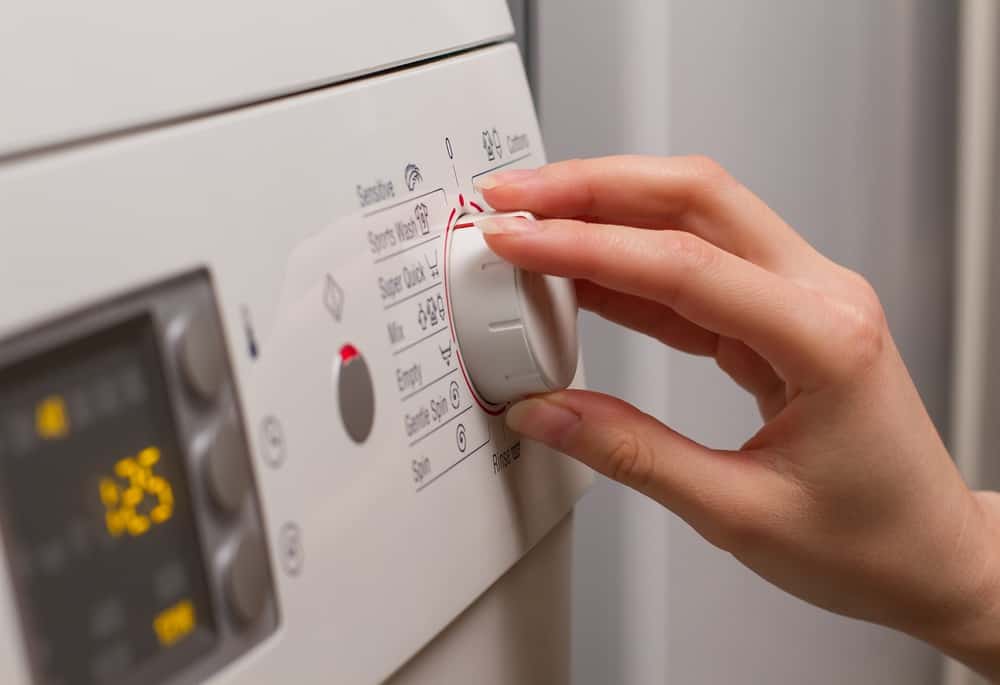
Nothing is worse than discovering that you poured non-HE detergent into your expensive HE machine. You don’t want to lose years of use from your machine or have the clothing in your washing machine stained due to improper washing.
- Time: 2 hours
- Difficulty: Beginner
1. Cancel the Wash Cycle
If you realize that you used regular detergent or checked your machine to discover that your washing machine is filled with suds, cancel the wash cycle immediately.
2. Spin and Drain
Set your washing machine to the spin cycle so that the water will drain from your washing machine along with most of the detergent. This will help to remove the sudsy water.
3. Rinse
After the water has drained from your washing machine, rinse your machine with cold water. Do this by setting your machine to a rinse cycle with cold water followed by a spin cycle.
Make sure that you do not accidentally set your machine to wash or agitate the water. This will only create more suds that might harm your washer.
4. Wash
After the rinse and spin cycle, your washer should have all the water drained from the machine. Now restart the washer using a regular wash cycle with cold water. This will make sure that the last of the regular foaming soap has been removed.
Can You Use High-Efficiency Detergent In a Regular Washer?
Yes, you can use high-efficiency detergent in a regular washing machine. While expensive, it’s safe and will not harm your laundry or your machine.
However, you’ll need to make sure that you don’t use too much HE detergent. It’s designed not to create too many suds no matter how much detergent you use. Also, too much of the detergent will leave behind a soapy residue which is the perfect breeding ground for mold, bacteria, and mildew.
So follow the recommended amounts of the detergent container when you use HE detergent in a regular washing machine.
Best HE Laundry Detergent
There are several excellent high-efficiency detergents that you can use to wash your clothing. These detergents are designed for use in an HE machine and will do an excellent job cleaning your laundry.
These detergents are:
- Arm and Hammer HE Liquid Laundry Detergent
- Biokleen Free and Clean Laundry Detergent
- All Liquid Laundry Detergent: Clean for Sensitive Skin
- Tide Liquid Laundry Detergent
FAQs

What is the Difference Between High-Efficiency and Regular Washers?
The main difference between a high-efficiency and regular washer is the load capacity and energy usage. Traditional washers have a larger capacity, while HE washers use less water and energy.

How Do I Know If My Washer is High-Efficiency?
You will know if your washing machine is high-efficiency because it will have a HE sticker on the front. It also has a better energy rating and will likely be a front-loading model.

How Do You Make High-Efficiency Laundry Detergent?
The best way to make high-efficiency laundry detergent is to mix two tablespoons of Sal Suds into the detergent dispenser. Next, add two tablespoons of washing soda and 1/4 cup of baking soda.

Does High-Efficiency Detergent Come In Pods?
High-efficiency detergent typically comes in pods or liquid form. The pods go straight into the drum, while the liquid goes into the detergent dispenser.

Is Powder Laundry Detergent Better Than Liquid?
Powder laundry detergent is better than liquid because it contains more potent cleaning chemicals that get your clothes brighter and cleaner.

How Many Detergent Do You Use In a High-Efficiency Washer?
Knowing how many detergent to use in a high-efficiency washer is crucial for the best results. Use two teaspoons of liquid detergent per load or one pod per standard load.
Using Regular Detergent in High-Efficiency Washers
High-efficiency washing machines are designed to use very little water and a tumbling action to wash your clothing. This means that when you use regular detergent in a HE machine, you will not have enough water available for your clothing to be properly washed. In addition, the regular detergent will cause an overflow of suds that may damage your HE washer.
You need to use HE laundry detergent in a high-efficiency washer in order to wash your clothing properly and prevent damage to your expensive washing machine.