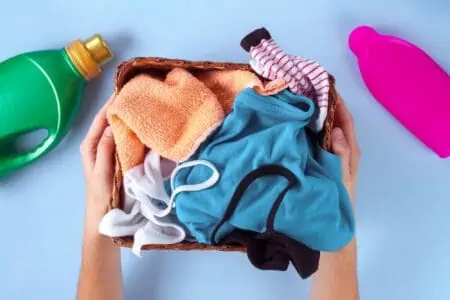
A colorful wardrobe brings fun, delight, and personality. But when those clothes become stained, it can turn you white as a ghost in panic.
Thankfully, we’ve researched how to remove stains from colored clothes most effectively. Whether you spill tea or oily food onto your clothes, have sweat or blood stains, or perhaps have slipped in the grass — we can help. You can remove all of these marks.
Keep reading for some of the best stain removal methods. You’ll be tickled pink by the results!
Key Takeaways
- Remove sweat stains from colored clothes using a 1:1 solution of distilled white vinegar and water, soaking for 30 minutes, then washing with cold water and heavy-duty detergent.
- Treat blood stains by soaking in cold water, rubbing bar soap into the stain, pre-treating with enzyme-based detergent, and washing in cool water with oxygen bleach.
- Get rid of grass or mud stains by applying liquid biological detergent, rinsing with cool water, and washing as usual. If the stain persists, try a 1:1 vinegar and water solution.
- Eliminate tea or coffee stains by rinsing with cool water, applying liquid laundry detergent for 15 minutes, and washing the garment in cold water.
Tips For Removing Stains From Colored Clothes
Before we get into the step-by-step guide, we want to share some top tips with you. Keeping these in mind can ensure you get the best results from your stain removal efforts.
- Understand the stain: Knowing what type of stain you have is crucial for stain removal. For instance, a protein-based stain is best removed with an enzymatic cleaner.
- Tackle the stain immediately: Don’t wait hours before you get around to stain removal. Treat the stain as soon as possible.
- Know the fabric: Most fabrics, especially cotton and synthetics, can be washed at home. However, you should take dry-clean-only fabrics to a professional.
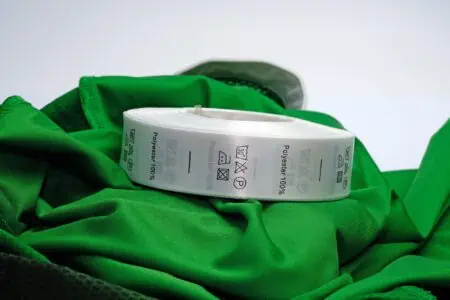
- Check the care label: Check the care label for specific advice, like what temperature to wash the garment at and whether you should turn the item inside out.
- Wash with similar colors: Avoid washing red clothes with yellow clothes. This can cause color transfer stains which are near impossible to remove.
- Avoid heat: Use cool water until the stain has been removed. The heat from water or the dryer can set a stain permanently.
- Try white, non-gel toothpaste: A random hack to keep in mind is that toothpaste can help remove food-based stains. Apply a pea-sized amount of toothpaste onto the stain and emulsify it with water. Rub gently until the stain fades, then rinse. Launder when you get a chance.
How to Remove Stains From Colored Clothes
We’ll walk you through various types of stains and how to remove them. Whether you’re overwhelmed by blood stains, grass, oil, or something else, we’ve got a method to try!
Sweat Stains
Distilled white vinegar can blast sweat stains out of your colored clothing.
- Create solution: Create a 1:1 solution of vinegar and water in a large bowl, sink, or basin.
- Soak: Soak the affected garment in the solution for 30 minutes.
- Wash: Wash the garment in the machine with cold water and a heavy-duty detergent, such as Tide Original.
Rust Stains
Rust stains can cause you to see red (in more ways than one). Thankfully, we can remove them with a little home remedy. Keep in mind this method is for lighter colors, but always check in an inconspicuous spot.
- Sprinkle salt: Lay the garment flat and sprinkle salt over the stain.
- Apply lemon: Squeeze fresh lemon juice over the salt.
- Sunshine: Lay the garment in direct sunlight. The ultraviolet rays will help the salt and lemon work together to absorb the stain.
- Wash: Wash the garment as usual.
To remove rust stains on darker colors, including black, test the lemon juice in an inconspicuous spot. You can use the above method if it doesn’t bleach the garment. Otherwise, try this:
- Brush off excess: Brush off the excess rust using a toothbrush or soft-bristled brush.
- Pre-treat: Combine three tablespoons of baking soda per gallon of water. Soak the garment in the solution for five minutes.
- Wash: Wash the item in cold water using a heavy-duty laundry detergent.
Blood Stains
Blood stains can be hard to remove from colored clothing, but it’s not impossible. If the blood is fresh, you have a great chance of getting it out.
- Soak: Soak the garment in cold water as soon as possible. The cold water will break up the stain and flush out excess blood.
- Rub in soap: Rub bar soap into the stain and scrub well, reapplying cold water as necessary.
- Pre-treat: Pre-treat the garment with an enzyme-based liquid laundry detergent or stain remover. Leave it on the garment for the time recommended by the manufacturer.
- Wash: Wash the garment in cool water with oxygen bleach.
Check that the stain is gone before drying the garment. If it remains, repeat the above steps.
Grass or Mud Stains
If you have kids, live rurally, or play outdoor sports, grass and mud stains are bound to happen. To remove, try this method:
- Apply detergent: Apply a quality liquid biological detergent to the stained area and rub it in well.
- Wait: Leave it to work its magic for a few minutes.
- Rinse: Rinse the garment in cool water.
- Wash: Wash the garment as usual in cool water.
- Try vinegar: If the stain persists, create a 1:1 solution of water and distilled white vinegar. Soak the stain and let it sit for 30 minutes.
- Scrub: Scrub the area well with a soft-bristled brush.
- Rinse: Rinse the garment in cool water.
- Wash: Wash as usual with cool water.
Tea or Coffee Stains
A liquid laundry detergent can do the trick to remove tea or coffee stains from colored clothes.
- Rinse: Rinse the clothes in cool water.
- Apply: Apply a few drops of liquid laundry detergent to the stain. Leave it on for about 15 minutes.
- Wash: Wash the garment as usual in cold water.
Ink Stains
You must treat ink stains immediately. Otherwise, the ink can permanently set.
- Prepare the area: Place a paper towel or old rag underneath the stained area of the garment. Pour rubbing alcohol over the stain. The towel or rag will absorb the excess.
- Apply more alcohol: Apply a few drops of rubbing alcohol over the stain. Blot the area, continuing until the ink has dissolved. If it’s a larger stain, pour the alcohol into a bowl and submerge the stained area in the bowl. Soak it for 15 minutes.
- Rinse: Rinse the garment in cool water.
- Apply stain treatment: Apply your preferred laundry pre-treatment onto the stained area. Leave for the recommended amount of time.
- Wash: Wash the garment at the highest temperature the care label suggests. Add your usual detergent, and feel free to add other items to the wash.
For Permanent Marker Ink
While the above method works great for ball-point and water-based ink, it’s not as effective on permanent ink. Instead, you might need to try a permanent ink remover such as amodex.
Wine Stains
There’s nothing worse than spilling wine onto your clothes when you’re trying to relax. Try this method if you’ve spilled it down your shirt, pants, dress, or pajamas.
- Place a cloth: To avoid any other layers of the fabric getting wet, place an absorbent cloth or towel beneath the stained area. Make sure it’s something you don’t mind getting stained.
- Blot excess wine: Soak up the excess wine by blotting it with a towel or napkin.
- Cover with salt: Cover the stained area with salt and gently press it against the fabric. The salt will absorb the red wine. Repeat this step as often as necessary, alternating between dampening the fabric with cold water until you’ve removed as much of the stain as possible.
- Apply a pre-treatment: Apply your favorite pre-treatment to the garment. If you don’t have a commercial stain remover, apply a 1:1 solution of baking soda and water.
- Wash: Wash the garment in cool water using a laundry detergent designed for stains. For this, we recommend something like Persil ProClean Discs.
- Soak: If the stain hasn’t come out, soak the garment in cool water for a couple of hours and repeat steps three to five.
Oily Food Stains
We don’t even bat an eyelid at oil stains anymore. This method works so well at removing them.
- Apply dish soap: Apply a few drops of dish soap directly to the stain.
- Rub: Rub the dish soap in well with a finger, and leave it to sit for five minutes.
- Rinse: Rinse the area with cool water.
- Wash: Wash the garment, as usual, using cool water.
How to Remove Color Run Stains From Other Clothes
When you place a non-colorfast item of clothing in the washing machine, it can ruin the rest of the garments. Once that happens, it can permanently set stains. But we have a method that has proven to help remove those stains caused by other clothes.
Whether you’re trying to remove blue, red, or green color transfer — this method can help.
- Time: 25 minutes (plus waiting time).
- Difficulty: Easy.
What You’ll Need
- Oxygen bleach.
- Cup.
- Laundry detergent.
- Sink or basin (optional).
1. Make Oxygen Bleach Solution
Dissolve the oxygen bleach according to the packaging instructions. Then add it to the washing machine drum or detergent dispenser.
2. Wash the Garments
Place the garments in the machine. Add your regular detergent and run a cold cycle.
3. Check the Clothing
Once the cycle has finished, check the clothing. If the stains have come out, dry those garments; if the stains remain, rewash those garments.
4. Soak Persistent Stains
We will try an oxygen bleach soak for garments that are still stained. Follow the packaging instructions for the recommended diluting ratios and leave the garments to soak for eight hours.
5. Wash As Usual
After eight hours, wash the affected garments on a cold cycle with your regular detergent. If the stain persists after that, it will probably not come out of the garment.
How to Remove Tough Stains From Clothes
Our suggested methods are most effective on fresh stains. But what if you have stubborn set-in stains? Can you still remove them?
We can certainly try. The most effective way to do this is using oxygen bleach, such as OxiClean. Simply follow the packaging instructions for the best results.
If you can’t access oxygen bleach, you can also try vinegar and baking soda.
- Apply vinegar: Spritz undiluted white vinegar onto the garment.
- Sprinkle baking soda: Sprinkle a generous amount of baking soda over the garment.
- Scrub: Gently scrub the baking soda and vinegar into the garment using a soft-bristled brush.
- Wait: Leave it to soak for 30 minutes.
- Rinse: Hold the back of the garment under a tap of cool water for a few minutes to flush the stain out.
- Spritz vinegar: Spray the garment with vinegar again.
- Prepare an overnight soak: Fill a bucket or sink with around one gallon of water. Add ½ cup of vinegar and a couple of tablespoons of laundry detergent.
- Soak: Soak the garment overnight. In the morning, check if the stain has been removed. If so, wash as normal. If it hasn’t been removed, it’s probably unsalvageable. You can upcycle the garment into something else, or you might as well tye-dye it!
Home Remedies For Stain Removal
Having a stain remover in the cupboard is a must. You never know when somebody is going to spill something down their clothes. Whether you buy one from the store or create a recipe, it doesn’t matter, as long as you have one.
However, if you want to make a DIY stain remover, here’s a great recipe to try!
- One tablespoon of bicarbonate of soda.
- Four tablespoons of washing-up liquid.
- Eight tablespoons of three percent hydrogen peroxide.
Store the mixture in a dark bottle. If it’s clear, it can go off quicker since it’s affected by light.
Keep in mind that hydrogen peroxide can bleach colored clothes, so always test in an inconspicuous spot. However, it’s rare that it will do this. If you want to have a different recipe that’s 100 percent safe on colored garments, try this:
- One tablespoon of dish soap.
- Four tablespoons of distilled white vinegar.
- One cup of water.
FAQs

What is the Most Difficult Stain to Remove?
In our experience, mud and grass stains are a huge challenge to remove. Blood stains can also be tricky to tackle. Red wine is also a pain to eliminate.
Other stains that are hard to remove include:
- Cocoa.
- Poop.
- Permanent marker.
- Turmeric.
- Tomato-based stains.
- Coffee.
- Makeup.
- Paint.
- Sweat.

Does Oxiclean Work on Set-In Stains?
Yes — it’s the top choice for working on set-in stains that have been dried in. The OxiClean Versatile Stain Remover was created with set-in stains in mind. Their advice is to dilute the stain remover, soak the garment for six hours, then wash it as normal.

Will Vinegar Take Color Out of Clothes?
No — vinegar will not remove color or fade clothing. In fact, vinegar can restore colors that have been dulled or faded. We highly recommend it when washing jeans as it can brighten up the natural color of the denim.

How Long Can You Leave Stain Remover on Clothes?
It depends on the ingredients and the brand. If using a homemade stain remover, we recommend around 30 minutes. Most commercial stain removers recommend five minutes.
Always check the manufacturer’s advice and never leave it on too long. Otherwise, you could have a new stain to deal with!