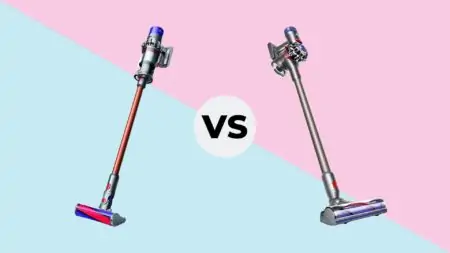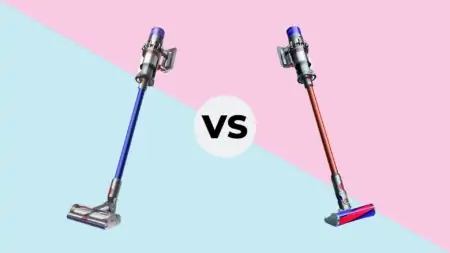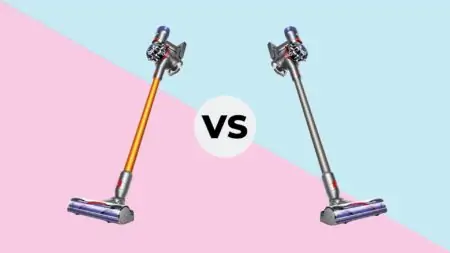
Dyson vacuums come in a variety of models such as the Ball upright vacuums or the handheld cordless sticks such as the V8, V10, V11, or the V15. If you have a Dyson vacuum, then you know that it has exceptional suction power and amazing maneuverability.
However, they need regular maintenance to make sure that they remain amazing vacuums. This means you’ll need to know how to clean a Dyson vacuum filter.
Key Takeaways
- Clean Dyson vacuum filters at least once a month for optimal performance.
- Remove the filter, wash it with cold water, and let it dry for 24 hours before reassembling.
- Dyson cordless vacuums and animal filters have similar cleaning processes.
- Replace Dyson filters yearly to maintain vacuum efficiency and avoid bad odors.
How Often to Clean a Dyson Filter
Dyson recommends that Dyson filters should be cleaned at least once a month to make sure that your vacuum continues to work optimally. However, the frequency depends on how often you use your vacuum, how many pets you have, and how large your house is.
In general, plan on washing your Dyson filter after you’ve used the vacuum several times. Pet hair, dirt, and residue gather in the filters and cause inconsistent performance in your vacuum. Also, taking care of the machine’s filters allows it to last longer.
How to Clean a Dyson Filter
Dyson filter cleaning is an easy task to complete. You will remove the filter from your vacuum, wash it under cold running water, and give your filter enough time to dry.
- Time: 20 minutes + drying time
- Difficulty: Beginner
What You’ll Need
- Bowl
- Sink with running cold water
1. Remove Filter
Turn off and unplug your vacuum before you begin. You will need to remove the filter. Note that some Dyson vacuums have two filters, so be sure to remove all of them. Both filters need to be cleaned.
Most filters are easy to spot as they are purple and are usually located near the cyclone.
The Dyson V6 and V7 filters should be easy to remove as the models are cord-free sticks. The filters on these models are located near the handle. To remove it simply pull the pre-filter out of the cyclone assembly, rotate the post-filter anti-clockwise, and remove it from the back of your vacuum.
2. Presoak Filters
Some filters such as the DC35, DC44, and DC17 require a presoak. Check your user manual to find out whether the filters for your vacuum require presoaking.
To presoak your filter, immerse your filter in a bowl of cold water for at least 5 minutes.
3. Wash Filters
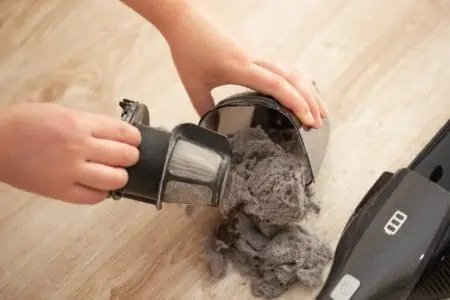
Tap your prefilter against the edge of the trash can or the end of the sink to remove any loose debris inside it. Next, hold it under cold running water. Make sure you run the water over both the inside and outside of the filter.
Tap and shake the filter to dislodge any debris that still remains on it. Keep rinsing, tapping, and shaking the filter until the water runs clear. Then squeeze your filter by hand to remove the excess water.
The post-filter will also need to be tapped and shaken to dislodge any debris trapped inside. Hold the filter so that the cold water runs through its open side.
For some filters, it is best to wash the inside first. Hold the filter upright under the cold tap water and gently agitate the filter with circular motions. Then wash the outside of the filter by placing your hand over the open end and shaking the filter.
Repeat until the water runs clear.
Warning
Do not use a cleanser or soap to clean your filter. The cleansers may cause your filter to smell. Only use running cold water.
4. Shake and Dry
Shake the filters to remove all the excess water. Then lay them horizontally and allow them to dry for at least 24 hours before returning them to the vacuum. Do not try to dry them faster by putting the filters in a microwave, tumble dryer, or near an open flame.
How to Clean a Dyson Animal Filter
The first step to cleaning a Dyson animal filter is to turn off the vacuum and unplug it. There is a red button on the carry handle. Press it to remove the cyclone and bin.
Now lay your machine flat on a solid surface such as a floor. Turn the blue locking dial anticlockwise until the cover is released.
Turn the post-filter ¼ anticlockwise to release it. On the post-filter you will see three catches; press all three of them to remove the post-filter from the baffle. You do not need to wash the baffle when cleaning the animal filter.
Remove the pre-filter by unclipping the front part of the carry handle.
Now wash the pre-filter by allowing cold water to pour through its open end and sides until the water runs clear. This may take a while if you have a lot of dirt in the filter. Squeeze the filter to remove excess water after washing it.
Clean the post-filter by moving it slowly under running water to remove all the dirt and debris caught in it.
After cleaning both filters, tap them on the end of the sink to remove the excess water. Make sure that you only tap on the plastic rim of the post-filter rather than on the filter side of it so it’s not accidentally damaged.
Allow the filters to dry for at least 24 hours before putting them back in the machine.
How to Clean a Dyson Cordless Vacuum
Remove the filter from your Dyson cordless vacuum. Tap it against the edge of the trash can or sink to remove as much dust as possible. Then hold the filter under running cold water while rubbing it with your hands until the water runs clear.
Shake the filter several times to remove excess water before allowing it to dry for 24 or more hours.
When to Replace a Dyson Filter
Plan on purchasing a replacement filter for your vacuum once a year. Even with washing the filters regularly, they still become clogged and may develop odd smells.
Where to Buy New Dyson Filters
You can find Dyson filters such as the Dyson 969082-01, V10 Filter at Dyson, Amazon, Best Buy, and Walmart.
FAQs

How Long Do Dyson Filters Last?
Dyson recommends that you replace your filters each year. Your filter may last longer or shorter than this depending on your regular maintenance schedule and how often the vacuum is used.

What Happens If You Don’t Clean Dyson Filters?
Not cleaning your washable Dyson filter may cause clogs, a reduction of airflow, or a loss of suction in your vacuum.

Why Does My Dyson Filter Smell After Washing?
If your filter smells after you’ve washed it, it could be because you have not allowed your filter enough time to thoroughly dry. Another possibility is that you used a cleanser during the cleaning process which may be causing an odd odor in your filter.

How Do I Deep Clean My Dyson Vacuum?
Switch off and unplug your Dyson vacuum before you begin.
Empty and clean the canister by wiping it with a damp cloth or using compressed air to remove the debris. Don’t wash it as this could lead to the growth of mold. Also, make sure to dry it completely.
Remove and wash the filters.
Then clean the brush roll. You may need to use scissors to remove trapped hair from the brush roll. Use a microfiber cloth to clean the brush bar’s compartment.
Remove the hose from the wand. Make sure it’s unclogged by pushing a mop handle through the hose to remove any debris trapped inside.
If needed, wash the hose by submerging it for 5-10 minutes in a bucket of warm water with 1 cup of vinegar added to it. Shake out the excess water and hang it up to dry.
Finish by wiping the vacuum with a damp microfiber cloth. Allow all the various parts to thoroughly dry before reassembling your vacuum.