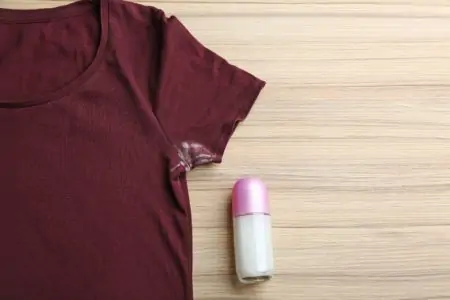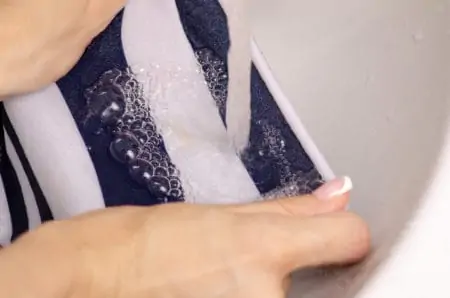
Oil stains are some of the most common — and frustrating — on clothes. They can appear from cooking, eating a juicy burger, or working with your car.
As a clumsy family, oil stains are no stranger to us. We’ve now reached the point where we don’t even bat an eye at an oil stain because we know exactly how to remove it. With our tried and tested methods, no one will ever know there was a stain to begin with.
Key Takeaways
- Act quickly when treating oil stains and use baby powder or baking soda to absorb the oil.
- Try oxygen bleach for set-in stains or color-safe alternatives for bold clothes.
- Use a baking soda and vinegar mixture for a non-toxic and eco-friendly option.
- Paint thinner, also known as mineral spirit, can help remove stubborn motor oil stains.
How to Remove Oil Stains From Clothes
The key to removing any oil stain is to act immediately. The quicker you tackle the stain, the more likely you are to remove every trace of it.
Baby Powder and Dish Soap
Baby powder can absorb the oil stain, removing it completely from your garment. Dish soap is the key ingredient in our household for removing oil stains. It can remove oil from your cookware, so it can definitely remove oil from your clothes!
- Cover the stain with baby powder.
- Gently rub the powder into the garment with an old toothbrush.
- Mix together one teaspoon of dish soap with four teaspoons of water in a small bowl.
- Put the stained bit of the garment into this bowl and let it soak for 30 minutes.
- Rub the area with your old toothbrush to lift the oil stain.
- Wash as normal in cool water with detergent.
- Only dry the garment if the stain has lifted.
Oxygen Bleach
Oxygen bleach can remove all sorts of stains, including oil. You can also find color-safe oxygen bleach for oil stains on your favorite bold clothes. And guess what? This method even works on set-in stains!
- Rinse the garment so it’s damp.
- Put it in a wash cycle with the recommended amount of oxygen bleach.
- Let the machine fill up slightly and leave the garment to soak in the oxygen bleach for one hour.
- Wash on the warmest temperature the garment allows. Check the care label for this advice.
- Check to see if the stain is gone. Let it air dry completely to be sure.
Baking Soda and Vinegar
Would we ever create a how-to guide without including these magic ingredients? Seriously, baking soda and distilled white vinegar can be used for so many types of stains.
- Blot up excess oil with a clean white cloth or paper towel.
- Sprinkle baking soda over the stain and let it sit for 24 hours.
- Vacuum or brush the baking soda off.
- Mix together a 1:1 solution of vinegar and water in a spray bottle.
- Spray the stained area.
- While this is soaking, make a soapy water solution. Apply it to the stain with an old toothbrush.
- Rinse.
- Repeat if necessary.
Paint Thinner
This is a great method for engine or motor oil. Get some paint thinner, otherwise known as mineral spirit, and get going.
- Blot away the excess oil with a cloth or paper towel. Make sure to keep using a fresh bit of cloth or towel so you don’t transfer the oil to other areas of the garment. Keep doing this until no more oil transfer comes up on your cloth.
- Place a paper towel underneath the stained garment. This will collect the excess oil and protect your surface.
- Dip a toothbrush into the paint thinner and gently brush over the stained area, using the bristles to work the liquid into the fibers. Turn the paper towel over to a clean spot every couple of strokes and repeat.
- Continue doing this until the stain is mostly gone.
- Blot the excess moisture on the garment with a paper towel or cloth.
- Fill up a cup with hot water. Apply it to the affected area with your toothbrush.
- Add a little bit of dish soap to the area. Rub it well with your toothbrush. This will cut up the remaining grease.
- Rinse the area well with warm water.
- Wash as normal in your machine.
- Dry the garment only if the oil has been removed.
Chalk
If you don’t have baking soda nearby, you can use chalk. It works in the same way by absorbing the oil. This is ideal for small fresh stains rather than large ones or set-in stains.
- Blot up excess oil with a clean paper towel or cloth.
- Cover the affected area with chalk.
- Let it sit for a few minutes so it can absorb the oil.
- Brush it off and wash the garment as soon as possible.
What Is the Best Oil Stain Remover for Clothes?
If you want a commercial product on hand for removing oil stains, there are many on the market. Our top recommendation would be Grandma’s Secret Spot Remover. Use the power of non-toxic and eco-friendly ingredients to remove oil stains, grease stains, tar, spaghetti sauce, rust, pet stains, clay, ink, and many more stains.
How to Remove Old Oil Stains from Clothes
While removing old oil stains from clothes is tricky, and sometimes impossible, it can be done. Our best method for that would be using oxygen bleach, as referred to above. But there is one more method to try:
- Lay out a piece of cardboard. Put the garment over this. This will protect your surface.
- Spray WD-40 into a shallow bowl.
- Use a q-tip to apply the WD-40 to the oil stain. Remember that less is more. Dab it on gently.
- Sprinkle baking soda over the stain.
- Use a toothbrush to evenly spread the baking soda out so it’s covering the stain well. Continue doing this until the baking soda forms a paste or goes clumpy. This means it’s absorbed the WD-40.
- Shake off the excess baking soda.
- Apply more baking soda to the stains. Brush it in again until clumps form. They’ll be smaller this time.
- Shake off the baking soda and repeat until clumps do not form when you brush the baking soda into the fabric.
- Pour a little bit of dish soap or liquid laundry detergent directly over the stained area.
- Use the toothbrush to rub the detergent into the fabric.
- Let it sit for at least 30 minutes but you can leave it overnight.
- Wash as usual.
- Check if the stain has gone. If it has, dry as normal.
FAQs

Why are Grease Stains Hard to Get Out?
Grease stains are hard to get out because they contain lipids, which is an insoluble material that grips fabric fibers. Once it dries, it can be extremely challenging to remove.

Do You Wash Grease Stains In Hot or Cold Water?
You should wash grease stains in cold water because hot water bakes the stain to the fabric, making it even harder to remove. Use a powerful detergent to dissolve the grease stain.

Does Hairspray Get Oil Out of Clothes?
Hairspray does get oil out of clothes, especially old, dried stains. Spray it on, wait for 30 minutes and then rinse it clean.

Does Cornstarch Remove Oil Stains?
Cornstarch does remove oil stains because it sucks the grease straight out of the fabric. Sprinkle it on, wait 30 minutes and then rinse your garment clean.

Does Salt Remove Oil Stains?
Salt does remove oil stains from certain surfaces and fabrics in the same way as cornstarch. Sprinkle it onto the stain, wait while it absorbs the grease, and then rinse your garment clean.
It’s Possible
Many people panic when they see an oil stain splash onto their clothing. But with our five methods, it’s easy to remove oil and grease stains. We even have one bonus method for removing set-in stains!
If you’re looking for an eco-friendly and non-toxic method, definitely try out the baking soda and vinegar method. If you need something heavy-duty, paint thinner may be your best friend here!