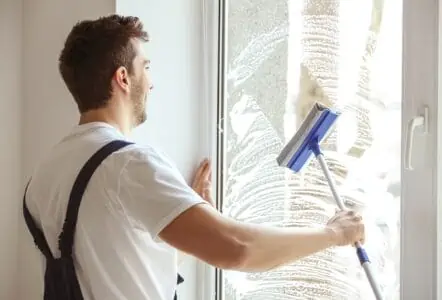
Windows get really filthy, really quickly. Whether it’s from weather elements, your pets rubbing their noses along the windows, or just general dirt from opening and closing windows.
When it comes to cleaning windows, it’s easy to get it wrong and leave a streaky mess. We’ve put together a great guide on how to clean windows. Use these tips for sparkling clean, streak-free windows (and lookout points) for everybody in the family.
Key Takeaways
- Start with a clean microfiber cloth to remove surface dirt and dust from windows.
- Use a window cleaner, either store-bought or homemade, and spray generously on the windows.
- Wipe off the spray in Z-shaped patterns using a lint-free cloth or newspaper for a streak-free finish.
- For outside windows, use a pressure washer or garden hose to rinse, then clean with soapy water and a soft microfiber cloth or sponge mop.
What’s the Best Window Cleaner?
We’ll recommend some great products that will help you thoroughly clean your windows. This includes products you can buy, but also a DIY option if you want to save money and go green with your ingredients.
One classic option is the Glass Plus Glass Cleaner. This is a super popular and reliable product. It’s an ammonia-free solution that is safe to use on glass, windows, clear plastic, computer screens, plexiglass, fiberglass, and mirrors. Super versatile and loved by thousands of customers.
If you still want to buy an eco-friendly product, then we recommend the DAZZ Window and Glass Cleaner Starter Kit. It’s a plant-based formula made with natural ingredients, ensuring that it’s safe for you and your family. When you’re done with the bottle, don’t throw it out. Just order the tablet refills. You simply mix them with water in the bottle! No plastic waste.
On the other hand, you could make your own window cleaner. Here are the ingredients:
- Two cups of water.
- ½ cup of distilled white vinegar.
- ¼ cup of rubbing alcohol — with 70 percent concentration.
Mix these ingredients together in a spray bottle. Label the bottle so everybody in the family knows what it’s for. Put it to the test!
How to Clean Windows – Inside Windows
Let’s get into the best methods for cleaning your windows, starting with the inside side of the windows.
- Start by rubbing the entire window with a clean microfiber cloth. This will remove surface dirt and dust. Don’t forget the window frame.
- Spray the windows generously with your window cleaner of choice.
- Either use a lint-free microfiber cloth or some newspaper to wipe the spray off the window. Go in Z-shaped patterns to ensure you don’t miss a spot.
- If any moisture remains, wipe vertically then horizontally.
- Let the window completely dry.
- If there are streaks, repeat the process.
Problem Solving
How to Clean Windows – Outside Windows
Now it’s time for those outdoor windows. This is harder for many reasons, but one being that if you have multiple stories, you can’t reach the high windows without a ladder. If you prefer, you could hire a window cleaner to do this for you.
If not, use a ladder safely and make sure someone is there to hold the bottom of the ladder.
- Use a pressure washer or garden hose to rinse the windows first. This will remove dirt and stains so cleaning them with your solution is easier.
- Mix together cold water and a few drops of dish soap in a bucket.
- Use a soft microfiber cloth or a sponge mop on a pole (for higher windows). Dip it into the soapy water and scrub the windows well.
- Rinse with your pressure washer or garden hose.
- Spray the windows with your window cleaner spray.
- Use a rubber-bladed squeegee to wipe the windows dry. We recommend working from top to bottom, angling the squeegee slightly downwards. After each window, wipe the squeegee with a dry towel so you’re not transferring dirt and water.
Optional
You can, of course, use a microfiber cloth or newspaper to wipe dry the windows instead of a squeegee. It just might take longer and be more difficult on the higher windows. - For heavier stains, like bird droppings, let your cleaner linger on the window for a few minutes before scrubbing.
FAQs About Cleaning Windows

How Do Professionals Wash Windows?
Professional window cleaners use a lot of extra tools that we may not have mentioned. This includes scrapers (for removing tough stains and marks), special detergents, rags, and poles, they may have a tool belt, and buckets attached to this tool belt.
Most professional cleaners use a squeegee. If you try to use one and find it difficult, that’s totally normal. There are certain techniques that make using a squeegee more effective.

How Do You Clean Outside Windows Without Wiping?
It’s essential to wipe your windows after spraying your cleaning solution if you want a streak-free finish. Otherwise, the drops will dry onto the window and leave marks. Even spraying it with water afterward will leave streaks and watermarks.

Should You Use Newspaper to Clean Windows?
Newspaper is a great option if you don’t have microfiber cloths. It can leave a streak-free finish. The only downside is that it’s not super absorbent so you’ll have to go through a few sheets per window.

Why Are My Windows Streaky After I Clean Them?
The two main reasons your windows are streaky are either the cleaner or the cloth you’re using. If you don’t use the right kind of cleaner, it will leave streaks. If you don’t use lint-free cloth, you can easily leave streaks behind, too.

Do You Have to Rinse After Cleaning With Vinegar?
No. Never rinse your windows with water after cleaning. The water will leave streaks, stains, and other marks.

What is the Best Time of Day to Wash Windows?
There is no “best time” to wash windows during the day. Choose a time when the sun is not in the full glare of the glass, as this dries the soap and leaves residue on your windows.

What Happens If You Don’t Clean Your Windows?
If you don’t wash your windows, dirt particles get stuck in the glass pores, reducing visibility. It also affects the energy efficiency of your home by reducing natural light.
Streak-Free Windows
Nobody wants cloudy and stained windows. It’s not aesthetically pleasing or very welcoming. It’s important, when cleaning the windows, to do both the inside and the outside. Always use a specific window cleaner as other solutions can leave streaks.
Don’t forget to use a lint-free cloth or newspaper to leave a sparkling clear finish. When you follow the steps in this guide, you’ll be left with lovely streak-free windows.