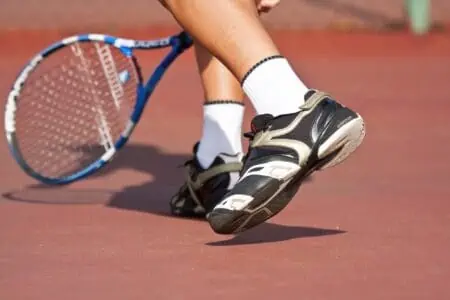
Tennis shoes get mucky — especially if you wear them for sports, running, and trekking through mud. When you spend money on stylish tennis shoes, dirt is the last thing you want to ruin them.
Thankfully, it’s pretty easy to learn how to clean tennis shoes. You can wash them by hand or in the washing machine to save time.
We’ll walk you through both methods, as well as how to dry and deodorize your stinky shoes. Keep reading to bring your tennis shoes back to looking brand new.
Key Takeaways
- Tennis shoes can be cleaned in a washing machine or by hand depending on the shoe material and care instructions.
- Remove laces and insoles before cleaning, and spot-clean shoes to remove stains before washing.
- Dry tennis shoes by air drying them on a towel or using a tumble dryer with a special plastic tray for shoes.
- Deodorize smelly shoes by sprinkling a homemade mixture of cornstarch, baking soda, baking powder, and essential oil into them.
Can You Put Tennis Shoes In the Washing Machine?
You can clean certain types of tennis shoes in the washing machine. This includes:
- Canvas shoes.
- Fabric shoes.
- Pleather shoes.
- Nylon shoes.
- Polyester shoes.
- Plastic shoes (on a gentle, cold cycle).
- Most sneakers and running shoes.
- Cotton shoes.
Before you toss your shoes in the washing machine, check the shoe’s care instructions or the manufacturer’s website.
How to Clean Tennis Shoes In the Washer
Since most tennis shoes are machine-washable, this is the best and easiest method for cleaning. However, you must follow these instructions properly to avoid damage.
- Time: One to two hours.
- Difficulty: Easy.
What You’ll Need:
- Soft-bristled brush.
- Three towels.
- Bowl.
- Large basin.
- Mesh laundry bag (or pillowcase).
- Mild laundry detergent.
- Water.
- Cloth.
1. Brush Off Excess Dirt
Brush the shoes with a soft-bristled brush to remove excess dirt. Use gentle strokes across the shoes, then clap them together to shake off the loosened residue.
2. Remove Laces and Insoles
Remove the laces and insoles — these aren’t best for the washing machine, so we’ll be hand-washing them.
Place them in a large basin with a 5:1 solution of water and laundry detergent.
Soak them for 20 minutes before scrubbing them with your brush. Work hard on stained areas. Rinse well, then lay them flat on a towel to air dry.
3. Spot-Clean Shoes
Before tossing the shoes in the washing machine, we need to spot-clean them to remove stains.
Mix water and a few drops of laundry detergent in a bowl. Dip your bristled brush into the cleaning solution and apply it to the stained areas. Move gently in circular motions.
Dampen a cloth with clean plain water and wipe the shoes to remove excess soap residue.
Top Tip
This method also works for stubborn stains on the soles of the shoes.
4. Wash the Tennis Shoes
It’s time to put the shoes in the washing machine. But first — pop them in a mesh laundry bag. If you don’t have one, use a pillow case and tie it tight.
Set the machine to a gentle cycle with a low spin speed and cold water. If you have a front-loading machine, add the shoes. For top-loading machines, wait until the drum is ¾ full with water before adding the shoes.
Add ¼ the amount of detergent you usually use. Toss in two old towels for extra padding and agitation — this provides extra cleaning power and protection.
Begin the cycle.
How to Clean Sneakers By Hand
If your tennis shoes aren’t machine-washable, washing them by hand will still result in amazing cleanliness! We’ll explain how to hand wash each part of the tennis shoe.
- Time: One hour.
- Difficulty: Easy.
What You’ll Need
- Bowl.
- Water.
- Laundry detergent.
- Soft-bristled cleaning brush.
- Towels.
- Cloths.
- Magic eraser.
Laces and Insoles
Let’s start by removing the laces. The best way to clean tennis shoe laces is easy but super effective.
- Soak: Soak the laces in a bowl with a 5:1 solution of water and laundry detergent for 20 minutes.
- Scrub: Use a soft-bristled cleaning brush to scrub the soles and laces clean. Apply extra elbow grease on stains.
- Rinse: Rinse the laces and soles under clean, warm water.
- Dry: Lay the laces and soles flat on a towel to air dry.
Exterior
- Brush: Use a soft-bristled cleaning brush to wipe the exterior. This will remove excess dirt and debris.
- Stains: Treat stains before washing the shoe. Dab a small amount of mild laundry detergent onto the stained area. Rub it in with a cloth or brush, then let it soak for 30 minutes.
- Hand-wash: Fill a large basin, sink, or bath with cold water and one tablespoon of mild laundry detergent. Dip your soft-bristled brush into the solution and apply it to the shoe’s exterior. Move in gentle, linear motions.
- Rinse: Dampen a cloth with plain water and wipe the exterior to remove detergent residue.
Outsoles
If the outsoles (bottom of your shoes) are still dirty after the above method, we can tackle them with some extra power. This is an excellent method for weekly cleaning.
- Brush: Use a soft-bristled brush to wipe off excess dirt, sand, and grit.
- Prepare cleaning solution: In a bowl, combine warm water with a drop or two of mild laundry detergent. Mix well.
- Apply cleaning solution: Use a brush or cloth to apply the cleaning solution generously to the outsoles. Scrub well on stained areas.
- Rinse: Dampen a cloth in plain water and wipe the outsoles to remove dirt and soap residue.
Midsoles
This part of the shoe is usually white, so it requires a cleaning method that will brighten it.
- Brush: Start by brushing the midsole with a soft-bristled cleaning brush to remove dirt.
- Magic Eraser: Use a magic eraser to clean the midsole. Dampen it with water, squeeze it, then wipe over the midsole. Rub until it comes out white and bright.
How to Dry Tennis Shoes
After cleaning tennis shoes, either by hand or in the machine, we need to dry them. The best method is air drying them as it avoids all damage.
Simply place them on an old towel and stuff them with rags or socks. Leave them to air dry for 24 hours or until they’re 100 percent dry before wearing them again.
If you have a tumble dryer, there is a way to use that for drying your shoes. However, your tumble dryer must include a plastic tray that allows you to keep the shoes stationary during the cycle.
If your dryer has that, you can insert the tray and place the shoes in it. Use the cold or warm air setting to dry the shoes quickly without damage.
Top Tip
Always check the manufacturer’s advice for whether your shoes are safe for the dryer. For instance, Nike doesn’t recommend it. Lastly — never put leather or suede shoes in the dryer.
How to Deodorize Smelly Tennis Shoes
If your shoes are pretty clean but mega stinky, you might need to deodorize them. There is a way to do this without washing the whole shoe so that you can tackle the smelly insoles quickly. This is a must-have method to have under your belt for sweaty gym shoes.
- Make deodorizer: Mix one cup of cornstarch, ½ cup of baking soda, and ½ cup of baking powder together. Add a few drops of essential oil.
- Sprinkle: Sprinkle this deodorizer into your shoes.
- Wait: Leave the deodorizer in the shoes for eight hours.
- Discard: Dump the deodorizer into the trash before vacuuming the inside of the shoes.
- Shake: Shake out any excess mixture. Your shoes should smell great now.
Cleaning Different Types of Tennis Shoes
Most athletic shoes are made from canvas which is straightforward to wash. But you’ll also find leather, suede, and knit shoes. Here’s how to wash tennis shoes of different materials.
Leather Shoes
Use a toothbrush to remove excess dirt on the surface of the shoes.
Create a solution of cool water and a drop of dish soap in a bowl. Dip a microfiber cloth into the solution and rub the leather tennis shoes in circular motions. Dry the shoes immediately with another cloth to remove excess moisture.
Apply a leather conditioner if the shoes are looking cracked and dry. Buff the shoes afterward with a microfiber cloth.
Suede Shoes
Remove excess dirt with a suede brush or old toothbrush. Then use a suede rubber (or a clean pencil eraser) to remove stains and marks on the shoes.
For tougher stains, pour white vinegar or rubbing alcohol into a small bowl. Dampen a corner of a microfiber cloth in the solution and blot the stains. Then gently move back and forth to work at the stain until it is gone.
Once the shoes are clean and dry, apply a suede protector if you want to avoid future stains.
Knit Shoes
Create a solution of warm water and mild detergent in a small bowl. Dip a clean cloth or towel into the solution and generously apply it to the knit shoe. Scrub well to remove stains.
Rinse the shoe with a cloth dampened in clean plain water. Remove all residue of the soapy solution. Then let the shoes air dry.
Canvas Shoes
You can clean canvas shoes using our above method — either in the machine or by hand. Canvas is easy to clean, so if you’re in the market for new tennis shoes, you might want to consider this material.
Tips For Maintaining Tennis Shoes
It’s easy to wear down your tennis shoes, especially when you wear them regularly. But it’s important to take care of them using our top tips:
- Always wear socks: Wearing socks with shoes prevents odors, mold, and fungus.
- Air out your shoes: Don’t put your shoes in a cupboard or closet until after you’ve aired them out. When you remove your shoes, leave them in a well-ventilated spot or stuff them with newspaper. This airs out the odors or absorbs them, leaving your shoes fresher.
- Avoid rain: Avoid wearing tennis shoes on rainy days. The rain, muck, and moisture can damage them. Instead, wear waterproof shoes, like boots.
- Waterproof your shoes: If you live somewhere where it’s always rainy, then you might want to consider waterproofing your shoes. This makes them more resistant to rain, moisture, and stains. A good waterproofing product is KIWI Shoe Protector.
- Clean regularly: We recommend spot-cleaning your shoes any time you notice a stain. Deep clean them when you notice more dirt, stains, and odors. But roughly clean your shoes once a month if you wear them regularly.
- Brush often: Once a week, brush your shoes with a soft-bristled cleaning brush to remove excess dirt. This stops the dirt from embedding itself into your shoes and causing stubborn stains.
FAQs

How Do You Get Gum Out of Tennis Shoes?
One of the most effective ways to remove gum is by freezing it. Put the shoes in a plastic bag and press it over the gum, so it sticks. Pop the shoes in the freezer for two hours.
The gum should be frozen to the bag so you can remove it when you take the shoes out of the bag. You might need to scrape off some residue with a toothpick.

What is the Best Homemade Shoe Cleaner?
If you have liquid laundry detergent, it’s easy to make a shoe cleaner by adding a few drops to warm water. However, not everybody has liquid laundry detergent in the home. Here’s an alternative recipe to try:
- Eight ounces of warm water.
- One teaspoon of dish soap.
One more option is:
- One tablespoon of baking soda.
- Two tablespoons of distilled white vinegar.
- Eight ounces of warm water.

Should I Wash My White Shoes In Hot or Cold Water?
Neither! Use warm water instead. Water around 70-90 degrees Fahrenheit will be kind on the shoes while loosening stains, so the shoes clean easier.

Can You Put Tennis Shoes In the Dryer?
If your dryer comes with a plastic tray that stays stationary during the drying cycle, yes. If not, then we recommend air drying the shoes for 24 hours.
However, there is one secret hack that you can try if your tumble dryer has an option for low heat. Tie your shoe’s laces together with a tight knot at the end. Place the top of the laces outside of the tumble dryer door, so they can’t fall into the machine.
Close the door, and the shoes will hang inside the dryer, not touching the drum. Set the machine to low or no-heat. The machine will rotate, but the shoes will stay still, preventing them from getting damaged.

Do People Wash Their Shoes In the Dishwasher?
This is not a smart idea. The dishwasher detergent is very harsh, and it can ruin your shoes. Plus, the dishwasher uses high heat, which can shrink or melt your shoes.

Can I Wash My Shoes In the Laundromat?
If the shoes are machine-washable, you should be able to wash them at your laundromat. However, check with the laundromat rules as it might be against their policy.
Hello Shiny Shoes
If your tennis shoes look worn and dirty, the best way to clean them is easy. Depending on the shoe’s material, you can either use the washing machine or clean them by hand.
Both methods take around one hour and use materials you probably already have at home. Always check the shoe care instructions to determine whether your shoes are machine-washable.