You treated yourself to a nice silk garment. It looks great, feels great and fits you great! But when it comes to laundry day, you find yourself wondering how to wash silk — especially if you’ve stained it.
No need to fret, we’re all set to show you how to remove stains from your silks. Better still, we’ve put together step by step instructions to wash silks by hand and in the machine.
Key Takeaways
- Always check the care label on silk garments and use a delicate detergent for washing.
- Hand wash silk by soaking in cool water, gently plunging, rinsing, and air drying out of direct sunlight.
- Machine wash silk in a mesh bag, using a delicate cycle with cold water and a low spin setting, then air dry.
- Remove stains with a silk-specific stain solution or by gently blotting with diluted delicate detergent, then wash according to label instructions.
Before Washing
There are some very important things to keep in mind before you wash your silk.
- Check the care label: Every clothing item should come with a care label. It will state the washing, drying and ironing instructions. Check this before you wash your silk, since it will tell you if it should be hand washed or machine washed and at what temperature.
- Test for color bleeding: Find an inconspicuous area of the garment, like the hem, and dip it in warm water. If the color bleeds, it will bleed in the wash. If the garment is only one solid color, this is okay to wash at home. It won’t result in color loss. But if the garment is made up of two or more colors, it’s best to take it to a dry cleaners.
- Avoid chlorine bleach: Don’t ever wash silk with chlorine bleach. Even if you notice a stain on white silk, put that chlorine bleach back in the cupboard.
- Dry properly: Before you get started, have a plan for how you’ll dry your silk clothes. Note that you cannot dry silk in direct sunlight or in the tumble dryer. Sunlight can fade and damage silk. The tumble dryer can shrink and damage the item.
- Use the right detergent: You should get a detergent specifically for silks, or one for delicates. Don’t use your regular detergent for silks.
How to Hand Wash Silk
If the care label says to hand wash, or you’d prefer to go down this route, then we’ll help you out.
What You Need
- A basin.
- A few drops of hand wash detergent.
- A towel.
Instructions
Follow these instructions for the best results when hand washing silks.
1. Fill the Basin
Fill the basin with cool or lukewarm water. Submerge the garment in the water.
2. Add Detergent
Add a few drops of your detergent for delicates. Use your hand to stir it until it’s mixed fully with the water.
3. Soak the Garment
Leave the silk garment to soak in the water for three minutes.
4. Wash the Garment
Use your hand to plunge the garment up and down in the water. This helps to remove any dirt.
5. Rinse
Now, take the garment out and drain away the dirty water. Rinse the item under a cold tap until all the dirt and detergent has washed away.
6. Use a Towel
This is where your towel comes in handy. Use it gently to absorb excess water, without rubbing or squeezing the item. It’s important to treat the silk item with lots of care.
7. Hang to Dry
Out of sunlight, hang the item up to dry. It’s best to put it on a hanger or a drying rack.
How to Wash Silk in a Washing Machine
If the garment says that the item can go in the washing machine, follow these instructions. They’ll keep your silk clothes in tip top condition.
What You Need
- A mesh bag.
- Detergent for delicates.
- A delicate cycle on your machine.
Instructions
Follow these instructions on how to machine wash your lovely silk garments.
1. Bag It
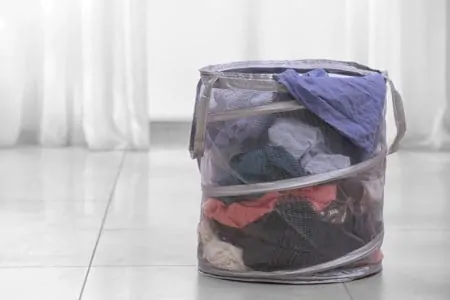
First, you need to turn the silk item inside out. Next, put it in the mesh bag for washing. This prevents it from getting tangled and stretched out during the cycle.
2. Select Your Cycle
Set your machine to a delicate cycle. Make sure to use a cold temperature and put the spin to low. The gentler, the better!
3. Wash the Items
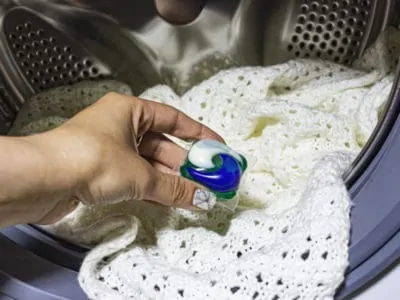
Put the silk items into the machine and add your detergent to the drum or the dispenser. Turn on the machine and let the cycle run.
4. Take Out to Dry
Take the clean garments out as soon as the cycle finishes. This reduces wrinkles. Hang to dry on a hanger or drying rack, out of direct sunlight.
How to Remove Stains From Silk
You can use a stain solution or a stain bar. One especially for silk is always best! Apply it directly to the stains depending on the stain solution instructions.
If you don’t have a stain solution or stain bar, then try this instead:
- Dilute your delicate detergent with cool water.
- Use this solution on an inconspicuous part of the garment, like the hem.
- If there’s no bad reaction, blot the stain with your solution. Be gentle and don’t rub it in. Do this until the stain has been treated.
- Leave for 10 minutes, then wash according to the label instructions.
Tips on Washing and Caring for Silk
When washing silks, the tips don’t stop there. Here are some pro tips on making sure you wash and care for your silk properly.
- Stunt the smell: If your silk garment is on the stinky side, we can help.
- Baking Soda: Sprinkle baking soda over the garment and let it sit overnight.
- Use mild detergent: The next morning, fill a basin with cold water, delicate detergent and ½ cup of white vinegar.
- Soak: Soak the item in cold water for 30 to 60 minutes in a mesh bag. Drain away the dirty water and refill with clean water.
- Massage: Use your hands to massage the garment, removing any residue.
- Dry: Hang to air dry on a hanger or drying rack.
- Don’t rush: The key to caring for silk is to be gentle during every step.
- Dry with care: It’s important to lay the garment in its natural shape. So don’t fold it over drying rungs. If you put it on a hanger, do it properly to prevent stretching.
- Wrinkles: Simply use steam to remove the wrinkles. You can use a handheld steamer, shower steam or adjust the steam setting on your iron. Don’t make contact with the garment; just hover over it.
- Ironing: If you don’t have a steamer, and you need to iron it, keep these tips in mind.
- Check the label: Make sure it allows ironing. If so, turn the garment inside out to iron.
- When to iron: Only iron while the garment is dry.
- Protect: And finally, put a cloth between the garment and the iron to protect the fabric. Always make sure to use a low heat setting.
- Keep it fresh: Between wears, you don’t need to wash the silk garment if it’s not dirty. Use a delicate spray to keep the garment fresh and smelling lovely or wash it .
- Store your silk: When storing silk, hang it in a cool dry place. If you’re putting it away for a longer time, put it in a breathable plastic bag. Always keep it out of the sunshine. As a final measure, use moth repellent to protect it.
- Choose a hanger: If hanging the silk piece to dry, don’t use a wood hanger as this can actually stain the silk garment.
Dry Cleaning Silk?
FAQs
Still got questions about how to wash silk? No problem.

Can You Wash 100% Silk?
You’ve treated yourself to a garment made of 100% silk. Lucky you! That silky soft material feels amazing when you wear it, but if it’s 100% silk, how do you wash it?
The answer is: follow the hand washing instructions. This is the safest way to care for your silk pieces.
Silk Tip

Can You Dry Clean Silk?
Yes. In fact, we recommend taking silk to the dry cleaners in some cases.
For example, if you have color bleeding during your colorfast test, and the garment is made of more than two colors, take it to the dry cleaners. This is so the item does not get discolored during the wash.
Also, if the label says “dry clean only,” then take it to the dry cleaners. This is because that piece of clothing is very delicate and should only be handled by a professional.
On that note, if the label says “dry clean” — not “dry clean only” — this is just a recommendation. You can gently hand wash the garment at home if you choose.

Does Silk Shrink if Washed?
Unfortunately, silk can shrink pretty easily if not properly cared for.
Silk can shrink if:
- You put it in the tumble dryer.
- You aren’t gentle.
- Left to soak for too long.
- Washed with hot water.

Is Woolite Safe for Silk?
Yes, Woolite is safe for silk. Woolite Delicates is a good choice for washing silks because:
- It doesn’t cause shrinking, fading, or stretching — even for silk fabrics!
- It keeps clothes looking like new even after 30 washes.
- It’s a hypoallergenic formula. Great for people with sensitive skin or allergies.
- It’s suitable for handwashing and HE or standard washers.
Woolite doesn’t contain any enzymes though, so it might not always do the trick when it comes to removing perspiration, oil, or buildup. If you are in the market for a different detergent, you can look for one with special enzymes.

Can You Use Regular Detergent on Silk?
Don’t use a regular detergent on silk. Since silk is a delicate fabric, it needs a gentle detergent to care for it while also washing it effectively.

How to Wash Dry Clean Only Silk?
If it says “dry clean only,” then follow the instructions: send it to the dry cleaners. This is your warning that the material is super delicate and that it can be easily damaged. The dry cleaners will be the experts here, and they will take good care of your clothes.

How to Make Silk Clothes Shiny Again?
One of the most satisfying things about silk clothes is their shiny gleam. But over time, they can lose their shine a little. Follow these steps in an attempt to bring back that beautiful shine.
- Mix ¼ cup of distilled white vinegar for each gallon of lukewarm water. Pour it into your basin and stir.
- Submerge the silk in the mixture, then remove.
- Empty the basin and fill with clean cool water. Rinse the silk item in this water.
- Lay a thick white towel on a flat surface. Put the silk on the towel, then place another towel on top of the silk.
- Press or gently roll the towels to remove excess water from the silk garment.
- Hang the silk garment on a hanger or drying rack to air dry.
Hopefully this method helps bring back some shine.
Warning
Care for Your Silk
Treat your silk with care for best results.
Always read the care label to see if it needs hand washing, machine washing or dry cleaning only. A detergent for delicates is always best. When drying, avoid direct sunlight and the tumble dry. Hang it on a plastic hanger or flat on a drying rack.
Always use cool or lukewarm water. Use steam to get out wrinkles. If you need to iron the garment, follow our specific ironing tips to protect the piece.
If you carefully follow these steps, you’ll never need to worry about ruining your silk clothes.