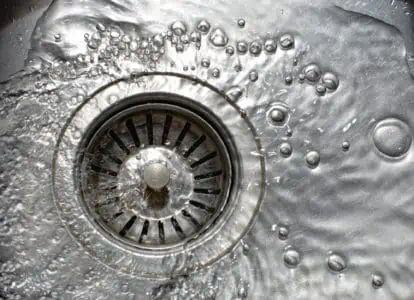
Nothing is more unsettling than walking into your kitchen and discovering that your sink gurgles when the washing machine drains. The sink sounds odd but drains fine, giving you visions of large plumbing bills coming your way. Thankfully, gurgling sounds from the kitchen sink are easy to solve.
Today, we’re discussing why your sink gurgles when the washer drains and how to fix it.
Key Takeaways
- Gurgling sinks are caused by blockages in the drainage system or air vent.
- Check and clean the air vent on the roof to remove any blockage.
- Remove blockages in the drain using chemical or enzyme drain cleaners, baking soda, or a drain snake.
- Prevent gurgling sinks by practicing proper drain maintenance and using drain strainers.
How Does a Drain System Work?
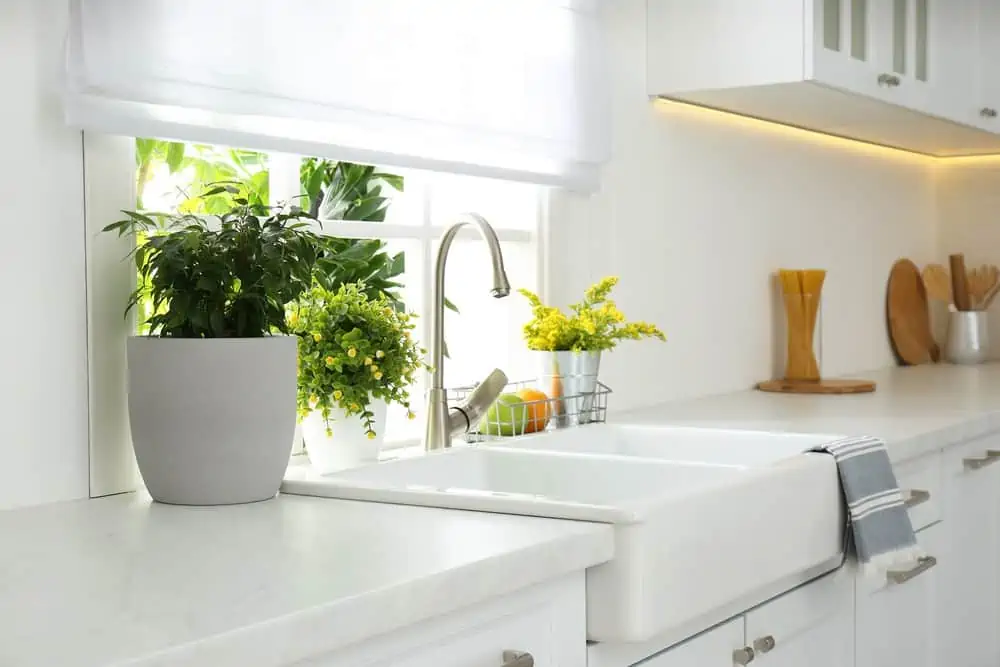
A household drainage system works by connecting all the wastewater pipes in most houses. The washing machine, dishwasher, bathroom sink, toilet, etc. are connected to save money on plumbing fixtures.
This means that when your washing machine drains it pushes a large amount of water into the drainpipe. Normally, the vents and sink allow the water to drain without a change of pressure in the pipes.
However, a clogged or blocked vent pipe causes uneven pressure in the drain pipe. The gurgling sound you hear in your kitchen sink or other household fixtures is the air and gas bubbles trapped in the pipes unable to vent out due to the blockage.
Why Does My Sink Gurgle When My Washing Machine Drains?
Kitchen sinks gurgle when you have an air vent blockage, a block in the main drain pipe, or when there’s a clog in the kitchen sink drain. Here’s a quick guide on how to tell the difference between the different blockages and some ideas on how to remove the blockage.
Air Vent Blockage
Plumbing systems require an air vent system to be installed as well to keep the pressure even as water drains. This is similar to trying to pour evaporated milk out of a can without having a second hole to allow air into the can. The milk gurgles, sputters, and doesn’t pour evenly.
The air vent system is similar to that second hole. It allows air to enter the pipe as water drains out so that the water will drain quickly and quietly.
However, if there’s a blockage in the air vent, the drainage will be sluggish and possibly noisy as the water attempts to move through the pipes.
If you suspect that you have a blocked air vent, you can climb onto the roof to check. Sometimes there is a bird’s nest, small branch, or leaves blocking the vent at the top. You may be able to clean it by hand.
You can also try running a hose to flush the vent. Hopefully, the force of water will clean the blockage by sending it down the pipes and into the sewer.
Drain Pipe Blockage
You may find that water comes up into your kitchen sink when your washing machine drains. This is usually caused by a clog preventing the water from flowing into the drain pipe. While it could be caused by a block in the air vent, it’s usually caused by a drain pipe blockage.
You can try cleaning the drainpipe, but you may find it best to call a plumber to clean your main drainage pipe.
Sink Blockage
A sink blockage may also cause uneven pressure that causes gurgling when the washing machine drains. You will need to clean the sink drain using a drain cleaner. Make sure you also check the P-trap as you could have a blockage or clog there.
Put a bucket under the P-trap before you open it. Then clean it carefully and reassemble the P-trap. Run hot water through the sink to flush the pipes.
How to Fix a Gurgling Kitchen Sink
You can fix a gurgling kitchen sink by removing the clog that’s causing the uneven pressure. There are four methods to choose from.
With Chemical Drain Cleaner
Chemical drain cleaners such as Drano will clear your kitchen sink drains quickly. They’re cheap, easy to find, and work fast.
However, they also produce toxic fumes and pollutants. They may cause long-term corrosion and damage if you use them too frequently to clear clogs out of your house’s plumbing system.
Generally, you pour the chemical drain cleaner down the drain. Wait for 20 or 30 minutes before flushing the drain.
With Enzyme Drain Cleaner
An enzyme drain cleaner contains bacteria and enzymes that will break down clogs and debris in your plumbing system. They will also eliminate mold and mildew. The enzyme drain cleaners are safer to use than chemical drain cleaners and are less likely to damage your plumbing system.
However, they are harder to find and take longer to work.
Most enzyme drain cleaners have you pour the enzyme down the drain before you go to bed at night. Then you will flush the drain in the morning.
With Baking Soda
To use baking soda, first, pour 1 pot of boiling water down your drain. Then pour 1 cup of baking soda into the drain as well. You may need to make an effort to shove the baking soda into the drain.
Now pour 1 cup of vinegar down the drain and cover the drain with a plug. Wait 5-10 minutes. This will give the bubbling reaction of the baking soda and vinegar time to loosen the residue from the sides of the pipe.
Pour boiling water down the drain again to flush the residue away.
With a Drain Snake
A drain snake can also be used to clear clogs from a pipe. First, push the end of the drain snake into the pipe. Turn the handle on the drum to push the snake further into the pipe.
Keep pushing until you feel the blockage. Now rotate the snake against the clog. This rotating action allows the snake to spin away or chop up the clog.
If you don’t feel the snake breaking through the clog, pull the snake out of the pipe. The clog will likely be pulled out with the snake. When you’ve finished snaking the drain, run water to flush it.
How To Prevent a Gurgling Sink
To prevent a gurgling sink, you will need to practice proper drain maintenance to prevent clogs. Clogs are usually formed when hair, dirt, skin flakes, and other small particles such as coffee grounds stick to soap residue that’s lingering on the sides of the pipe. The clumps build and will eventually prevent water from draining.
- Install drain strainers for all your sinks and showers to prevent food, lint, and hair from creating clogs.
- Run hot water down the drains after every use or at least once a day to flush lingering residue from the drains.
- After heavy usage, add baking soda to your kitchen sink drain. Allow it to sit for a few minutes before you flush the drain with hot water.
- Don’t pour grease down your drain as it will create a clog when it congeals.
- Even if you have a garbage disposal, avoid putting coffee grounds, eggshells, tea leaves, starches such as rice and pasta, and high-fiber food with skins like apples and corn husks down your drain.
- Clean your drains immediately if they begin to drain slowly using a chemical drain cleaner, enzymes, or baking soda.
- Consider cleaning your drains every month or two to prevent clogs from being formed.
FAQs

Why Does My Kitchen Sink Smell When the Washing Machine is On?
A nasty smell coming from a sink is often caused by sewage gasses and usually smells like rotten eggs. If your drain or vent is blocked, then the gasses end up coming out of the sinks instead of moving on into the sewer. You will need to check your air vent and drains to make sure that they’re not clogged.
Can I Pour Bleach Down Washer Drain?
No, it’s not recommended that you pour bleach down a washer drain or any other drain. Bleach reacts with many other substances such as vinegar and ammonia and may cause deadly fumes or plug up your system. It will also kill the good bacteria in your septic system.

How Do I Know If My Washing Machine Drain is Clogged?
If the washing machine drain is clogged, then you may see that the water may be backing up and not draining away properly. Water will still be in the tub and you’ll have wet clothing after the spin cycle has finished.

What is the Best Product to Unclog a Kitchen Sink?
One of the best products to unblock a kitchen sink is Drano. It will clear your clogged sink quickly, it’s relatively cheap and easy to use. However, it is a chemical that is highly polluting to the environment and could damage your pipes in the process.

Where is the P-Trap Located?
The P-trap is located underneath the sink between two nuts. It looks like a U or P turned on its side and is typically made from white PVC.
Gurgling Sink When Washing Machine Drains
If you discover that you have a gurgling sink when your washing machine drains, it’s likely that you have a blockage in the air vent or one of your drain pipes. This causes the pressure inside the pipes to become uneven. Water drains slowly and makes loud gurgling noises.
The solution is to clear the blockage from your air vent or drain pipes. Then your drainage system will return to draining quickly and quietly into the sewer.