Are your clothes clinging to body odors? Even after you’ve washed them? We’ve all been there.
After years of doing laundry, we have mastered seven methods on how to remove body odors from clothes.
Key Takeaways
- Remove body odors by pre-soaking clothes in a 1:4 solution of distilled white vinegar and water for 30 minutes, then washing and drying as normal.
- Aspirin and cream of tartar can be combined to create a powerful solution for removing sweat stains and odors from clothes.
- Lemon juice, baking soda, and salt are natural, eco-friendly alternatives to remove odors from clothes.
- Washing soda can be used to neutralize tough odors from gym clothes, but always wear gloves when working with it.
How to Remove Body Odors from Clothes
We’ll share seven methods that will help you bring your clothes back to ultimate freshness.
Distilled White Vinegar
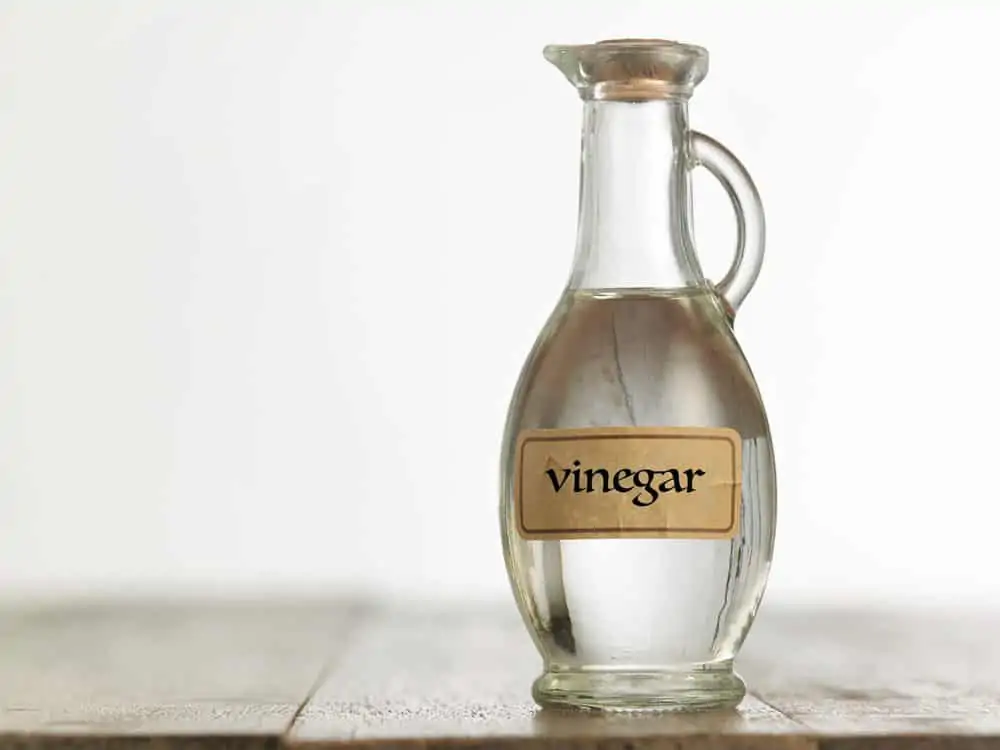
This is a powerful odor remover. We use this with almost every load of laundry in our house. It just does an exceptional job at removing all kinds of bad smells.
- Air out your smelly clothes after wearing them and before washing. If you leave them in a bag or laundry hamper, you’re only giving them another chance to smell even worse.
- Presoak the clothes in a 1:4 solution of distilled white vinegar and water for half an hour.
- Wash as normal.
- Tumble dry if possible.
- If the clothes still smell bad, repeat this process.
Top Tip
Aspirin and Cream of Tartar
Off the bat, we know this sounds like a weird combination. But trust us, it works. Cream of tartar, also known as potassium bitartrate, is an acidic chemical that can neutralize odors (1). Aspirin contains salicylic acid which can remove sweat stains and body odors (2).
- Mix together three white non-coated aspirin pills in a cup of warm water.
- Add one tablespoon of cream of tartar.
- Use an old toothbrush to scrub the solution onto the stained or sweaty area.
- Leave for 20-30 minutes.
- Wash and dry as normal.
- Repeat if necessary.
Play Around With Water Temperatures
Hot water is great for removing odors, but it can set stains. So if you’re looking to remove stains and kill odors, try out this method. Note: it works great for vomit stains, pee stains, and poop stains.
- Scrape off the residual substance first and discard it. Wear protective gloves and clothing during this to protect your health but also the clothes that you are currently wearing.
- Wash the items in cold water first to rinse them off the residue. If you notice stains, do a short wash with a little stain removal in cold water.
- Once the stains are gone, run the garments through the hottest water the care label allows. This will help you get rid of bad odors.
- If the care label allows for it, machine dry.
Try This
Lemon Juice

This is a cheap, cheerful, and eco-friendly way to get rid of body odors in clothes. Lemons naturally neutralize bad smells, so you’re not masking the scent — you’re really getting rid of it (3).
- Juice several lemons.
- Mix the juice with two liters of warm water and let it cool.
- Soak the clothes in the solution for 30 minutes to an hour.
- Rinse the clothes in cool water.
- Wash as normal.
- Hang outside to dry.
Keep In Mind
Baking Soda
Baking soda is a staple in our home. We always have a five-kilo bucket under the sink. It comes in great use for a variety of purposes, including laundry.
- Fill a large sink or bucket with warm water.
- Add one cup of baking soda and dissolve.
- Add the garments, submerge them underwater and let them soak overnight.
- In the morning, put the garments in the washing machine with a heavy-duty but unscented laundry detergent. If you use a fragranced detergent, it may mask the smells and you won’t know if it’s really gone.
- After the cycle, check the garment for odors. If it still stinks, repeat the above steps.
- When the odor is gone, dry it according to the care label.
Bonus Tip
Salt
Salt is useful for more than just flavoring your food. It can actually kill bacteria that may be causing bad odors on your clothes (5).
- Pour ½ cup of salt into a large bowl half full with warm water.
- Stir to dissolve the salt.
- Add your stinky clothes and soak them in the solution for a few hours.
- Wash the clothes as normal.
Washing Soda
Washing soda is a bit like baking soda — but stronger. It works by neutralizing odors, rather than masking them. This is perfect for sweaty gym clothes when you can’t seem to budge the stench.
Before you get started, note that washing soda is classed as an irritant. We recommend wearing rubber gloves whenever working with it (6).
- Sprinkle washing soda over the smelly areas of the clothes. You can use around ¼ cup of washing soda for each area, but you may not need to use that much.
- Spritz the area with water and scrub it in with your rubber gloves. This will create a paste.
- Leave it to sit for 30 minutes.
- Wash the garment as normal.
How to Remove Body Odor from Clothes Without Washing
If you don’t have time to run your clothes through a whole washing cycle, but you still want to neutralize bad odors, there is something you can try.
- Mix together a 1:1 ratio of distilled white vinegar and water in a spray bottle.
- Add a few drops of essential oils. For this, we recommend cinnamon, clove, pimento, thyme, oregano, or rosemary as they have antibacterial qualities (7). However, these aren’t everyone’s favorite scents, so try mixing one with scents you like, such as lemon or orange.
- Shake the spray bottle to combine the ingredients.
- Hang your stinky garments up somewhere they can air out.
- Spray them liberally with the vinegar spray, focusing on the stinky areas.
- Let it air dry.
Depending on the severity of the odor, this may be enough to kill the odors until you can properly wash the garment.
What Causes Body Odors?
To figure out why your clothes smell, you first have to consider what causes body odors. The most common answer is sweat.
Bacteria break down our sweat and this is linked to the apocrine glands which secrete the most body odors (8). You’ll find these glands in breasts, genital areas, eyelids, armpits, and even ears. These glands usually have an odor.
Another common body odor is foot odor. You don’t typically smell this when you’re wearing socks and shoes, but this is part of the problem. Socks and shoes make it harder for the sweat to evaporate. This gives the bacteria more sweat to break down into bad odors. In the worst cases, fungi can develop which leads to pretty foul smells.
There are other common smells that can cling to your clothes such as cooking smells, vomit, a dirty washing machine, perfume, residue from filling your car with gas, and other things.
Why Do My Clothes Smell of BO After Washing Them?
Normally, washing your clothes properly is enough to get rid of body odors. But what if you take clothes out of the washer and they still stink? Why is that?
This could be down to a few reasons.
Firstly, you may not be using an effective detergent. Cheap or light-duty detergents simply may not be enough to remove body odors from your clothing.
Secondly, sebum — another bodily fluid that can lead to odors — is hard to remove because it embeds itself deep into the fibers of our clothes (9). Sebum is really sticky which makes it hard to remove, but also easy to transfer to other garments.
Another reason could be that you didn’t wash the stinky clothes quickly enough. The longer you leave these sweaty clothes sitting in the hamper, the quicker the bacteria and odors can grow. So we recommend tackling really dirty clothes as soon as possible.
Last but not least, it could be that your washing machine is actually dirty which prevents your clothes from getting properly cleaned.
How to Prevent Body Odors
One of the easiest ways to prevent body odors on clothes is to prevent body odors on yourself. It’s natural to produce body odors, so don’t be embarrassed if it happens, but there are easy ways to tackle them. Here are our top tips:
- Wear deodorant: Using deodorant or antiperspirant every day can combat body odors. Put this on every day after your shower. Most are designed for armpits, but spray deodorants or antiperspirants can often be used in other areas that produce body odors.
- Shower regularly: You should shower at least once a day to combat body odors. Focus on washing your armpits, groin, and feet thoroughly.
- Change your diet: If nothing else is working, it may be down to a diet issue. Certain foods can cause body odors such as high-carb food or high meat consumption (10). Try incorporating more fruit and vegetables into your diet.
- Wear loose-fitting clothing: Loose clothing gives your body more room to breathe and ventilate. This can limit body odors, as the sweat doesn’t become trapped.
- Wax or shave your armpits: If you want, you can wax or shave your armpits. This has been proven to minimize underarm odor (11).
FAQs

How Does Baking Soda Get Rid of Body Odor In Clothes?
Baking soda gets rid of body odor in clothes because it is a natural deodorizer. Mix half a cup in water and pop your smelly garments in for a soak. Then drop them into the washing machine and wash them on the correct cycle.

Can I Soak Clothes In Vinegar Overnight?
You can soak clothes in vinegar overnight. Vinegar not only deodorizes but also whitens fabric too. Fill a bucket with two cups of vinegar and hot water for a deeper clean.

Will Vinegar Damage Clothes?
While there is no evidence that vinegar damages clothes, there is plenty of evidence that it damages the rubber seals inside your washing machine after prolonged use.

Why Can’t You Smell Your Own Body Odor?
You can’t smell your own body odor thanks to olfactory adaptation. After a few minutes, we get used to the scent, which is why we can’t smell it.

What Foods Make Body Odor Worse?
Several foods make body odor worse, including onions, spices, garlic, beets, and alcohol. Also, vegetables with a high sulfur content make you smell when you sweat.
Chase Freshness
We’re all familiar with body odor clinging to our clothes. While it’s not pleasant, it’s not too tricky to remove if you know what to do. Our seven different methods can help. If one doesn’t work, try another.
We particularly recommend distilled white vinegar or baking soda. That’s a huge hit in our house, and it works every time!
Besides the cleaning methods, make sure you stay on top of your personal hygiene and your laundry routine to minimize body odors.