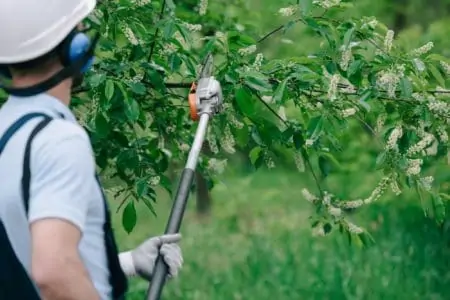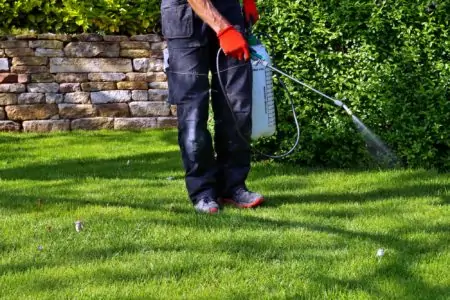
Weeding out the bad guys in your garden can be a real pain in the grass. But fear not, as your trusty gardening assistant, I’ve done the dirty work for you and found the best weed killer options out there.
There are lots of different herbicides available on the market. But not every option is suitable for every problem.
This list of the 10 best weed killers for lawns is based on expert gardening advice, real customer reviews, and investigations into dozens of products.
Don’t let pesky weeds take root, and put down stems in your lawn. It’s time to say goodbye to weeds and enjoy a pristine garden. So, let’s weed out the competition and get cracking!
- Suitable for spring & autumn use
- Prevents weeds from growing & germinating all season
- Works with fertilizers & iron solutions
- Rainproof in as little as 2 hours
- Kills over 175 different types of weeds
- It only takes one application
No products found.
- Notice results in three hours
- Kills through leaf & stem to avoid reaching other plants
- Ready to use formula
No products found.
- Rainproof within 10 minutes
- Results may be visible after only 3 hours
- Comes with a handy pump
- 100% biodegradable
- Does not use harsh chemicals
- Suitable for both indoor & outdoor use
- Kills weeds & grass at the root
- Rainproof & visible results within 1 hour
- Prevents vegetation for up to 1 year
- You can plant new growth 1 day after application
- Rainproof within 15 minutes
- Handy spray bottle for easy application
- Selective weed killer that protects grass
- Suitable for a wide variety of weeds
- Can be used across many different sites
- Kills over 470 different types of weeds
- Doesn’t kill grass, only weeds listed
- Kills weeds at the root
- Feeds grass with slow-releasing nitrogen
- 16,000 square feet coverage
- Good for professional & personal use
Review Methodology: At Oh So Spotless, our comprehensive analysis of the best lawn weed killers is based on hands-on experience, thorough research, and professional expertise. We evaluate each product from a user’s perspective, comparing their performance, design choices, and effectiveness in tackling various types of weeds. Our assessment criteria focus on key decision-making factors such as potency, ease of application, eco-friendliness, and safety for pets and children. Our in-depth review covers the top 10 lawn weed killer options, providing quantitative measurements of their performance and first-hand evidence to help you make the most informed decision for your lawn care needs.
The Best Lawn Weed Killers of 2024
Are you ready to eliminate pesky weeds in your garden? Put weeds in their place with these 10 effective weed killers. This list is based on hours of research into genuine customer reviews and expert gardening advice.
After studying each product’s ability, what kind of weeds they kill, and coverage, I narrowed it down to 10 formulas worth investing in. Don’t be a shrinking violet — grab one of these weed killers and get your garden back in bloom!
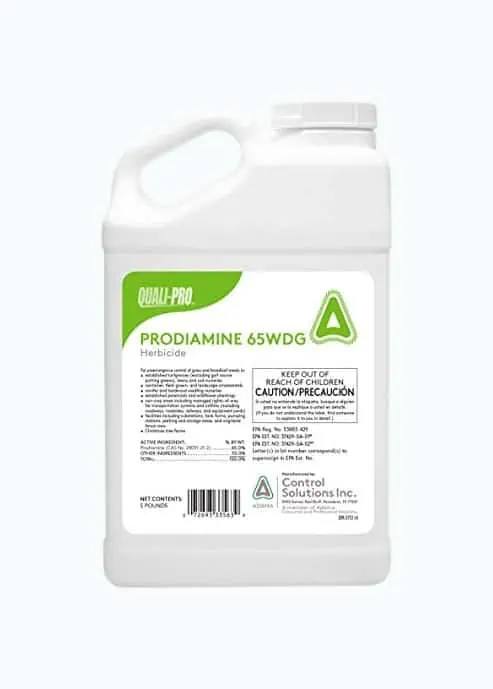
Quali-Pro Prodiamine Pre-Emergent Herbicide
Best Pre-Emergent Weed Killer
Tackle those weeds before they’ve even made an appearance. This is one of the best pre-emergent weed killers on the market for multiple reasons.
For one, it does prevent weeds. You can use this on nurseries, lawns, turfs, golf courses, and more. In terms of prevention, this works for henbit, knotweed, spurge, foxtail, annual bluegrass, chickweed, and goosegrass.
Suitable for use in spring or fall, each time you use it, this weed killer provides enough control to last throughout the season.
The active ingredient is prodiamine, which is a popular choice for pre-emergent herbicides (1). It works by controlling weeds before they have sprung up — by stopping them from germinating. Even using it twice a year is enough to prevent weeds from taking over your lawn.
Try This
The instructions are vague, but the company has advised customers to dilute the product with two teaspoons per gallon before use.
Pros
- Suitable for spring and autumn use.
- Prevents weeds from growing and germinating all season long.
- Works great with fertilizers and iron solutions.
- Suitable for various sites, including lawns, golf courses, and more.
- Up to 90,000 square foot coverage.
Cons
- Confusing and vague instructions.
- Kills a limited variety of weeds.
Product Specs
| Type | Pre-emergence |
| Lawn Size | Up to 90,000 square feet when diluted |
| Weed Type | Crabgrass, Poa Annua, Henbit, Knotweed, Chickweed, Spurge, Foxtail, Goosegrass |
| Visible Results | 24-48 hours |
| Size | 0.59 gallons |
Our Ratings
User Experience
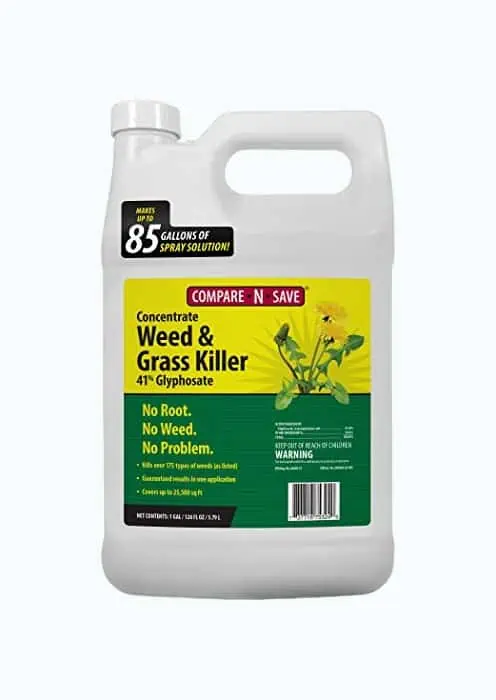
Compare-N-Save Concentrate Grass and Weed Killer
Best Post-Emergent Weed Killer
If you’ve left it too late and the weeds are already springing up, you need a post-emergence weed killer. Look no further than the Compare-N-Save concentrate grass and weed killer.
It uses glyphosate, an effective post-emergent herbicide. It kills down to the root when applied properly.
Make sure to spray the foliage, but work to avoid spraying plants you don’t want to kill. The glyphosate is then absorbed through the foliage as it travels down the root to kill the plant.
You can expect results in two to four days, so be patient. Before long, your lawn should be looking a lot neater!
You can use this for killing weeds, grass, stumps, brush, and vines. It’s suitable across lawns, driveways, buildings, fences, and walkways.
This particular bottle makes up to 85 gallons of spray solution when diluted. That covers up to 25,000 square feet! So you’re definitely getting a lot for your money because this is a pretty budget-friendly option.
Pros
- Rainproof in as little as two hours.
- Kills over 175 different types of weeds.
- It only takes one application to see results.
- Can be used in a variety of locations.
- Coverage up to 25,000 square feet.
- Makes up to 85 gallons per bottle.
Cons
- It can take up to three weeks to see results.
- It’s easy to kill other plants around it if you aren’t careful.
Product Specs
| Type | Post-emergence |
| Lawn Size | 25,000 square feet |
| Weed Type | Over 175 different types |
| Visible Results | 2-4 days, but can take up to three weeks |
| Size | One gallon |
Our Ratings
Personal Perspective
Roundup Weed and Grass Killer
Most Effective

I wouldn’t choose ineffective products for my top 10 list. But if you’re looking for something well-reviewed by thousands of customers who rave about its effectiveness, check out Roundup Weed and Grass Killer.
This is a very popular brand with tons of different weed killers. They know what they’re doing and how to create an effective product!
This specific product is for tough and stubborn weeds and grasses. The product targets the weeds and grass at the root for maximum effectiveness.
You can use this on a variety of different sites. This includes tree rings, driveways, patios, vegetable gardens, flower beds, and more.
Customers love how quickly this works. That’s partly why I’m suggesting it under this category. It’s so effective, and it’s super fast-acting!
It’s rainproof in just 10 minutes, which is super speedy. But you’ll also see visible results in three hours! So, if you have little patience when killing weeds, this product might tick your boxes.
Pros
- Starts to kill weeds and grass immediately — notice results in three hours.
- Kills through leaf and stem so it won’t reach other plants.
- Ready to use formula — no mixing required.
- Suitable for a wide variety of sites.
- Rainproof within 10 minutes.
Cons
- Poor quality nozzle is hard to use.
- Only covers 300 square feet.
- Kills grass, too.
Product Specs
| Type | Post-emergence |
| Lawn Size | 300 square feet |
| Weed Type | Not specified, just says tough weed and grass |
| Visible Results | Three hours |
| Size | One gallon |
Our Ratings
Community Feedback
Roundup Weed & Grass Killer II
Most Versatile
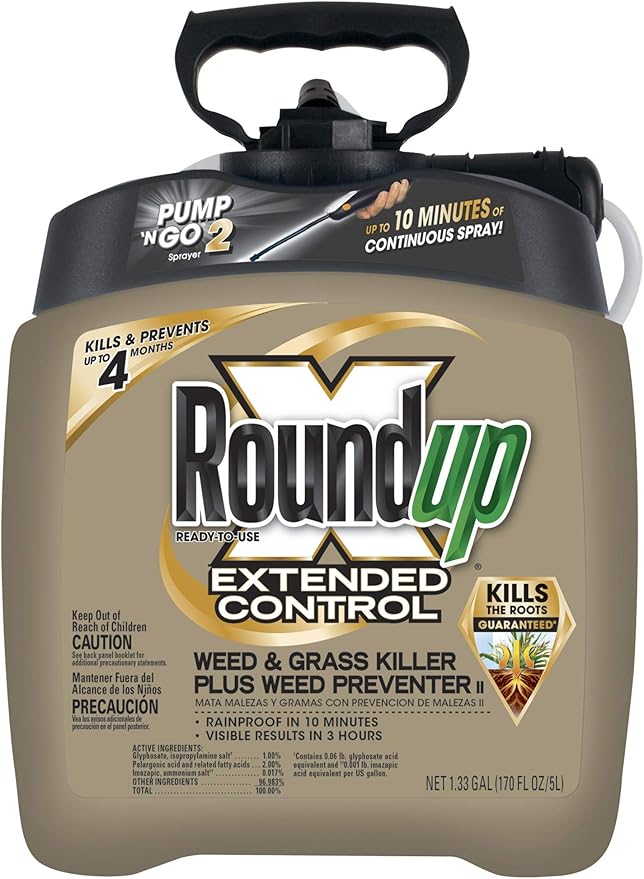
This is a one-stop product with versatile uses. If weeds are causing you to tear your hair out, this product might alleviate some stress.
It’s not just a weed killer. Nope, it’s a weed killer and preventer. So, it kills the weeds that have already grown but also prevents regrowth for up to four months. Therefore, this acts as both a pre- and post-emergence weed killer.
It contains a dual-action formula for this function to work. Plus, it kills the weeds at the root rather than just what’s above ground.
Another versatile feature of this product is that you can use it in various areas. This includes driveways, gravel areas, lawns, mulched beds, along fences, and more.
As well as being versatile, it’s also fast and easy to use. This comes with a connected pump so you can easily spray the area. It provides up to 10 minutes of continuous spray, so you can get the job done super quickly!
Pros
- Rainproof within 10 minutes.
- Results may be visible after only three hours.
- Comes ready to use with a handy pump for easy application.
- Kills weeds and grass as well as prevents regrowth for four months.
- Kills weeds to the root.
- Suitable for sidewalks, curbs, lawn edges, gravel areas and more.
Cons
- Contains hazardous ingredients, so use wisely with protective gear.
- Some customers reported it didn’t prevent regrowth for the advertised time.
- Pump function could be more reliable.
- Only covers up to 400 square feet.
Product Specs
| Type | Pre- and post-emergence |
| Lawn Size | 400 square feet |
| Weed Type | Weed and grass |
| Visible Results | Three hours |
| Size | 1.33 gallons |
Our Ratings
First-Hand Impression
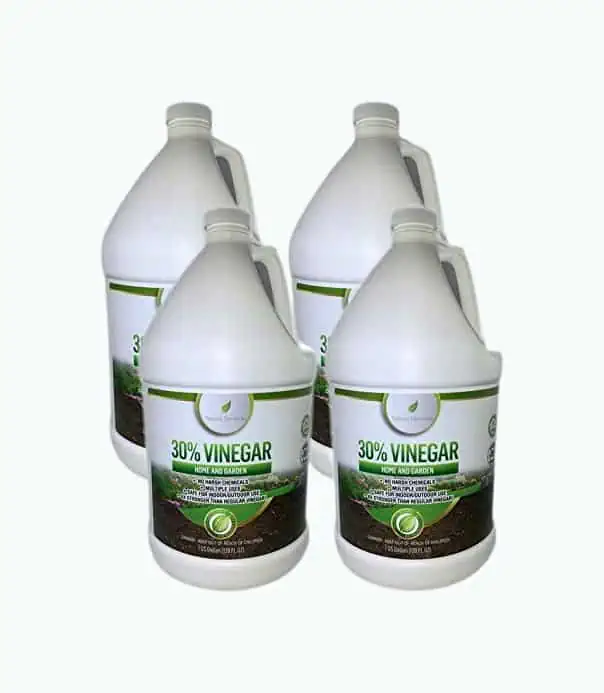
Natural Elements 30% Garden Vinegar
Best Natural Weed Killer
While many traditional weed killers are super effective, they often contain harsh ingredients. Many of us are now looking for green and eco-friendly alternatives. If you want to kill your weeds without hazardous chemicals, you may be interested in this vinegar-based weed killer.
Vinegar and water are the only ingredients in this solution. However, the vinegar is still stronger than the household vinegar you would use to clean your surfaces or clothes. So it’s a lot more effective! In fact, it’s six times stronger than the five percent stuff you use in the house.
While you can certainly use this to kill your weeds, you can also use it to clean indoors as well. It’s suitable for cleaning oven doors, drains, tub scum, calcium deposits, and more.
Just be careful since it’s high in acid. You may want to wear protective equipment or dilute it a little.
As for killing weeds, customers are super impressed by how effectively and quickly this product killed the weeds around their homes. All without the use of harsh chemicals.
Pros
- 100 percent biodegradable.
- Kills weeds without the use of harsh chemicals.
- Suitable for both indoor and outdoor use.
- Six times stronger than regular household vinegar.
- Easy to dilute.
- Lowers pH of soil.
Cons
- No — or poorly functioning — sprayer included.
- Does not include instructions for usage.
Product Specs
| Type | Post-emergence |
| Lawn Size | Not specified |
| Weed Type | Most — non-selective weed and grass-killer |
| Visible Results | A few hours |
| Size | One gallon |
Our Ratings
User Experience
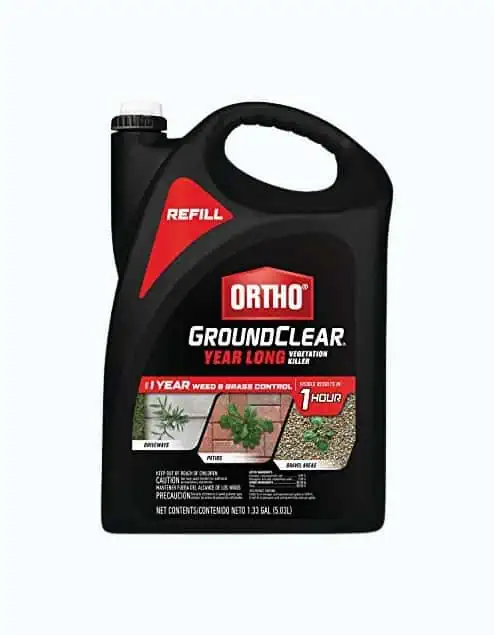
Ortho GroundClear Year Long Vegetation Killer
Best Long-Lasting Weed Killer
Killing weeds is no fun task. The less you need to do it, the better. That’s where the Ortho GroundClear killer comes into the game.
This product can kill weeds and prevent any regrowth for up to one year on one application alone. Compared to other Ortho products, this is very generous! Others provide results for a few months at a time.
As well as lasting for a long time, you’ll notice results immediately. It is a quick-acting formula that will start to kill weeds and grass within one hour of application. You may even be able to see results as soon as that.
Where can you apply this? Lawns, of course. But also rock and desert areas, under decks, sidewalks, fences, parking areas, and more!
Customers also love that this includes Comfort Wand, so you can use it as a spray bottle. This provides a super easy application with minimal stress and hassle.
Pros
- Kills weeds and grass at the root.
- Rainproof and visible results within one hour.
- Prevents vegetation for up to one year.
- Suitable in a variety of areas.
Cons
- 400 square feet of coverage isn’t very generous.
- May need to apply double what the instructions suggest.
- You have to use quite a lot of the product per application.
Product Specs
| Type | Pre and post-emergence |
| Lawn Size | 400 square feet |
| Weed Type | Actively growing weeds |
| Visible Results | One hour |
| Size | 1.33 gallons |
Our Ratings
Personal Perspective
Spectracide Weed & Grass Killer
Easiest To Use
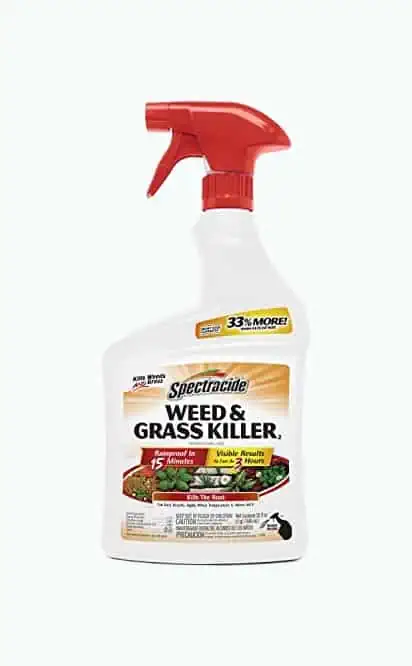
You can’t get a much easier product for killing weeds than the Spectracide spray. It comes in a handy spray nozzle, which you’ll be used to using in other areas around the home.
With the handy spray nozzle, you can easily target the exact area you want to kill. No mixing, diluting, or moving to another spray bottle. This comes all ready to use.
You can use this to kill both weeds and grasses. It’s suitable for lawns, flower beds, around fences, trees, on walkways, and more. I recommend applying this during a warm, sunny day while the weeds are actively growing for best results.
Still, it’s rainproof after 15 minutes, so if the skies unexpectedly break, don’t worry. After that, you may notice results in as little as three hours! After 24 hours, the weeds or grasses should be dead.
Keep In Mind
It kills it at the roots, so give it time to work and make its way deep into the ground.
Pros
- You can plant new growth after one day of application.
- Rainproof within 15 minutes.
- Notice results in as little as three hours.
- Handy spray bottle for easy application.
- Kills many common weeds, including clover and dandelion.
- Suitable for flower beds, driveways, around fences, and more.
Cons
- May take a few applications to kill the weeds.
- Sprayer doesn’t have a stream function, which some customers miss.
Product Specs
| Type | Post-emergence |
| Lawn Size | Not specified |
| Weed Type | List included but not readily available |
| Visible Results | Three hours |
| Size | 0.25 gallons |
Our Ratings
Community Feedback
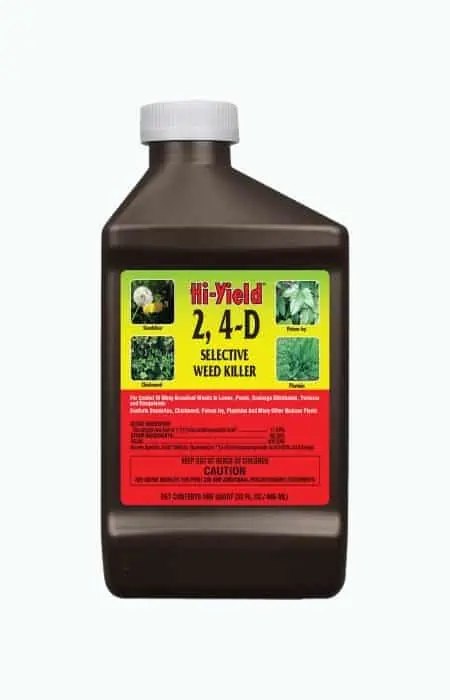
V.P.G. Hi-Yield Selective Weed Killer
Best Selective Weed Killer
If you’re after a selective weed killer, consider this one. It will get rid of weeds while protecting your grass. So you can wave goodbye to the broadleaf plants that are ruining your lawn’s aesthetic while ensuring your grass stays lush, green, and full.
This is specifically designed for broadleaf and noxious plants. So, make sure the weeds you’re looking to kill fall under that category. Otherwise, you may not notice any results.
This weed killer can tackle nettles, alder, elderberry, honeysuckle, wild onion, and more. For a complete list, check out the product packaging.
Once you’ve established that this will work for your weeds, make sure that it will work for your lawn. For general grassy lawns, this is suitable. And thankfully, it also works in a few other places.
You can put this to the test at ponds, on turfgrass, in parks, drainage ditch banks, on-crop areas, pastures, and many more! It’s a very versatile product.
Take Note
You may have to apply the solution a few times for certain weeds, such as blue lettuce, bur ragweed, and Canadian thistle.
Pros
- Selective weed killer that protects grass.
- Suitable for various weeds, specifically broadleaf and noxious ones.
- You can use it across many different sites.
- Pairs best with Hi-Yield Spreader Sticker.
- Highly concentrated formula.
Cons
- Doesn’t ship to California.
- May not be as effective as other products.
Product Specs
| Type | Post-emergence |
| Lawn Size | Not specified |
| Weed Type | Broadleaf and noxious weeds |
| Visible Results | Can take a few weeks |
| Size | 0.25 gallons |
Our Ratings
First-Hand Impression
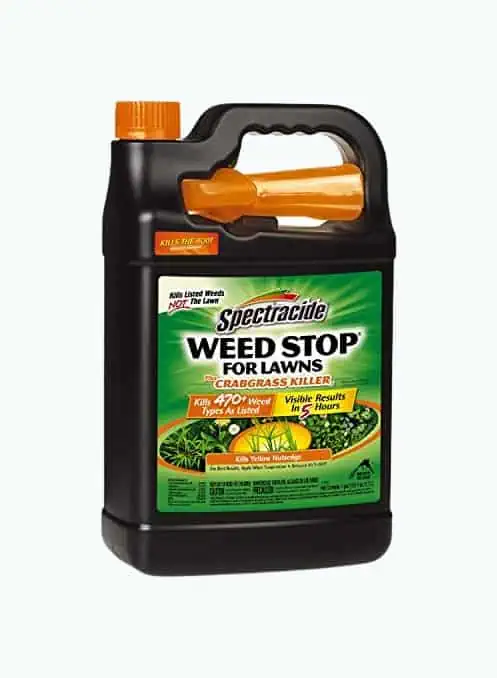
Spectracide Lawn Weed Killer
Best for Variety of Weeds
Spectracide is advertised as being able to kill the most amount of weeds. It can kill over 470 types of weeds — more than any herbicide on this list! So, if you have weeds in your lawn, there’s a good chance that this product will help you say goodbye.
This includes broadleaf and grassy weeds such as yellow nutsedge, crabgrass, chickweed, and more. The product label discloses the complete list if you’re interested.
As well as being very versatile, it’s also super fast-acting. The solution uses contact translocation to work down the weed roots. This is the most effective way to kill weeds. As for you, enjoy results in as little as five hours!
Don’t worry about your lawn becoming damaged, either. This only kills the weeds listed, not the lawn itself. So you can rest easy at night about the lush green grass you’ve worked so hard to maintain.
Pros
- Kills over 470 different types of weeds.
- Doesn’t kill grass, only weeds listed.
- Kills weeds at the root, not just on the surface.
- Results evident within five hours.
- Low price per fluid ounce.
- Ready to use formula.
Cons
- It may struggle to kill dandelions entirely.
- You may need to complete a few applications.
- Not effective in temperatures below 45 or above 90 degrees Fahrenheit.
Product Specs
| Type | Post-emergence |
| Lawn Size | Not specified |
| Weed Type | Over 470 different types |
| Visible Results | 5 hours |
| Size | One gallon |
Our Ratings
User Experience
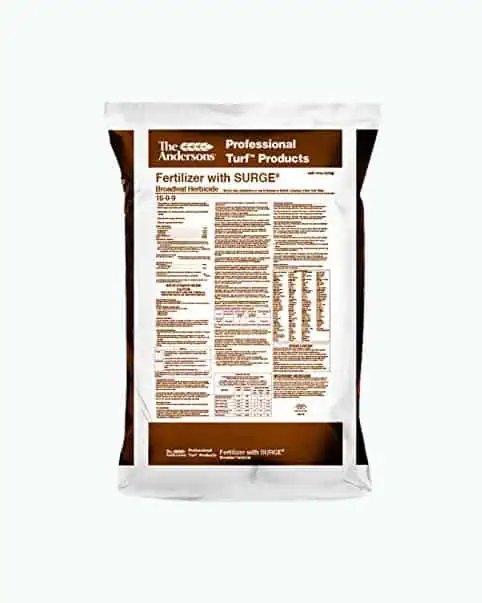
The Andersons Professional Surge Weed and Feed
Best for Large Lawns
If you have a vast lawn, it’s clever to shop accordingly so you don’t run out before you’ve tackled all the pesky weeds. This Weed and Feed covers up to 16,000 square feet, so it should hopefully be enough for your larger lawn.
In fact, this is an excellent option for professional use, too. It will last you a while, and it’s a super effective product.
It’s actually a four-way herbicide. What that means is that it uses four active ingredients, rather than just one, for quicker and more effective results. If your customers are stressed about weeds, this product may help.
It can kill more than 250 different types of weeds, making this a versatile choice. This includes dandelions, plantains, clovers, and more.
If you have a large lawn, then it’s likely you have a few different types of weeds kicking about. So it’s handy to choose a one-stop product that can help you in all areas.
Pros
- Suitable for application during spring and fall.
- Contains quick and slow-releasing nitrogen to feed grass simultaneously.
- Great coverage at 16,000 square feet.
- Good choice for professional and personal use.
- Four-way herbicide for quicker and more effective results.
- Kills over 250 weed types.
Cons
- It’s not pet-friendly.
- If you don’t have an irrigation system, application is tricky.
- It might be a few weeks before you see results.
Product Specs
| Type | Post-emergence |
| Lawn Size | 16,000 square feet |
| Weed Type | Over 250 different types |
| Visible Results | Can take a few weeks |
| Size | 40 pounds |
Our Ratings
Personal Perspective
| Product | Best | Type | Lawn Size (Square Feet) | Weed Type | Visible Results | Size |
|---|---|---|---|---|---|---|
| Quali-Pro Prodiamine | Pre-Emergent Weed Killer | Pre-emergence | 90,000 | Crabgrass, Poa Annua, Henbit | 24-48 hours | 0.59 gal. |
| Compare-N-Save Concentrate | Post-Emergent Weed Killer | Post-emergence | 25,000 | Over 175 different types | 2-4 days, but can take up 3 weeks | 1 gallon |
| Roundup Weed and Grass Killer | Most Effective | Post-emergence | 300 | Tough weed & grass | 3 hours | 1 gallon |
| Roundup Weed & Grass Killer II | Versatile | Pre- & post-emergence | 400 | Weed & grass | 3 hours | 1.33 gal. |
| Natural Elements 30% Garden | Natural Weed Killer | Post-emergence | N/A | Non-selective weed & grass killer | A few hours | 1 gallon |
| Ortho GroundClear Vegetation Killer | Long-Lasting Weed Killer | Pre & post-emergence | 400 | Actively growing weeds | 1 hour | 1.33 gal. |
| Spectracide Weed & Grass Killer | Easiest To Use | Post-emergence | N/A | List not readily available | 3 hours | 0.25 gal. |
| V.P.G. Hi-Yield Selective Weed Killer | Selective Weed Killer | Post-emergence | N/A | Broadleaf & noxious weeds | Takes a few weeks | 0.25 gal. |
| Spectracide Lawn Weed Killer | For Variety of Weeds | Post-emergence | N/A | Over 470 different types | 5 hours | 1 gallon |
| The Andersons Professional | For Large Lawns | Post-emergence | 16,000 | Over 250 different types | Takes a few weeks | 40 lbs |
How To Choose the Best Weed Killer for Lawns
When it comes to buying a weed killer, where should you start? Here’s a handy guide that breaks down the most important criteria so that you can choose a weed killer that’s just right for you.
Type
First, consider whether you need a pre- or post-emergent weed killer. Pre-emergent weed killers are used before the weeds become visible in the lawn. So you can use these before the weeds rear their ugly head.
Post-emergent weed killer is for after the weeds have made their visible appearance. It’s important to know the difference and shop accordingly.

Weed Type
It’s crucial to shop according to weed type. There are tons of different types of weeds that can show up in your garden. Some include bindweed, dandelions, chickweed, daisies, and more.
Ensure that the product you’re considering will kill the weeds in your garden. Otherwise, you’ll end up making a pretty useless purchase!

Lawn Size
When shopping, the packaging should say how many square feet the weed killer covers. Make sure that you have enough for your lawn. This ranges from about 100 square feet all the way up to 25,000 square feet.
Top Tip
Buy the bigger sizes if you’d like to use the product time and time again. It’s a good idea to have some on standby in case the weeds make a comeback.

Selectivity
You’ll find both selective and non-selective weed killers on the market.
Selective formulas kill weeds without harming the grass. So, if you have dandelions, daisies, and other weeds that grow in the grass, you may want to choose a selective weed killer so your grass doesn’t die as well.
Non-selective weed killers deal with both weeds and grass. If you’re trying to protect your grass, don’t choose one of these. However, if you have weeds on your sidewalk or away from grass and other plants, then a non-selective weed killer will work just fine.
Performance
Of course, you want something that’s going to impress you. I’ve made sure only to recommend effective options, so you don’t need to worry about that. However, some will work better than others, so always check out the customer reviews for yourself.
Another factor in terms of performance is how quickly the weed killer works. Some show results in as little as three hours, whereas others take longer. If you’d like a fast-acting weed killer, always check how quickly the product works.
Lastly, consider how versatile the weed killer is. How many different types of weeds can it kill? Where can it be used? These are all important questions to ask.

Translocation
Consider the translocation of the weed killer. All this means is the movement of the product within the weed. There are two types.
Firstly, you’ll find contact weed killers, which kill the weeds by destroying the plant where the weed killer has made physical contact. It usually starts to kill the weed within a couple of hours, but it can also take a few days. It doesn’t move within the weed afterward. Therefore, it’s better suited for annual weeds rather than perennial weeds.
On the other hand, you’ll find systemic weed killers that move within the weeds, down the roots, and destroy the entire plant. Depending on the weed you’re destroying, you might not see results for a few days or even weeks. These are great for perennial weeds that are likely to return due to their deeper roots.

Persistence
It’s important to check how long the effects of the product last. Some only need to be applied once a year, whereas others require more frequent application.
You should also consider how quickly it becomes rainproof. Some are water-resistant within a couple of hours, while others may take a few days. These require you to plan and make sure there’s no rain in the forecast.
Toxicity
Last but not least, consider the ingredients.
Are they safe for humans? Will you need to keep your kids and pets away for a few hours — or even days?
Are the ingredients natural? Is it pet-safe? Always research this before deciding.
FAQs About Using Weed Killers

When Should I Apply Weed Killer to My Lawn?
Most products should be applied in the spring or summer, during a warm day, when weeds are actively growing. Always read the product instructions for specific advice according to the product you’re using.

What Happens if It Rains After You Spray Weeds?
If it rains before the product has become rainproof (this varies by product), the product may not be as effective (2). The rain washes away the weed killer from the lawn, and it can’t do its job as well.
The weed killer must be absorbed properly to take effect, so it’s essential to use the product on a day when it won’t rain.

Does Vinegar, Epsom Salt, and Dawn Dish Soap Kill Weeds?
These natural DIY methods can kill weeds on the surface, but they don’t work to kill weeds at the roots. So, while you can mix this 3-ingredient solution, don’t expect the weeds to stay away for long.

Does Baking Soda Kill Weeds?
Baking soda can kill and eliminate weeds, but it’s not the best solution for permanently keeping them away.
However, baking soda does draw water from the plant cells since it’s an absorbent material, and the foliage becomes dry (3). This will cause weeds to dry out, making baking soda a suitable eco-friendly solution for weed control.

Does Vinegar Kill Weeds Permanently?
Not necessarily. If it gets down to the roots, sure, they might be gone permanently. But acetic acid — what’s in vinegar — tends to kill the top growth rather than the roots (4). So your plants may make a comeback next year or even sooner!

How Often Can I Apply Weed Killer to My Lawn?
You should only apply weed killer to your lawn twice a year. Any more, and you risk killing the grass and poisoning the soil. However, read the guidelines on your chosen brand because some weed killers recommend one application per year.

Does Mowing the Lawn Spread Weeds?
Mowing the lawn does not spread weeds. It promotes better and thicker grass growth, which decreases the chances of weeds taking hold.
Tips for Using Weed Killers for Lawns
Wondering how to make the most of your weed killer? Besides reading the instructions for your specific product, here are some other handy tips that can make the product more effective:
- Dilute accordingly: Dilute according to the product advice. Stronger concentrations aren’t always better. If it doesn’t work the first time, reapply with the same concentration rather than increasing the concentration.
- Follow mixing instructions: If you need to mix the product with water or surfactant, follow instructions properly and mix them in the order instructed.
- Keep clean: Clean the area and the tools you’re using thoroughly before and afterward to avoid cross-contamination.
- Check weather and water: Don’t use weed killers on windy days or near water. This can spread the product around, and it can get into waterways, which can kill aquatic life.
- Protect yourself: Always use protective equipment such as gloves, masks, and clothing that covers your arms and legs.
- Keep away kids and pets: Keep children and pets away from the area. If the product isn’t pet-safe, keep the pets away until the packaging suggests.
- Don’t bring weed killers inside: Reserve products used for measuring and mixing the herbicides for outside use only. Do not bring them back into the kitchen.
- Dispose properly: Don’t dump the excess mixture into the sink or a trash can. Save it for later and use it only on your plants.
- Choose a warm day: Aim to kill weeds on a warm day. This will ensure better and faster results.
- Avoid water after application: Lightly dampen the weeds before applying weed killers, but not after. You should aim to keep the area dry for two days, if possible, after application.