With many different types of detergent on the market, it’s fun to find your favorite. Will it be liquid or powder detergent? Maybe a reusable laundry egg? Or will it be laundry pods?
Laundry pods became really popular in 2012 when Tide launched their Pods (1). Since then, there have been a huge range of laundry pods available from many different brands.
These convenient, single use pods are much loved on laundry day. But if you’re not sure how to use laundry pods or how effective they are — we’re here to help.
Key Takeaways
- Laundry pods are pre-measured, concentrated detergent in a water-soluble coating, making them convenient and mess-free.
- To use laundry pods, add them directly to the drum before adding clothes, then wash according to packaging instructions.
- Pods are safe for front loaders, top loaders, and high-efficiency washing machines, dissolving in water without clogging the machine.
- Store laundry pods in a cool, dry place away from children and pets, as they can be a safety hazard if swallowed due to their high concentration of detergent.
How Do Laundry Pods Work?
Laundry pods contain a concentrated pre-measured amount of detergent inside a water soluble coating. Depending on the brand, the laundry pod can clean, fight stains, brighten and whiten your clothes.
Because they’re compact and convenient, you rule out the mess and spilling that comes with a liquid or powder detergent. Laundry pods also remove the guesswork since they’re pre-measured.
Are Laundry Pods Plastic?
Most laundry pods are coated in a water-soluble Polyvinyl Alcohol (PVOH) film (2). In terms of packaging materials, this is a pretty safe one. It’s non-toxic and biodegradable (3). In fact, PVOH is used in many industries including cosmetics, food packaging and pharmaceuticals.
Will They Clog the Machine?
No — you don’t have to worry about that. They’re soluble in water so they won’t go down your drains. To make sure that the pods fully dissolve though, follow the manufacturer’s instructions. Check the quantity of pods recommended per load and the temperature at which to use them.
What Happens to the Plastic When You Use the Pods?
The coating is made of PVOH film, so it’s not plastic. It looks and feels like plastic, but it’s not.
First, it dissolves in water, releasing the detergent. The film itself dissolves completely/ And because it’s biodegradable, microorganisms, fungi, or bacteria will break it down and deposit it back into the earth (4).
Are Laundry Pods Better Than Liquid?
Both types of detergent have their pros and cons. So it really comes down to your personal preference.
If you’re after something convenient, easy to transport, and reducing packaging waste — you’ll love laundry pods.
But liquid detergent is great for spot cleaning and stain treatment. It’s especially good for tough stains since the liquid can really penetrate the fabric. Finally, it’s a cheaper alternative.
Liquid detergent does increase plastic waste as well as sometimes being hard to measure out. But pods aren’t perfect either. You can’t use them for pre-treatment, spot treating stains or handwashing. Also, they’re a safety hazard if swallowed because of the high concentration of detergent (5).
How to Use Laundry Pods in a Front Loader
If you have a front loading machine and want to try out pods, follow these instructions.
- Make sure your hands are dry. Since the pods are water soluble, they will begin to dissolve if you have wet hands.
- You might have a detergent dispenser on your front loader, but skip using it.
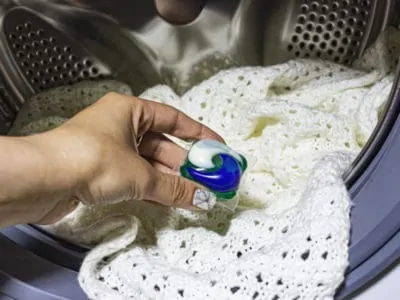
- Add the pod directly to the drum.
- Add your clothes.
- Wash according to the packaging instructions. Most laundry pods can dissolve at any temperature.
- Reseal the bag and store it somewhere cool and dry.
Something To Note
How to Use Laundry Pods in a Top Loader
You can also use laundry pods in a top loader, following these easy instructions:
- Always have dry hands so as not to dissolve the pod before it goes in.
- Add it directly to the empty drum.
- Add your clothes. Adding your clothes after the pod will help the pod to dissolve best.
- Wash according to the packaging instructions. Usually, pods will be able to dissolve at any temperature.
- Reseal the bag. Store it somewhere dry and cool.
More Tips for Using Laundry Pods
Laundry pods are easy to use and convenient, but we have a few more tips to share so you can make the most out of this detergent.
- If you have a high-efficiency washing machine, pods are a great choice. They are low sudsing which is good for machines that use less water.
- Always add the pod before your clothes. If you add it on top of a pile of laundry, it might not dissolve well. This can leave streaks and spotting of detergent on your clothes.
- Laundry detergent pods should dissolve in any temperature of water. But if you find it doesn’t, dissolve it in a hot glass of water before adding it to the drum.
- If the pod hasn’t dissolved, don’t put the streaky clothes into the dryer. This can set the detergent into the clothing, making it more difficult to remove.
- Laundry pods can look a little bit like candy. So it’s important to keep them far from children’s reach. Swallowing, chewing or eating these can be very dangerous (6). If this occurs to you, your child, or a pet, call poison control, 911 or your vet immediately.
FAQs

Are Laundry Pods Bad for Your Washer?
No — laundry pods are perfectly safe for your washing machine. Whether you have a front loader, top loader or HE machine, pods will work great.

Why Are My Laundry Pods Not Dissolving in the Water?
Laundry detergent pods need water to dissolve. If the washer is overstuffed, it can be harder for the water to get to the pod. So make sure you don’t overfill your washing machine.
If the pod hasn’t dissolved and it’s left the clothes streaky, wash the clothes in the machine again with no detergent. If this doesn’t work, run the stained area under the tap using warm water. This will help break apart and dissolve the remnants of the detergent.

My Laundry Pods Keep Getting Stuck in the Washer Door!
The main way to avoid this is to always add the pods before your clothes. This will help the water get to the pod first and dissolve it straight away.
If this doesn’t solve the problem, try a different temperature or a different brand of pods.

Why Are Laundry Pods Staining My Clothes?
If you’re getting white stains, or worse — a colored stain depending on the pod — you’re not alone. This is a rare problem but it does happen.
It might be because the pod isn’t fully dissolving. So make sure to put it in before you add your clothes to help this process along.
Otherwise, it could be because you aren’t using the correct amount of pods. Too many pods, especially for an HE washer, can be hard for your machine to dissolve. Always use the correct amount of laundry pods.
To remove the stain, try these steps:
- Rinse the stain under hot water to remove as much of it as possible.
- Gently squeeze out the excess water and lay the garment flat.
- Cover the entire stain in household rubbing alcohol. Always test on an inconspicuous area of the item first to make sure it doesn’t damage it.
- Let it sit for at least 10 minutes.
- Rinse the fabric with warm or hot water. Hopefully by now the stain is gone.
- If the stain remains, repeat these steps.
Can You Cut Laundry Pods Open?
Do not cut laundry pods open. The detergent is super concentrated so can irritate your skin. They dissolve in water so there’s no need to cut or tear them open.
If you need to hand wash clothes, use a regular liquid or powder detergent. Laundry pods are too concentrated to be used for hand washing a few garments.

How Many Laundry Pods Should You Use Per Load?
This depends on the manufacturer, but the general advice is to use one pod per load of laundry. If you have a larger machine and can fit in more clothes, two pods will do great!
If you have heavily-soiled clothes, you can also add two pods. But check the manufacturer instructions first.
However, brands, such as Tide, state that one laundry pod will do a good job at cleaning your loads, even if they are larger (7). It might take a little trial and error to find what works for you.
To Pod or Not to Pod?
Laundry detergent pods are a super convenient and easy to use way to clean your clothes. They don’t contain any plastic and the film is biodegradable. They cut down on packaging compared to liquid, even if they are a little more expensive.
Now that you know how to use laundry pods in a top and front loading washer, your laundry day will feel so much easier! If you have issues with dissolving it, make sure to follow our tips and advice to get your clothes clean, bright and stain-free.