Do you ever step into your car only to realize there’s a strange, lingering smell? There are lots of different reasons why your car might be smelling bad, but we’re here to help.
Now, we all know that lovely new-car-smell can’t last forever, but we can at least help you figure out how to remove car smells and get it back to smelling good enough for any passenger in your car.
Key Takeaways
- Use natural air fresheners like vanilla on cotton balls or vinegar with essential oils to remove mild odors.
- Try vinegar and baking soda to eliminate strong odors from spills, pet accidents, or smoke.
- Vacuum your car regularly, focusing on upholstery and crevices, to remove odor-causing dirt and bacteria.
- Place charcoal in your car to absorb stubborn smells naturally and leave it for a few days.
How to Remove Smells from Cars
Let’s bust those odors out of your car so you can concentrate on driving, and only driving. Just make sure you’ve gone through your car and removed anything that could be the source of the odor such as old food, takeaway coffee cups, and pet towels.
Air Freshener
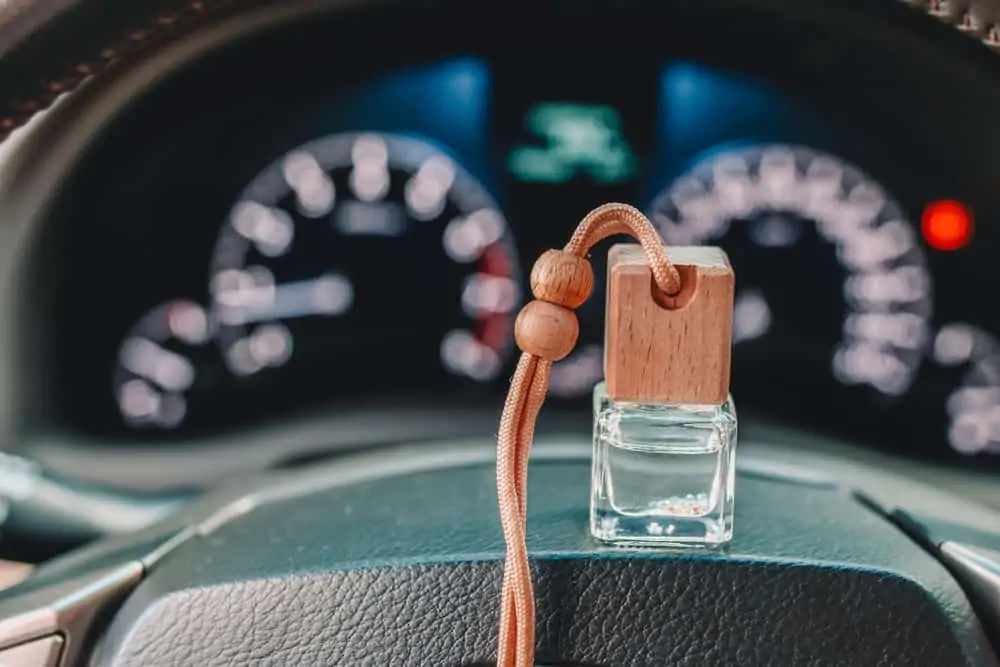
First up, you could go for an air freshener. This is a simple, but common tip, that can sometimes be enough to bust bad smells out of the car. But look out — because our tip involves natural air fresheners, so you’re not filling your car with synthetic scents.
Top Tip
What You Need
Choose one of these items.
- Cotton balls and vanilla.
- Ground coffee and container
- Mint or citrus essential oils and distilled white vinegar, along with a spray bottle.
Step by Step Instructions
- Make sure your car is clean beforehand.
- Pour some vanilla onto cotton balls, or pour some ground coffee into an open container, or fill a spray bottle with distilled white vinegar and a few drops of your chosen essential oil.
- If using cotton balls, place them around the car. The more the merrier!
- If using coffee grounds, place the container in the car. Make sure it’s in a secure spot where the grounds won’t spill.
- If using vinegar and oils, spray the solution around the car. You can even spray the seats for a longer-lasting smell.
Vinegar and Baking Soda
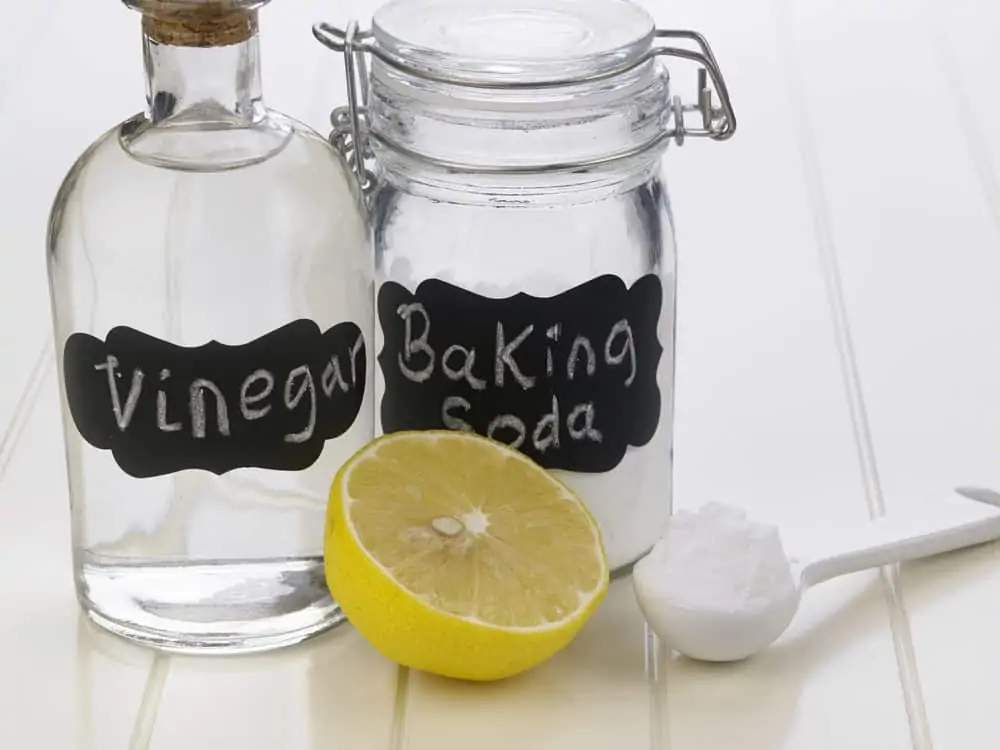
This is a great way to remove stinky odors, specifically from things like pet or child sickness, accidents, food or drink spills, or even air conditioner odors. The vinegar and water solution also works great for cleaning surfaces that may be affected by cigarette smells.
What You Need
- A spray bottle.
- 50:50 solution of water and distilled white vinegar.
- Enough baking soda to saturate the area.
- Vacuum.
- Cloth.
Step by Step Instructions
- Once you’ve cleaned up the initial residue, combine the 50:50 solution of water and distilled white vinegar into a spray bottle.
- Saturate the affected area with this solution. Let it sit for a few hours, depending on the severity of the odor, and then clean it up with a cloth. Otherwise, you can use a wet vacuum if you have one.
- Now sprinkle baking soda generously over the affected area, as this can absorb residual odor. Leave this for a few hours before vacuuming up.
Did You Know
Carpet Cleaner
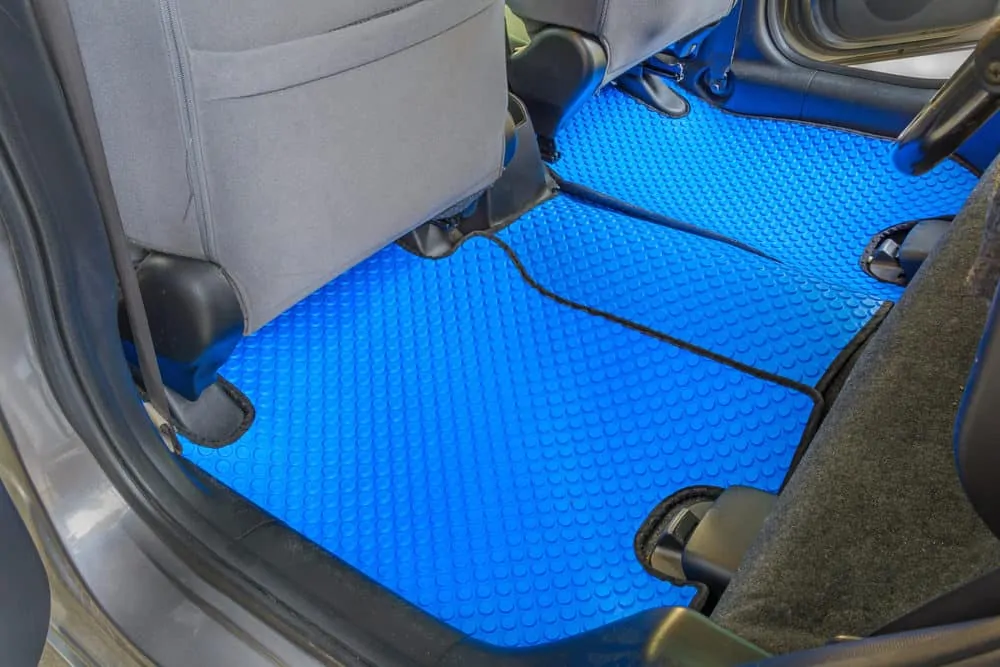
For really tough smells on upholstery or floor mats, whip out a commercial car carpet cleaner.
What You Need
- Carpet cleaner of your choice.
- Cloth.
Step by Step Instructions
- Saturate the area in the carpet cleaner of your choice.
- Leave it on for as long as the manufacturer suggests.
- Wipe it off with a cloth.
Vacuum Everything
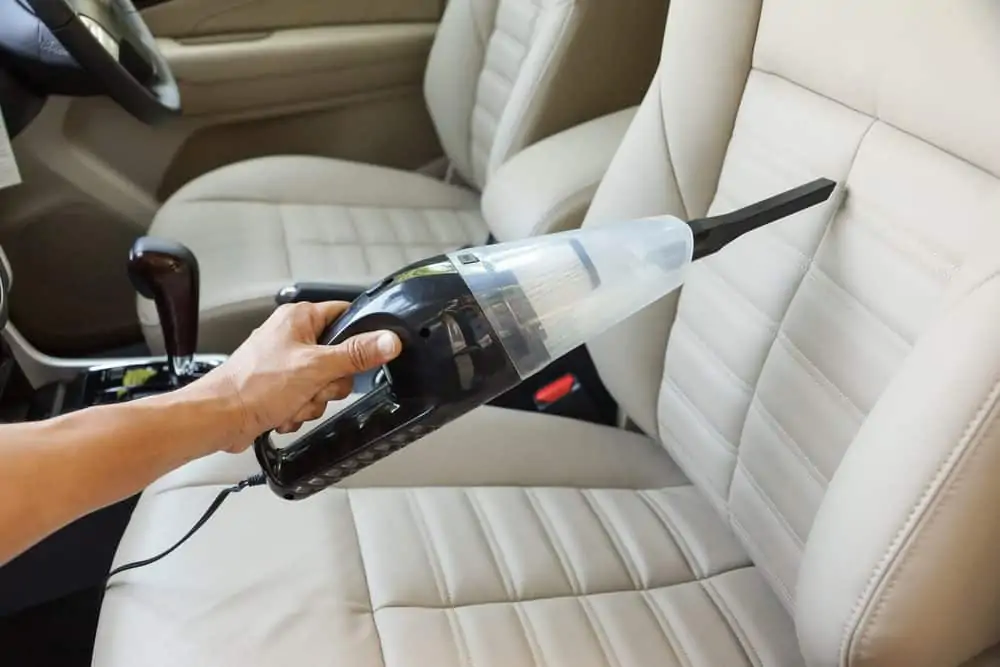
This may be simple but vacuuming can get rid of sources of odors, and even odors themselves. Odors can easily get trapped in fabric, so you should vacuum your car frequently to stay on top of bad smells. But a vacuum also works to get into small corners and crevices to remove anything that may be causing odors.
What You Need
- A vacuum with an upholstery attachment and a hose.
Step by Step Instructions
- Remove big debris from your car, including anything that you wouldn’t want to accidentally vacuum up.
- Using the upholstery attachment, first vacuum all the seats and floor mats thoroughly.
- Now use the hose attachment to get into every other crevice and corner of the car.
- Go over any missed areas.
- Air out the car and in a few hours, you should notice a difference in odors. As an added measure, add an air freshener.
Go The Extra Mile
Charcoal
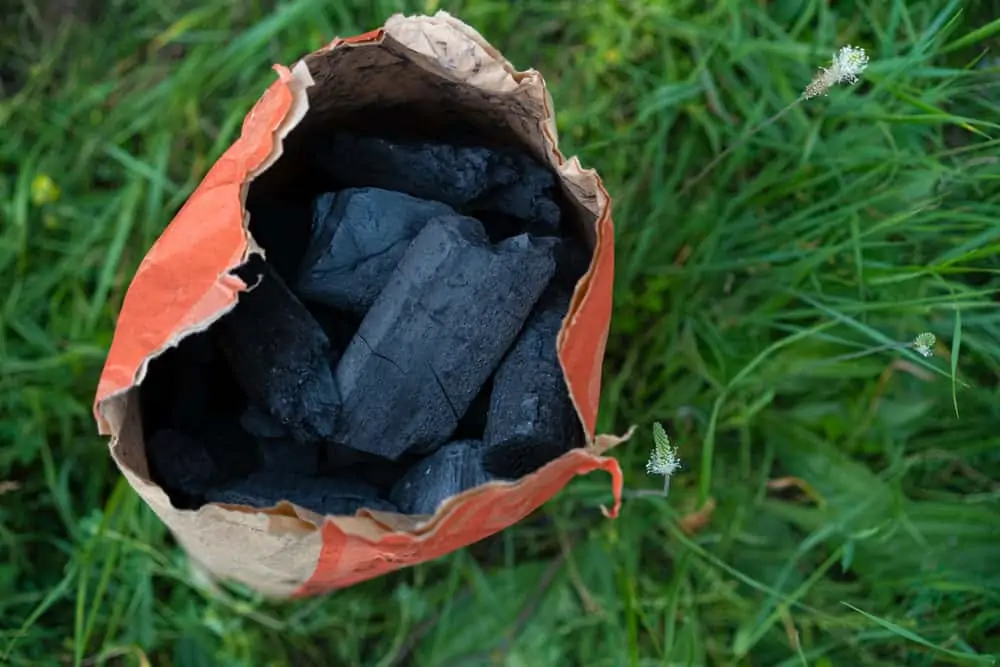
Activated charcoal is a natural way to absorb smells. Whether you have smoke odors, damp odors, sickness odors, or something else, this is a good thing to try.
What You Need
- A chunk of charcoal or charcoal bags.
Step by Step Instructions
- Leave the charcoal or charcoal bag in the car for a few days. The more you use, the quicker it will absorb smells.
- After a few days, or when the odors are gone, remove the charcoal.
Take the Car to a Mechanic
Besides our five DIY methods, there are some smells that can only be sorted by a mechanic. This may be down to overheating — which can cause a burning smell — or maybe you’ve noticed a gas smell inside your car. Take it to a mechanic and they can check over your car and troubleshoot the thing that’s causing the odor.
Professional Cleaning
When all else fails, you may need to take your car for a professional clean. They use heavy-duty products, tools, and cleaners to ensure your car is thoroughly clean. About twice a year, we take our car for a full valet and it’s always worth the money!
How to Prevent Car Smells
Cars get smelly, especially if you spend a lot of time in them. If you go for road trips, adventures with your pets, or tend to eat meals on the go, your car is probably subject to a lot of smells over time.
Here are some tips to prevent car smells so that you don’t have to go through the hassle of deep cleaning as often.
- Always empty your car of trash immediately. Whether that’s wrappers, takeaway cartons, coffee cups or other junk, take it out at the end of every day. It helps to have a car trash can to remind you to take it out more often.
- If you have pets, remove their damp dirty towels after every walk. These can sit in your car and lead to really bad odors. You should also vacuum your car more frequently if you have pets as their dander and the dirt they bring in can embed themselves into your upholstery and lead to odors.
- Remove your gym bag after each gym session. If you drive to the gym and keep all the essentials in one bag, it can be tempting to leave it in your car for next time. But this can quickly lead to bad smells.
- Don’t smoke in your car. Smoking can lead to odors, but it also leaves a nasty film on surfaces, so if you want to prevent these hard-to-budge odors, don’t smoke in the car.
- Keep your car generally clean. The more stuff you have in your car, the more likely you’ll find odors later down the line. A car is a great place to store certain items, but it’s not an overall storage solution. Plus, the more stuff you have in your car, the easier it is to lose odor-causing items. For example, when you do your grocery shopping, what if an apple rolls behind a box of stuff, and you only find out once it starts to rot? Yuck!
- Get your car regularly serviced to check for any issues. This will prevent surprises from overheating or gas issues which can lead to stinky smells in your vehicle.
Aim for a Clean Car
Cleaning the car is one of our least favorite chores. It’s actually better to stay on top of it, doing a little tidy at the end of each day, rather than letting everything build up. Especially because that is a sure-fire way to lead to horrible odors.
However, if you do find yourself face to face with funky smells, not to worry. Our seven methods will help combat all kinds of odors in every area of your car. Whether you have odors embedded deep into the upholstery, along the dashboard, or coming from a mechanical issue, our tips cover all bases.