If your linen closet is looking like your sheets have exploded, then it’s time to spruce it up.
We’ll show you 16 methods for how to organize your linen closet. These are easy and feasible tips that don’t require a ton of new products or stress. Simple, easy, but super effective.
Soon enough, you’ll have a linen closet that looks good in your home and keeps everything neat and organized.
Key Takeaways
- Keep bedding sets together in containers or bundles to prevent losing items.
- Create zones for each type of linen, such as separate shelves for sheets and towels.
- Fold professionally and consistently, displaying items with the folded edge facing outward.
- Utilize every inch of storage, including door storage and under-shelf storage.
How to Organize Linen Closet
These 16 methods will help your linen closet look cute, tidy, and organized. Might we even say Pinterest worthy?
1. Gut the Closet
The best place to start is by completely gutting the closet. This allows you to see everything that’s been hiding in there.
Sort through your things. This is a good chance to get rid of stuff you don’t want anymore, donating it to friends, family, or charities.
Now is also a good time to move anything to other closets. If you’d like to keep this closet purely for linen, then put the toilet roll and laundry detergent elsewhere.
Try This
Before moving onto any other steps, take this as an opportunity to deep clean the closet. While it’s empty, vacuum it out and wipe it down with a multi-surface cleaner.
2. Buy Containers
We promise you don’t need a ton of fancy items for this reorganization, but containers are a must when it comes to organization. Before you buy containers or closet organizers, make sure to measure your shelves to make sure they fit.
Then decide how many you’ll need. We recommend buying one container per type of item. For instance, if you have five categories of items — pillowcases, sheets, duvet covers, towels, and washcloths — buy five containers. This keeps everything organized.
Next, decide what kind of containers you want. Wicker basket, wire basket, plastic tubs, upcycled containers you already have around the house? The choice is yours!
3. Don’t Overfill
Before you start putting things away, we recommend not overfilling the linen closet. This is a sure way to make it look cluttered and disorganized — even if you know where everything is.
Try to purge items you don’t need. Or perhaps if you know there is something — like a Christmas-themed duvet set — that you’re only going to use once a year, store it elsewhere.
4. Utilize Every Inch
If you find that your linen closet is on the road to looking overstuffed or too full, utilize every inch of storage. That doesn’t mean stacking things in tall piles and hoping for the best. Instead, try out other storage hacks that will help.
For instance, you could get door storage that hangs on the inside of the closet door. This is a good place to store smaller items like washcloths, muslins, or thin pillowcases. It gets it out the way and reduces the cluttered look.
You can even get small hanging baskets. This reduces the need for tall piles, which, let’s be honest, always end up falling over anyway.
5. Keep Sets Together
While you can certainly go down the route of separating linen by category type, another option is to sort by sets. We only have white sheets in our house, so this isn’t suitable for us. But if you have multiple types of bedding sets, keep them together to make finding everything easier when it comes to changing bed sheets.
6. Create Zones
When it comes to organizing those storage boxes you just invested in, there are many options. One great way that we’ve found is organizing by zones. Not only does this make it easier to find everything, but it makes putting things away much easier, especially if you label each bin.
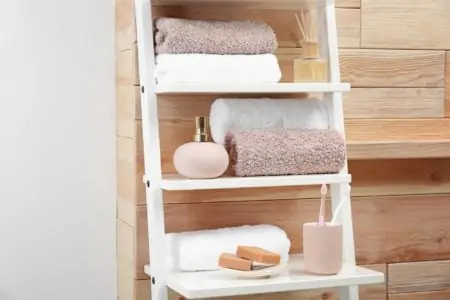
Why not try the top shelf for spare sheets? The middle shelf for regular sheets and pillowcases. The bottom shelf can be for towels and other things you reach for daily.
Some people keep other things in their linen closets. This includes toilet rolls, laundry detergent, blankets, and other cleaning products. Figure out a dedicated zone for these products, too.
7. Fold Professionally
One super important key to keeping your linen closet looking super neat is to fold professionally. There are lots of tutorials online about how to fold sheets, towels, and bedding. But whatever method you choose, the bottom line is to fold everything the same way, so it looks neat and organized.
Expert Tip
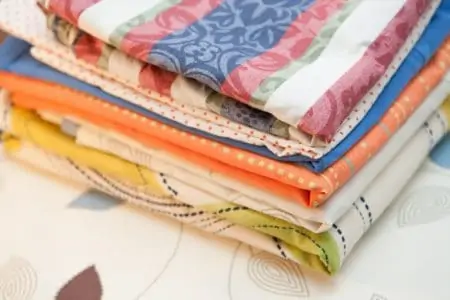
When displaying the folded items, keep the folded edge face out — not the open edge. This makes it look a lot neater. Also, don’t have the towels folded so widely that they hang over the edge of the shelf.
8. Keep Small Items Together
Have a closed storage box for small items to reduce the appearance of clutter. Keep all this stuff together so that you don’t lose anything. This can include things like washcloths, mesh laundry bags, essential oils, and more.
9. Keep the Closet Fresh
As well as keeping the closet organized, keep it fresh. Always ensure everything is clean and 100 percent dry before putting it away. Otherwise, you could end up with mold, mildew, and bad odors.
To prevent these things anyway, it’s a good idea to have a couple of hacks on standby. Use these every week or so to keep the closet fresh.
- Pour a cup of baking soda into a bowl and place it on the closet floor. The baking soda will absorb odors.
- Cedar blocks along the shelves will fight off moths and other bugs.
- Dryer sheets inside sheets will keep them smelling fresh.
- You can store lavender sachet bags or scented soaps in storage boxes to keep everything smelling fresh.
10. Add Wire Shelves
If your shelves are quite tall, you can utilize more space without having to install more shelves. Wire shelves are a great way to add more storage space while keeping everything organized. We actually use these in our kitchen cabinets for storing more plates! But they work great in linen closets, too.
11. Decorate the Closet
If you’re feeling creative, you can put that into action in your linen closet. Lots of people love adding shelf liners. These make the shelves look super neat, fun, and cute! Others like to add wallpaper to the back of the closets, too. This adds a theme to the linen closet, making it a treat to open each and every time.
12. Hang Ironing Board
If you don’t need door storage for linens, why not use the door to store your ironing board and iron? This gives the ironing board a dedicated space, so it doesn’t rattle around in random closets. Plus, it’s easy to take on and off, which would motivate me to iron a lot more often!
13. Keep a Stool Nearby
If you have a super tall linen closet where you struggle to reach the highest shelves, keep a little stool stored in the closet. This will help you to reach these items easily. Plus, it will motivate you to store items up here because now it isn’t a battle to reach them.
14. Stack Sensibly
If you want to stack items on top of each other, whether that’s towels or boxes, do so sensibly. Put the largest item at the bottom and pile up smaller items. We recommend a maximum of three different objects so that you don’t end up with a leaning tower of towels.
15. Choose a Color Scheme
If you feel your linen closet is organized but still looks messy, choose a color scheme. Choose baskets and storage boxes all within one color scheme. Many people go for white because it’s simple and clean. Others will add in a splash of blue! It’s totally up to you, but keeping your storage boxes within the same color palette can really make your linen closet look super organized.
16. Dirty Laundry Baskets
Why not keep laundry baskets in there dedicated to dirty laundry? You may not want to dedicate these baskets for yourself since you’ll be using this daily, and it might stink up the closet. But when guests come to stay, having a dedicated space for them to put their dirty laundry might make them feel more at home.
Closet Organization Checklist
Need a checklist for all of our tips? Here’s a handy 16 point guide:
- Gut the closet before organizing. Get rid of anything you don’t need or could store elsewhere.
- Buy your containers. Measure the shelves and decide how many containers you need.
- Don’t overfill the linen closet.
- Buy storage for every inch of the closet. This includes door storage and under-shelf storage.
- Keep bedding sets together in containers or bundles. This helps prevent losing a pillowcase when you need it most.
- Create zones for each type of linen. For example, top shelf for spare sheets and middle shelf for regular sheets and pillowcases.
- Fold professionally. Choose a method and keep it consistent. Display sheets and towels with the folded edge facing outward.
- Keep small items together in storage boxes.
- Keep the closet smelling fresh. Always put clean and dry linen away. Put a bowl of baking soda in the bottom of the closet to absorb any odors.
- Add standing wire shelves for extra storage so you can stack things easily.
- Decorate the closet with shelf liners and wallpaper.
- Hang your ironing board and iron on the inside of the door.
- Keep a stool nearby for reaching the high items.
- Don’t stack items in piles that are too high. They’ll topple over and create a mess.
- Choose a color scheme so that everything is cohesive.
- Store laundry baskets in the closet for guests to store their dirty laundry.
Linen Closet FAQs

What Can I Use If I Don’t Have a Linen Closet?
If you don’t have a linen closet, don’t worry. You can still create an organized (and very cute) system.
- Utilize storage under your bed: This is particularly good for storing sheets.
- Storage baskets: Roll your sheets and towels in them and place them randomly around the house, in bedrooms or bathrooms. If you roll the linen well, it’s actually a cute decorative piece.
- Store your linens in a dresser: There are lots of cute dressers available that do the same job as a closet. You can utilize all of our tips for organizing a linen dresser.
- Create a linen cart: You might need a couple, depending on the amount of linen you have.
- Install extra shelving: You can even put the shelves in interesting areas to utilize space, such as above doors. If you put the linen in baskets and organize it according to our tips, the shelves won’t look cluttered.

Should a Linen Closet be In the Bathroom?
It doesn’t matter, as long as there is good ventilation. Most people have their linen closet in the bathroom or the hallway. We’ve had ours in both areas. The good thing about it being in a bathroom is if you step out of the shower to find you forgot a towel, there will be one a few steps away in the closet!

What is the Best Closet Deodorizer?
Baking soda. Place a bowl of baking soda on the floor of the closet and let it absorb the odors. If you’d like, add a few drops of essential oil to the baking soda for a nice scent.

Why Do Clean Sheets Smell Musty?
If your sheets have been in the linen closet for a while, they might smell a little musty when you go to use them. Here’s why:
- They weren’t 100 percent dry when you put them away. Always ensure the sheets are crisp and bone dry otherwise, they could formulate a damp smell.
- The closet doesn’t have good circulation, which leads to a musty smell.
- You use unscented laundry detergent. While many people love unscented laundry detergent, giving up that scent isn’t always a pro point for everyone. With scented laundry detergent, the linen clings to the scent for longer, which masks that musty scent.
- They’ve simply been in the closet for too long. Have your sheets on a rota, so none of them are spending too long in the closet.

Why is it Important to Have an Organized Linen Closet?
It’s important to have an organized linen closet because it can become messy very quickly. When it becomes disorganized, it can be challenging to keep everything smelling fresh.

Is it Better to Roll or Fold Towels?
Knowing whether it’s better to roll or fold towels depends on the storage space available. If you are limited for storage, rolling towels is better because they take up less space.

Is it OK to Store Blankets In Plastic Bags?
It is ok to store blankets in plastic bags, provided they are sealed and clean. If any moisture gets inside, you risk mold developing, which will ruin the towels and leave everything smelling musty.