Let’s admit it: we all love being couch potatoes sometimes. But when you start to notice that your couch smells a little iffy, something needs to change.
There are many ways to freshen up your couch. You can use vinegar, a vacuum, or specialized sprays. We’ll share step-by-step methods on how to get smells out of couches.
Before you know it, your couch will smell as good as new. And you can get back to relaxing between the cushions without wondering, “What on earth is that smell?”
Key Takeaways
- Vacuum your couch regularly and steam clean monthly to remove odors and bacteria.
- Use baking soda or vinegar on water-safe fabrics to eliminate smells, leaving them on overnight for better results.
- Freshen up your couch by airing it out, opening windows and doors on a sunny day.
- Try activated charcoal bags or odor-removing sprays for persistent odors, following the manufacturer’s instructions.
Why Does My Fabric Couch Smell?
Over time, couches develop various bad odors, including musty and sour smells. This is because the fabric of the couch traps dirt, bacteria, hair, grease, food, liquids, and more. Other causes include skin bacteria, body odor, sweat, sebum, dust, and stains (1).
Some fabrics are more absorbent than others. For instance, cotton will trap more odors than leather or polyester will. It’s crucial that you vacuum and clean your couch regularly to avoid odor buildup within the fabric.
How to Safely Wash a Couch
Each sofa has a cleaning code to instruct you on the safest method for cleaning. It should be attached to your sofa label — but if not, you can look it up online.
Here’s what the codes mean:
- W: It’s safe to clean this type of sofa with water, using an upholstery cleaner, or washing it by hand.
- S: Your couch must be cleaned with solvents only and no water. This is a dry-clean-only sofa. Hiring a professional is best, but you can buy solvents at grocery stores, online, or from your local carpet cleaner.
- S/W: This code isn’t found very often, so you might want to hire a professional. But it means you can use a combination of water and/or dry cleaning solvents.
- X: Vacuum only — do not wash this couch. If you have stains and odors, it’s best to contact a professional.
How to Get Smells Out of a Couch
Now that you know the safest methods for cleaning your sofa, we will walk you through the best methods for how to deodorize a couch. We have methods that involve water and methods without. Overall, you’re sure to find something that will zap those stinky scents away.
With a Vacuum
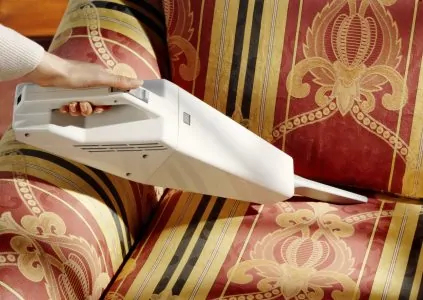
It’s vital that you vacuum your sofa regularly to remove dust, debris, and bacteria. We recommend doing this chore once a week or at least every fortnight. Here’s how:
- Use the proper attachment: Use a vacuum cleaner with an upholstery attachment. Secure it properly.
- Vacuum: Start at the top of the couch and work your way back and forth to remove dust and debris. You may have to go over each spot a few times. If you have removable cushions, take them off for a deeper clean around all sides. Don’t forget to vacuum the couch frame, as dust and dirt can settle in there.
- Attach a nozzle: Swap the upholstery attachment for a nozzle and vacuum in the cracks and crevices where dust and dirt settle.
- Fluff: Fluff the pillows to remove loosened dust and debris. Put everything back in its place and enjoy your freshly vacuumed sofa.
By Airing It Out
Fresh air does us all good, couches included! This is a super easy and cheap way to remove odors from your couch.
- Choose the right day: Wait for a dry and sunny day.
- Open windows: Open windows and doors, letting in a fresh breeze.
- Wait: Leave the doors and windows open all day to let the odors disappear.
Top Tip
If possible, you can take your couch outside on a bright, dry day. This might not be feasible if you are an old person or have narrow doorways, but if you can — this method is worth a go!
With Vinegar
Getting into our cleaning solutions, did you know you can remove odors with distilled white vinegar? This powerful, non-toxic cleaner is an absolute favorite in our home. We use it everywhere!
We also love that this can help restore a couch that smells like urine. Those pesky odors are challenging to remove, but this method is awesome.
Here’s how to get odors out of a couch with vinegar:
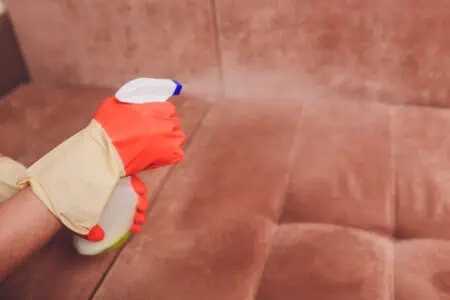
- Create a solution: In a spray bottle, combine a 1:1 solution of water and distilled white vinegar. Add 10 drops of your favorite essential oil to combat the sour smell of vinegar.
- Spray: Spray this all over the couch.
- Wait: Leave the mixture on the sofa until it has dried. As it dries, the odors will disappear.
Note This
This method is for water-safe fabrics only. This is safe to use if your couch has the “W” code. But do not use it on leather, microfiber, suede, and other “S” fabrics.
With Baking Soda
Baking soda is a wonderful odor remover. It’s super easy to use — and it’s great when you have a couch that smells like dog. We’ve been there, and baking soda saved us.
- Sprinkle: Sprinkle baking soda all over the sofa. You might need a few boxes of baking soda, especially if you have a large couch.
- Wait: Leave the baking soda on overnight. Make sure you keep kids, pets, and husbands away!
- Vacuum: Vacuum the couch to remove all baking soda granules. Take a sniff of your couch — notice that the odors are all gone.
By Steam Cleaning
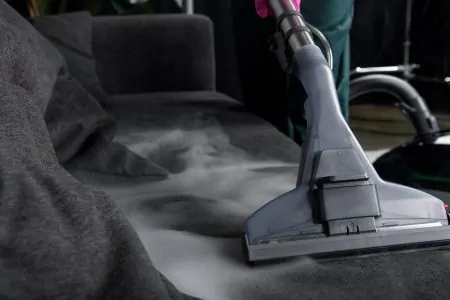
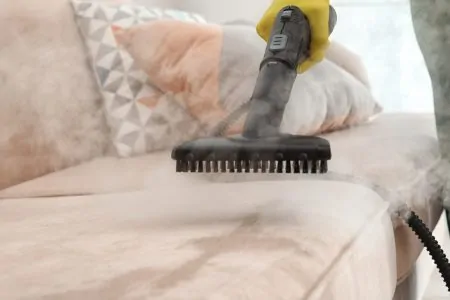
Steam cleaning can deodorize and disinfect your sofa. Ensure that the couch is water-safe and that you have enough time to let the sofa air dry. Don’t do this right before guests come over; the couch will be damp for a few hours.
- Vacuum: Before steaming, vacuum the sofa to remove dirt and debris.
- Steam: Fill a handheld steamer with water. Hold the steamer six inches from the sofa and pass over one small section a few times before moving on to the next area.
- Dry: Once you’ve steamed the entire sofa, open windows and doors to let the fabric air dry. Setting up a fan nearby can speed up the process. Plus, getting rid of moisture quicker means there’s less chance for mold, mildew, and dampness to take hold.
- Vacuum: When the couch is 100 percent dry, vacuum it again to restore the fabric.
With Activated Charcoal
Are you still struggling with how to get smells out of the sofa? Activated charcoal is a super effective method to try. It’s crucial you get activated charcoal bags to avoid charcoal stains on your couch.
- Remove couch cushions: Although the charcoal is bagged, we want to avoid putting the bags directly on the fabric in case the charcoal leaks out and causes stains.
- Place the bags: Put a couple of bags on the bare couch. It’s also a good idea to put a few behind and under the couch. The charcoal will draw odors out of the nearby area, couch and cushions included, leaving you with a fresh sofa.
- Wait: Leave the charcoal bags nearby for a few hours (four to eight is great) and witness the odors disappear.
- Replace cushions: Remove the charcoal bags and replace the cushions.
With Odor Removing Spray
Perhaps you want to buy a product specifically for removing odors on your sofa. A commercial product can be super effective. For this, we can recommend a few options:
- Rocco & Roxie Stain & Odor Eliminator: If you have pets, you need this. Specifically formulated to remove pet urine, poop, and other odors, this will freshen up your couch without fail. You can also use it on floors, kennels, bedding, and more.
- Febreze Fabric Spray Refresher Plus: You can’t go wrong with Febreze. This couch spray can freshen up all kinds of fabrics, including couches, bedding, pillows, and more. It has a clean, fresh scent that has notes of flowers and fruit.
- Angry Orange Pet Odor Eliminator: Another must-have for pet owners — this powerful spray is fantastic for removing strong, lingering odors. It leaves behind a beautiful citrus perfume that users love. Use this on sofas, garbage cans, your car, and more.
- Fresh Wave Odor Eliminator Spray: This beautifully scented spray leaves behind notes of pine, lime, anise, cedarwood, and clove. It absorbs and neutralizes odors, even those pesky ones your pets leave behind. Working instantly, customers love using this non-toxic spray on furniture, gym bags, shoes, closets, and more.
To use an odor-removing spray, you must follow the instructions laid out by the manufacturer. This may vary from product to product, but generally, here are the steps:
- Vacuum: Vacuum the sofa to remove dust and debris.
- Spray: Spray the product all over the sofa. Make sure to hold the spray about 12 inches away from the fabric to avoid leaving behind concentrated spots.
- Wait: Wait for the recommended amount of time.
- Wipe: Some manufacturers recommend wiping the spray away with a cloth, but this isn’t always necessary on fabric.
- Dry: Leave the sofa to air dry. Wait until it’s 100 percent dry before using the furniture again.
How to Keep a Couch Smelling Fresh
Prevention is key. Here are some things you can do to avoid sofa odors in the future:
- Steam clean regularly: We’ve already mentioned weekly vacuuming, but we also suggest steaming your couch once or twice a month. This can kill bacteria and other germs, which significantly cause odors.
- Keep the room clean: Sofa odors stem from elsewhere in the home. It’s important to keep ourselves clean, as well as the rest of the room. Keep the lounge clean, dust-free, and deodorized, and your couch won’t absorb as many odors.
- Keep pets off: As tempting as it is to cuddle up on the sofa with your fur baby, they track in so much dust and dirt. Keep them off the sofa or lay down a special blanket just for them.
- Wash removable covers: If your sofa cushions have removable covers, put them through the washing machine once a month.
- Keep good airflow: Keep windows and doors open as much as possible to air your couch out regularly. This isn’t possible during colder months, but this is a brilliant hack during the summer.
FAQs

Can You Use Carpet Powder On a Couch?
Many carpet powders are made for couches, too. Always check the manufacturer’s guidelines. For instance, Glade Carpet and Room Refresher is suitable for carpets, upholstery, cars, and curtains.

How Long Does a Couch Take To Dry After Steam Cleaning?
Depending on the fabric, you can expect it to take anywhere from four to 12 hours. It’s a good idea to take your afternoon coffee to a different location while the couch dries.

Can I Let Vinegar and Baking Soda Sit Overnight?
Yes — the longer you leave these products on fabric, the more effectively they’ll remove odors. The great thing about vinegar and baking soda is that they won’t bleach or discolor fabrics, so you can leave them on for ages!

Does Febreze Work on Couches?
Febreze makes fabric sprays that are amazing for removing odors on couches.
We don’t recommend liberally spraying Febreze air fresheners on couches. After all, it’s made for freshening the air — not furniture.