Experts say we spend about a third of our lives sleeping (1). So if we live 100 years, at least 33 of those are spent in the bedroom. It’s not a pleasant space if it smells bad.
Bedroom odors are totally normal, though, and can be caused by a variety of factors. Dirty laundry, cups of tea on your nightstand, or even night sweats.
We’ll teach you a few different ways if you want to know how to get rid of bedroom odor. So now your bedroom can be a place of sanctuary, rest and respite.
Key Takeaways
- Open the windows.
- Clean your bedding every week.
- Dust and clean the surfaces.
- Vacuum and clean the floors.
- Put out reed diffusers or candles.
- Spray white vinegar all around the room.
- No smoking in the bedroom.
- Take out the trash and clean the trash can.
- Keep your pets and their bedding clean.
- Put out some air purifying houseplants.
Why Does My Room Smell Musty?
Let’s recap a few main reasons why bedrooms can smell musty, or just generally unpleasant.
- Night Sweats: Whether you have extreme night sweats, or just sweat a little at night, it can lead to some bad odors in the bedroom.
- Dirty Dishes: If you have a late night snack or an early cup of tea in bed, and don’t clean up after yourself, this can lead to some bad smells.
- Pets: Do your pets sleep in the bedroom? Although they’re cute and cuddly, cats and dogs don’t always smell good.
- Dirty Laundry: We keep our laundry hamper in the kitchen for this reason. Hampers can smell! If you have dirty laundry in the bedroom, consider moving it elsewhere.
- Poor Ventilation: If you don’t open your windows or have an air purifier, then your bedroom can smell pretty quick because the air is stagnant.
- Dust: Dust can smell, so make sure you’re regularly dusting your bedroom, or it can quickly become a bit of a stinky place.
- Trash Can: If you have a trash can in your bedroom, then this can create bad smells. Try using this for non-perishable items like paper or wrappers, rather than food and drink waste.
- Your Bedding: It’s important to wash your sheets every week, otherwise they can stink.
- Carpets: When was the last time you cleaned your bedroom floors, especially carpets, which can harbor a lot more dirt and odors than hard floors?
- Body Odors: We hate to say it, but the problem might be you. Make sure that you’re hygienic, and your home is more likely to be, too!
Why Does My Room Smell After Sleeping?
During sleep, your body is trying hard to regulate its temperature which can lead to sweat production. This often causes body odor, so we wake up in a bit of a stinky room. Your mattress and pillows also can absorb a lot of liquid, which can end up smelly, too.
Another reason may be your diet. For instance, if you ate a lot of garlicky food that day, the odor will come out in your sweat as you sleep.
Amongst other reasons, it may be down to poor ventilation. Especially if you are sweating during the night. The stinky air has nowhere to go!
How to Get Rid of Bedroom Odor
The moment we’ve all been waiting for — how on earth do I get rid of that musty smell in my bedroom? Here are our top tips.
Open the Windows

This is the easiest and fastest way to tackle bedroom odors. In fact, we sleep with our bedroom window open most nights! In the winter, it’s a bit trickier, but take a hot water bottle to bed and you’ll be fine.
Opening the windows is a natural way to ventilate your bedroom and get rid of bad odors.
Warning
Clean Your Bedding
Your bedding may be the culprit to the bad smells, especially if you sweat during the night. We recommend washing your bedding once a week. Add a cup of distilled white vinegar to the rinse cycle to tackle bad odors.
If you still notice strange smells, switch over your pillowcases every other day or so! Pillowcases are subject to a lot of nasties like sweat, drool, makeup residue, and more.
Dust and Clean
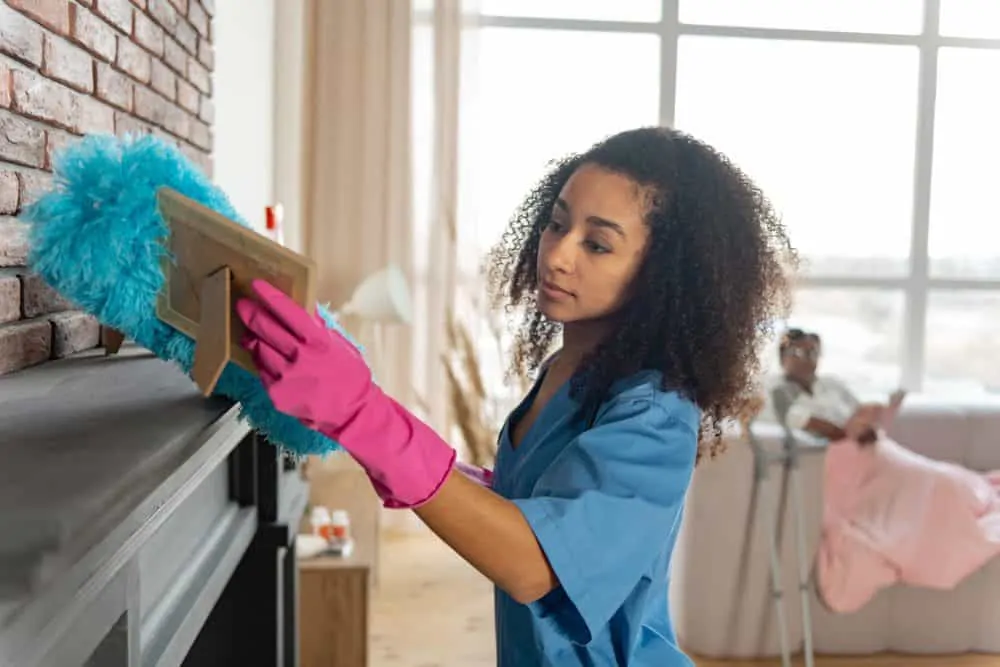
It’s time to give your surfaces a good dusting. Grab your favorite dusting tool — such as a microfiber cloth or feather duster — and go over all your surfaces.
Finish up with a multi-surface spray and a clean cloth. This can get rid of nasty smelly buildup on your bedside tables, bookshelves, and windowsills.
Clean the Floors
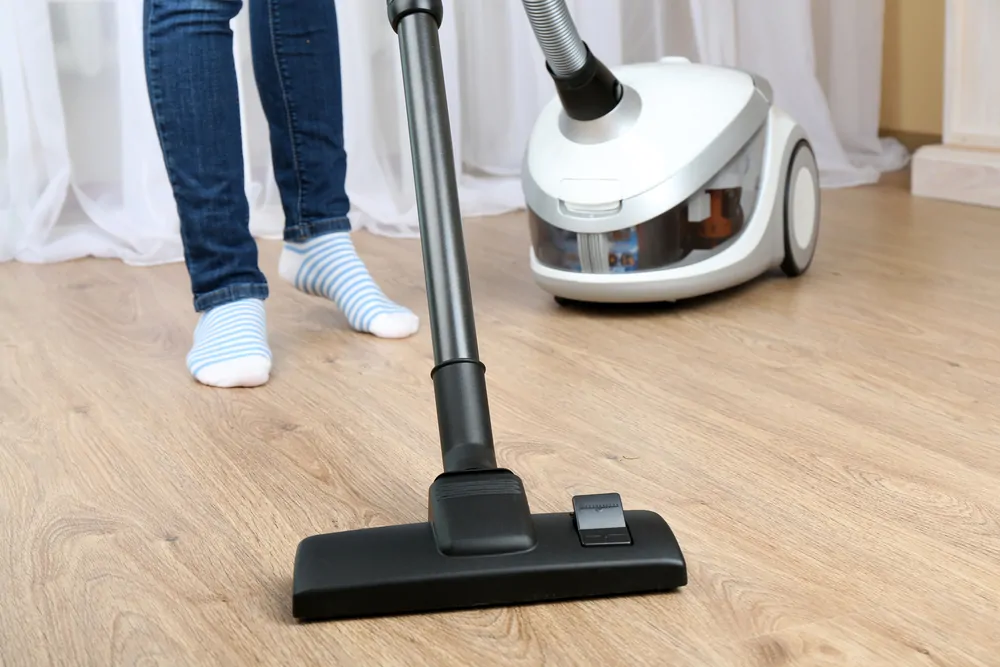
You should vacuum your floors at least once a week. If you have hard floors, go over them with a mop afterwards. As for carpets, they can host a lot of odors. So follow these steps for cleaning your carpet from bad smells:
- Vacuum the carpet first.
- Sprinkle baking soda over the entire carpet.
- Work it in with a dry brush so it’s evenly distributed.
- Leave it for up to 24 hours or overnight.
- Vacuum up the baking soda and enjoy the odorless room!
Top Tip
Reed Diffusers or Candles
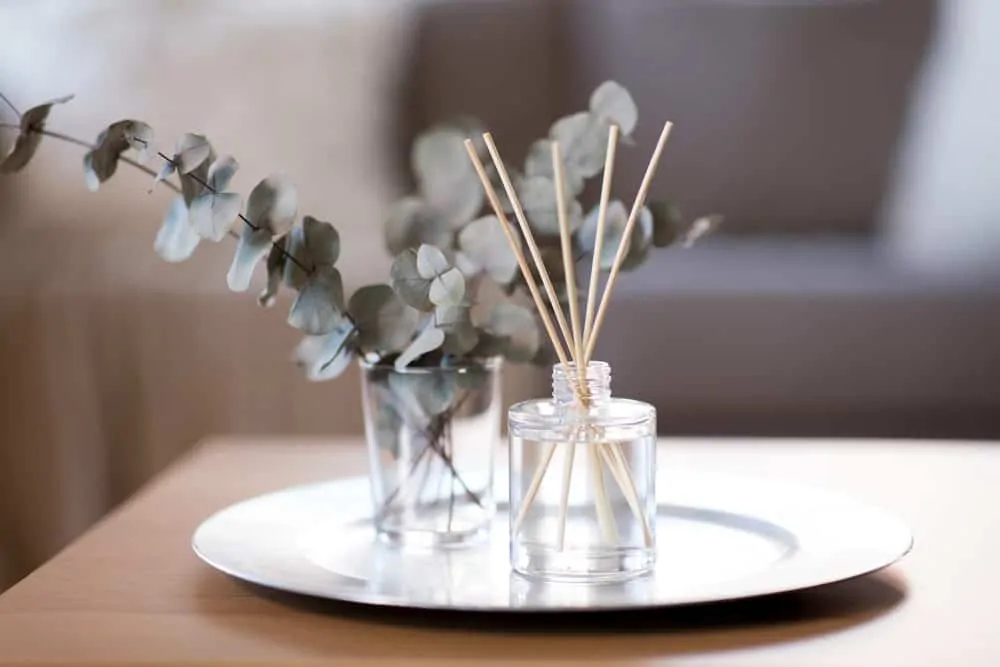
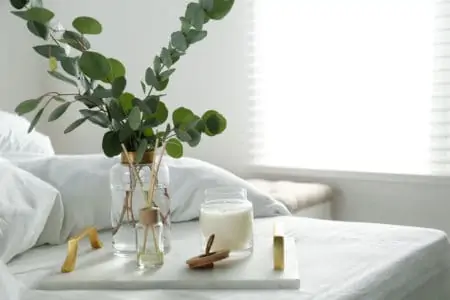
While it’s important to tackle odors than mask them, sometimes you need a quick fix, especially if you have guests coming over! You can use any reed diffuser or candle for this. We recommend soy candles as it’s better for the environment.
As for reed diffusers, get one from the store, or make your own following this method:
- Pour around 3.5 ounces of coconut, sweet almond, or baby oil into your reed diffuser bottle.
- Add 10-20 drops of your preferred essential oil, or make a blend of different oils.
- Stir the mixture until combined.
- Add your reeds — you should use about five to seven reeds.
- If you want instant scent, turn the reeds over after 30 minutes. The fragranced side will instantly throw the scent into the room!
White Vinegar to the Rescue
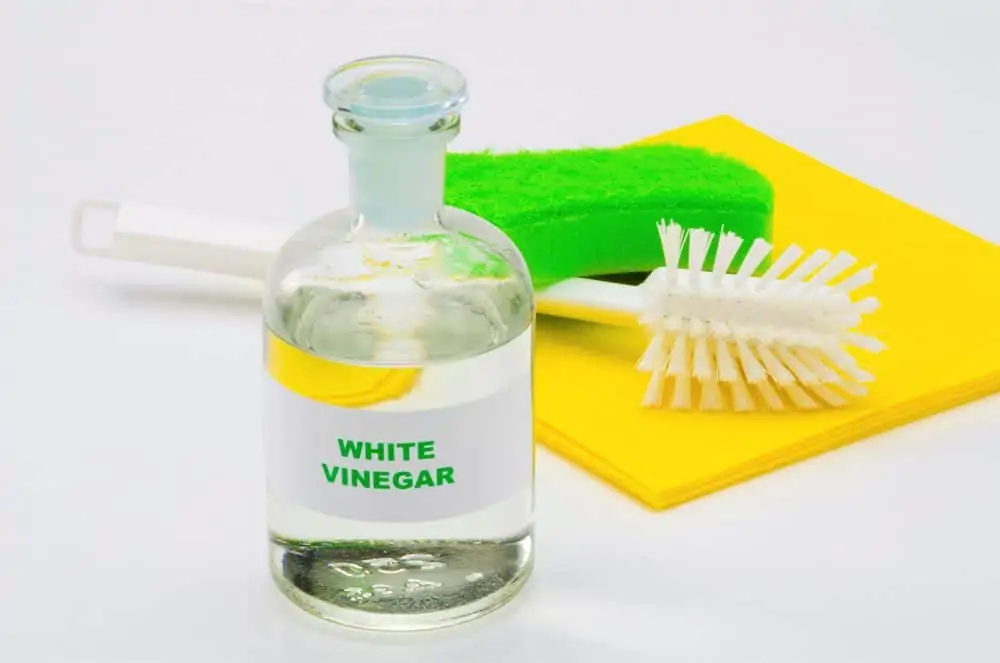
If your bedroom stinks, it’s time to get the white vinegar out. You can use this in a few different ways. One option is to dampen a cloth with distilled white vinegar and wipe all the surfaces, walls included.
Another option is to make a room spray. Mix together a 1:1 ratio of distilled white vinegar and water in a jar. Add 10 drops of your favorite essential oil. Mix well. Spray this liberally around the room, freshening up the air.
You can also spray this onto your clothes or bedding as a fabric freshener!
No Smoking

If you’re a smoker, make the bedroom a smoking-free zone. In fact, it’s better to avoid smoking indoors at all for health and safety reasons.
If your house does smell like cigarettes, we recommend getting a good air purifier for smoke to zap these odors out of your home.
Take Out the Trash

As mentioned previously, if you have a trash can in your bedroom, it’s a good idea to minimize using it for perishable waste. So don’t throw your orange peel in there or the remains of your smoothie! Instead, use the trash can for paper waste or wrappers.
As well as controlling what you use it for, make sure the trash can is clean. Once a week, wash it out with hot soapy water. Sprinkle a little bit of baking soda in the bottom before adding a trash bag to minimize odors.
Pet Control

Okay, we’re not going to tell you to take your pets out of the bedroom. Many people love having their pets in the bedroom with them at night! However, there are a few things you could control.
First of all, make sure their sleeping area is clean. Like you, you should aim to wash their bedding two or three times a month. More often if they’re super muddy!
You should also make sure they’re clean. If they’re smelling a little funky, give them a bath with a pet-friendly shampoo that tackles bad odors.
Last but not least, if your pets are still having accidents indoors, it’s a good idea to wait until they’re house-trained before they start sleeping in the bedroom.
Houseplants

Our last tip is a good one — invest in some houseplants! We have a few air cleaning houseplants in our bedroom and it really does make all the difference. Some air purifying houseplants include (2):
- Spider plants.
- Dracaenas.
- Golden pothos.
- Areca palms.
- Chrysanthemums.
- Bamboo plants.
- English ivy.
- Rubber plants.
- Chinese evergreen.
- Peace lilies.
Not only do these help with air quality — but they are also great decorative pieces.
FAQs

How Long Does It Take for Baking Soda to Absorb Odors?
The time it takes for baking soda to absorb odors varies. Some say to leave it for a few hours, while others recommend letting it sit for 24 hours.

How Does Vinegar Deodorize a Room?
Vinegar deodorizes a room by bonding with the odor-making molecules and killing them. As the vinegar dries, it evaporates and disappears, along with the odor molecules.

Should You Leave Your Air Purifier on All the Time?
You should leave your air purifier on all day because it cleans the air and maintains the quality. If you switch it off, the air deteriorates, making it harder for the purifier to work efficiently.

How Can I Freshen My Bed Sheets Without Washing Them?
You can freshen your bed sheets without washing them using baking soda or linen sprays. However, you should wash them regularly to reduce dust mites and bedbugs.

Why Don’t My Sheets Smell Fresh After Washing?
Your clothes may not smell fresh after washing for several reasons. You might use too much or too little detergent, or you have washed them in the wrong setting. Other reasons include not using fabric softeners and leaving them to sit in the machine while still wet.
Breathe Easy
Now that you know how to get rid of bedroom odor, you can breathe easy! Bedrooms can become quite smelly places, so you’re not alone if this is the situation you’ve found yourself in. Whether it’s down to night sweats or dirty laundry, it’s easy enough to handle.
We have 10 amazing tips to bring your bedroom back to a zen-like environment. We recommend opening the windows every morning once you’ve woken up to air the room out.
You should also clean your bedding once a week. On top of that, why not try out some air purifying houseplants, whipping out some white vinegar, or making your own reed diffusers?