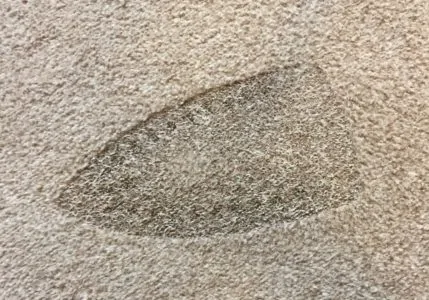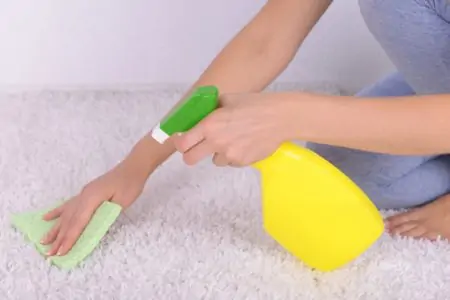
Carpet stains are some of the most infuriating, but glue can be even more stressful. Not only do you potentially have a stain afterward, but you also have a yucky sticky thing to remove.
However, there’s no need to panic. With this guide to five different methods, we can help you get glue out of carpet once and for all.
We’ll also answer some of your burning questions about glue in carpets. By the end, you’ll have the best kit to remove this sticky substance from your beautiful carpets.
Key Takeaways
- Act quickly to remove glue from carpet using methods like vinegar and dish soap, or commercial products like Goo Gone.
- Scrape off hardened glue with a knife before applying any cleaning solutions.
- Distilled white vinegar helps break down glue, making it easier to remove from carpet fibers.
- For stubborn glue stains, try using ammonia, acetone, or even WD40, but always test in an inconspicuous spot first.
How to Get Glue Out of Carpet
Check out these five methods for removing glue. If one doesn’t work for you, simply move onto the next one, and soon enough, glue is gone!
Top Tip
If you notice glue on your carpet, act quickly. The fresher the glue, the easier it will be to get out. However, we will recommend some methods for removing dried glue, too.
Ironing the Glue Off
This method is great for glue from long, thick carpets.
- Using a sharp knife, scrape glue residue from the carpet. For hardened glue, you might need to scrape for longer.
- Once as much of the glue has lifted, cover the glue with a thin cloth.
- Iron over the cloth. The heat should soften the glue, which will transfer from the carpet to the cloth.
- Once the glue has lifted, check the stain. If glue remains, use a pair of household scissors to cut the tip of the fibers and any remaining glue residue.
Vinegar and Dish Soap
If you know us, you’ll know that we love this combination! Vinegar and dish soap work great together for removing many different carpet stains. But this combo also works great for glue, specifically craft glue.
- Remove as much of the glue as possible. For fresh glue, dab with a dry towel. For dried glue, dab with a warm damp towel and scrape with the blunt side of a butter knife.
- Soak a cloth in distilled white vinegar.
- Wipe the glue-affected area for at least one minute or until the area is wet.
- Leave for 15 minutes. The vinegar will work to loosen the adhesive and make it easier to lift completely.
- Mix together one tablespoon of dish soap per cup of warm water.
- Soak a cloth in the mixture and dab it on the remaining glue spot.
- Gently scrub to lift the glue.
- Dab the spot dry with a separate cloth. The glue should be gone now.
Ammonia
If you need a method that’s a bit more extreme and powerful, especially for dried glue, ammonia can come in handy.
- Mix one teaspoon of ammonia in one cup of water. Stir.
- Wearing gloves, soak a clean white cloth in the solution.
- Blot the glue stain until the glue starts to transfer from the carpet to the cloth.
- Repeat until the stain has lifted.
Acetone
Another great product that you may already have in the house is acetone. This works for both fresh and dried glue.
- If the glue is fresh, use clean paper towels to press down on the glue. This will absorb the glue. Repeat this until you’ve lifted as much of the glue as possible. If the glue is dried, skip this step.
- Soak a cotton ball or swab with acetone nail polish remover. Press down on the glue spot. Repeat until the glue begins to loosen. Make sure to swap out the cotton ball for a new damp one if the previous one begins to try.
- Optional: If the glue isn’t lifting, try the ammonia method here.
- Once the glue has been removed, wipe the carpet with a warm damp cloth.
- Dry the carpet with a clean, dry towel.
Goo Gone
If you want something that’s specifically designed for removing glue from carpets, then Goo Gone is a great shout. This product can remove glue, wax, crayons, tars, glitter, gum, and more from various surfaces. This includes carpets, hard surfaces, upholstery, clothes, and more!
- Pour a bit of Goo Gone onto a clean white cloth.
- Gently blot the glue-affected area on the carpet until the glue lifts.
- Soak another cloth in water and add a bit of soap to the cloth.
- Blot the area.
- Wipe dry.
Please Note
Do not use Goo Gone on silk, leather, suede, or rubber. Also, note that the instructions differ for hard surfaces, clothes, and other surfaces. Always refer to the product packaging before using, and always test in an inconspicuous spot first.
FAQs on Removing Glue from Carpet

Can You Get Gorilla Glue Out of Carpet?
Although it may be a challenge to remove Gorilla Glue from the carpet, it is possible.
- If the glue has dried, rub the area with a bit of sandpaper to remove as much of the excess glue as possible.
- Vacuum over the lifted glue with the upholstery attachment of your vacuum.
- Dampen a white cloth with isopropyl alcohol.
- Rub the glue affected area with the cloth. You may need to implement some serious elbow grease here.
- The glue will start to soften and lift. Repeat until the glue has lifted, soaking the cloth again if necessary.
- Once the glue has lifted, clean the area with soapy water.
- Dry well.
How Do You Get Wet Elmer’s Glue Out of Carpet?
It’s much easier to remove the glue while it is still wet.
- Wipe the glue with a dry towel or cloth to remove as much as possible.
- Dampen a cloth with distilled white vinegar.
- Rub the glue affected area with the cloth using circular motions.
- Continue until the glue has lifted.
- Apply a little warm water to the area. Let it soak for a few minutes.
- Scrub the area with a dry towel. This should remove all lifted glue residue.
- Repeat steps 2-7 if necessary.

What is the Best Adhesive Remover?
Goo Gone, as mentioned earlier, is one of the best available. It’s very effective, loved by many, and versatile enough to be used in various messes throughout the house.
Does Vinegar Break Down Glue?
Yes. Vinegar contains acetic acid, which can break down casein, a typical protein found in glue (1). Plus, vinegar is eco-friendly and affordable, so it’s a great place to start when removing glue from the carpet.
Can WD40 Remove Glue?
For stubborn glue stains, WD40 may come in handy, but be careful. WD40 can leave a separate stain! So always test in an inconspicuous spot first. To remove glue with WD40, follow these steps:
- Spray WD40 onto the hardened glue or glue stain and wait 20 seconds.
- Rub the spot well with a damp sponge.
- This will gradually lift the glue stain or residue.
- Clean the area thoroughly with soapy water.
- Dry well.

Does Coke Dissolve Super Glue?
Coke doesn’t dissolve super glue, but it does help to break it up so that you can remove it from surfaces. It works by attacking the adhesive properties of the glue.