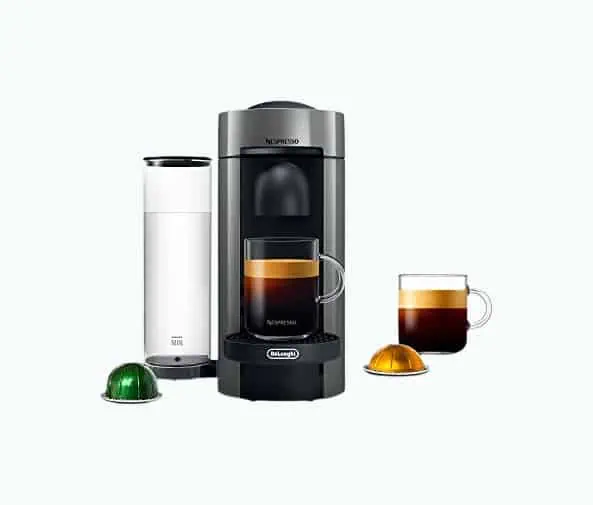
Do you have a Nespresso machine by DeLonghi? Perhaps it’s a Breville or VertuoPlus. You may also have an Original Nespresso Machine like the Creatista Pro or Lattissima One.
It doesn’t matter which model you have. You know that Nespresso machines are amazing and make wonderfully delicious coffee.
Unfortunately, the Nespresso machines need to be cleaned and descaled regularly to keep it running well and your coffee tasting delicious. So today we’re chatting about cleaning and descaling Nespresso machines so you can enjoy fresh-tasting coffee every morning.
Key Takeaways
- Clean Nespresso machine daily by washing the drip tray, capsule container, and water tank to prevent bacteria and mold growth.
- Descale the Nespresso machine every 3 months or after 300 coffees to remove mineral buildup and maintain great-tasting coffee.
- Perform a machine cleaning process to clean the internal workings and ensure optimal performance.
- DIY descaling solutions can be made with equal parts water and vinegar or lemon juice, but check the warranty and manufacturer’s instructions before using.
How Often to Clean Nespresso Machine
A Nespresso machine will need to be cleaned daily. However, this only involves cleaning the drip tray, making sure the capsule container is empty, and changing the water.
This daily clean-up will help to prevent parts of your machine such as the drip tray from growing bacteria and mold. It also removes the coffee residue that adds a bitter flavor to your brew.
Your Nespresso machine will also need to be descaled about every 3 months or 300 coffees. The minerals in tap water slowly build up over time. The buildup will add an odd flavor to your coffee and may eventually cause your machine to stop working properly.
The descaling process will remove the buildup allowing you to continue enjoying great-tasting coffee.
How to Clean a Nespresso Machine
Cleaning a Nespresso machine is the best way to prevent mold and bacteria from growing in your machine. Here’s how to easily clean your Nespresso machine.
- Time: 15-20 minutes
- Difficulty: Beginner
What You’ll Need
- Dish soap
- A 32oz container that will fit underneath your machine’s head
- Soft cloth
- Drying towels
1. Clean the Water Tank
Remove the water tank from your machine and empty it into the sink. Then handwash your water tank using a mild dish soap. Once it’s clean, rinse it thoroughly to remove all of the soap.
Allow your water tank to air dry or dry it with a clean cloth. This will prevent growth of mold or bacteria as it thrives in wet conditions.
Lock your water tank back into place on your Nespresso machine.
2. Clean the Capsule Container
Inspect the capsule container and make sure that there isn’t a used capsule lurking inside the container. If so, remove it.
Remove the capsule container from your machine and hand wash it using mild dish soap and water. Rinse it thoroughly and let it air dry.
While the capsule container is air drying, look inside the machine and locate the capsule detector lens.
Use a soft cloth to gently wipe the lens clean. Do not use water or soap. Your goal is to simply remove any smudges on the lens.
Replace the capsule container when it’s dry.
3. Clean the Drip Tray
Remove the drip tray and wash it with mild dish soap and warm water. Rinse. Dry it with a towel before returning it to your machine.
4. Wipe Down the Outside
Use a soft cloth to wipe down the outside of your machine. Make sure to clean the coffee outlet, outside edges, and inside walls.
5. Machine Cleaning Process
To clean the internal workings of your machine, you will need to perform a cleaning process on your machine. Fill the water tank with water and then heat your machine. Wait until the light stops blinking.
Once the light has stopped blinking and is steady, place your large container on the cup tray. Quickly press the button on your machine 3 times within 2 seconds to start the cleaning process. Water should appear within a couple of minutes and the cleaning process should finish within 7 minutes.
Cleaning a Nespresso Machine After Use
After using your Nespresso machine, you should use a soft cloth to wipe the machine down. Also, make sure to wipe the steam wand and remove any milk residue that may be on the wand.
How to Descale a Nespresso Machine
The minerals in the water will eventually cause limescale buildup in your machine. This buildup will affect your machine’s performance as well as the taste of your coffee. Descale your machine every 3 months to remove the limescale buildup.
Here’s the best way to descale a Nespresso machine.
- Time: 30-45 minutes
- Difficulty: Beginner
What You’ll Need
- Dish soap
- Large container that will hold about 1 liter or 32oz of water and will fit on the cup tray
- Nespresso Descaling Solution
1. Prepare Machine
Empty the drip tray and capsule container. Give them a quick wash before replacing them in your machine.
Then empty your water tank. You will need to fill it with 1 unit of descaling liquid and 17oz of water. Lock your water tank into place on your machine.
Heat your machine.
2. Enter Descaling Mode
You will need to enter your machine’s descaling mode. Different models have different ways of entering the descaling mode. Check your model’s user manual for the specific instructions for your model.
Generally, you can open the machine head to eject the capsule. Then close the head and move the lever to the right so that it’s in the unlocked position. Now press and hold the button until the light begins blinking orange.
Vertuo and VertuoPlus Nespresso machines have one button that you will hold for about 7 seconds.
The Pixie, Inissia, and CitiZ models have 2 flashing buttons that need to be held simultaneously for 3 seconds.
The Prodigio requires you to press the three coffee buttons at the same time and hold them for 3-6 seconds.
3. Descale the Nespresso Machine
Once the light is blinking orange, you have 45 seconds to start descaling your machine. Place the large container underneath the head and turn the lever to the left to lock the machine.
Descaling will start automatically.
4. Rinse the Nespresso Machine
After you have descaled your Nespresso machine, the light will no longer be blinking orange. It’s now time to rinse your machine.
Dump the contents from the descaling process down the sink. Remove your water tank, capsule container, and drip tray. Wash them with mild dish soap and rinse them well before returning them to your Nespresso machine.
Fill your water tank with fresh drinking water. Put your large container back on the cup tray to catch the rinse water.
Press the button once to start the rinse cycle. The rinse cycle will remove the residue from the descaling process from your Nespresso machine.
5. Exit Descaling Mode
Once the rinsing process has finished, dump the liquid in your large container down the sink.
Some machines require you to manually exit the descaling mode. Do this by pressing all the coffee buttons until the machine beeps. You have now left the descaling mode.
Allow your machine to dry for at least 10 minutes. Then refill the water tank with fresh water. You’re ready to make a fresh cup of coffee.
DIY Descaling Solution
Instead of purchasing a descaling kit or solution, you can make your own by following this recipe.
Make a solution by mixing equal parts of water with vinegar. Pour the solution into your water tank. Make sure you rinse the machine at least 5 times to remove the taste of vinegar.
Another option is to use lemon juice instead of vinegar in your descaling solution. Again, you will use a 1:1 ratio of lemon juice and water and add the solution to your water tank. Rinse your machine twice to remove the taste of the lemon juice.
Tips For Taking Care of Nespresso Machine
Nespresso machines can last for 5-10 years with careful maintenance. Here are some hacks to help extend its lifespan.
- Leave the lid closed to prevent any dirt or dust from entering your machine.
- Wash the water tank daily.
- Give your Nespresso machine a quick rinse cycle before and after each brew if you have time.
- Do not use strong cleaners such as bleach in your machine.
FAQs

Why Can’t I Remove the Drip Tray?
Some Nespresso machine drip trays don’t come out. Instead, they fold up to allow you to put a taller cup under the dispenser.
Other times the drip tray may become stuck due to leftover coffee. Try wiggling it a bit and then lifting it to remove the drip tray.

Do You Need to Clean a Nespresso Machine?
Yes, you need to clean your Nespresso machine to prevent mold, mildew, and bacteria from growing in your machine.

Does Vinegar Harm Nespresso?
Over time, vinegar may eat away at the rubber parts in your machine. It’s best to check your warranty and manufacturer’s instructions before using vinegar in your Nespresso machine as sometimes the use of vinegar will void the warranty.

Why Does My Nespresso Coffee Taste Burnt?
There are several reasons why your Nespresso coffee may taste burnt. You may be over-extracting the coffee capsules.
Your machine may be dirty. Descaling and cleaning your Nespresso machine will give you great-tasting coffee again.
You may also be using expired or unsealed pods. Check the expiration date to be sure you’re using fresh pods.

How Long Do Nespresso Machines Last?
Most Nespresso machines should last between 5 to 10 years.