Nothing is better than waking up to a fresh delicious cup of coffee in the morning. However, if you don’t clean your coffee maker, the coffee quickly becomes bitter and foul-tasting.
If you want to enjoy a fresh-tasting cup of coffee every morning, you need to know how to clean your Cuisinart Coffee Maker the correct way. We’ll show you everything you need to know.
Key Takeaways
- Clean a Cuisinart Coffee Maker using a vinegar solution to remove mineral buildup and kill bacteria.
- Pause the brewing cycle halfway through, wait 30 minutes, then restart to give the vinegar solution time to work.
- Rinse the coffee maker 2-3 times with fresh water to remove any vinegar residue.
- Clean the carafe, filter, and base with soapy water and a microfiber cloth.
- How To Know If It’s Time to Clean Your Cuisinart Coffee Maker?
- Steps for Cleaning A Cuisinart Coffee Maker
- Cleaning And Descaling A Cuisinart Single Serve Brewer
- Cleaning a Cuisinart Coffee Maker with Auto Clean Button
- Cleaning a Cuisinart Grind and Brew Coffee Maker
- How To Clean Coffee Maker Without Vinegar
- Pro Tips for Maintaining Your Cuisinart Coffee Maker Clean
- FAQs About Cleaning A Cuisinart Coffee Maker
How To Know If It’s Time to Clean Your Cuisinart Coffee Maker?
There are a few ways to know when it’s time to clean your coffee maker such as when your coffee tastes bitter. Another method is when the clean light on your machine is flashing at you.
The third way to tell if you need to clean your machine is to look into the reservoir. If you see mineral buildup, it’s time to clean your machine.
If none of these occur you can routinely clean your machine every 3-6 months under normal usage. If you make several pots of coffee every morning, then you may need to clean your machine once a month.
Steps for Cleaning A Cuisinart Coffee Maker
If your coffee is tasting bitter, you’ll be pleased to learn that cleaning a Cuisinart Coffee Maker is no more difficult than brewing yourself a cup of coffee. To give you a quick overview, you will brew a solution of vinegar and water in your machine.
- Time: 1 hour
- Difficulty: Beginner
Materials
- White Vinegar
- Filtered water
- Dish soap
- Microfiber cloth
1. Remove the Filter Basket
The first step is to remove the filter basket from your machine. This will be cleaned separately from your machine so just leave it on one side for now.
2. Make the Vinegar Solution
First, make a vinegar solution of ⅓ vinegar to ⅔ water. You can use your carafe to measure your solution out.
To know how much vinegar to use for a 12 cup reservoir, just add 4 cups of vinegar to 8 cups of water in your carafe or coffee pot. Pour the solution into the machine’s reservoir. Now put the carafe onto the warming plate.
3. Start the Brewing Cycle
Push the start button to begin the brewing cycle. Let it brew for several minutes.
4. Turn Off Your Coffee Maker
When the brewing cycle is about halfway through the cycle, turn off your coffee maker. Stopping the brewing cycle halfway gives the solution time to work.
5. Let the Machine Sit for 30 Minutes
Now that the brewing cycle has stopped, allow your machine to sit for 30 minutes. This will give the vinegar solution time to descale your reservoir and kill any mold or bacteria that is growing in your machine.
6. Finish the Brewing Cycle
After 30 minutes, turn the machine back on and allow it to finish the brewing cycle. When it’s finished, pour out the vinegar solution and give the machine a few minutes to cool.
7. Rinse Your Coffee Maker
The final step is to rinse your coffee maker. To do this fill your coffee pot with fresh filtered water and pour the water into the reservoir. Push the button to start the machine’s brewing cycle.
When it’s finished brewing, pour out the water and allow it to cool. You will need to rinse your machine 2 or 3 times to remove the vinegar residue from your machine.
8. Wash Carafe, Filter, and Base
Now you will wash the carafe and filter in soapy water. Rinse them both and leave them on the counter to dry. Wipe down the base of your machine with a microfiber cloth and soapy water.
Use a fresh microfiber cloth to remove the soapy residue.
When everything is dry, return the carafe and filter to your machine.
Cleaning And Descaling A Cuisinart Single Serve Brewer
Cleaning and descaling a Cuisinart Single-Serve Brewer is very similar to cleaning other types of Cuisinart coffee makers.
What You’ll Need
- Soft microfiber cloths
- Dish soap
- White vinegar
- Filtered water
1. Clean Removable Parts and Outside of Machine
Make sure that the machine is turned off and remove all removable parts and wash them in soapy water. Rinse and pat them dry with a soft cloth. Wipe the outside of your machine with a damp cloth.
Then put everything back in the machine.
2. Make a Vinegar Solution
Fill your reservoir with a vinegar solution of 1 part vinegar and 2 parts filtered water.
3. Clean the Machine
Run a brewing cycle without a K cup. Repeat until the vinegar solution is used up.
4. Rinse the Machine
Now fill your reservoir with water. Do not put a K cup in your machine. Run brewing cycles until the reservoir is empty. Repeat this 2 or 3 times to ensure you don’t end up with a vinegar taste to your coffee.
Cleaning a Cuisinart Coffee Maker with Auto Clean Button
Cleaning a Cuisinart Coffee Maker with an auto-clean button is simple. You will add your cleaning solution, push the clean button, and let the machine clean itself.
- Time: 1 hour
- Difficulty: Beginner
Materials
- Vinegar
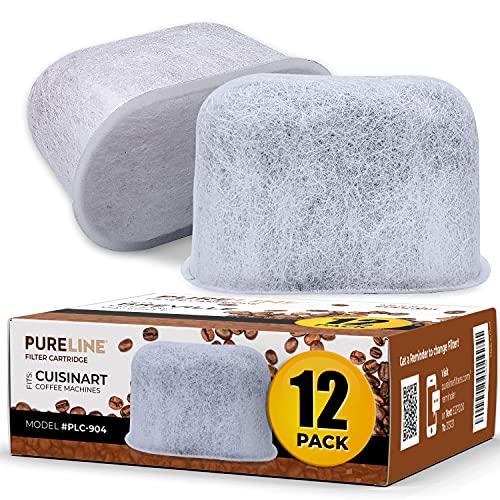
- New charcoal filter
- Water
- Bowl
- Dish soap
- Microfiber cloth
1. Remove the Water Filter
Remove the old water filter from your machine and throw it away. Vinegar may corrode the water filter, so it needs to be removed and thrown away before you clean your coffee maker.
2. Make the Cleaning Solution
Make a vinegar solution of ⅓ vinegar to ⅔ water and fill the carafe with this mixture. Pour it into the machine’s reservoir, and place the carafe onto the warming plate. Place a clean filter into the filter basket.
3. Start the Cleaning Cycle
Push the auto-clean button to start the cleaning process. The cleaning program will take 2-3 times longer than a brewing cycle.
4. Rinse Your Machine
When the coffee maker is done cleaning itself, let it cool and pour out the cleaning solution. Remove the charcoal water filter. Fill the reservoir with fresh filtered water and run another cleaning cycle to rinse your machine.
5. Soak and Insert the New Water Filter
Soak the new charcoal water filter in cool water for 15-20 minutes before placing it in your machine. Let it drip for a few minutes before you push it back into place.
6. Wash Carafe, Coffee Filter Basket, and Base
Wash the carafe and the coffee filter basket in soapy water, rinse, and leave on the counter to dry. Wipe down the base of your machine with a microfiber cloth and soapy water. Use a fresh microfiber cloth to remove the soapy residue.
When everything is dry, return the carafe and filter to your machine.
Cleaning a Cuisinart Grind and Brew Coffee Maker
Cleaning a Cuisinart Grind and Brew Coffee Maker is very similar to cleaning other types of Cuisinart Coffee Makers. You will first remove the removable parts of the machine to wash them in soapy water before you clean and descale your coffee maker.
What You’ll Need
- Soft microfiber cloths
- Dish soap
- White vinegar
- Filtered water
1. Clean the Grinder, Filter Baskets, and Water Tank
Ensure that the machine is turned off and remove the carafe, grinder, filter baskets, and water tank. Wash them in soapy water, rinse, and pat dry with a soft cloth. Wipe the outside and basket area with a damp cloth as well.
When you’re finished, place everything back in the machine.
2. Make a Vinegar Solution
Make a vinegar solution by using 1 part vinegar to 2 parts filtered water. You will need to fill the reservoir of your machine with this solution. Place your carafe on the hot plate.
3. Clean the Machine
Turn your coffee maker on and run a cleaning cycle. When it’s finished, turn off the machine, pour out the hot vinegar solution, and let the carafe cool.
4. Rinse the Machine
Rinse your coffee maker by adding fresh filtered water to the reservoir, putting the carafe onto the heating plate, and running another cleaning cycle. When it’s finished, pour out the water, and let your carafe cool.
Your machine is now clean.
How To Clean Coffee Maker Without Vinegar
Sometimes you may not want to clean your coffee maker with vinegar, for instance, the odor lingers throughout the house. Don’t worry, here’s how to use lemon juice or vodka to clean your coffee pot.
- Time: 1 hour
- Difficulty: Beginner
Materials
- Lemon juice or vodka
- Filtered water
- Dish soap
- Microfiber cloth
1. Remove Filter Basket
First, you will need to remove the filter basket from your machine.
2. Make the Cleaning Solution
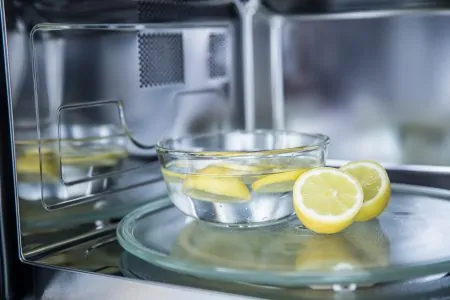
To use lemon juice instead of vinegar, make a solution that’s ⅓ part lemon juice to ⅔ part filtered water. For a 12 cup reservoir, this is 4 cups of lemon juice to 8 cups of water.
To use vodka, you will make a 1:3 vodka to water solution. If you have a 12 cup reservoir, then you will use 3 cups of vodka to 9 cups of water.
Pour the cleaning solution you have made into the reservoir of your coffee maker. Also, put the carafe onto the warming plate.
3. Start the Brewing Cycle
Click start to start the brewing cycle. Wait 5 minutes or so.
4. Stop the Cycle
Stop the brewing cycle halfway through the cycle. Allow everything to sit for 30 minutes to allow time for the cleaning solution to work.
5. Finish the Cycle
Restart your machine to finish the cycle.
6. Rinse Your Machine
Run fresh filtered water through your machine 3-4 times to rinse your machine.
7. Clean the Filter Basket, Carafe, and Base
Wash the filter basket and carafe in soapy water, rinse, and place on the counter to dry. Now Wipe down the outside of your machine with a damp microfiber cloth. When everything is dry, put it back together again.
Pro Tips for Maintaining Your Cuisinart Coffee Maker Clean
These tips will help you maintain your Cuisinart Coffee Maker so you can enjoy a great-tasting cup of coffee every morning.
Use Filtered Water
Use filtered water in your Cuisinart Coffee Maker for both cleaning and making coffee because it doesn’t have as many of the minerals that build up inside the reservoir.
Always Allow Carafe to Cool
The carafe is made of glass, so abrupt temperature changes may crack the carafe. Always allow it to cool before putting cool water in it so you can avoid abrupt temperature changes.
Clean Your Machine Frequently
Coffee makers tend to be moist and prime breeding areas for mold and bacteria, so clean your machine frequently to prevent mold and bacteria from growing in your machine.
Remove Coffee Grinds Immediately After Brewing
Remove coffee grinds immediately after brewing and clean the filter basket after each use. This will also keep mold and bacteria from growing in your machine.
Use Glass Cleaner or Vinegar to Clean Outside of the Machine
You can spray glass cleaner or vinegar onto a clean microfiber cloth to clean the outside of your machine.
FAQs About Cleaning A Cuisinart Coffee Maker

How Often Should I Clean My Cuisinart Coffee Maker?
A Cuisinart Coffee Maker should be cleaned every 3-6 months depending upon usage.

Why Do I Need To Use Vinegar?
Vinegar is an excellent descaler that also destroys mold and bacteria hiding in the machine. It’s also cheap and readily available.

Will This Work For Any Brand Of Electric Coffee Maker?
Yes, the instructions on how to clean a Cuisinart Coffee Maker are similar to the instructions to clean most brands of electric coffee makers.

How Do I Use The Clean Cycle On My Cuisinart Coffee Maker?
Use a solution of ⅓ vinegar and ⅔ water to clean your machine. Push the clean button on your Cuisinart Coffee Maker. When finished, rinse the machine by adding fresh water to the reservoir and pushing the clean button again.

How Do I Turn Off The Clean Light On My Cuisinart Coffee Maker?
If the clean light does not turn off after you have cleaned your machine, try cleaning it again. Sometimes you have a lot of mineral deposits that will need to be removed.
Another fix to try is to turn the machine on and off after cleaning. Do this by turning off the machine and unplugging it. It will give your coffee maker a chance to reset fully.
If you have the Cuisinart SS series, the machine may have become stuck during the clean cycle. To turn off the clean light, press the 8oz and the 6oz buttons at the same time. This will dispense the water and the light should go off.
If these solutions do not work, consult your coffee maker’s manual or contact Cuisinart support for help troubleshooting your machine.

How Do I Make My Cuisinart Coffee Maker Last Longer?
There are three simple way to make your Cuisinart coffee maker last longer: clean it regularly, use it frequently, and always use clean filters.

How Much Vinegar Do You Use to Clean a Cuisinart Coffee Maker?
Knowing how much vinegar to use when cleaning a Cuisinart coffee maker is crucial for longevity. You should use one or two tablespoons of vinegar in the reservoir before boiling the water.