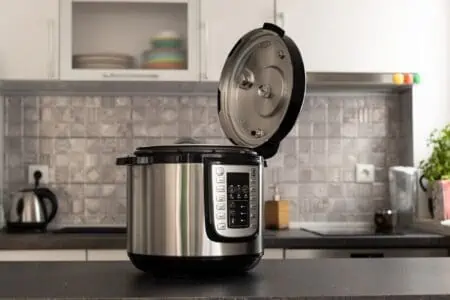
Everything about using an instant pot is pretty easy. Cooking food is no longer a time-consuming task, and cleaning it is straightforward, too. But how do you clean an instant pot?
We’ll walk you through the best way to clean an instant pot, as advised by the brand itself. If you have a different brand, these instructions also apply. But be sure to check your user manual first.
Are you ready to learn how to clean an instant pot after each use, as well as how to deep clean it? Keep reading for everything you need to know.
Key Takeaways
- Clean Instant Pot after each use by washing inner pot, steam rack, lid, and rubber seal in hot soapy water, then air dry.
- Deep clean Instant Pot monthly by cleaning base, lid components, and smaller parts, using distilled white vinegar for stains.
- To clean a burnt Instant Pot, mix baking soda, water, and mild dish soap, pressure cook for 2-5 minutes, then scrape off residue and wash as usual.
- Remove odors from Instant Pot by cleaning silicone seal, filling inner pot with water, vinegar, and lemon peel, and steaming for 3 minutes.
How Often to Clean an Instant Pot
Like any dish, you should clean your Instant Pot after each use. This removes food residue and prevents rot and bacteria. If you use it regularly, a monthly deep clean will remove stains and stubborn residue, and disinfect it.
What Parts of the Instant Pot Can Go In the Dishwasher?
One of the big reasons an Instant Pot is so easy to clean is because many of the parts are dishwasher-safe. This includes the following:
- Steam rack.
- Condensation collector.
- Anti-block shield.
- Sealing rings.
- Steam release valve.
- Float valve.
- Float valve silicone cap.
- Inner pot.
The detachable power cord and cooker base are not dishwasher safe.
How to Clean an Instant Pot After Use
Once you’ve removed your food from the Instant Pot, you need to clean it. While you can pop the inner pot (sometimes referred to as the liner) in the dishwasher, this method will be for hand-washing.
- Time: 15 minutes.
- Difficulty: Easy.
What You’ll Need
- Sink.
- Hot water.
- Mild dish soap.
- Cloth, sponge, or scrubbing brush.
- Drying rack (optional).
- Dish towel.
1. Let It Cool
Before you start cleaning, turn off the Instant Pot and unplug it. Let it cool, so you don’t burn yourself during the cleaning process.
2. Fill a Sink
Fill a sink with hot water and add a few drops of mild dish soap. Dawn dish soap is fine as long as it doesn’t have added antibacterial properties or harsh cleaners. If you want something more natural, we recommend Puracy Natural Dish Soap.
3. Clean the Inner Pot
Place the inner pot and steam rack (if you used it) into the hot soapy water. Let it soak for a couple of minutes before scrubbing clean with a cloth, sponge, or scrubbing brush.
Rinse well, then place it on a drying rack or a dish towel to air dry.
4. Clean the Lid and Seal
Remove the rubber seal from the lid. Place the seal and the lid in the hot soapy water and let them soak for a couple of minutes before scrubbing clean. A cloth is easiest for the seal, but you can use a sponge or scrubbing brush if you’d prefer.
Rinse well before air drying on a drying rack or dish towel.
5. Wipe the Base
Dampen a cloth or sponge in plain water and wring it out well. Gently wipe down the outside of the Instant Pot to remove any food drips or residue. Let it air dry.
How to Deep Clean an Instant Pot
Once a month (for frequent users), it’s important to deep clean the instant pot. You can use this as an opportunity to sanitize the device, and remove hard water stains and stubborn residue. This is also a great time to clean the smaller components, such as the anti-block shield, steam release valve, and float valve.
- Time: 40 minutes.
- Difficulty: Easy.
What You’ll Need
- Sink.
- Hot water.
- Mild dish soap.
- Cloth, sponge, or scrubbing brush.
- Drying rack (optional).
- Dish towel.
- Unused toothbrush.
- Distilled white vinegar.
- Baking soda (optional).
- Bowl.
- Spoon.
- Microfiber cloths.
1. Let It Cool
Turn off the Instant Pot and unplug it. Let it cool down before getting started.
2. Clean the Interior and Exterior of the Base
Although food doesn’t go directly into the base, it can still get dirty from drips and spills. Dampen a microfiber cloth with plain water and wring it out well.
Start by wiping down the exterior of the unit to remove stains. Then wipe the interior well, scrubbing a little harder where necessary. Doing so can help protect your heating element so it lasts longer.
If you have tougher stains, make a paste of one tablespoon of baking soda and a few drops of water. Mix it well in a bowl before dipping a cloth or unused toothbrush into the paste. Apply it to the stains and scrub well.
Once the stains have lifted, wipe the baking soda away with a damp cloth.
To finish off, dampen the unused toothbrush in water and scrub around the lip of the base to remove hidden food residue.
Extra Tip
While at it, dampen a cloth with warm water and wring it out well. Wipe down the power cord to remove greasy residue and dust.
3. Deep Clean the Inner Pot
The inner pot is made of stainless steel, so it’s natural to discolor a little. But if you notice food and hard water stains, this method can help.
Pour one cup of distilled white vinegar into the pot and use a cloth or sponge to dampen the inner sides of the pot, too. Let it sit for 10 minutes. Rinse the pot with fresh water, then buff it with a dry cloth.
This method works for the steaming rack, too. Simply soak it in a sink with vinegar before rinsing and drying.
4. Clean the Lid and Seal
To deep clean the lid itself, you can simply wash it in hot soapy water and scrub well. Don’t forget to remove the silicone seal and inspect it for cracks. If it’s broken, it’s necessary to order a new one.
Once you’ve cleaned the lid, you need to clean the lid components. To clean the anti-block shield, push one side towards the outer edge of the lid, and it should pop out. Wash this element with hot soapy water before rinsing and towel-drying.
Then remove the steam release valve. Check for any food particles within the vents and within the float valve. Wash the valves with hot soapy water, scrubbing well with the toothbrush.
Rinse and towel-dry the valves.
If your Instant Pot has a condensation collector, remove it and wash it with hot, soapy water before rinsing and drying.
Reassemble the lid.
5. Dry
Dry all the parts with a dish towel and reassemble the instant pot.
How to Clean a Burnt Instant Pot
If your inner pot is burnt and blackened, we have an excellent and easy hack to remove that residue. If you love cleaning with baking soda, you will enjoy this method.
- Time: 15 minutes.
- Difficulty: Easy.
What You’ll Need
- One tablespoon of mild dish soap.
- Plastic spatula.
- Two tablespoons of baking soda.
- Two cups of water.
1. Fill the Instant Pot
Sprinkle the baking soda onto the bottom of the inner pot. Add two cups of water and dish soap.
2. Turn the Pot On
Turn the Instant Pot on to high and pressure cook for two to five minutes, releasing the steam manually to ensure it doesn’t overheat. Keep an eye on it to ensure the dish soap doesn’t bubble over. If it does, turn the Instant Pot off and move on to the next step.
3. Scrape Off Residue
Turn the Instant Pot off and unplug it. Remove the lid and let the steam settle for a couple of minutes. Use a plastic spatula to scrape off food residue that has become loose.
4. Clean the Instant Pot
Discard food residue, then wash the inner pot as usual. Repeat the above steps if necessary. You may need to do this several times to remove all burnt residue.
Why Does My Instant Pot Smell?
Not cleaning your pressure cooker well or frequently can lead to odors. Food particles getting stuck in the seal can also cause bad smells.
Knowing how to wash an instant pot from odors is handy! Follow this method:
- Clean silicone: Remove the silicone seal and place it in the sink with a 1:1 ratio of warm water and distilled white vinegar. Let it soak for 10 minutes before rinsing and drying. Put the seal back on the lid before the next steps.
- Fill inner pot: Fill the inner pot with one cup of water, one cup of distilled white vinegar, and the peel from one lemon.
- Turn the Instant Pot on: Put the lid on the pot and turn the steam release valve to the sealed position. Turn the Instant Pot on steam for three minutes.
- Release steam: After three minutes, open the steam release valve.
- Disassemble: Take the lid off and remove the seal so it can air dry thoroughly. This can prevent further odors from harboring.
- Clean inner pot: Empty the contents of the inner pot and wash as usual. Dry with a dish towel.
Alternative Method
You can also set the Instant Pot to Pressure Cook for five to 10 minutes instead of a steam clean. It’s down to personal preference and what seems to work best for you.
FAQs

Can You Submerge an Instant Pot In Water?
You can submerge the inner pot and lid in water, but you can not submerge the base in water. It is electric so water will damage it.
If your Instant Pot does get wet, leave it upside down for a few days to air out. Then contact the manufacturer for further advice.

Do I Have to Clean the Instant Pot Lid Every Time?
Yes — food particles and residue will get onto the lid, so it’s essential to clean it. It only takes a couple of minutes to hand-wash the lid. But if you have a dishwasher, you can simply pop it on the top rack.
Dishwasher Advice
Instant Pot recommends removing the anti-block shield and sealing ring from the lid before putting it in the dishwasher. This allows it to get a deeper clean.
Instantly Clean
Kitchen gadgets — such as pressure cookers, air fryers, and slow cookers — can make your life easier. But they aren’t yet self-cleaning, so we still need to learn how to wash them.
Now that you know the ins and outs of cleaning an Instant Pot, it can become an easy habit in the kitchen. Don’t forget to clean the liner and the lid after each use. Deep clean the whole unit once a month if you use it frequently.
Prioritizing the maintenance of your Instant Pot will ensure it lasts for years to come.