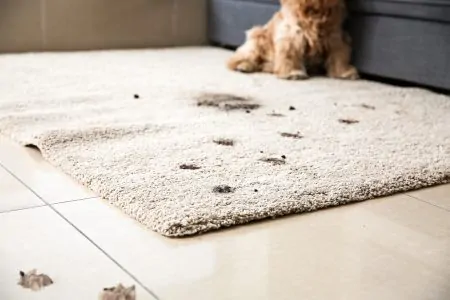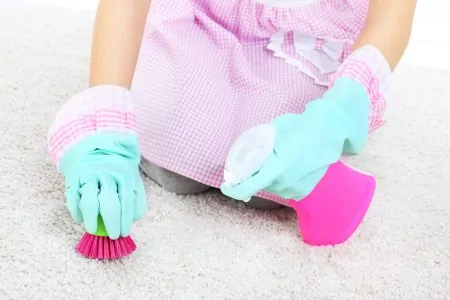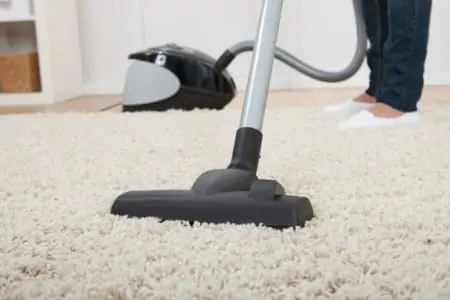
Is your expensive wool rug looking dingy and like it needs to be cleaned? Wool rugs are wonderful natural fiber rugs to have in the house. They are warm in the winter and cool in the summer.
Wool carpets also improve with age! However, it can be challenging to clean a wool rug. You need to use the right products on it so you don’t damage the lanolin or cause the colors to bleed. Let’s explore how to clean a wool rug so you can keep your rug looking beautiful for years.
Key Takeaways
- Vacuum wool rugs regularly and perform spot cleaning as needed, with a deep clean once a year.
- Use wool-safe stain removers like Woolite or dish soap and water for cleaning, avoiding bleach and ammonia.
- To clean a heavily soiled rug, use a gentle detergent solution, lightly scrub, rinse, and blot dry.
- For spills, act quickly and use appropriate DIY solutions like vinegar or baking soda, avoiding rubbing the stain.
How Often to Clean a Wool Rug
The first few months after you get your wool rug, you’ll want to vacuum it twice a week. New carpets shed wool. After the first few months, you can vacuum weekly or every other week depending on how much traffic the rug receives.
You can do light spot cleaning as needed, and only do a deep clean once a year.
Dos and Don’ts
Do’s of Cleaning Wool
- Immediately scoop up solids and blot liquid carefully with a tissue or clean cloth.
- Let any mud on your rug dry before cleaning it. Then you can scrape the dry dirt off with the dull edge of a spoon.
- Use a stain remover recommended for wool such as Woolite or use dish soap and water.
- Dab stain remover on the rug using a clean cloth. Never pour the stain remover directly on the rug.
Don’ts of Cleaning Wool
- Try to rub a stain. This will push the stain into the rug causing fibers to fuzz or matt together.
- Use Alkaline detergents like laundry soap on your rug. They include buffers to keep the PH stable. These buffers may lead to bleeding of colors.
- Avoid using products such as bleach, oxygen-bleach, and ammonia. They may damage your wool rug by causing the colors to bleed and fade away.
Steps to Clean a Wool Rug
- Time: 2 or 3 hours
- Difficulty: Intermediate
Prepare the Materials and Tools
- Vacuum
- Broom
- 2 Buckets
- Sponge
- Old towels
- Cool water
- Gentle wool wash detergent
1. Shake Out the Dirt
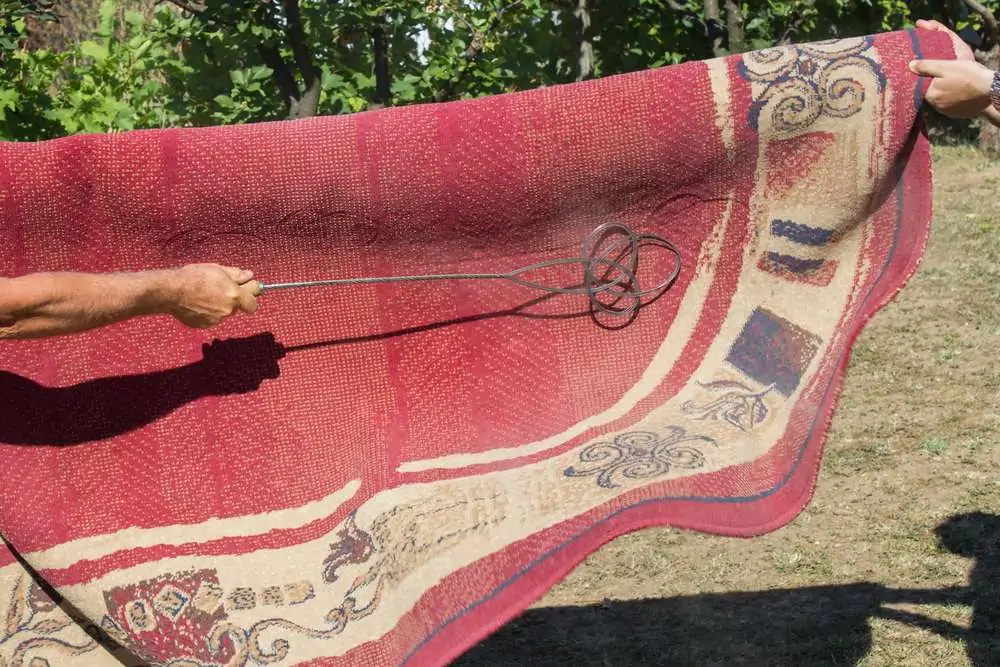
It is best to clean your rug on a sunny or moderate day. The first step is to take your rug outside to shake as much loose dirt out as possible.
Hang your rug on a clothesline, porch railing, or even on a couple of solid chairs. Use a broom to beat the rug. You can also use a tennis racket or a rug beater instead of a broom. Hit the rug repeatedly all over so you can remove the embedded dirt.
Afterward, take the rug pad outside to shake it. Clean the floor underneath the rug as well. Once the floor is dry, return the rug pad to its spot.
2. Vacuum the Rug
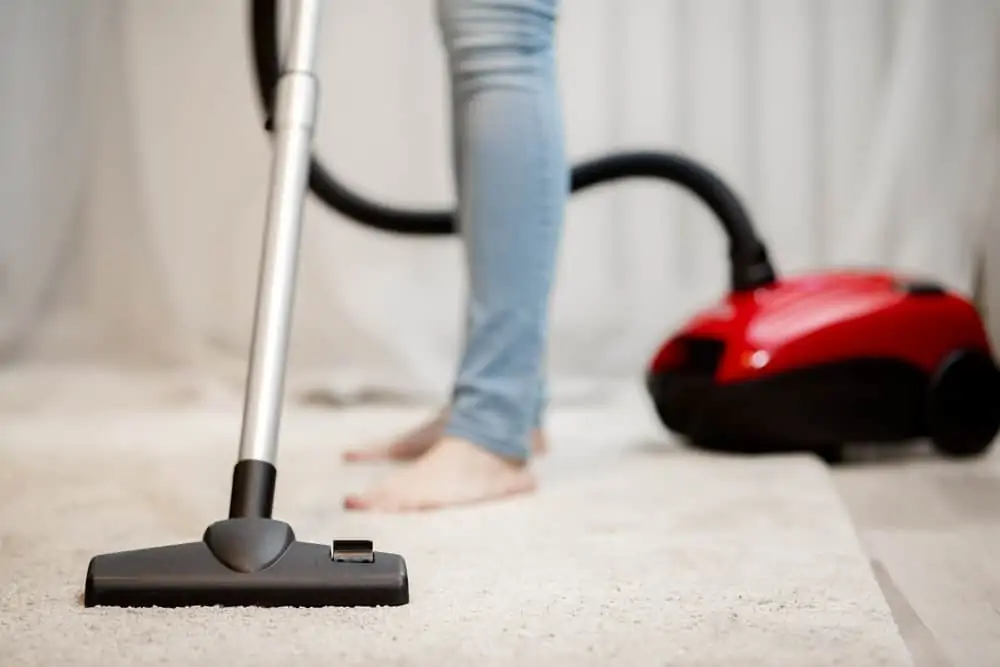
When you are finished shaking out the dirt, you will need to vacuum the rug to remove any dirt remaining in the rug.
To do this, take your rug to an area where you can lay it flat outside such as the deck or a patio. If needed, you can lay down a clean tarp underneath your rug. If you can’t lay the rug flat outside, try using your kitchen or garage. You will need a dry area to work.
Spread the wool rug upside down with the wrong side up. Now vacuum the wrong side of the rug thoroughly.
Turn the rug over so you can now vacuum the other side thoroughly as well.
3. Clean The Rug
Now look at your rug and see how soiled it is. If your rug is only lightly soiled, you can give it a dry bath. If your rug is heavily soiled you will need to move on to step 4 and clean your rug with a gentle detergent solution.
Dry Bath
If your rug is only lightly soiled, you can give it a dry bath. If your rug is
This is the best way to clean a lightly soiled rug that’s not too dingy. For this method, you will need dry shampoo.
Simply sprinkle the dry shampoo all over the wool rug. Let it sit for the recommended time. Now vacuum the shampoo off the rug.
Your rug is now clean.
4. Mix a Gentle Detergent Solution
If your rug is heavily soiled, you will need to use a gentle detergent solution to clean the rug. To mix the detergent solution, fill a large bucket with water. Add one to two tablespoons of your gentle wool-safe detergent such as Woolite.
Do not use a regular laundry detergent or bleach. The colors of your rug may bleed.
Fill the second bucket with clean, cool water.
5. Lightly Scrub
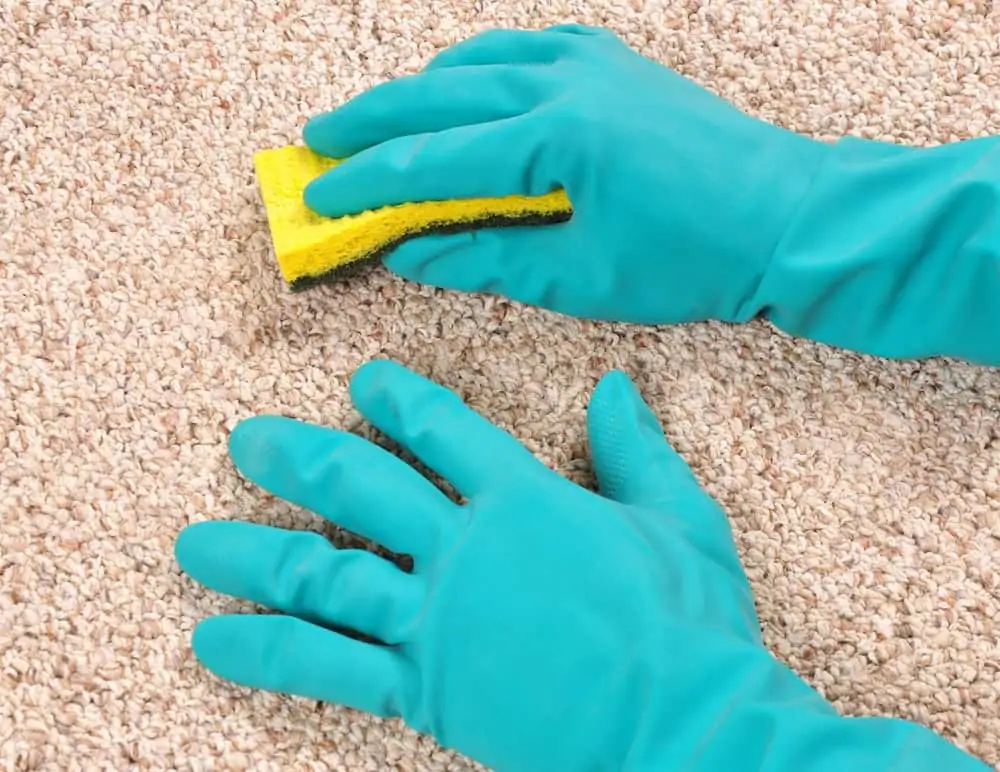
Now you will lightly scrub your rug. Start at one end and work in small square grids that are approximately 3 feet wide so you don’t accidentally miss an area.
First, dip the sponge in the detergent solution. Now use gentle pressure to sponge on the detergent. Lightly scrub any heavily soiled areas.
As you’re washing the rug, be sure to dip the sponge frequently in the detergent solution to rinse away the dirt that’s being removed. Also, don’t soak your rug or get it too wet. Wool takes a long time to dry and may develop mold or mildew if it can’t dry quickly enough.
6. Rinse Away Suds
Once the soil is removed from the area you’re working with, rinse away the suds by dipping a clean sponge in your clean rinse water bucket.
Do not skip this step. Detergents attract dirt. If you leave detergents on your rug, it will quickly become dirty again and need to be cleaned again.
7. Blot the Moisture
Blot away the moisture using clean old towels. Your goal is to remove as much excess moisture as you can so the rug will dry faster.
Now you will move to a new area of your rug to clean. Repeat steps 5-7 until you have cleaned your entire rug.
8. Allow to Dry
Your rug will now need to dry before you return it to its original spot. If you can, hang your rug out to improve air circulation and drying speed.

9. Optional: Steam Clean
You can give your carpet a light steam clean at this point. It will not only ensure your rug is clean but eliminate odors as well.
To lightly steam clean your rug you will need to hold the steam cleaner about 6 inches above the rug. Use full motions to cover the entire rug ensuring that you don’t stop over an area for more than 5 seconds.
Be vigilant when steam cleaning as too much steam may unravel the fibers and damage the lanolin. It also may make the rug too wet making it hard to dry. A wet rug takes a long time to dry and may develop mold.

Steps to Remove Stains from a Wool Rug
- Time: 20 minutes
- Difficulty: Beginner
Nothing is worse than spilling something onto your expensive wool rug. If this happens to your rug at home, just follow these steps to remove the stain.
1. Prepare the Materials/tools
- Spoon or spatula
- Paper towels
- 2 Sponges
- Wool-safe stain remover
2. Do Not Rub
You will want to treat most stains immediately with the exception of mud.
First, do not rub a stain into your wool rug. It pushes the stain deeper into the fibers which may cause the fibers to fuzz or matt together.
3. Scrape the Solid
Use a spoon or spatula to scrape the solids off of the rug using the dull edge. The solids can go straight into the trash can or onto a paper towel.
4. Blot the Liquid
Now, use paper towels to gently blot the liquid. Blot up as much of the liquid as you can, but again be careful not to push the stain deeper into the rug.
5. Let the Mud Dry
If someone tracked mud onto your wool rug, first let the mud dry so you don’t push the mud deeper into the rug. It’s much easier to remove dry dirt from the surface.
Use a dull tool such as a spatula to loosen the mud after it’s dried. Then vacuum up the loosened dirt.
6. Dab Wool-safe Stain Remover
Moisten your sponge or clean cloth with your wool-safe stain remover. Gently dab the stain remover onto the outside of the stain using your sponge and work towards the center. The stain should transfer onto the sponge. As it does so, move to a clean area of the sponge and keep working until the stain is gone. Finish by wiping the area with a clean, damp sponge to remove the soapy residue.
7. Do Not Bleach
Do not use any bleaches or ammonia on your wool rug. These chemicals may cause the colors to bleed or disappear. They may also damage your wool rug.
How to Remove Spills from a Wool Rug
Nothing is worse than spilling something onto your expensive wool rug. Thankfully there are a few DIY solutions that you can use to clean the spill. Just follow the instructions below to remove the stain and restore your carpet.
Food, Cosmetic Powders, Modelling Clay, Potting Soil, and Skin Ointments
If you discover that you’ve accidentally spilled one of these substances on your wool rug, you can use a vinegar solution to remove the stain.
First, remove all the solids using the flat edge or a spoon or spatula. Next, mix ¼ cup of vinegar in 2 cups of water and add a small squirt of dish soap.
Use a clean sponge or towel to dab the solution onto the stain. Finally, use a second clean towel to rub at the stain until the area is dry.
Red Wine or Dark Fruit & Vegetable Juices
If you’ve spilled red wine or dark fruit and vegetable juices onto your rug, immediately sprinkle the stain with salt. The salt will absorb the liquid. Once the liquid has been absorbed, use a spoon to remove the salty residue that’s left.
Use a second spoon or a syringe to sprinkle water over the stain before you blot the area dry with a clean white cloth.

Pet Messes, Perfume & Alkaline Spills
Use the vinegar solution above and dab it onto the stain with a clean towel. Then use a spoon or syringe to rinse the area with cold water. Finally, blot the area dry with another clean towel.
Paint, Oil & Grease
Use nail polish remover to remove paint, oil, and grease from your wool rug. When the stain is removed, rinse the area using a spoon or syringe filled with cold water. Be sure to blot the area dry.
Peroxide Bleach & Other Harsh Chemical Spills
If you accidentally spill peroxide bleach or another harsh chemical onto the rug, put cold water on the spill. You will need to call a professional rug cleaner as quickly as possible as well.
Tips to Keep Your Wool Rug Clean
You can help to keep your wool rug clean by asking friends and family to remove their shoes when they enter your house. This will greatly reduce the amount of dirt and mud that is tracked onto your carpet.
Rotate your rug every six months. This will allow your rug to wear evenly.
Wool Rug FAQs

How Do You Make a Wool Rug Look New?
To make your wool rug look new, vacuum it often. This will remove any dirt or debris trapped in the rug fibers.
Also, follow a regular cleaning schedule. This will keep the rug from looking dingy and keep it looking new for much longer.
What Can You Use to Clean a Wool Rug?
You can use a vinegar solution to clean a wool rug. The ratio is ¼ cup of vinegar to 2 cups of water with a splash of dish soap.
Baking soda is another option for cleaning wool rugs. Lightly sprinkle baking soda over your rug. Wait one hour before vacuuming it up. It will also help any odors your wool rug may have.
Another option is to make a solution of soapy water using dish soap to spot clean your wool rug.
Never use bleach or ammonia to clean a wool rug. The chemicals may damage the lanolin. It may also cause the colors to bleed or fade.

Does Wool Shrink When Washed?
No, your wool rug will not shrink when washed with cool water. However hot water may cause the fibers to shrink.

How Long Does it Take For Wool Carpets to Dry?
The amount of time it takes for a wool carpet to dry is 24 to 48 hours, depending on the pile. Natural materials take longer to dry than synthetic fibers like nylon.

How Do Professionals Clean Wool Carpets?
There are many techniques that professionals use to clean wool carpets but the easiest is to vacuum first, then use a carpet steamer to penetrate deep into the fibers, and then leave it to dry. Use a fan or open windows and doors to speed up the drying process.

How Do You Get Dog Urine Out of a Wool Rug?
The best way to get dog urine out of a wool rug is to deal with the mess straight away. Spray a solution of water and vinegar and blot the stain with a cloth. Don’t scrub, or you risk embedding the urine deeper into the woolen fibers.
Cleaning Wool Rugs Doesn’t Need to Be Difficult
When you’re cleaning wool rugs, you’ll want to make sure you vacuum your rug every week or two and spot clean it as necessary. Ensure that you use the right solution for the spill. Once a year, you can follow our instructions on how to deep clean your rug and your rug will stay beautiful for years.