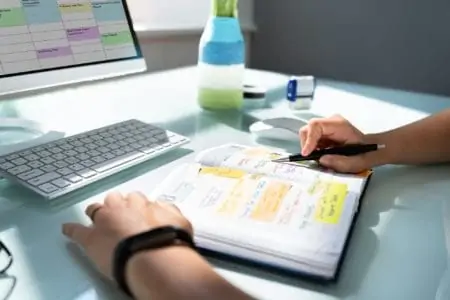
Are you losing track of due dates, holidays, and appointments? It can be very frustrating to always be sprinting and trying to catch up. The trick is to be more organized.
Thankfully, being organized requires a few simple skills and habits that you can learn. So, here are a few simple tips and tricks that you can implement to exchange your disorganized life for new organized habits.
Key Takeaways
- Focus on important tasks, avoid multitasking, and declutter your workspace to improve organization at work.
- Plan meals ahead, establish a routine, and use the one-in, one-out method to prevent clutter at home.
- Designate a spot for keys and phone, create a launchpad, and regularly declutter your purse or wallet to save time.
- Use a course schedule, create a study routine, and keep a planner to stay organized at school.
How To Be More Organized At Work
One area that you can start working on is to be more organized at work. Being more organized will help you keep up with work assignments so that you don’t always feel like you’re sprinting to catch up. Instead, you’ll be able to work on, or even ahead of schedule and enjoy some well-deserved breaks by being organized.
Focus On What’s Important
The first step to being more organized is to focus on what’s important. Often people get sidetracked by tasks that are urgent, but not truly important in the long run.
There’s a difference between the urgency of updating your favorite game and the importance of setting long-term goals for your work career.
Expert Tip: Try to spend most of your time working on things that are truly important. Also, avoid urgent but unimportant tasks as they are time-wasters.
Stop Multitasking
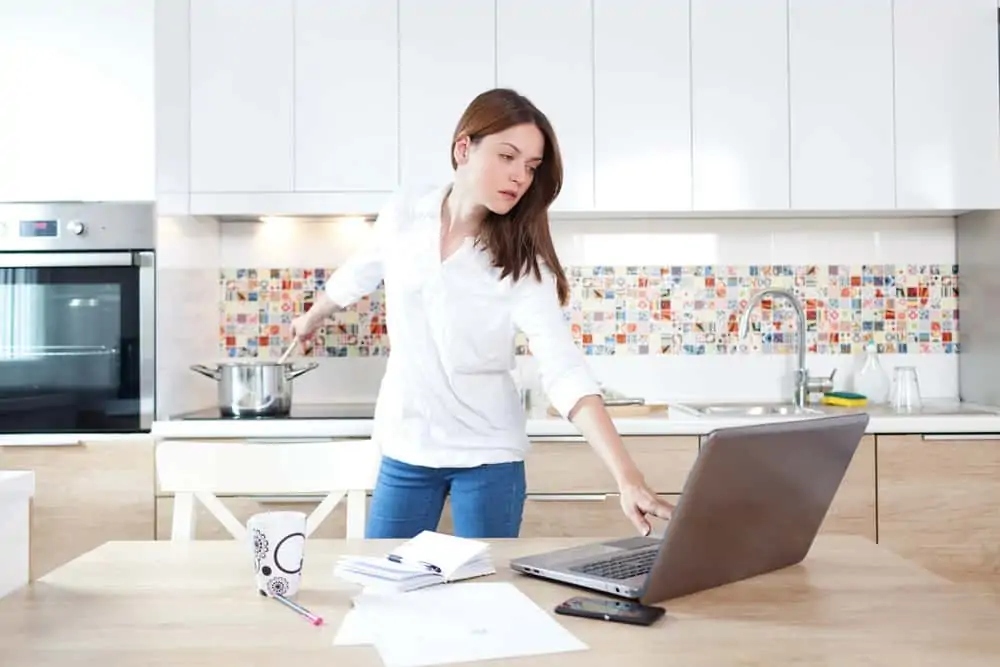
One of the biggest time wasters is the attempt to multitask. Multitasking is where you’re working on two projects at the same time. This divides your attention and slows work down. It also affects the quality of work that you’re able to do.
The solution is to focus on one item at a time.
Expert Tip: Turn off your notifications on your computer. You don’t need to be distracted by incoming email or push notifications from your favorite websites when you’re working.
Declutter Your Workspace
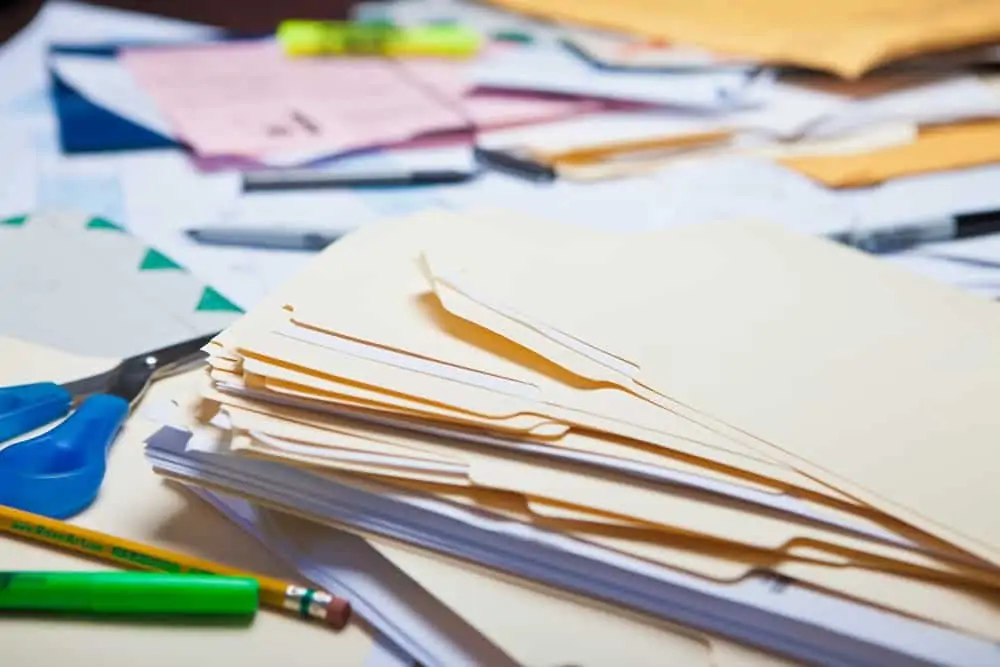
Workspaces tend to collect clutter. This includes receipts as well as notes about thoughts, meetings, and other odds and ends. Once a week, go through and declutter your workspace.
Remove anything that won’t help you stay focused and keep your work done. This doesn’t mean you need to remove all personal items, but do make an effort to create a workspace that will help you to work efficiently.
Expert Tip: If you have a note or receipt that you think you may need to reference later, think about snapping a photo of it on your phone. You can create a folder to keep these photos to reference later.
Organize Your Workspace
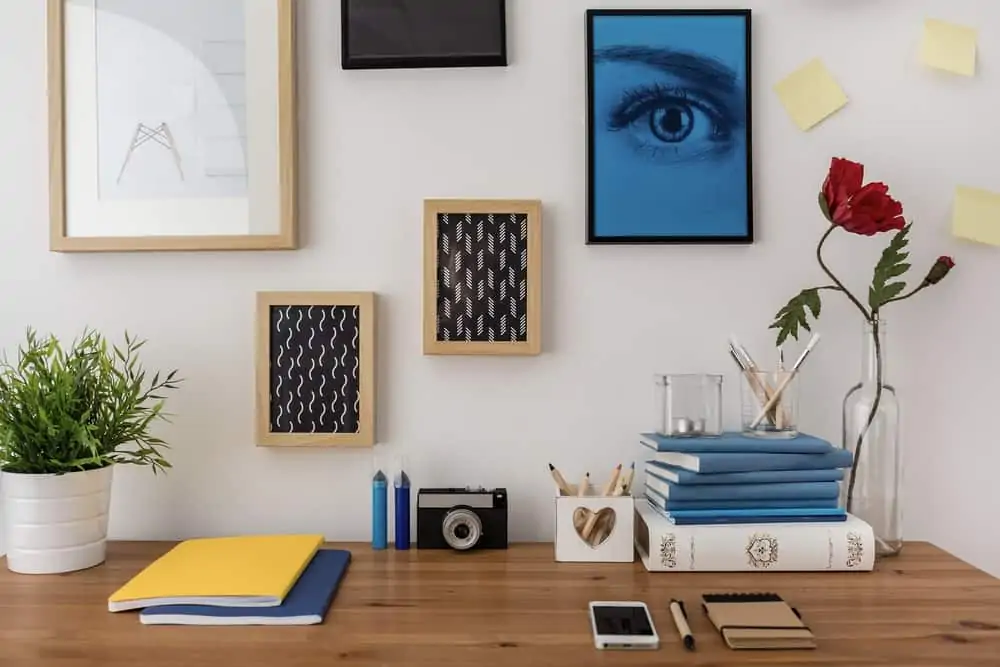
Once you’ve decluttered your workspace, you’ll need to organize it. Have a spot for incoming papers, papers that need to be filed, and other items you need.
The secret to an organized workspace is to have a place for everything. This is because anything that doesn’t have a place will be scattered around and will add clutter to your area.
Expert Tip: Ensure that any items you use daily are close at hand, within 360 degrees of where you’re sitting. This way you can easily access the items without needing to move.
Organize Your Email
Along with your workspace, you’ll need to organize your email. This means you’ll need to stop using your email as a to-do list and reminder system. When the inbox becomes too large, people lose emails and miss important notifications.
Instead, set a goal to keep your inbox empty so you can catch each email as it comes in.
Expert Tip: Set a goal to handle every email once. Make a note on your to-do list, add an appointment to your calendar, and then file it in your folders or delete the email.
Create a Work Calendar
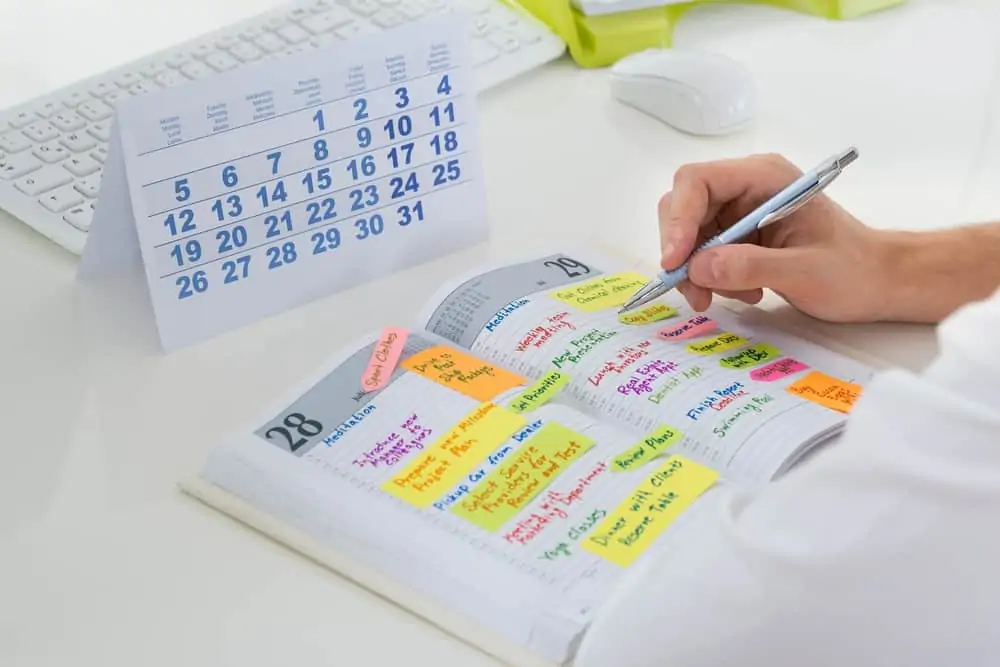
A work calendar is a vital tool to be used when you want to be more organized at work. It will help you keep track of when everything is due, when you have meetings, and what’s expected from you each week. Also, take time each week to review what’s due that week.
Expert Tip: Take five minutes at the end of the day to look at what you need to do the next day. You can also create your plan at the beginning of the day if that works better for you.
Use the Pomodoro Method
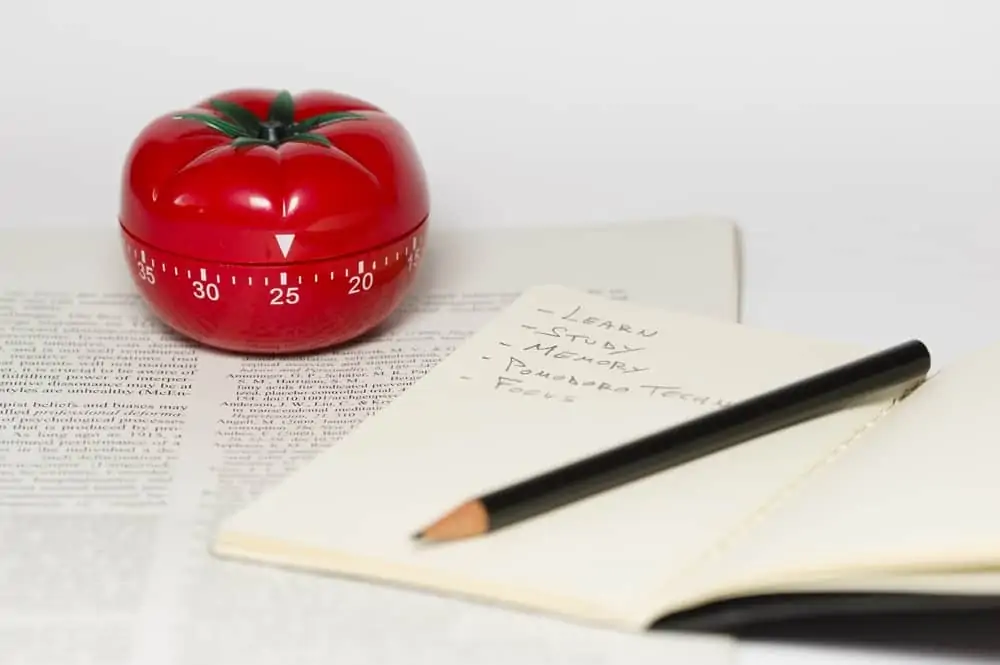
Use the Pomodoro Method for scheduling breaks. The secret is to work for 25 minutes and then take a 5-minute break. You alternate work periods and breaks for two hours before taking a longer break.
This will help to keep you focused during your work periods.
Expert Tip: Add a Pomodoro Timer to your computer. It will help you stay focused and know when to take your breaks.
Break Large Projects Down
Large projects are intimidating and hard to get started. It’s much easier to deal with a large project one small piece at a time. So when you’re given a large project, break it down into smaller chunks and deal with those pieces individually.
Expert Tip: Schedule the times and order that you’ll work on the smaller chunks in your planner. This will help finish your project on time without feeling overwhelmed.
Use Checklists
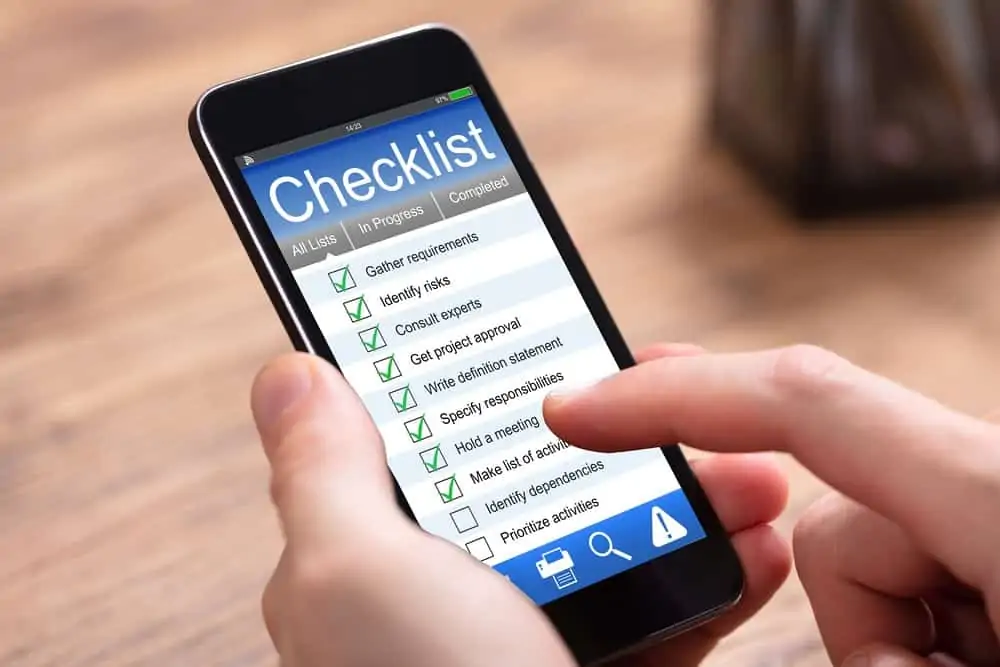
Checklists are your friends. They give you a list of everything that needs to be done, all in one space. The trick is to consistently write down things to do everyday. Then check things off as you get them done.
Expert Tip: Also write down your errands on your checklist and take a look as you plan your day. You’ll be able to run your errands in the most logical pattern rather than dashing around town for several hours.
Establish a Routine
Routines help you to be organized since there are many things you need to do on a daily basis. So, create a routine not only for your day but also for how you want your week to run. You may find it useful to designate one day for any and all meetings if possible.
This way you can focus on other projects the rest of the week.
Expert Tip: Come into work an hour early. The office is usually empty which will give you time to focus on important projects before the day begins.
How To Be More Organized At Home
Being organized isn’t just about getting more work done at your job. It’s also about being more efficient at home so you can have time to relax and enjoy being around the people you love.
Plan Your Meals Ahead Of Time
Are you spending a lot of time running by the store and making last-minute decisions about what to eat for dinner? Then consider planning your meals ahead of time. You’ll be able to make a list of everything you need to purchase for the week and make one trip to the store instead of five.
Expert Tip: Use a meal planning service to truly simplify your life. You’ll receive a meal plan and shopping list so you don’t need to spend any time creating a meal plan for your family.
Designate Top 3 Tasks
Each day sit down with your to-do list and figure out what are the three most important tasks you should complete. These may be running by the store, signing a field trip form, or purchasing plane tickets for your vacation. These tasks will help you stay on top of your home responsibilities.
Expert Tip: You can sit down to figure out the top 3 tasks for the next day at the end of the day or use a few minutes in the morning.
Clean One Room a Day
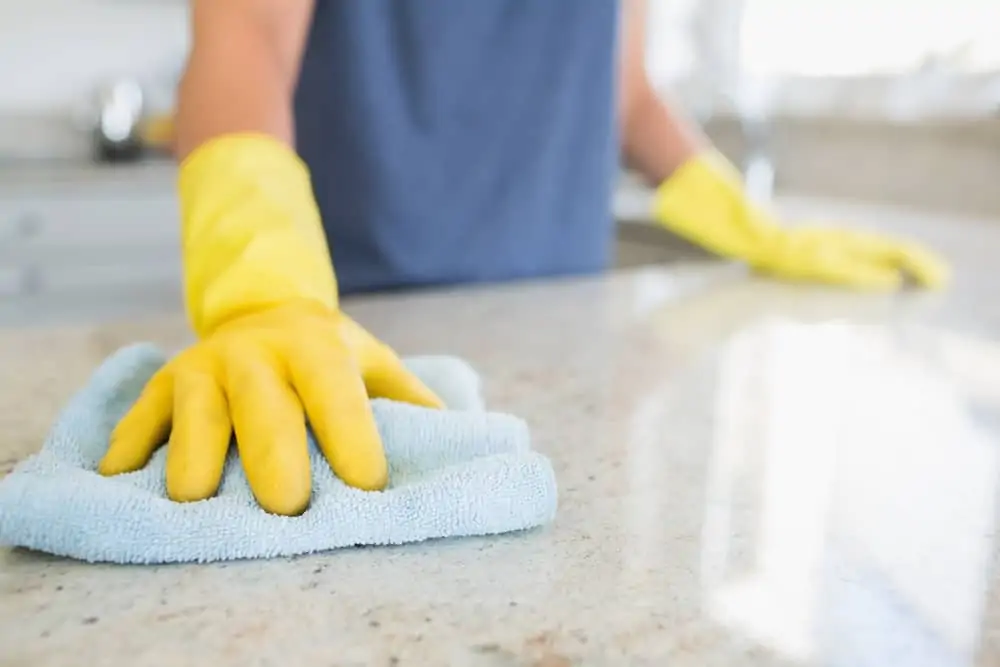
Instead of attempting to clean your entire house in a day, clean one room instead. This will give you time to focus on the bedrooms, bathrooms, or kitchen one at a time,instead of spending an entire day cleaning everything at once. You’ll also be able to enjoy your weekend without worrying about cleaning the house.
Expert Tip: Instead of cleaning one room a day, another option is to focus on one type of task each day. For instance one day will be for dusting and another for sweeping and washing floors.
One In & One Out
One easy way to prevent clutter from taking over your house is to use the one-in and one-out method. This means that if you purchase a new pair of shoes, you need to remove one pair of shoes from your house. You’ll always be bringing in one item and removing one item.
Expert Tip: Designate a bag for donations. When it’s full, you can make a quick trip to the local donation center to give it away.
Designated Spot for Keys and Phone
How much time have you spent looking for your keys or your phone? I’m guessing, like most of us, too much. The secret to solving this problem is to create a designated spot for your keys and phone.
Then you’ll always know where they are and won’t need to spend your precious time searching for them.
Expert Tip: Put a small, pretty tray near the entrance to your house. You can drop your phone and keys there as you enter the house and pick them up as you leave.
Carry a Small Notebook

Keep a small notebook on you at all times. The notebook will be a quick place to jot phone numbers, doctor’s appointments, and tasks as they come up throughout the day. This way you’ll never end up searching your purse for that appointment card since you’ll have it written down in your notebook.
Expert Tip: At the end of the day, go through your notebook and empty it. Write appointments on your calendar, tasks on your to-do list, and add phone numbers to your contact list.
Lay Out Clothing for Tomorrow
Streamline your morning by laying out your clothing for the next day. This will keep your mornings calm since you won’t be running around looking for shirts, shoes, or socks. You’ll also be able to do any ironing that needs to be done the night before instead of scrambling to do it first thing in the morning.
Expert Tip: If you have children, teach them to also lay out their clothing for the next day. It will make your mornings much calmer if no one is searching for a clean pair of socks just before school.
Declutter Purse and Wallet
Purses and wallets pick up quite a bit of clutter as you go about your day. Receipts, doctor’s appointment cards, and toys are added. The secret is to declutter your purse and wallet on a regular basis.
This way you won’t be carrying around extra weight. Nor will you need to search through a pile of old receipts to find a small notebook.
Expert Tip: Set up a tray near the entrance of your house. You can toss everything in your purse into the tray and keep your purse streamlined.
Create a Launchpad
Create a launch pad at the entrance of your home. This will give you a place to set up backpacks, purses, briefcases, and other items that you’ll need as you leave the house. Ensure that you also have a spot in the launchpad for mail and school notes as well.
Expert Tip: Each evening ensure that everything is ready for the morning. This will allow your family to enjoy a calm start to each day.
Do the Dishes
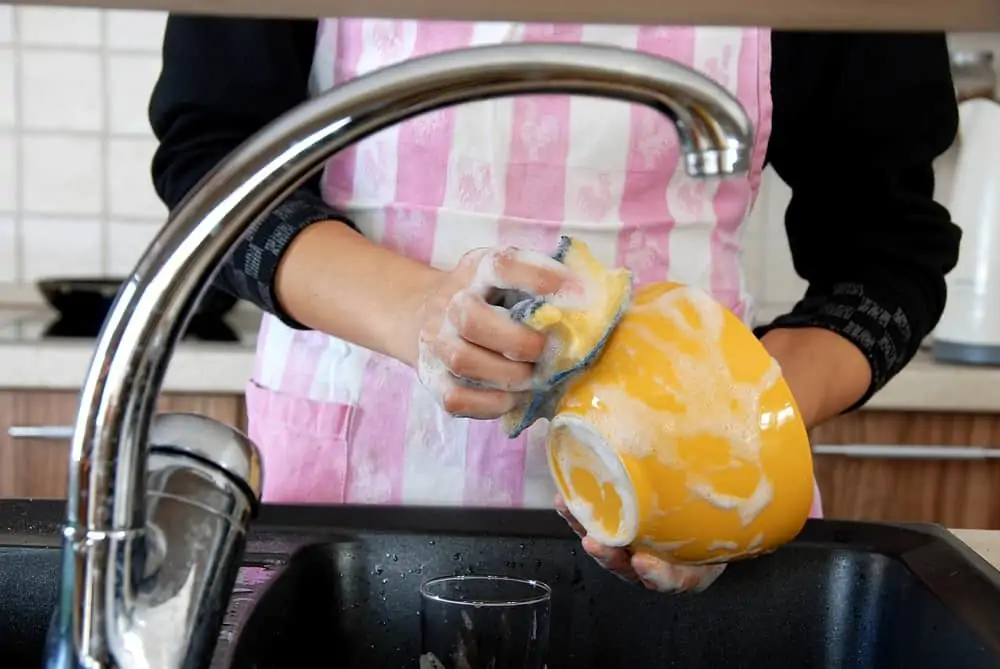
Wash the dishes or pack the dishwasher every evening. This will allow you to wake up to a clean kitchen each morning and make for an easier start to the day.
Expert Tip: Run the dishwasher after dinner each day. It’s dangerous to run the dishwasher while you’re sleeping.
Make Your Bed
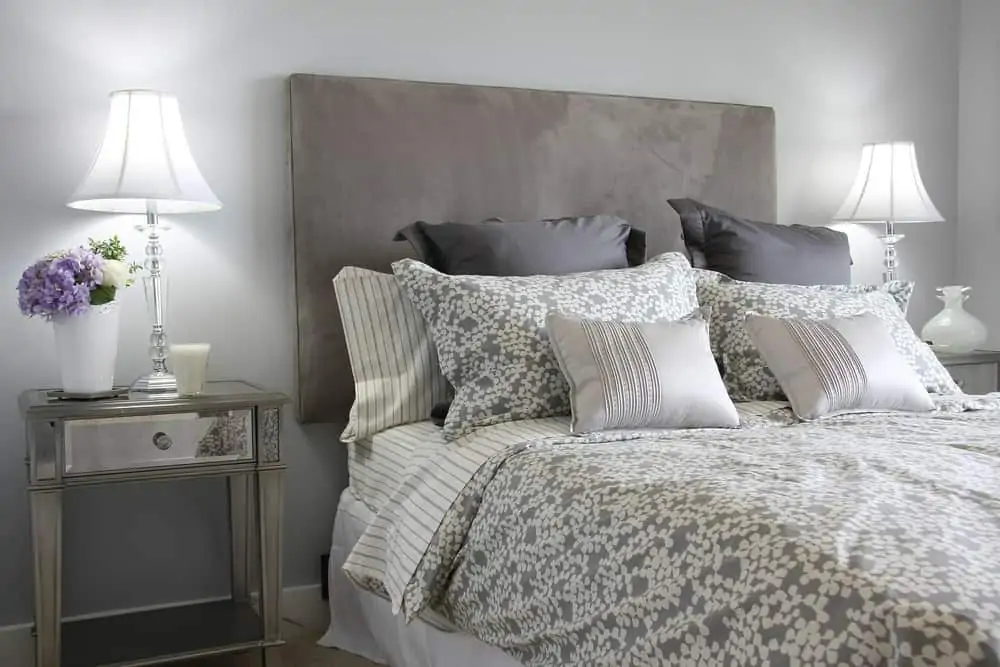
Make your bed every morning. Making the bed means you start the day with a task on your to-do list already completed. Psychologically, this means you’ve already hit the day running and prepped.
A bedroom also looks finished when the bed is made.
Expert Tip: Make life easy for your kids by using a duvet cover. The cover is easy to wash and makes making a bed super easy.
How To Be More Organized At School
Along with being more organized at home and at work, you’ll also want to be more organized at school. This will allow you to study better, stay on top of your assignments, and enjoy some free time as well.
These tips can also be implemented and taught to your children.
Have A Course Schedule
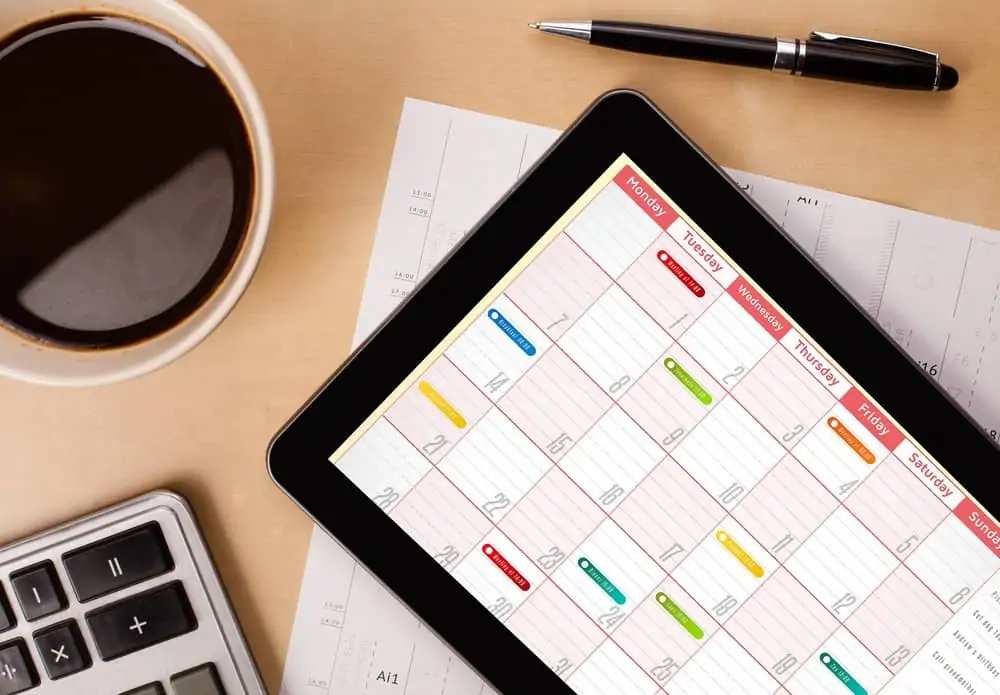
Create a course schedule for the quarter. You’ll need to know what time your classes are, what’s due, and when major tests are scheduled. This way you’ll be able to stay on top of your classes and won’t miss important dates.
Expert Tip: Use a planner so you can keep everything in one place. Otherwise, you’ll need to check each class’s syllabus in order to know what’s going on.
Create Routines
Create both a daily and weekly routine for yourself. The routines will need to include time for sleep, meals, studying, and free time. A routine will allow you to stay on top of your classes while still allowing you to spend time relaxing with your friends.
Expert Tip: Write the routine down for the first week or two. It takes a while to learn the routine and make it a habitual part of your day.
Create Early Deadlines
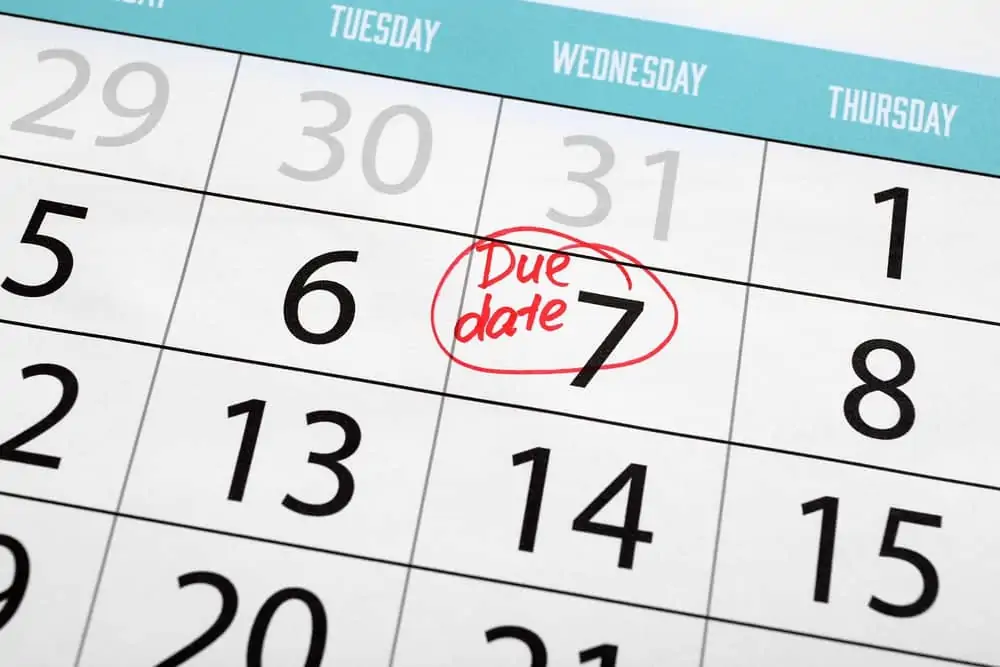
Instead of rushing to try to finish your work before it’s due, give yourself an early deadline that includes at least 12 hours of extra time. This way you’ll be able to finish your work early, double-check it, and know that you’re not waiting until the last minute to finish your schoolwork.
Expert Tip: Check for all due assignments at the beginning of the week and at the end of each day. This way you won’t miss any last-minute changes.
Focus on One Thing at a Time
Trying to focus on too many items at one time will slow down your studying and cause you to remember less. You’ll end up spending more time studying in a less efficient way. So turn your attention to one item at a time rather than trying to multitask.
Expert Tip: When you’re studying, turn off your cell phone and notifications on your computer. This will allow you to focus on your studies rather than trying to study while being distracted by your phone.
Sticky Notes on Front Door
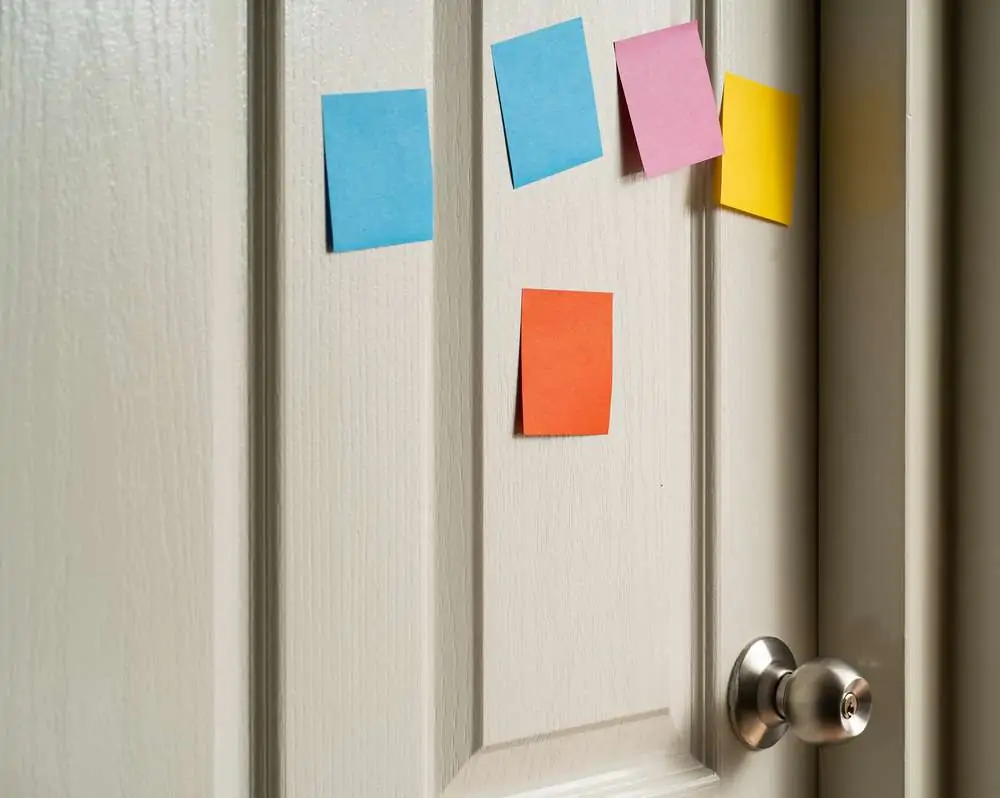
When you have something important going on and need to remind yourself to do something, put a sticky note on your front door. You can remind yourself to grab an assignment, your computer, or even your lunch. This will help you be more organized as you leave your place so you don’t forget something important.
Expert Tip: Color code your sticky notes. This way you’ll know if the reminder is an appointment or physical item you need to remember.
Binder & Notebook
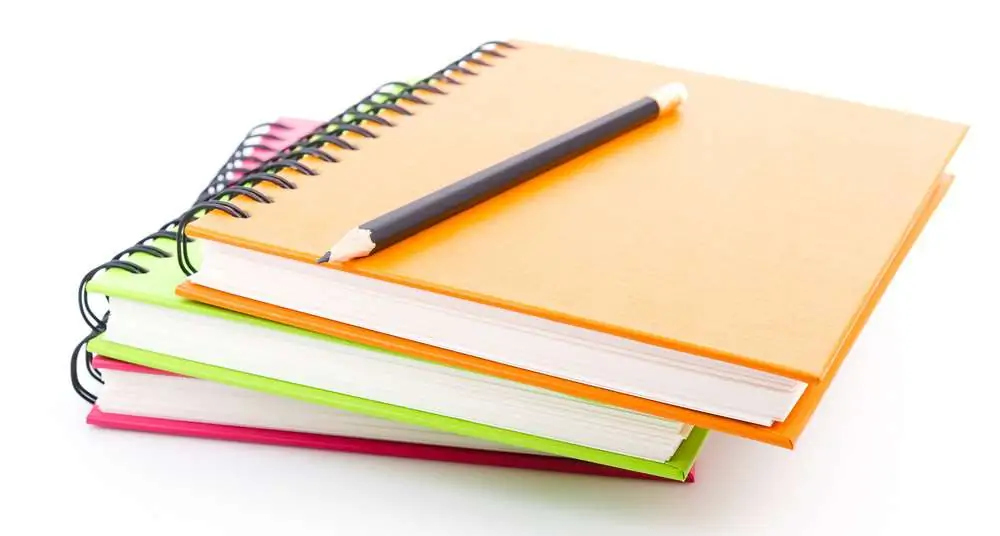
Assign one binder and one notebook for each course you’re taking. This will keep your notes for each class separate and organized so you don’t need to dig through math notes to find your history paper.
Expert Tip: Color code the binder and notebooks so you can tell which class is which at a glance. This will make life easier when you need to grab a binder and notebook combination and run out the door.
Daily Planning
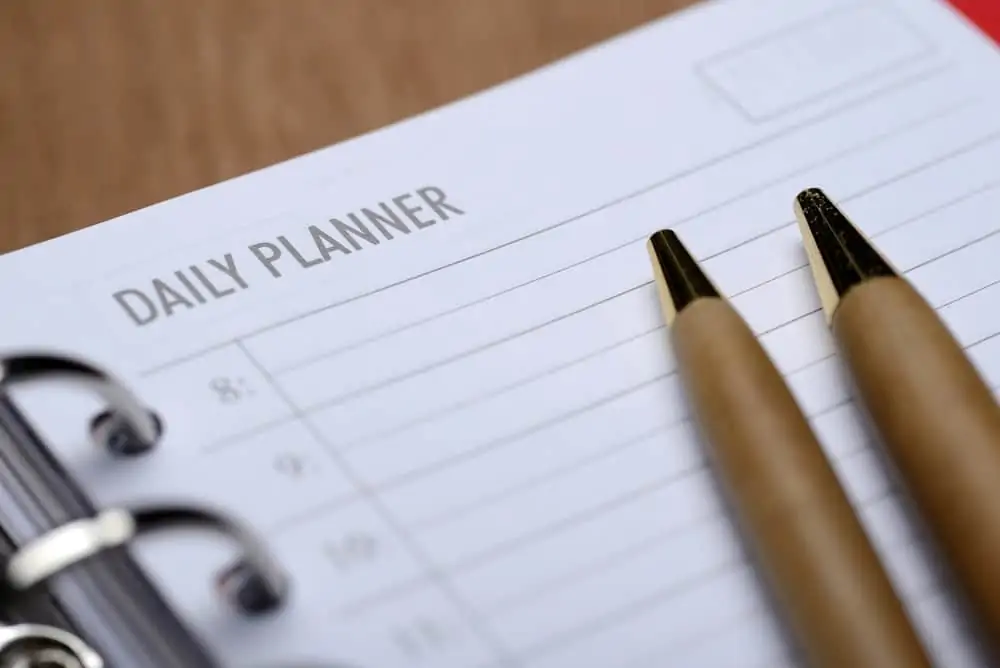
Sit down each morning and take a few minutes to plan your day. This will give you a good idea of what you’re doing, when you’re studying, and what you expect to accomplish.
A few minutes will go a long way in keeping you organized.
Expert Tip: You can also spend a few minutes at the end of the day on planning. This will give you a chance to review the day before planning tomorrow.
Clear Desk at End of the Day
Always leave yourself a clean desk at the end of each day. It’s hard enough to motivate yourself to sit down and study, so why make things worse by leaving your desk cluttered?
Expert Tip: Combine clearing your desk and sitting down to plan the next day. This will give you a few minutes to prepare for tomorrow before you head to bed.
Break Down Large Assignments
Break large assignments down into smaller tasks whenever possible. Nothing is more intimidating than seeing one large reading assignment or paper to write. So break the assignments into smaller tasks that are easier to complete.
Expert Tip: Try to make the smaller tasks short enough to fit into a 20 minute time period. This will ensure that you can complete the tasks easily whenever you have 30 minutes to work.
Schedule Breaks
Studying is hard work. You’ll be able to study better if you take regular breaks throughout your study period. So schedule regular breaks to optimize your productivity.
Get up, walk around, step outside for a minute. You’ll be more focused when you sit down to work.
Expert Tip: Pomodoro timers work well for studying as you can study for 25 minutes and then take a 5-minute break. Every two hours you can plan to take a longer break.
Tools To Help You Be Organized
Paper Planner
Some people prefer paper planners to digital options. They are a great tool to use to keep track of your appointments and to-do list. It’s also easier to see everything you have going on each week.
You can also jot down a quick note for yourself here.
Small Notebook
Keep a small notebook on you to jot notes, ideas, appointments, and tasks. You can tear off a piece of paper to give a friend your number or email address. A small notebook is a useful tool to help you stay organized.
Wall Calendar
Hang a wall calendar on your wall. It’s not just handy for keeping track of work assignments, but it can also help keep your family aware of holidays, birthdays, and appointments coming up in the future.
Sticky Notes
Sticky notes can be used to post notes to yourself on a calendar, door, or paper planner. You can use sticky notes at a command center or any time you need to write a quick note and stick it somewhere obvious. Sticky notes are a valuable tool to help keep yourself organized.
Binders
Binders are useful for keeping track of your various routines, passwords, and other information you may need for home, work, or school. We like to keep a separate binder for all three areas of life. This makes it easy to find any information needed for work without having to look through home cleaning routines.
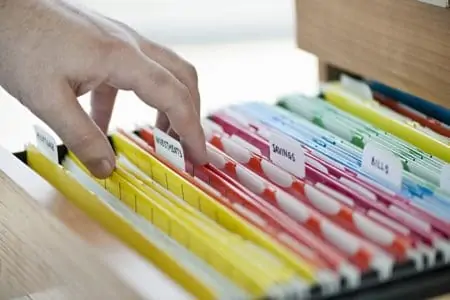
Filing System
You need a good filing system to be organized. Life brings everyone piles of paper to keep track of. These may be birth certificates, tax information, or contracts for work.
A good filing system will enable you to find the information you need easily without needing to spend hours searching through piles of paper.
Google Calendar
If you love digital planners, check out Google Calendar. It syncs with many devices and apps and will allow you to coordinate your schedule with other family members. It’s an amazing tool to use if you’re looking to get organized and stay on top of your family’s appointments.
Tomighty
Tomighty is a desktop timer that’s a Pomodoro timer. It times your work for a 25 minute period and then gives you a choice between a short break of 5 minutes and a long break of 15 minutes.
It also keeps track of how many Pomodoro periods you’ve completed. When you have reached 4, you know to take a long break before starting another sequence.
$5 Meal Plan
Instead of spending hours creating a personalized meal plan for your family, join a meal planning service such as the $5 Meal Plan. Each week you’ll receive a healthy, budget-friendly meal plan for your family along with a shopping list. You’ll no longer need to stress about trying to plan healthy meals for your family.
ToDoist
ToDoist is an app that helps you keep track of the to-do lists you need to create. You can create lists for various projects, different family members, and shopping. We like to keep lists for home, work, and school.
As you can also use the app to schedule repeating reminders and tasks, it’s a great help if you’re looking to get more organized.
FAQs About Being Organized

What Is The Best Way To Be Organized?
The best way to be organized is to write everything down. If you try to rely on your memory alone, it adds stress to your life and you’re likely to forget something when life is busy.
Instead, designate one place to write down all appointments, assignments, due dates, and your to-do list. Then you’ll be able to keep better track of what’s going on in your life.

What Happens If You Are Not Organized?
When you’re not organized, you tend to miss important work deadlines or miss important events in your family’s and friends’ lives. This may negatively affect your work and personal relationships.

Why Can’t I Stay Organized?
If you’re having trouble staying organized, it’s usually due to a combination of a lack of skills and bad habits. It takes time to develop the habits that will help keep you organized. Take a deep breath and keep trying.
You can do this.

Can You Learn To Be Organized?
Yes, you can learn to be organized. Organizational skills take time to develop and are simply a set of strategies. You can learn strategies that will work for you and develop the skills to use them. It simply takes practice.

Can a Messy House Cause Anxiety?
A messy house can cause anxiety because everywhere you look, there is something that needs cleaning or tidying away. As the saying goes, “a cluttered home, a cluttered mind.”

How Do You Organize Your Life When You are Overwhelmed?
The best way to organize your life when you are overwhelmed is to focus on one area at a time, get rid of stuff, and stop bringing things into your home.