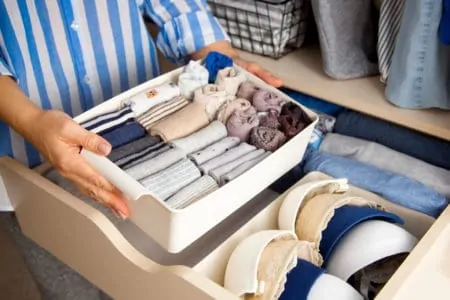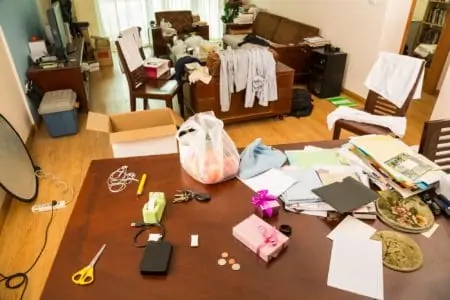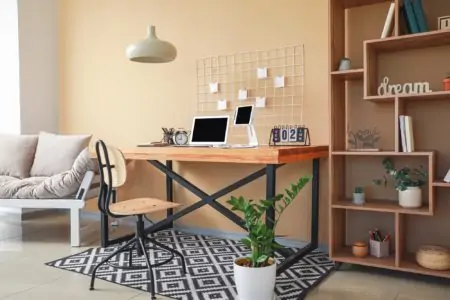
More and more people are needing to work from home. Working in a cluttered, messy home office can be frustrating, as well as have a negative influence on your productivity. Clutter has been proven to cause elevated stress levels. This coupled with the frustration of not being able to find ink for your printer or the document that you need, in the mess, can take a toll on your productivity and general mental well-being.
The trick is to tidy and organize your home office in a manner that works for you. So, today we’re sharing some home office organization ideas to help you clean up and organize your home office so that you can get some work done.
Key Takeaways
- Optimize home office space with corner desks, wall-mounted desks, and DIY solutions.
- Organize desk accessories using drawer organizers, mason jars, and repurposed items like muffin tins or spice racks.
- Create a command center with mail stations, calendars, memo boards, and decorative bulletin boards for better organization.
- Use utility carts, shelves, and other furniture to keep home office equipment and supplies organized and accessible.
Desk Ideas
Every home office needs a desk. However, sometimes traditional desks don’t fit well into the space you have available in your home office, so here are some great tips for adding a desk into your home office that will work in both large and small spaces.
Corner Desk
Every office has some unused space in the corner. You can use this space to insert a corner desk that’s built to fit the area. It will slide into the corner, give you plenty of space to work, and you’ll even have room for a lamp directly over your working area.
Wall Mount Corner Desk
Instead of having a traditional desk, use a wall mount corner desk in your office. A wall mount corner desk is attached to the wall like a shelf, it includes storage space for pens, pencils, and papers.
The desk doesn’t use as much space as a traditional desk but will give you enough room for a computer and a glass of water. It’s perfect when you’re trying to fit a home office into a small room.
L-Shaped Corner Desk
Use an L-Shaped corner desk in your home office. The desk will give you plenty of room to work while using the corner space that would otherwise be lost. One section of the desk can be used for your computer while the other section of the desk can be reserved for paperwork.
DIY Home Office Desk
Build yourself a large home office desk that’s perfect for the space you have available. This simple desk is created by using two filing cabinets and a sturdy wooden plank. It makes a large desk with plenty of room for one person, or it can be used as a desk for two people depending upon your needs (1).
Wall Mounted Desk
Install a wall-mounted desk that lifts and turns into a cabinet on the wall. If you have a small space, this is the perfect solution. You can pull the desk down and have everything you need ready for you to work.
When you’re finished, you can put the desk back and enjoy the extra living space.
DIY Floating Desk
You can build yourself a floating desk along one wall. It’s essentially a sturdy shelf on the wall that will give you a place to work. It’s different from the wall-mounted desk as it doesn’t include cubby holes for storage space.
The benefit is that you can customize it to fit the space you have (2).
Desk Accessories
Do you have storage space for your office supplies? If not, then you need these great hacks on how to keep your desk from getting cluttered in a way that is easy to maintain.
Desk Drawer Organizer
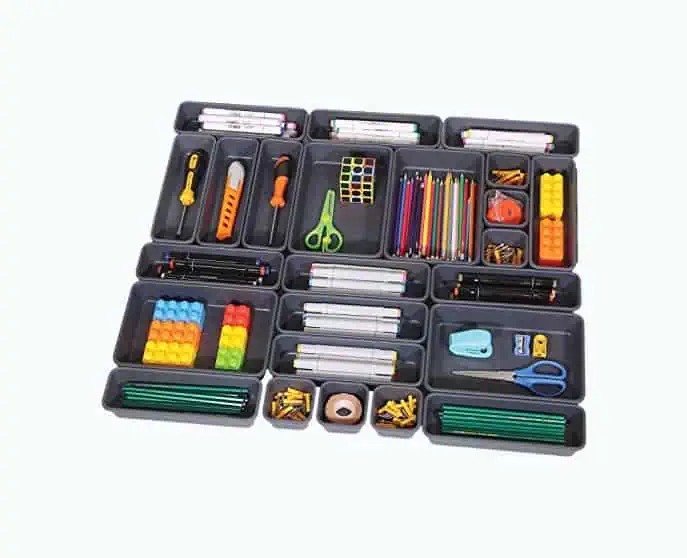
Use a desk drawer organizer in your drawers to help keep your small items organized. You can store paper clips, post-it notes, and pens without worrying about them rolling all over the drawer.
Desk Organizer
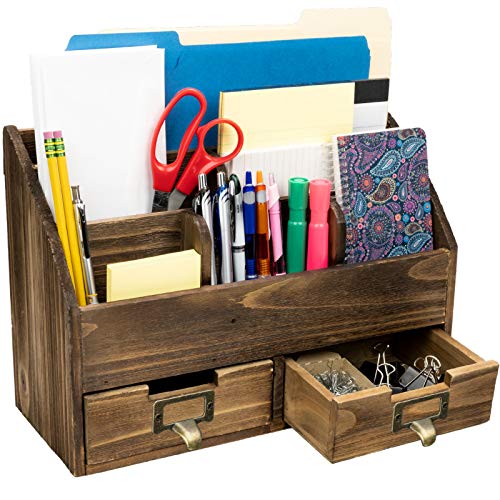
Use a desk organizer on your desk to help keep everything you need organized and at your fingertips when you need them. You’ll have a place for pens, tape, post-it notes, and paper clips etc.
Mason Jar Pen Holders
Use painted mason jars to hold your pens, scissors, and other items you need for your workspace. You can paint the mason jars in different colors to match your home office decor, plus mason jars come in different sizes so you can mix and match to create the setup you need.
These jars work amazingly well and add a rustic look to your home office.
Muffin Tin Drawer Organizer
Use a muffin tin in your desk drawers to help keep your small accessories organized. You can store paper clips, tapes, staple removers, and more.
Plastic Holders for Supplies
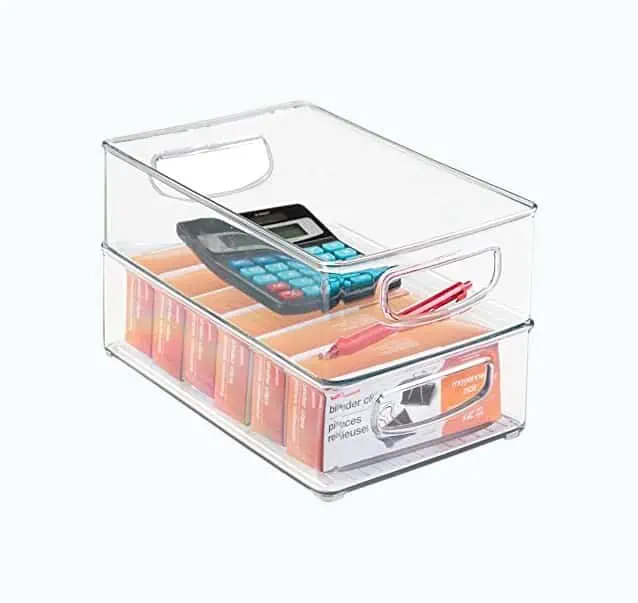
Use transparent plastic containers to hold your office supplies. This is one of the best ways to keep the items organized and stop them from getting lost in a drawer. You can also use larger plastic bins to hold extra supplies that you don’t have room to hold on your desk.
Plastic containers have many different uses in a home office.
Tote Organizer
Add a tote organizer to your home office organization system. The tote organizer can hold anything you don’t have room for on your desk. It’s also handy if you like to work in different areas of your house.
You can grab the tote and move to work in the kitchen, a bedroom, or the living room.
Paper Tray Organizer

Another item you need for your home office desk is a paper tray organizer. Paper tray organizers fit on your desk and will help you organize any papers you need for your work. Some trays even come with space for you to store pencils, pens, and staplers.
Every home office needs a paper tray organizer to keep all the papers in your office organized.
Document Tray
Place a document tray on your desk. This will not just hold the various documents and papers you need in your home office. You can also store pens, pencils, scissors, calculators, and other small objects you need in your home office.
Small Metal Buckets
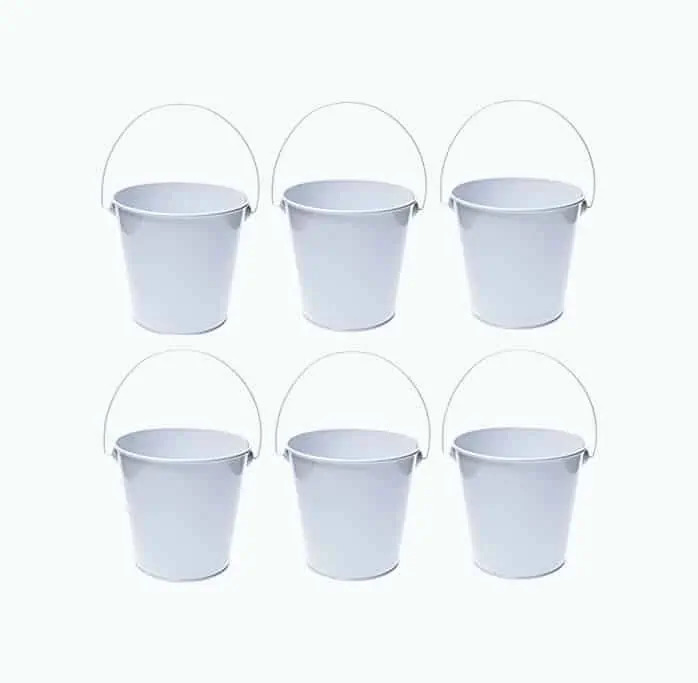
Use small metal buckets in your home office as a unique way to organize your pens, pencils, and scissors. You can also use the small metal buckets to hold other items such as paper clips, post-it notes, and index cards. The metal buckets are another handy tool in a home office.
Chalkboard Labels
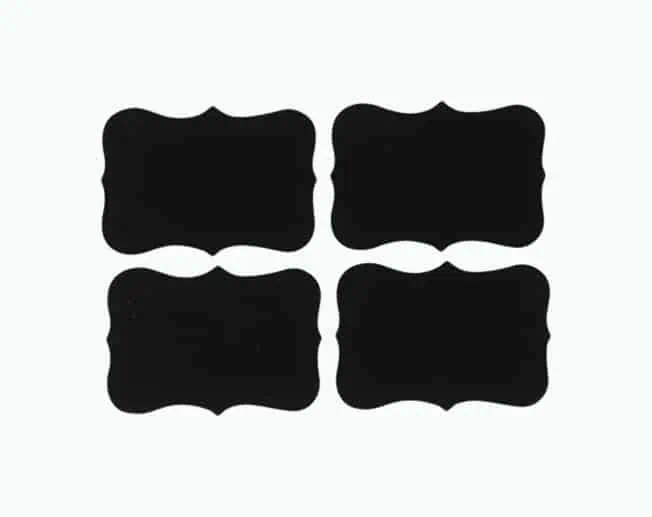
Line your desk with chalkboard labels. The labels will give you an area to write notes to yourself without worrying about losing post-it notes. Then you can erase the chalkboard labels so you have room to leave a new set of notes.
Spice Rack
Use a spice rack to organize all the small items you use in your home office. You can use one spice container for pins, another for paper clips, and a third for rubber bands. The uses are endless.
Just spin the rack until you find the item you need.
Command Centers
Many home offices will benefit from having a command center in the office. This is a place to store mail, keep a calendar, and organize your to-do lists for the week.
Command Center Wall
Use a wall in your home office to create the perfect command center for your family. You can hang a calendar, add a blackboard, and include a place for incoming mail. The command center will help to keep everyone informed of what’s on the schedule so no one misses an important date.
Mail Station
Set up a mail station in your home office. This is a great place to keep incoming mail. Keep one basket for incoming mail and the other basket for outgoing mail.
It’s also the perfect place to keep sets of keys. This way you don’t need to carry them with you all the time but will still be able to find your keys quickly without having to search throughout the house.
A Calendar on the Wall
![Product Image of the Lushleaf Designs Big Dry Erase Wall Calendar - Giant Whiteboard [24' x 36'] - Undated Monthly Planner for Home or Office Use - Laminated, Reusable - Streamline Your 2024 Schedule Effortlessly](https://m.media-amazon.com/images/I/51HBbyPv1pL.jpg)
Hang a large calendar on the wall of your home office. It will help you keep track of your family’s appointments as well as give you plenty of room to track deadlines and due dates. Be sure to go through and mark down holidays, birthdays, and anniversaries so you’re not taken by surprise when an important date comes up.
Year Calendar on the Wall

You don’t need to hang a monthly calendar on your wall. Instead, try hanging a yearly calendar that shows the entire year in one large spread. You’ll be able to track all your important personal and business dates. In addition, you can easily plan vacation days around your work and personal events.
Memo Board
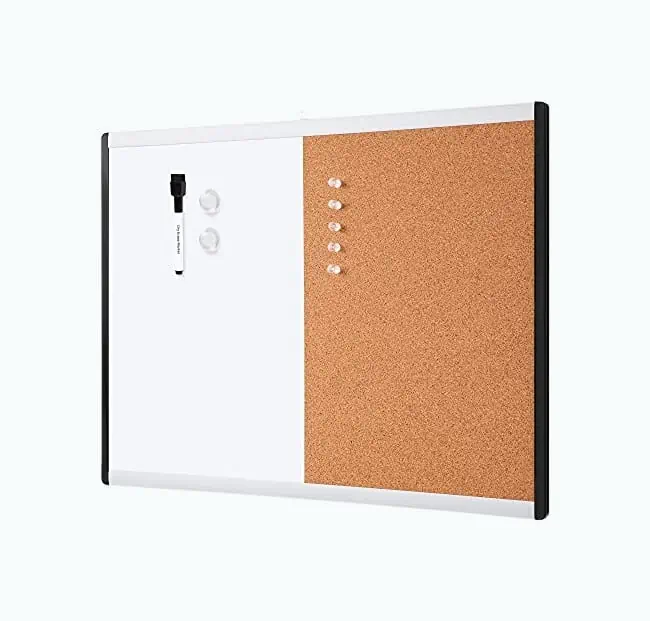
Every home office needs a memo board. This is a board where you can leave notes for family members, pin a to-do list, or leave a shopping list. A memo board is a necessary tool for any home office space so you can keep your family organized.
If you can, find yourself a memo board that’s part corkboard and part whiteboard. It will make life much simpler as you’ll be able to jot a quick message or pin a note to the board.
Rustic Cabinet Command Center
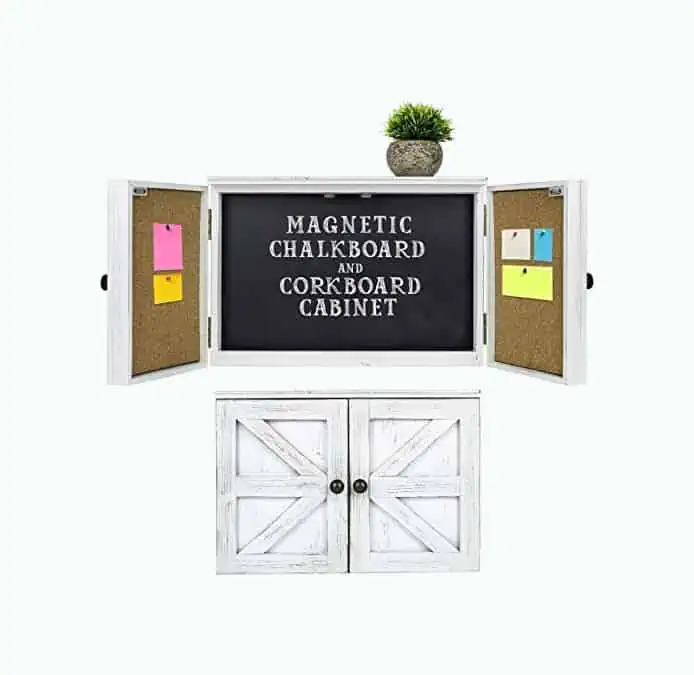
Add a rustic cabinet command center to your home office. The command center will give you a place to pin notes along with leaving chalk messages for different members of your family. In addition, it’s able to be closed so you won’t end up with a cluttered look in your home office.
Decorative Bulletin Board
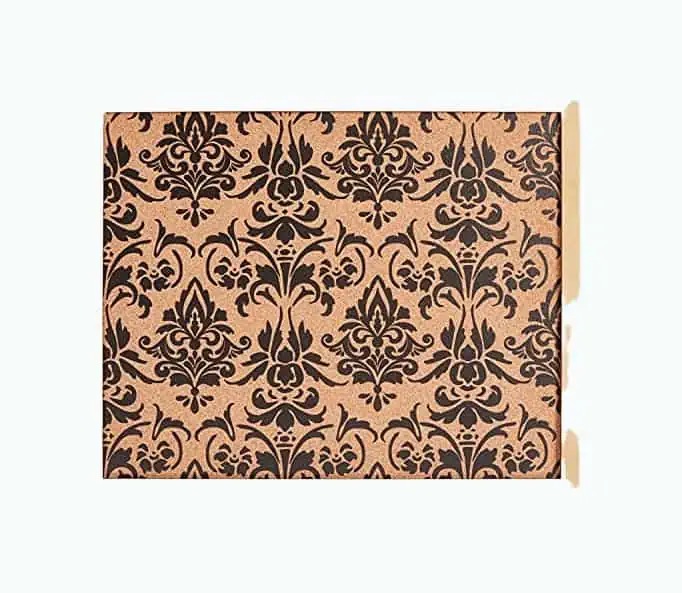
Instead of adding a plain cork board to your home office, add a decorative bulletin board. You’ll be able to pin papers and memos to the board, but the decorative accent will look neat and pleasant in your office. The decorative bulletin board will inspire you as you work.
Floor to Ceiling Corkboard
Add a large cork board to your home office. It will hold posters, papers, and memos galore enabling you to stay on track with everything on your family’s agenda. Plus it gives your home office a unique and functional look.
Pegboard
A pegboard hung above your desk makes a great addition to your home office. You can place small baskets and buckets to hold pencils and pens. You can also use the pegboard to hang a calendar and mail system to create a command center for your home office.
A small pegboard is a useful addition to a home office.
Pegboard Wall
Cover a wall with a pegboard to give yourself plenty of room to hang the containers you need to keep your home office organized. It will give you a place to set up an entire organizational system that works for you. Plus as life changes, a pegboard is easily changed to create a new customized system.
Home Office Equipment Organization
Home offices come with quite a bit of equipment you need to keep organized. You can use utility carts, shelves, and other furniture to help you keep your equipment and supplies organized.
Printer Utility Cart
Put your printer on a utility cart. The cart can move to where you’re working so you can easily grab the pages as they print. It’s also a great way to keep all the ink and paper organized, and close to the printer. This way you have everything you need at your fingertips when you need to print a document.
Tech Accessory Organization
Use small plastic bins and containers to keep your tech accessories organized. You can put earbuds, cords, and other items in small containers on your desk so you can grab what you need without having to detangle a group of cords first.
Printer Cabinet
Give yourself a cabinet to store your printer and all its supplies. The cabinet will appear neat and organized so you don’t have a cluttered appearance in your home office. However, the printer will be available when you need it so you won’t have to set it up every time you need to print a document.
Printer Station
Put together a printer station for all your printer needs. The printer can go on top of a dresser or a table. Put drawers under the table if that’s what you’re using.
Now you can fill the drawers with all the ink and paper you need for your printing needs.
Home Office Shelving
Every home office should have a set of shelves on the office wall. The shelves will hold books, magazines, and binders to help keep you organized.
Shelving Unit
Install a shelving unit in your home office. The shelving unit will give you plenty of storage room for the office. You can use it to hold your printer along with various supplies, books, and magazines.
A shelving unit is always useful and needed in a home office.
Ladder Bookshelf
A ladder bookshelf in your office is a unique shelving unit that’s very useful. It’s amazing for holding books and binders. In addition, you can add pretty baskets to hold various office supplies. Don’t forget to consider keeping your office equipment on the ladder bookshelf as well.
Bed Slats
Install bed slats along the wall of your home office. Next, add hooks to the bed slats. These hooks are used to hang buckets, baskets, lamps, keys, and other items from so that you can keep your office organized in a unique way.
Small Shelves in Corner
Add a small shelving unit to the corner or nook of your office. The shelving unit will be out of the way and will make use of the unused space. You can keep books, binders, and office equipment on the shelves.
Built-in Office Cabinets
Build yourself custom office cabinets and shelves. You’ll be able to store all your office needs in the cabinets or on the shelves. Plus you can customize the cabinets and shelves to fit the space in your office and to meet your family’s needs (3).
Home Office Storage Ideas
Baskets
Use baskets on the shelves to keep your supplies organized in your home office. If you choose a matching set of baskets, your office will look amazing while storing everything you need on open shelves. Don’t worry about trying to use wicker baskets, plastic baskets will work just as well.
Label
Label all your containers so that you know what’s in every container in your office. You can use a label maker to create the labels or simply use masking tape and a permanent marker. The way you make the label isn’t as important as being able to find what you need when you need the item.
Filing Container
Keep a filing container to hold all of your files. You can use anything from a large cabinet to a small plastic container or even a wicker basket depending on your needs. The filing container can be used to archive old documents or keep working documents close at hand.
Color Code
Don’t be afraid to color-code your home office, especially if you work from home. This will allow you to know instantly if an item is for the home or business. Color coding your workspace allows you to use your time more efficiently.
Life Binder
Keep a life binder in your home office that you can simply grab and run with in an emergency. The binder should hold any documentation or records that you may need such as insurance information, birth and marriage certificates, and medical information.
DIY Filing Chest
Build yourself a filing chest for your home office. It will give you the space you need to store your files and will also look beautiful as it sits in your office. In addition, you can build it as a bench so any visitors will have a place to sit (4).
Hanging Shoe Organizer
Another idea is to use a hanging shoe organizer to organize your home office supplies. Each of the pockets can be used to store a different type of item. Transparent shoe organizers are great so you can see what’s in them.
Ring Binders
Use ring binders to organize all the papers and documents you need in your home office. You can use one binder to store the information you need to grab in an emergency, another for school information, a third for recipes, and a fourth for work information. The binders store the information neatly and look amazing when stored on a shelf.
FAQs

How Do I Organize My Office With Limited Space?
The best way to organize your office with limited space is to file documents, get a desk organizer, and never let clutter sit on the desktop. Also, think about useful furniture that doubles as storage or folds away.

How Do You Get Organized at Work When You are Overwhelmed?
The best way to get organized at work when you are overwhelmed is to write a to-do list. Start with the most important tasks, numbering them in order of importance. Also, don’t be afraid to ask for help.

Should I Put My Desk Against the Window or the Wall?
Knowing whether you should put your desk against a window or the wall depends on the type of person you are and the space available. Most people find looking out of a window distracting, slowing down their work rate.

Where Should I Store Important Documents at Home?
The best way to store important documents at home is to lock them in a concealed safe or a safety deposit box. Another method is to scan them to your computer, shred the original, and then back up your files to a separate storage device.

How Can I Make My Home Office More Inviting?
Making your home office space more inviting creates a better working mood. Use plants to liven the space, hang certificates and achievements on the walls, and keep it clutter-free. Try and create the right lighting, and choose furniture that is comfortable.