Dryer sheets are useful additions to your laundry accessories. But if you’ve run out unexpectedly, are looking to save money, or searching for an eco-friendly option, we’re here to help! We’ll recommend the best dryer sheet alternatives so you can still get soft and static-free clothes.
Key Takeaways
- Dryer sheets soften clothes, reduce static, and add fragrance, but can contain toxic ingredients.
- Alternatives include vinegar, baking soda, wool dryer balls, and homemade dryer sheets.
- Using aluminum foil or hanging clothes to dry can also prevent static and soften laundry.
- Choosing alternatives can save money, be eco-friendly, and avoid skin irritations.
What Do Dryer Sheets Do?
Perhaps you’ve never used dryer sheets, and are wondering what they’re good for. There are a few benefits for dryer sheets.
- They prevent static build-up: There’s not much that’s more annoying than going about your day collecting every piece of dust and lint. Dryer sheets can help reduce static in your clothes.
- They make clothes smell fresh: Some are scented and can add freshness to your clean load of laundry!
- They soften your clothes: Dryer sheets are made with fabric softening agents, such as fatty acids. When you do a cycle, the heat helps to spread the softener across your clothes.
- Other uses around the house: Many people use dryer sheets outside of the laundry room. They can be beneficial for dusting, freshening up drawers or suitcases, and even cleaning your iron.
Reasons for Using Dryer Sheet Alternatives
While using conventional dryer sheets is fine, there are many reasons why we recommend using dryer sheet alternatives.
- You save money: If you make anything yourself, you’re sure to be saving money. Dryer sheets are inexpensive, but making your own can save a few pennies.
- You choose the ingredients: If you find that dryer sheets cause you itchy skin, it might be because of the ingredients (1). When you make your own, you choose what goes in there.
- DIY dryer sheets are kinder on the skin: If you choose the ingredients, you can make sure that they’re kind on your sensitive skin.
- It’s eco-friendly: You can make reusable dryer sheet alternatives. If it’s eco-friendly and reusable, that keeps things green in your household. Store-bought dryer sheets are only single-use, which isn’t good for our planet.
- It’s simple: Some DIY recipes are a hassle, but not DIY dryer sheets. That’s why many people are now making their own.
- They might work better: Many recipes prove to be more effective than store-bought dryer sheets. It might take some trial and error, but you’ll get there!
Are Dryer Sheets Toxic?
This might surprise you, but yes — dryer sheets contain toxic ingredients. This is another reason why you should make your own!
Dryer sheets contain extremely high concentrations of harmful fragrance chemicals (2). They also contain quaternary ammonium compounds and acetone. Both these chemicals are responsible for causing asthma attacks, dizzy spells and headaches.
Making your own dryer sheets is definitely the way forward!
Dryer Sheet Alternatives
Since we’ve probably now convinced you never to buy dryer sheets again (oops), let’s give you some alternatives.
1. Nothing
The first option is that you don’t do anything. In our house, we don’t use dryer sheets or fabric softener and we still have soft clothes that are static-free.
This will work depending on your water softness and the detergent you use. But it’s something to try!
It will also help highlight scented detergent and won’t mask the lovely smell. As for softness, the clothes might be a little rougher but it’s a small price to pay. If your clothes are still rough and staticky though, we have more great tips.
2. Hang Dry or Reduce Drying Time
Hanging your clothes to dry can reduce static cling, since the clothes aren’t drying around one another in the machine. Hang them on a line in the sun, or on a clothesline in a warm room.
Alternatively, you can reduce your drying time. If your dryer has a sensor option, use that! That’s what we use and it really works so your clothes don’t over dry and create more static.
Keep In Mind
3. Vinegar
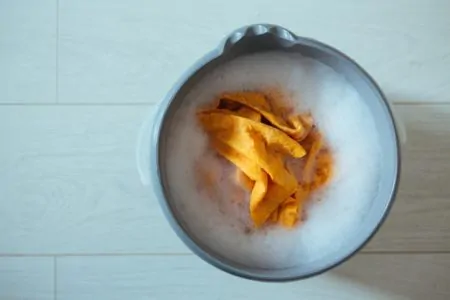
Vinegar works to soften fabrics by dissolving soap residue and leaving you with fresher clothes (3). To use as an alternative to dryer sheets or as a substitute fabric softener, follow these steps:
- Dampen a wash cloth with apple cider vinegar or distilled white vinegar.
- Toss it into the dryer with your clothes.
- Run the cycle as normal.
The vinegar will prevent static cling, leave no scent behind and soften your clothes. A super alternative!
4. Baking Soda
We couldn’t do laundry day without baking soda anymore. It’s one of our favorite natural items and guess what? It’s also an excellent dryer sheet substitute.
Baking soda regulates the pH level of the water and suspends mineral deposits in the water which can make clothes feel stiff.
- Measure out ¼ cup of baking soda.
- Sprinkle it over your clothes or pour into the detergent dispenser before washing your clothes.
- Wash as normal.
- Dry your clothes in the machine or hang dry.
Using baking soda in your wash cycle has many benefits including softening your clothes and reducing static.
Top Tip
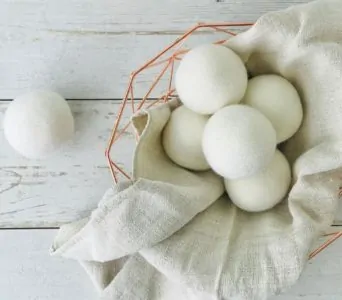
5. Wool Dryer Balls
You might have heard of wool dryer balls. Perhaps you’re wondering — can they really replace dryer sheets? Yes. Yes, they can.
First, they’re reusable so they’re instantly better, in our opinion! They can also speed up drying time as well as fluffing up down items.
They promote more air flow which gives you quicker results and softer clothes.
You can make your own dryer balls, or you can buy them. Make sure to read the ingredients and choose an eco-friendly option that is safe for you, your kids and pets.
To use, just toss a few in with your wet clothes. Dry as normal and enjoy your fresh, soft and static-free clothes on the other side! You can even get scented dryer balls if you fancy. Just make sure the fragrance is safe for animals if you have pets.
6. Aluminum Foil
This is our favorite tip if you’re stuck with no other options! You’re bound to have some aluminum foil to spare in the kitchen.
And trust us — it works. Aluminum fights static build up from clothes, and keeps the clothes separated which speeds up drying time and helps to soften your laundry (4).
To use, follow these step by step instructions:
- Tear off a generous strip of aluminum foil.
- Scrunch it up so it’s about the size of a baseball.
- Toss it into the dryer with your laundry.
- Dry as normal.
- Reuse for future loads.
This is a simple, but effective tip.
7. Homemade Dryer Sheets
If you like the way dryer sheets work, but want to be a little more green, you can make your own.
What You Need
- Several rags or wash clothes.
- ½ cup of distilled white vinegar.
- About eight drops of essential oil, such as lemon, tea tree or eucalyptus.
- Glass container with tight lid.
Instructions:
- Fold each cloth and stack them inside the container vertically.
- Mix the vinegar and essential oils in a separate bowl.
- Pour the mixture over the cloths until they’re damp, not soaked. (You can use the excess solution as fabric softener in your next washes).
- The next time you use the dryer, remove a cloth and wring it out over the jar. Remove all excess vinegar.
- Toss it into the dryer with your clothes.
- Afterwards, put the cloth back into the jar for the next time.
- Add more scented vinegar as needed.
8. Cut up Remaining Dryer Sheets
If you’re not quite ready to make your own, but still want to cut back on waste, try this. Cut up old dryer sheets and use them sparingly.
Dryer Sheet FAQs

Is It Okay to Dry Clothes Without a Dryer Sheet?
Of course! Dryer sheets are completely optional. We have never used a dryer sheet in our home. If we want softer clothes, you can simply add some vinegar.

How Do You Get Rid of Static Without Dryer Sheets?
Static cling is very annoying. But you don’t need dryer sheets to eliminate it. There are a few great options:
- Hang your clothes to dry.
- Dry synthetic fabrics separately to cottons and linens.
- Try soap nuts, an eco-friendly detergent. They have naturally anti-static properties.
- Use one of our dryer sheet alternatives, like baking soda or wool dryer balls.
Can You Use Aluminum Foil Instead of Dryer Sheets?
Yes — scrunch up a generous amount of aluminum foil to the size of a baseball. Toss it into your load and dry as normal. You can reuse this many times as a fab eco-friendly solution.
Are Dryer Sheets Bad for the Dryer?
They’re not great for your dryer. The film from the sheets can build up in your dryer, which is fine — until it reaches the lint filter (5). This becomes very difficult to remove since the film is sticky.
Eventually, your clothes will become covered in lint because the air can’t pull through the dryer as easily.

How Do You Make Homemade Dryer Sheets?
Homemade dryer sheets are pretty simple to make. You can use our earlier recipe, or try this variation:
- Cut up cloths or rags and fold them in thirds, making long strips.
- Fill a tight lidded jar up with ½ cup of distilled white vinegar.
- Add essential oils. We like lavender, lemon, tea tree and many more!
- Mix well.
- Add the cloths into the jar vertically, so they stick up tall.
- Let them soak up the solution but don’t shake the jar to saturate the cloths.
- When you want to use one, pull it out the jar, wring it out over the other cloths, and pop in the dryer.
- Dry clothes normally.
- Afterwards, replace it to the jar.
- You can use each one between 10 and 20 times.

Do Dryer Sheets Ruin Your Dryer?
Dryer sheets won’t ruin your dryer, but they may reduce your dryer’s running efficiency. Dryer sheets leave a fabric softener residue on your clothes and the inside of your dryer.
Soften It Up
With these dryer sheet alternatives, you’ll get super soft, lush clothes. They’ll help reduce static cling and lint build-up, too. Lastly, if you add some essential oils, you won’t believe how good your laundry smells!
So no matter whether you choose to make your own sheets, opt for wool dryer balls or simply do nothing, you’re saying goodbye to the toxic chemicals in conventional dryer sheets.