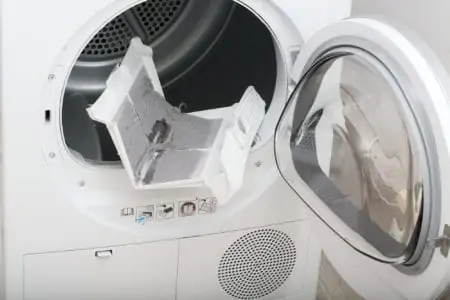
Have you noticed that your clothing comes out of the wash smelling musty and covered with lint? If so, then it’s likely you need to know how to clean a washer lint trap. Your washer lint trap collects the lint from the wash water.
However, if you don’t clean it regularly, mold and mildew can grow in it causing a musty smell. Don’t worry, we will show you how to clean a lint filter, as well as where to find it in most washing machines.
Key Takeaways
- Clean the washer lint trap regularly to prevent musty smells and lint on clothes.
- Lint trap locations may vary: under the rim, near the pump, or at the end of the drain pipe.
- To clean a removable lint filter, soak it in hot water and dish soap, then scrub with a small brush.
- Prevent lint buildup by sorting laundry, not overcrowding the machine, using cold water, and the gentle cycle.
How Do You Know If Your Lint Trap Needs Changing?
You’ll know if your lint trap needs changing because your clothes will come out of the washing machine with a furry coat of lint. They’ll also have a musty smell. Your washing machine will have a similar musty smell from the mold and mildew growing in the lint trap.
How to Clean a Washer Lint Trap
Not all washing machines have a washer lint trap. The newer high-efficiency machines don’t have a lint trap that needs to be cleaned. Instead, they have a self-cleaning pump installed.
To clean a high-efficiency machine, simply run a self-cleaning cycle or an empty wash cycle once a month. Your machine will stay clean and fresh.
What You’ll Need to Clean a Washer Lint trap
- Paper towel
- Small brush
- Liquid dish soap
- Hot water
- Bowl or small bucket
Where is the Lint Trap on a Washing Machine
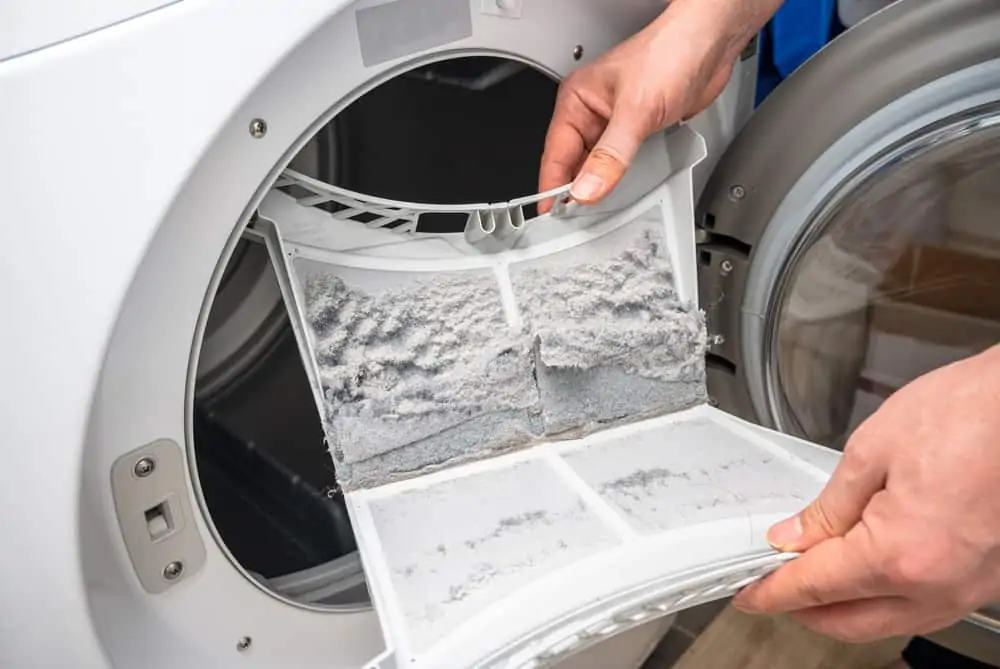
The best way to find your washing machine lint filter is to check the washer’s manual for the location. If you can’t find the manual, here are a few common locations for the lint trap.
Top Rim of the Washer Tub
To check if your lint trap is along the top rim of the washer tub, slide your fingers along the outside of the top of the drum, under the rim. If it’s there, you may find a screen to remove or you’ll find lint.
Near Top Center Agitator
Another common location for the link trap is near the top center agitator of a top-loading machine. The top of the agitator often unscrews to be cleaned and some filters are inside the agitator. Also, if the agitator cover is able to be removed, check near the bottom where the agitator attaches to the tub.
Near the Water Pump or at the End of the Drainage Hose
You may need to remove the outer housing of a standard top loader to access the water pump filter. The lint trap may be near the water pump filter. Another place to look for the filter is on a drain line located where the hose attaches to the washer housing.
Behind Small Hatch
Some units have a small hatch at the front of the washing machine. Open the hatch. You should find the lint filter behind the hatch.
Step-by-Step Instructions to Clean a Washer’s Lint Filter
1. Remove from Unit
Remove the lint filter from the washing machine. If you can’t remove the lint filter, clean it with a small brush or a paper towel. Make sure that your lint filter isn’t blocked and clogged with lint and other residues.
Some lint filters are disposable. If this is the case with your machine, simply replace the lint filter.
2. Soak Filter
The next step is to soak the filter if it’s removable. Put hot water and dish soap into a bowl or small bucket and allow the filter to soak for 10 minutes. The hot water and dish soap will act as a remover to loosen the clogs and trapped residue.
Once you’re done soaking the filter, work on cleaning the filter with a small brush. Rinse the filter and dry it with a paper towel.
3. Clean Filter Location
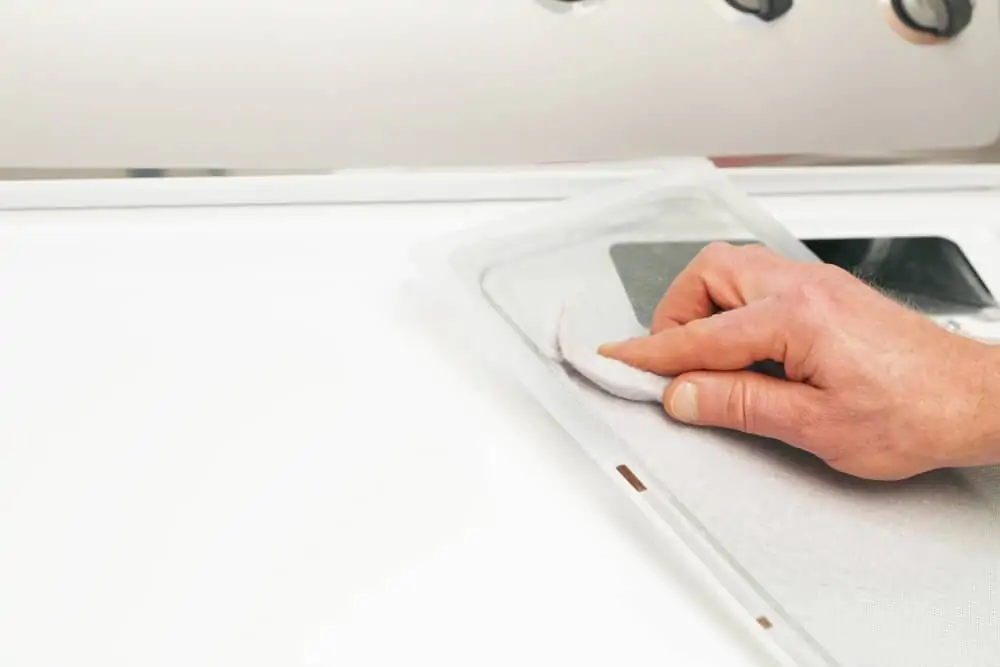
Now you will need to remove the scum and goo from the filter’s location. Use a brush and paper towels to clean the area. Ensure that you get into the crevices and remove any scum hiding there.
4. Return Filter
Put the filter back into place. Do not run a load of laundry until you have returned the lint collector to its location.
Ways to Prevent Lint Build Up
There are a few ways to prevent lint from building up in your washing machine.
Wash Similar Fabrics and Colors Together
Do not wash all your clothing at the same time. Instead, sort your clothing into whites and colors. You’ll also want to sort your clothing by the type of fabric as some fabrics are lint shedders and other fabrics are lint attractors.
It’s better to run a few extra smaller loads to prevent lint buildup.
Do Not Overcrowd
Do not overcrowd the machine when doing laundry. Clothing will rub against each other causing more lint. Also, there needs to be enough water in the washing machine to suspend the lint in the water so it can be washed away.
Wash in Cold Water
Using cold water instead of hot water will help to prevent lint from forming in the first place.
Use the Gentle Cycle
Use the gentle cycle or permanent press cycle when washing high lint items. The gentle agitation will prevent the clothing from rubbing aggressively against each other causing lint to form.
Lint Trap FAQs

Why Does My Washer Leave Lint On My Clothes?
If you’re finding lint on your clothing after washing, your lint filter needs to be cleaned. Also, the filter at the water pump may be clogged.

What Happens When I Don’t Clean the Lint Trap?
If you don’t clean the lint trap, you’ll find your clothing covered in lint. Also, mildew and mold grow in the lint filter. This will cause a musty smell on the clothing as well as a musty-smelling machine.

How Often Should I Clean the Lint Trap?
You need to clean the lint trap once a quarter. I suggest making a note on your calendar every 3 months to remind yourself to clean the lint trap.

Where is My Washer Filter Located?
Your washer filter is located in several possible places, including under the rim, near the pump, or at the end of the drain pipe. Some washing machines have a dedicated hatch to house the filter.

Why is My Lint Trap Not Collecting Lint?
There are several reasons why your lint trap is not collecting lint. It may be installed incorrectly, or clogged with debris. If you have a filter at the pump, that may also need cleaning.

What Happens When Something Falls in the Lint Trap?
If something falls into the lint trap, it could restrict airflow and cause heat buildup. If the washing machine overheats, it could cause a fire.

Do Dryer Sheets Help Remove Lint?
Dryer sheets do help to remove lint because they act like a repellent. Just toss a sheet in with the laundry and set the machine to work.