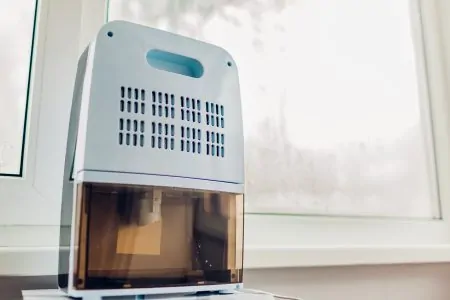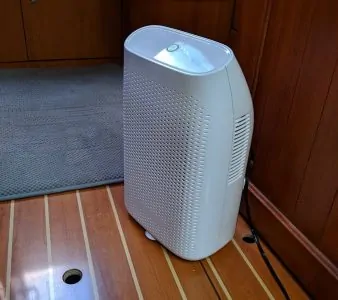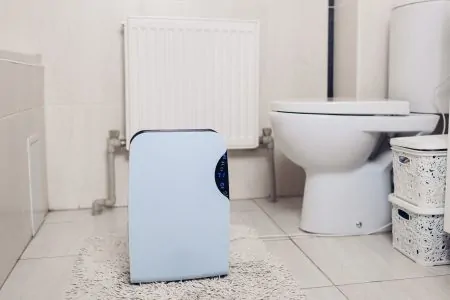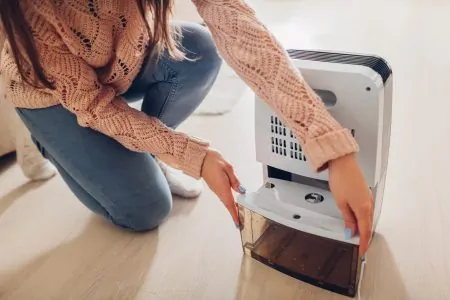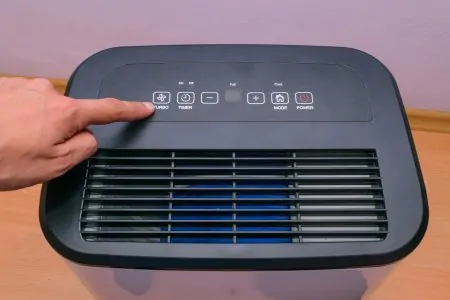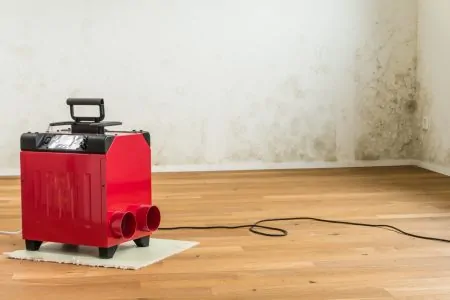
Are you recovering from a water leak in your basement? Or have you maybe noticed dampness, condensation, or a musty smell? A dehumidifier can reduce extra moisture from the air in your basement (or any room of the house).
Maintaining humidity levels below 50 percent in your basement is critical to keeping a healthy environment (1). This reduces allergies but also prevents mold from growing, thriving, and spreading in your home (2).
Dehumidifiers differ significantly from one device to another. So to help you select the right model for your basement, we’ve discussed every feature and characteristic to look out for. Based on customer reviews and expert advice, below is our list of the best basement dehumidifiers available.
- Cleans the air
- Easy maintenance
- Good portability
- Weighs 5.04 pounds
- Very quiet at 33 decibels
- Budget-friendly
- High efficiency, even for mold
- Energy star certified
- Convenient water tank
- Removes 45 pints daily
- Quieter dehumidifier
- Included water pump
- Starts automatically
- Auto error-detection
- Activated carbon filters included
- Versatile uses
- Design and quietness
- Good portability
- Four modes in one
- Convenient drainage
- Quietly absorbs moisture
Review Methodology: At Oh So Spotless, we pride ourselves on providing a comprehensive analysis and assessment of the best basement dehumidifiers. Our professional team conducts hands-on testing, compares performance data, and evaluates design choices to ensure you make an informed decision. We identify key factors such as energy efficiency, noise levels, and capacity, and rank the products based on these criteria. Our experience and research allow us to share valuable insights, factual evidence, and quantitative measurements of each dehumidifier’s performance. By considering our expert reviews and test results, you can confidently choose the ideal basement dehumidifier to suit your needs.
The Best Basement Dehumidifiers of 2024
With products featuring similar designs and characteristics, differentiating the various dehumidifiers isn’t always an easy task. So we’ve done the hard work for you.
We looked into each feature, read the fine lines, and analyzed users’ comments. Here’s our selection of the seven best basement dehumidifiers.
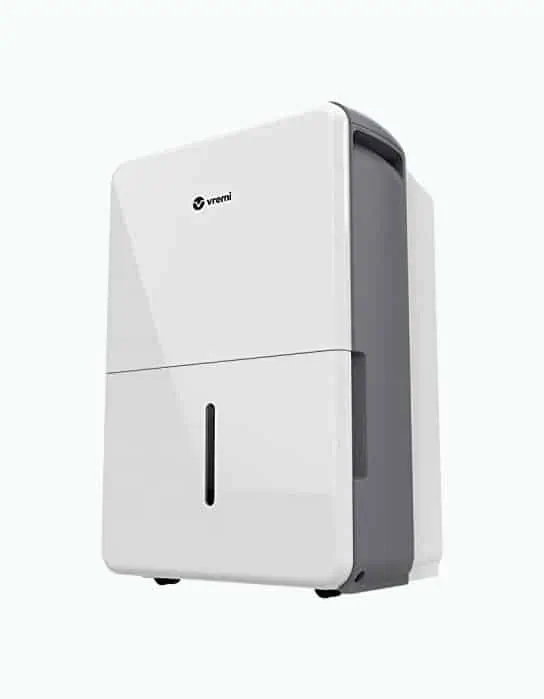
Vremi Dehumidifier Energy Star Dehumidifier
Best for Air Cleaning
This 22-pint dehumidifier efficiently removes moisture in small to medium-sized basements — up to 1,500 square feet. The classic and discreet design will fit most styles and tastes. Plus, the wheels and handles make it portable.
The Vremi doesn’t only dehumidify surfaces. It also cleans and purifies the environment. The device is simple to operate, which is always a bonus. It has an auto-shutoff feature when the tank is full and a drain port if you prefer continuous use.
What We Like
High-Performance Filter Included
If you’re suffering from allergies or are sensitive to dust particles, this is a unit you may appreciate. It includes a high-performance filter that’s able to trap not only dust but also mold, odors, and bacteria.
When the humidity or dust is exceptionally high, activate the Turbo mode to speed up the removal process.
Easy Maintenance With Reusable Filter
Reviewers enjoy how simple the device is to maintain. The water bucket can be effortlessly removed and is straightforward to clean.
As for the filter, it’s removable and reusable. The manufacturer recommends washing it monthly, which is easy enough to manage.
Good Portability With Handles
When needed, this dehumidifier is simple to move. It includes all the features to make this task simple and smooth. The unit has two built-in side handles to lift and carry the device.
It’s also lightweight at 30.9 pounds, which seems to be manageable for most reviewers. Lastly, the four wheels will enable you to roll the machine to your desired location.
Energy Efficient Design
This model comes with the “Energy Star” recognition to optimize power usage and protect the environment. You shouldn’t notice a massive jump in your electricity bill!
What We Don't Like
Doesn’t Include a Hose
Although the unit comes with drain access, bear in mind that the tube itself isn’t included. However, reviewers mention that it fits standard hoses.
Small 1-Gallon Water Tank
If you’re planning on using the water container, users found it smaller than expected. Some even have to empty it twice per day.
Product Specs
| Removal Capacity | 22 pints |
| Recommended Basement Size | 1,500 square feet |
| Bucket Volume | 1 gallon |
| Dimensions | 16.1 by 10.4 by 19.9 inches |
| Weight | 30.9 pounds |
Our Ratings
User Experience
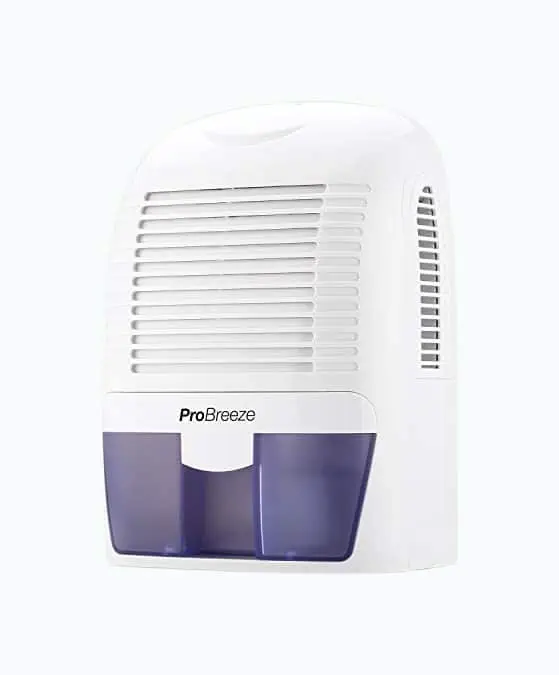
Pro Breeze 2200 Cubic Feet Mini Dehumidifier
Best Portable Dehumidifier
This portable dehumidifier is ideal if you need to move the unit around the basement or home. It’s also designed to speed up your clothes’ drying process.
Its small size — 6.6 by nine by 12.69 inches — should fit the tiniest spaces and rooms.
Although compact, this model can yet remove more than one pint of water a day. This is suitable for basements up to 250 square feet.
It is, however, only recommended to use this machine with temperatures between 59 degrees Fahrenheit and 86 degrees Fahrenheit.
What We Like
Weigh Less Than Six Pounds
We love this model’s tiny size and cute design. While you can place it on the floor as a regular model, it’s compact enough to be safely positioned on furniture.
Weighing 5.04 pounds, you’ll be able to grab and carry the unit on the go. It will even fit in closets to prevent mold growth on clothes.
Very Quiet at 33 Decibels
Many dehumidifiers can be noisy — over 60 decibels. On the other hand, this model might be one of the quietest units, which can be attributed to its thermo-electric peltier. If you’ve made your basement a living space, it shouldn’t disturb its occupants’ sleep.
Easy to Use
This dehumidifier is also as user-friendly as it can get. There are no fancy buttons or settings. Besides, it automatically shuts off, and a light turns on when water needs to be emptied.
Budget-Friendly
If this is your first dehumidifier, this economical option allows you to test its efficacy without a heavy investment. Nevertheless, it seems to deliver in performance, and reviewers are thrilled about the quality-to-price ratio.
What We Don't Like
Doesn’t Come With Drain
This unit doesn’t include a drain port. In high-humidity environments, some users must remove the water every six hours.
Doesn’t Tackle Severe Moisture
It might struggle if you’ve had a flood or want to keep this in a humid bathroom. Customers found that it took weeks to capture moisture in high-humidity areas. It’s best for lighter jobs.
Product Specs
| Removal Capacity | 1.125 pints |
| Recommended Basement Size | 250 square feet |
| Bucket Volume | 0.41 gallon |
| Dimensions | 6.6 by 9 by 12.69 inches |
| Weight | 5.04 pounds |
Our Ratings
Personal Perspective
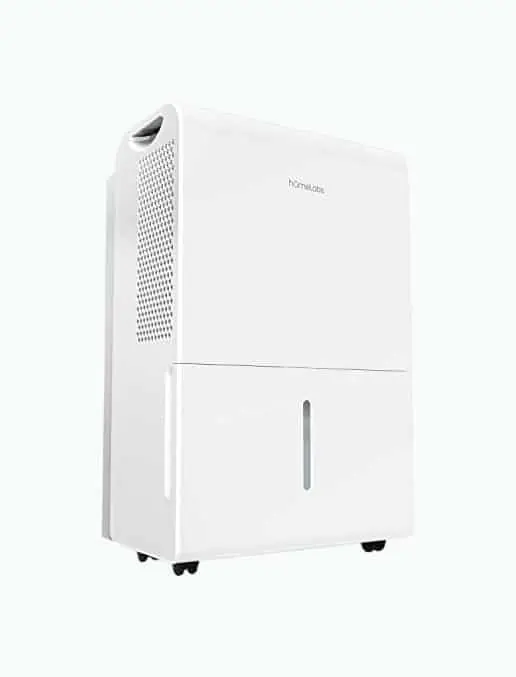
HomeLabs 50-Pint Dehumidifier
Most Energy-Efficient Dehumidifier
Consider using this highly efficient dehumidifier for basements as large as 4,500 square feet.
Simple to use, you’ll only need to press the power button to operate the device and select the best setting for you.
Unlike the other machine, HomeLabs gives you an extra boost of moisture removal and odor reduction by turning on the turbo mode. Once functioning, the machine will remain quiet despite being large in itself.
What We Like
High Efficiency, Even for Mold
This model’s size is true to its efficiency. It can remove up to 50 pints of water per day, and the tank can hold up to 1.6 gallons. Some reviewers mention emptying it is a breeze.
On top of that, this dehumidifier can stop moisture, dust, mold, and odors. A few users have even used the device after water leakage to prevent mold formation.
Energy Star Certified
The addition of another machine in your household would mean not only additional expenses for the purchase but recurring electric bills as well.
Well, this may cost a little more than the previous one on the list, but it saves you more in the long run because it’s been energy-star certified. Your call!
Convenient Water Tank
This model does include a light indicator. And, when it’s time to empty the water tank, you’ll still be able to keep an eye on its levels.
Furthermore, the machine includes a convenient drawer-like tank to make the water removal process easier.
Includes a Drain
The HomeLabs model includes a water hose for continuous draining, giving you two options: use the manual water tank or rely on the hose for drainage.
What We Don't Like
On the Pricey Side
While this may be a little too much from its two contenders above, it sure does its job well and is very energy-efficient. No wonder it has gained the trust of thousands of consumers. Consider this item as an investment.
Reaches 62 Decibels
If you want something whisper quiet, we recommend looking at another option. This runs between 58 and 62 decibels which is much louder than the average unit.
Product Specs
| Removal Capacity | 50 pints |
| Recommended Basement Size | 4,500 square feet |
| Bucket Volume | 1.6 gallons |
| Dimensions | 15.4 inches by 11 inches by 24.3 inches |
| Weight | 40 pounds |
Our Ratings
Community Feedback
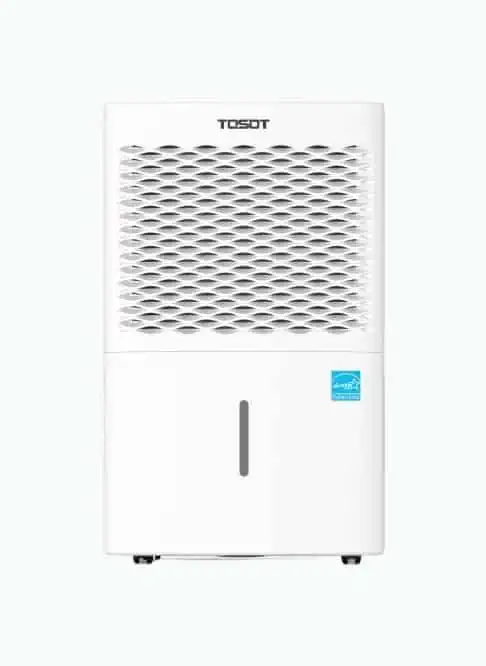
Tosot Energy Star 50 Pints Dehumidifier With Pump
Best for Extra-Large Basements
Do you have a vast basement? You don’t necessarily need to purchase several units to handle the extensive space. This powerful device should be able to remove moisture from the air in basements up to 4,500 square feet.
This high-quality model by Tosot is also safe and efficient. It is both “Energy Star” and UL-approved. Plus, if you have any second thoughts, the manufacturer offers a one-year warranty.
What We Like
High Efficiency Removing 45 Pints Daily
This highly-efficient unit can move 45 pints of water per day. While many models include two fan speeds, this machine comes with three different modes. In addition, if you live in an area with regular power outages, the last settings will be restored when the electricity returns.
The machine automatically stops when the water container is full and a light indicator turns on. On a similar note, when it’s time to clean the filter, the control panel also illuminates.
Quieter Dehumidifier
With this amount of energy, one would expect a loud machine. But on the contrary, this device only emits 48 decibels and 52 at its highest power. Although you’ll be able to hear it, it should be barely noticeable.
Included Water Pump
A significant advantage of this unit is the included water pump. If you decide not to use the tank, attach the hose, and the water will be pumped out of the device.
Just how powerful is the pump? It can push water as high as 15 feet in any direction.
Other Unique Features
The automatic defrost feature should allow you to use a dehumidifier in all seasons, including cold winters. It also comes with a timer and delay settings of two and four hours each.
What We Don't Like
Frequent Drainage
When using the water tank, it will need to be replaced every five hours or so. This means that you’ll need to turn it off overnight. Otherwise, the loud “beep” of the full water tank will likely wake you up.
Short Lifespan
A common complaint from customers is that this dehumidifier barely lasted two years. Many devices broke within the first 18 months. For the price you pay, this is pretty disappointing.
Plus, there’s only a 1-year warranty, so if it breaks after that, it’s out of your pocket.
Product Specs
| Removal Capacity | 45 pints |
| Recommended Basement Size | 3000 – 4,500 square feet |
| Bucket Volume | 1 gallon |
| Dimensions | 14.8 by 11.4 by 24 inches |
| Weight | 48 pounds |
Our Ratings
First-Hand Impression
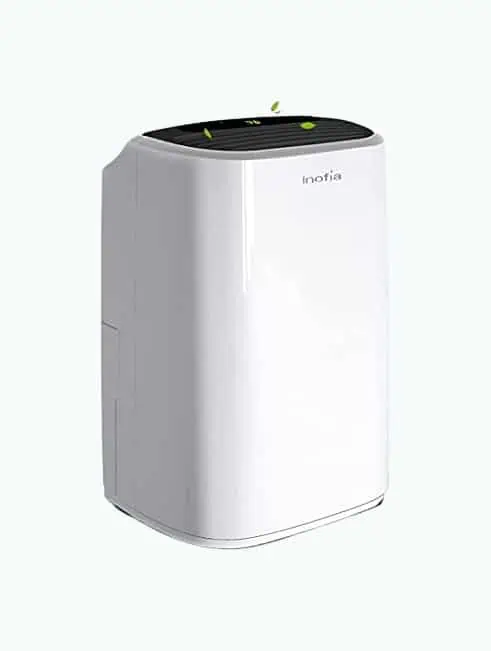
Inofia 30 Pints Dehumidifiers
Most High-Tech Dehumidifier
This dehumidifier might be ideal for medium-sized basements. It’s compact but, nevertheless, can remove 30 pints of air moisture per day. This is suitable for basements up to 1,056 square feet.
On this machine, the manufacturer offers a 60-day money-back guarantee. There’s also a manufacturer’s warranty for one year.
What We Like
Starts Automatically
If you need to run the device when you’re absent from home, this might be a product worth looking at. Like most other models, set up your desired humidity level and let the humidifier run its course.
However, a significant difference is that this model will turn back on as the humidity rises again. If you aren’t using the drain hose, the machine will automatically shut off when the water tank is full.
Auto Error-Detection
The dehumidifier comes with an automatic error detection program. If the device stops functioning for any reason, it will hint at the source of the problem. If this is a minor problem, this feature may save you money by avoiding calling a professional.
Activated Carbon Filters Included
A few reviewers wondered what the black mesh squares — included in the packaging — were. They are “activated carbon fiber filters” that trap fine particles (3).
These special mesh squares are meant to be installed in front of the included regular filter. Keep it in mind, however, that they aren’t washable and will have to be replaced.
Safe Materials Used
The device isn’t made of regular plastic. Instead, it’s built with durable and environmentally-friendly ABS material. In addition, the product is both FCC and ETL certified to ensure the device’s safety (4).
What We Don't Like
Opaque Water Tank
Reviewers appreciate that the machine turns on and off as humidity levels vary. Some users, however, wished they could visually monitor the water container. The device is opaque from both the front and back sides, which doesn’t allow for a quick check.
It Has Leaking Issues
The last thing you need from a dehumidifier is leakage. More moisture? No, thank you.
This device has some complaints of leaking and overflowing. Keep that in mind before purchasing, or leave a towel underneath, just in case.
Product Specs
| Removal Capacity | 30 pints |
| Recommended Basement Size | 1,056 square feet |
| Bucket Volume | 0.5 gallons |
| Dimensions | 12.2 by 8.2 by 17.3 inches |
| Weight | 24.9 pounds |
Our Ratings
User Experience
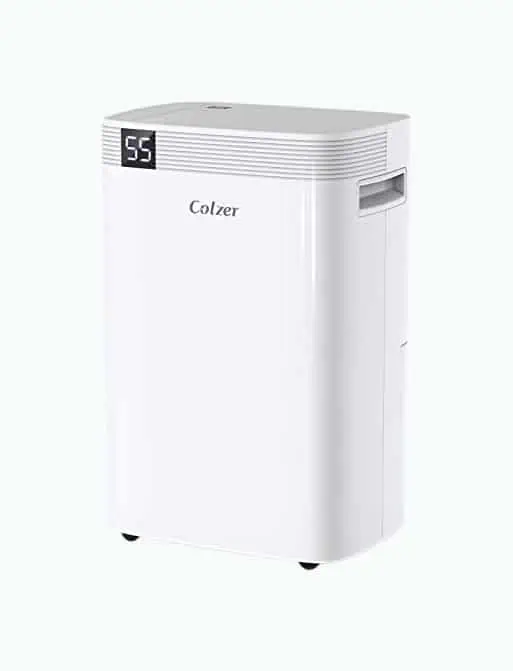
Colzer 50 Pints Dehumidifier
Most Versatile Basement Dehumidifier
This dehumidifier features a modern design, yet has more than its look to show for. It includes a black LED display humidistat, two fan speeds, a timer, and other alerts.
We love that it can remove up to 50 pints of water daily. As such, it should be able to reduce moisture from a basement up to 3,500 square feet.
Unlike other products, the machine includes a 5.65-foot drain hose if using the water tank isn’t your preferred method. The manufacturer recommends cleaning the device once every two weeks for the best durability and performance.
What We Like
Versatile Uses
Versatile products typically save money and space. This model comes with helpful features making it usable in various conditions.
This model has three separate modes. The first one will dehumidify your basement, while you can use the “dry” mode to dry clothes.
Additionally, the “cont” mode will continuously dry the desired location. On top of that, the auto-defrost setting should prevent your machine from freezing.
Design and Quietness
We love the compact and trendy look of this product. Rectangular in shape, the clean presentation should be suitable for most living spaces, whether in a furnished basement or other living areas.
Lastly, this device is one of the quietest available and has a child-lock feature.
Good Portability
This model might be heavier — 26 pounds — than the most compact models. However, reviewers mention it’s light enough to move. It also has four wheels, and two built-in side handles for easy transportation.
Removes 50 Pints a Day
This is one of the most efficient and heavy-duty dehumidifiers we’ve found. It can remove 50 pints of excess moisture daily in rooms up to 3,500 square feet. This makes it an excellent choice for basements, garages, and other large rooms.
What We Don't Like
No Pump
Users wished that this device came with an internal pump. Instead, water needs to use gravity to drain out of the dehumidifier. This means you won’t be able to empty the machine in anything higher than ground level.
Limited Reservoir
When you opt to use a water tank instead of a draining hose, expect that you will have to empty the water reservoir three or four times a day which is bothersome as it requires spending energy for that task.
Product Specs
| Removal Capacity | 50 pints |
| Recommended Basement Size | Up to 3,500 square feet |
| Bucket Volume | 0.66 gallons |
| Dimensions | 12.5 by 8.6 by 18.6 inches |
| Weight | 26 pounds |
Our Ratings
Personal Perspective
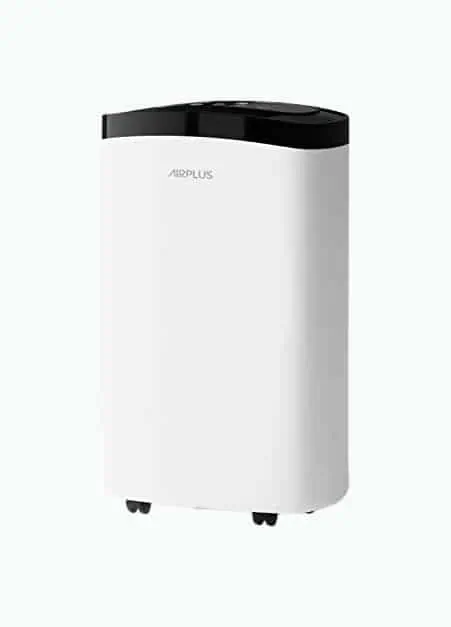
AirPlus 30 Pints Dehumidifier
Easiest to Use
The Airplus Dehumidifier is designed for easy use, which is especially helpful if you’re new to the world of dehumidifiers.
There are four modes to choose from: standard, drying, sleep, and raining. So whatever your need is, one of these four options will cover it.
It’s super easy to select your preferred mode or switch between modes. You can even set a timer or shutdown function to save the dehumidifier running for longer than necessary.
Plus, it has wheels! So you can easily transport it from room to room, or reposition it without any hassle.
What We Like
Four Modes in One
With one touch, you can switch between the four modes. Standard automatically dehumidifies to achieve a healthy level of relative humidity.
The drying setting is perfect if you air dry clothes. You don’t have to worry about water staying in your clothes. Use the sleeping mode for nighttime, as it’s very quiet.
Lastly, enjoy the rain mode, which sets the relative humidity at 45 percent to prioritize comfort for you.
Convenient Drainage
Whether you want to empty the water tank manually or have it done automatically, you can choose with this humidifier. It can drain continuously and automatically, saving you the hassle.
The 1.5 liters is very spacious. So even if you opt for manual, it still gives you high running time before emptying. When the water tank is full, the machine automatically turns off.
Quietly Absorbs
No need for earplugs with this humidifier! The quiet moisture removal function keeps everything running quietly, especially in sleeping mode.
It’s perfect for bedrooms, but it’s also great for basements if you have guests over, are having a movie night, or are just trying to do some reading.
Intelligent Constant Humidity Feature
The device monitors moisture levels constantly and will automatically adjust the machine. This means that it will maintain a good humidity level, which you preset so that you don’t have to keep track of the device. This saves you time and hassle and keeps your humidity levels just right.
What We Don't Like
Finicky Auto Shut-Off
Be careful when relying on the auto shut-off. Some customers said that theirs shuts off if the tank is covered in condensation, even if it’s not full. Others say it doesn’t shut off and starts to leak if left for too long.
Small Bucket Volume
With a bucket volume of 0.4 gallons, this is pretty small. If you’re using it in high-moisture areas of large rooms, expect to empty it often.
Product Specs
| Removal Capacity | 30 pints |
| Recommended Basement Size | 275 square feet |
| Bucket Volume | 0.4 gallons |
| Dimensions | 21.4 x 13.9 x 9 inches |
| Weight | 22.1 pounds |
Our Ratings
Community Feedback
| Product | Best | Removal Capacity | Recommended Area | Bucket Volume | Dimensions | Weight |
|---|---|---|---|---|---|---|
| Vremi Energy Star Dehumidifier | For Air Cleaning | 22 pints | 1,500 sq ft | 1 gal | 16.1 x 10.4 x 19.9″ | 30.9 lbs |
| Pro Breeze Mini | Portable Dehumidifier | 1.125 pints | 250 sq ft | 0.41 gal | 6.6 x 9 x 12.69″ | 5.04 lbs |
| HomeLabs 50-Pint | Most Energy Efficient Dehumidifier | 50 pints | 4,600 sq ft | 1.6 gal | 15.4 x 11 x 24.3″ | 40 lbs |
| Tosot Energy Star Dehumidifier | For Extra-Large Basements | 45 pints | 3000 – 4,500 sq ft | 1 gal | 14.8 x 11.4 x 24″ | 48 lbs |
| Inofia Dehumidifiers | High-Tech Dehumidifier | 30 pints | 1,056 sq ft | 0.5 gal | 12.2 x 8.2 x 17.3″ | 24.9 lbs |
| Colzer Dehumidifier | Versatile Basement Dehumidifier | 50 pints | Up – 3,500 sq ft | 0.66 gal | 12.5 x 8.6 x 18.6″ | 26 lbs |
| AirPlus 30 Pints Dehumidifier | Easiest to Use | 30 pints | 275 sq ft | 0.4 gal | 21.4 x 13.9 x 9 inches | 22.1 lbs |
Why Invest in a Basement Dehumidifier?
Basements are a common source of moisture due to potential condensation or water leaks. A humid basement isn’t only uncomfortable; it can also create complications. By reducing humidity levels, dehumidifiers make the atmosphere less prone to bacterial growth.
1. Prevents Mold
First, mildew, mold, dust mites, and bacteria thrive when humidity exceeds 80 percent (5). Mold expands quickly and can spread within 24 to 48 hours. The fungus then emits this familiar unpleasant odor of a wet swimsuit left in a closed bag.
Furthermore, mold can develop on any surface — from linen and clothes to drywall, wood, tiles, and food. Over time, they might stain and damage the fabric or material.
Even more importantly, mold is a common cause of many allergies and respiratory conditions such as asthma and lung infections (6). As the spores travel through the air, they can reach and infect other parts of your house.
Keep In Mind
2. Avoids Rust and Corrosion
Keeping humidity under control should delay your next basement renovation. Mold aside, moisture can deteriorate a home quickly. In a humid environment, rust and corrosion form, attacking electronic devices or any object containing metallic parts.
3. Decreases Dust and Allergens
Dehumidifiers typically come with an air filter, thereby reducing dust in a given area. Some can even trap odors and bacteria, potentially reducing allergy symptoms. Less dust also means that you won’t have to clean your basement as much.
4. Easy to Use
In addition to their many benefits, dehumidifiers are simple to use; some are even a one-button operation. Whether you select a model with a drain hose or prefer to empty the water tank manually, they’re also a breeze to install.
The device will keep your basement healthy while you may barely notice its presence.
Types of Dehumidifiers
Two main types of dehumidifiers are available, each meeting different needs.
Compressor Dehumidifiers
Also called refrigerants, they’re the most popular types of dehumidifiers. A compressor contains refrigerated coils to cool down the air. Condensation transforms the hot air into droplets that fall into a bucket.
This type is typically used in warm and moist rooms.
Pros
- Ideal for heated or warm basements.
- Easy to use.
- Generally requires less power than desiccant.
- There are many options available.
Cons
- Can freeze in temperatures colder than 41-degree Fahrenheit.
- Less convenient to move.
Desiccant Dehumidifiers
Unlike compressors, desiccant devices are designed to be used in cold rooms, such as unheated basements. They collect moisture through a spongy material transforming humid air into water. These dehumidifiers contain an internal cooling agent that doesn’t only remove moisture but can also increase room temperature.
Pros
- Ideal for cold basements and winter use.
- Better portability — light and small.
- Quieter than compressors.
Cons
- High running costs.
Important Features to Consider
Before sharing our selection of the top dehumidifiers, here are a few other essential elements to review.

Noise Level
If your basement is mainly a storage area, noise might not be your primary concern. But a loud device might be a nuisance if you use the space as a living environment.
The more powerful the device is, the louder it generally gets. For this reason, some models come with high and lower power modes. If you’re looking for an ultra-quiet dehumidifier, one emitting less than 40 decibels is preferable.

Energy Consumption
A humidifier can increase your electricity bill significantly. The most energy-efficient devices carry the “Energy Star” label. They help you keep your consumption low, which should feel lighter on your wallet.
This governmental recognition also helps to support our environment by reducing greenhouse gas emissions. Yet, do not fear, you won’t be losing on performance or functionality (8).
Water Collecting Type
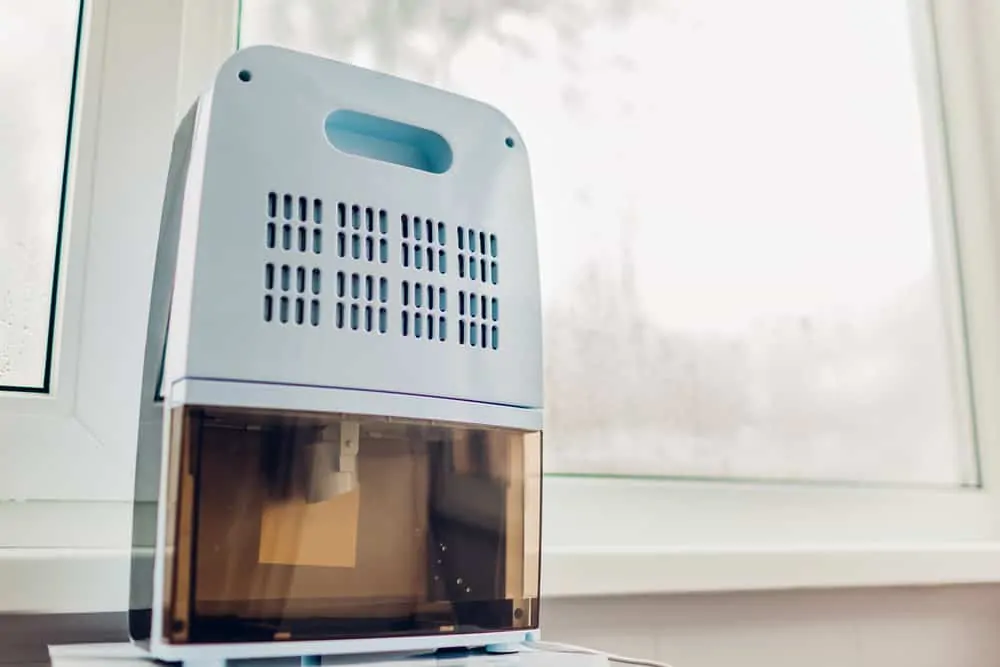
There are two ways your dehumidifier can drain the extra moisture it collects.
Bucket Collector
This type of water removal makes the unit easier to move when needed. The water gathers in a dedicated container located inside the device. To move the dehumidifier to another place, you only need to unplug the machine.
They’re the easiest to install and don’t require additional equipment or professional help.
Keep in mind that the dehumidifier generally shuts off when the bucket is full. This means you’ll always have to keep an eye on the water level and regularly empty the tank.
As the machine won’t function until the bucket has been emptied, this method can be challenging if you’re often away from home.
Drain Hose
Although it may take a little longer to install, these are generally easy to put together. You need to connect a hose to the machine’s port.
The extremity of the hose is then placed over a floor drain. If the model comes with a pump, you can position it inside a utility sink. As the water tank isn’t being used, this setup allows your dehumidifier to continue.
Take Note

Easy Maintenance
A dehumidifier shouldn’t require excessive maintenance. Besides emptying the water container or potentially installing drainage, air filters might be your primary concern. They prevent dust and small debris from entering the machine.
Ensure that the filters are easy to remove and place back. They should also be washable and reusable. The best models will even be able to filter odors and bacteria.

Good Portability
Are you planning on moving the machine from your basement to other rooms? Then choosing a compact and portable device is critical. Ensure that your selected model has carrying handles and rolling wheels for easy transportation.

Other Useful Features
Finally, a few additional features should make your life easier when using the machine:
- A timer.
- Humidistat indicator.
- Remote control.
Selecting the Right Size
A dehumidifier’s capacity is a key determinant when choosing the best basement dehumidifier. To find the right size device, you need to consider both the volume of your basement and its humidity level.
Basement Size
In terms of unit capacity, you’ll find four categories: small, medium, large and whole-house sizes.
First, if you don’t already know the dimensions of your basement, use a measuring tape to determine the length and width. Then multiply these two numbers to find your basement size in square feet.
For instance, if your basement is 10 feet long and seven feet wide, its volume equals 70 square feet.
Humidity Level
The size of your basement alone won’t be enough to select the right dehumidifier. You also need to look at the amount of moisture in the air. Both combined determine the number of pints of water you need to remove from the ambient air.
There are two ways to find out how much moisture your basement contains.
- Using a Hygrometer: To accurately measure your basement’s humidity level as a percentage, you can use a hygrometer. Although the name can sound impressive, it’s a user-friendly electronic device. It automatically measures and displays the percentage humidity in a given area.
- Visual Inspection: A visual inspection can also give hints of the severity of the moisture in your basement. Water condensation on windows, walls, and floors, as well as the presence of mold, are clear signs that humidity is at its highest level.
The four different severities are as follows:
- Low humidity: The place may sometimes smell musty.
- Medium humidity: Your basement always smells musty.
- High humidity: Damp areas can be spotted on walls and floors.
- Extremely high humidity: The room feels wet, with foul odors, potential mold growth, and stains.
What Is the Best Size for My Basement?
Once you know your basement’s square footage and humidity percentage, refer to our chart below. Many manufacturers also have their own sizing recommendations. These may vary from one brand to another.
| Humidity | Low (60–70%) | Medium (70–80%) | High (80–90%) | Extremely High (90–100%) |
| Small (500 sq ft) | 10 pints | 12 pints | 14 pints | 16 pints |
| Medium (1000 sq ft) | 14 pints | 17 pints | 20 pints | 23 pints |
| Medium to Large (1500 sq ft) | 18 pints | 22 pints | 26 pints | 30 pints |
| Large (2000 sq ft) | 22 pints | 27 pints | 32 pints | 37 pints |
| Extra Large (2500 sq ft) | 26 pints | 32 pints | 38 pints | 44 pints |
For spaces over 2500 square feet, dehumidifiers with a capacity of between 50 and 90 pints are available.
Special Conditions
Remember that using a dishwasher, washing machine, or drying clothes in your basement will increase humidity levels. In this case, it’s best to select a bigger unit able to remove more water than your space needs.
Equally important, take into consideration the weather in your local area. If you measure humidity levels in winter, plan for extra moisture when summer comes. This might be especially the case if you live in the south of the United States.
Generally speaking, bigger is better if you’re unsure of the needed capacity, as it puts less stress on the device. Once the air reaches the ultimate moisture content, the machine will stop automatically. An inadequate dehumidifier may never be able to shut down, decreasing your device’s lifespan.
Here are some guidelines:
| Special Conditions | Additional Number of Pints |
| Humid climate | Add 10 pints |
| Living basement | Add 5 pints |
| Presence of doors and/or windows | Add 5 pints |
| Presence of washer and/or dryer | Add 5 pints |
Where to Install My Dehumidifier?
In large basements, it’s recommended to place the machine towards the center of the room. Always keep it six inches away from walls or furniture that may obstruct ventilation. If you’re looking to attach a hose, you’ll also need to place it near a floor drain or sink.
FAQs

What is the Average Lifespan of a Dehumidifier?
The average lifespan of a dehumidifier is nine to eleven years, although this varies depending on the make, model, and amount of use the dehumidifier gets.

How Much Does It Cost to Install a Basement Dehumidifier?
The cost to install a basement dehumidifier depends on the make, model, and whether it is freestanding or connected to ductwork. On average, you will spend between $1,100 and $2,800.

Should a Basement Dehumidifier Run All the Time?
A basement dehumidifier shouldn’t run all the time. You only need it to operate when the humidity rises above 50 percent. The ideal atmospheric moisture content should be between 30 and 50 percent.

Will a Dehumidifier In the Basement Help the Whole House?
A Dehumidifier in the basement will help the whole house because mold releases spores that travel in the air. If you kill the mold in the basement, you remove potential mold infestation in the rest of the house.

How Long Does It Take for a Dehumidifier to Dry a Basement?
The time it takes for a dehumidifier to dry a basement depends on the size of the dehumidifier and basement. Typically, it should take anywhere between a couple of days to a week before you see any tangible results.

What Can I Do With the Water From My Dehumidifier?
You can do several things with the water from your dehumidifier, including using it to water your plants, and using it for household cleaning. Other uses include putting in your car radiator or adding it to the toilet tank to help with flushing.
Shutting Off
Adding a dehumidifier in a basement can have a much greater impact than simply creating a more comfortable environment. It prevents mold growth and keeps dust and other allergens down. As a result, the device can contribute to keeping you and your family healthy.
Besides, if you’re storing electronics and objects with metallic components, a dehumidifier can increase their lifespan. The device avoids rust and corrosion caused by excess moisture.
Selecting the best basement dehumidifier starts by identifying your basement’s volume and humidity level. To pick the right type, you’ll also want to consider the ambient air temperature both in summer and winter.